We unleash your business potential by maximize the business innovation.
Send EmailInulin, Chicory Inulin, Jufen, Chrysanthemum Powder, Raftilinest, Raftilinehp, 9005-80-5, 39289-43-5
Chemical and Physical Properties
-
Chemical Name: Inulin
-
Molecular Formula: C₁₈H₃₂O₁₆
-
Molar Mass: 504.44 g/mol
-
Density: 1.35 g/cm³
-
Melting Point: 176–181 °C
-
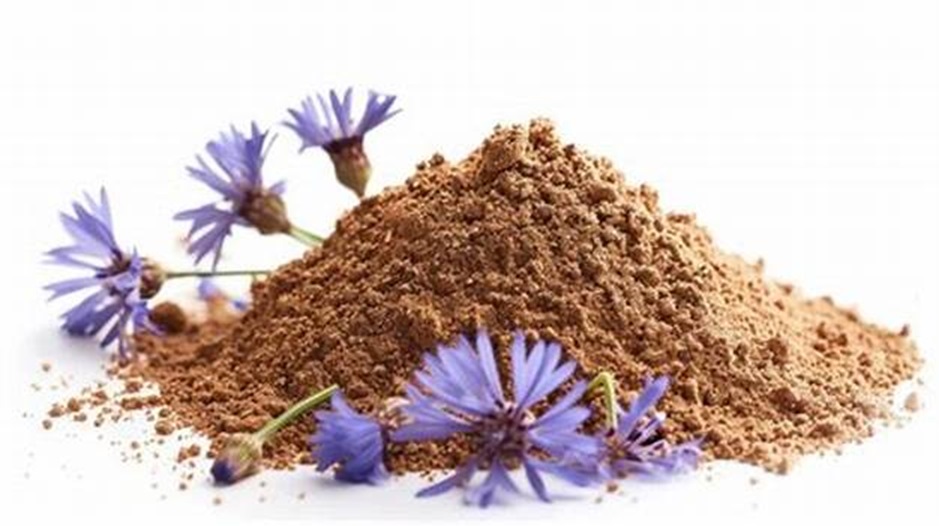
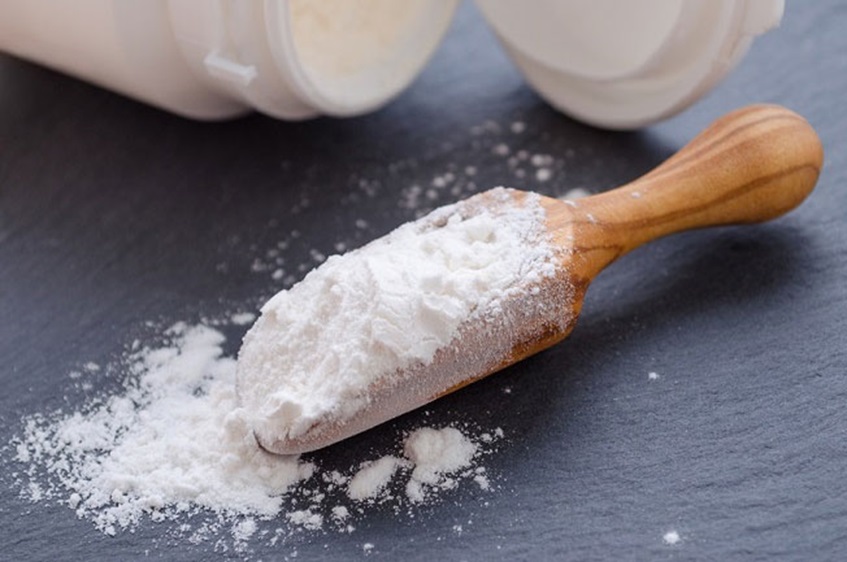
Appearance: White to off-white powder
-
Solubility: Soluble in hot water, dilute acids and alkalis; slightly soluble in cold water and organic solvents
-
Stability: Stable under normal conditions; incompatible with strong oxidizing agents
-
Storage Conditions: Store in airtight containers at room temperature; hygroscopic
Natural Sources and Production
Inulin is a naturally occurring polysaccharide found in over 36,000 plant species, especially in:
-
Chicory root
-
Jerusalem artichoke
-
Onion
-
Garlic
-
Asparagus
Industrial production typically uses chicory root via hot water extraction (70–80 °C for 1–2 hours). Advanced methods involve enzymatic synthesis using Bacillus subtilis to produce high-DP inulin with >95% purity.
Health Benefits and Applications
Inulin is a multifunctional dietary fiber and prebiotic with wide applications:
Health Benefits
-
Promotes growth of beneficial gut bacteria (e.g., bifidobacteria)
-
Supports blood sugar regulation and is suitable for diabetics
-
Enhances calcium and mineral absorption
-
Reduces cholesterol and supports cardiovascular health
-
Helps relieve constipation and improve digestion
-
Suitable for vegan, vegetarian, and gluten-free diets
Food Industry Uses
-
Fat replacer in low-fat dairy and baked goods
-
Texture enhancer and water retention agent
-
Prevents ice crystal formation in frozen products
-
Extends shelf life by reducing moisture loss
Pharmaceutical and Diagnostic Uses
-
Used in renal function tests (glomerular filtration rate)
-
Carrier and stabilizer in drug formulations
-
Culture medium component in biochemical studies
Safety and Regulatory Info
-
Daily Intake Recommendation: ≤15 g/day
-
Safety Phrase: S24/25 – Avoid contact with skin and eyes
-
WGK Germany: 3
-
TSCA Listed: Yes
-
HS Code: 11082000
-
Approval: Recognized as a novel food ingredient by the Ministry of Health (China), Announcement No. 5, 2009