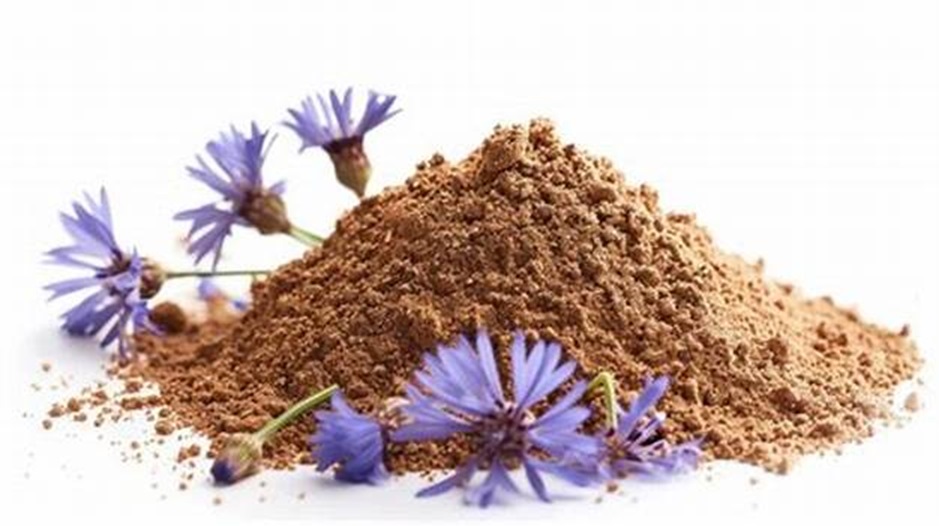
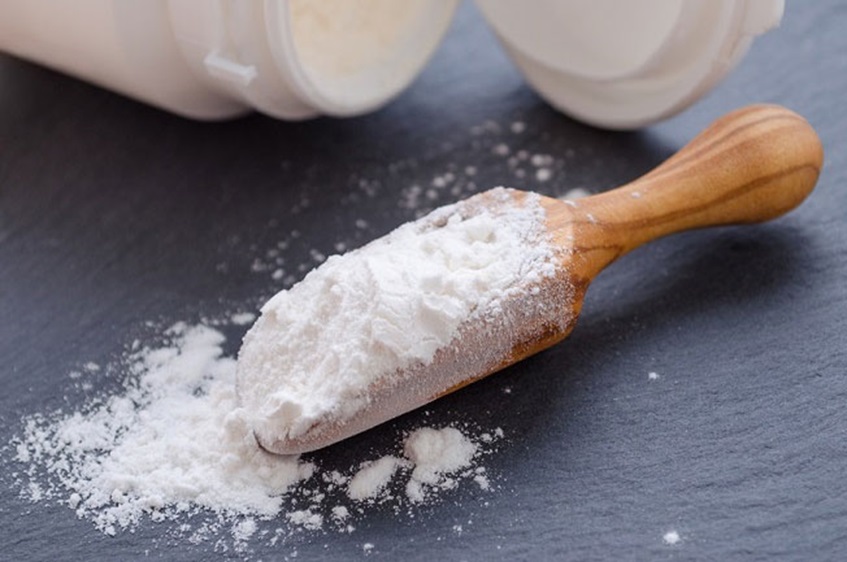
Inulin, Alant Starch, Dahlin, Synantherin, Chicory Inulin, 9005-80-5, 39289-43-5
INULIN
Product Name: Inulin
Other Names: Alantin, Alant Starch, Chicory Inulin, Dahlin, Synantherin, Raftiline, Raftilose
CAS Number: 9005-80-5 (primary), 39289-43-5
Chemical Formula: (C₆H₁₀O₅)ₙ
Molecular Weight: 285.303 g/mol (basic unit)
Chemical Class: Natural polysaccharide, storage carbohydrate, prebiotic dietary fiber
SECTION 1: PRODUCT IDENTIFICATION AND DEFINITION
| Parameter |
Information |
| Product Name |
Inulin |
| Other Names |
Alantin, Alant Starch, Chicory Inulin, Dahlin, Synantherin, Raftiline, Raftilose |
| Source |
Found naturally in over 36,000 plant species; industrially produced primarily from chicory roots (Cichorium intybus) |
| CAS Number |
9005-80-5 (primary), 39289-43-5 |
| Chemical Formula |
(C₆H₁₀O₅)ₙ |
| Molecular Weight |
285.303 g/mol (basic unit); polymer chain length varies (DP 2-60) |
| Chemical Class |
Natural polysaccharide, storage carbohydrate, prebiotic dietary fiber |
| Appearance |
Amorphous, white to cream-colored, odorless, dry powder |
| Taste |
Neutral to mildly sweet |
| Melting Point |
176 – 181°C |
| Density |
1.31 g/cm³ |
| Solubility |
Soluble in hot water and dilute acid/alkali solutions; low solubility in cold water and organic solvents |
| Allergen Status |
Allergen-free; suitable for vegan and gluten-free diets |
SECTION 2: CHEMICAL STRUCTURE AND HISTORY
2.1. Chemical Structure
| Parameter |
Information |
| Chemical Name |
β-(2→1) linked fructofuranosyl chains; contains terminal glucose unit |
| Structural Type |
Linear or slightly branched fructan polymer |
| Degree of Polymerization (DP) |
2 – 60 units (varies by source) |
| Glycosidic Linkage |
β-(2→1) linkage between fructose units |
| Sugar Composition |
Fructose with terminal glucose |
| End Group |
Terminal α-D-glucose |
2.2. History
| Date |
Event |
| 1804 |
First isolated by Rose |
| 1818 |
Named "inulin" by Thomson |
| Present |
Industrially produced from chicory roots |
SECTION 3: PHYSICAL AND CHEMICAL PROPERTIES
| Property |
Value |
| Appearance |
Amorphous, white to cream-colored, odorless dry powder |
| Taste |
Neutral to mildly sweet |
| Melting Point |
176 – 181°C |
| Density |
1.31 g/cm³ |
| Solubility |
Soluble in hot water and dilute acid/alkali solutions; low solubility in cold water and organic solvents |
| pH (solution) |
Neutral to slightly acidic |
| Stability |
Stable; incompatible with strong oxidizing agents |
| Hygroscopicity |
Slightly hygroscopic |
| Sweetness |
~10-15% of sucrose |
SECTION 4: PRODUCTION PROCESS
| Parameter |
Information |
| Raw Material |
Chicory roots (Cichorium intybus) |
| Extraction Method |
Hot water extraction |
| Extraction Temperature |
70 – 80°C |
| Extraction Time |
1 – 2 hours |
| Purification |
Filtration, ion exchange, decolorization |
| Drying |
Spray drying or vacuum drying |
SECTION 5: NUTRITIONAL AND FUNCTIONAL PROPERTIES
5.1. Nutritional Profile (per 100g)
| Parameter |
Value |
| Energy |
~150-200 kcal (1.5-2.0 kcal/g) |
| Total Carbohydrate |
~95-98 g |
| Dietary Fiber (Soluble) |
~85-95 g |
| Sugars |
Minimal |
| Fat |
0 g |
| Protein |
0 g |
5.2. Functional Properties
| Property |
Description |
| Prebiotic Effect |
Selectively feeds beneficial gut bacteria (Bifidobacteria, Lactobacilli) |
| Fat Replacement |
Provides creamy texture; reduces fat content |
| Sugar Replacement |
Used as a low-calorie sweetener |
| Thickener |
Dissolves in water to provide viscosity |
| Water Retention |
Maintains moisture balance in products |
| Gel Formation |
Forms gel in water; provides satiety |
| Ice Cream |
Prevents ice crystal formation; reduces fat content |
SECTION 6: HEALTH BENEFITS
| Benefit |
Description |
| Prebiotic Effect |
Supports beneficial gut bacteria (Bifidobacteria, Lactobacilli); inhibits harmful bacteria growth |
| Constipation Relief |
12 g daily intake can provide relief from constipation |
| Mineral Absorption |
Enhances absorption of calcium and magnesium |
| Vitamin Absorption |
Supports B-vitamin absorption |
| Immune Support |
Strengthens immune system through gut flora modulation |
| Satiety |
Forms gel in water; slows gastric emptying; supports weight management |
| Blood Sugar Regulation |
Low glycemic index; helps regulate blood sugar levels |
| Dietary Suitability |
Suitable for vegan, vegetarian, and gluten-free diets |
SECTION 7: NATURAL SOURCES
| Plant |
Content (approximate) |
| Chicory (Wild Chicory) |
High (primary industrial source) |
| Jerusalem Artichoke |
High |
| Artichoke |
Medium-High |
| Onion |
Low-Medium |
| Garlic |
Low-Medium |
| Leek |
Low-Medium |
| Banana |
Low |
SECTION 8: APPLICATION AREAS
8.1. Food Industry
| Application |
Function |
| Functional Foods |
Prebiotic fiber enrichment |
| Ice Cream |
Prevents ice crystals; reduces fat content |
| Dairy Products |
Fat replacement; prebiotic effect; texture improvement |
| Bakery Products |
Moisture retention; fat and sugar reduction |
| Smoothies and Beverages |
Soluble fiber source; prebiotic |
| Oatmeal |
Fiber enrichment; satiety |
| Fruit Juices |
Prebiotic fiber addition |
| Diet Products |
Low-calorie fiber source; fat replacement |
| Confectionery |
Sugar reduction; texture improvement |
8.2. Pharmaceuticals
| Application |
Function |
| Stabilizer |
Provides stability in drug formulations |
| Drug Carrier |
Carrier for active ingredients |
| Therapeutic Support |
Prebiotic treatment support |
8.3. Medical Diagnostics
| Application |
Function |
| Kidney Tests |
Used for glomerular filtration rate (GFR) measurement |
8.4. Industrial Applications
| Application |
Function |
| Bioethanol Production |
Direct fermentation to produce bioethanol |
SECTION 9: QUALITY SPECIFICATIONS (FOOD GRADE)
| Parameter |
Specification |
| Appearance |
White to cream-colored, free-flowing powder |
| Inulin Content |
≥ 90% (powder) |
| Moisture |
≤ 5.0% |
| pH (10% solution) |
5.0 – 7.0 |
| Ash Content |
≤ 0.5% |
| Heavy Metals (as Pb) |
≤ 5 ppm |
| Lead (Pb) |
≤ 1 ppm |
| Arsenic (As) |
≤ 1 ppm |
| Total Plate Count |
≤ 1,000 CFU/g |
| Yeast and Mold |
≤ 50 CFU/g |
| Salmonella spp. |
Negative in 25g |
| Escherichia coli |
Negative in 10g |
SECTION 10: TYPICAL DOSAGE
| Application |
Recommended Dosage |
| Daily Prebiotic Supplementation |
5-15 g/day |
| Constipation Relief |
12 g/day |
| Mineral Absorption (Calcium) |
5-10 g/day |
| Ice Cream |
2-10% of formulation |
| Dairy Products |
1-5% of formulation |
| Bakery Products |
2-10% of formulation |
| Functional Foods |
2-10% of formulation |
SECTION 11: SIDE EFFECTS AND TOLERANCE
| Effect |
Description |
| Excessive Consumption |
May cause gas, bloating, abdominal pain |
| Tolerance |
Gradual introduction improves tolerance |
| Sensitive Groups |
Caution required for individuals with sensitive bowels |
| Medical Consultation |
Consult a doctor before using as a dietary supplement |
SECTION 12: STORAGE AND SHELF LIFE
| Parameter |
Information |
| Storage Conditions |
Cool (15-25°C), dry, well-ventilated area |
| Container Requirements |
Air and moisture-proof containers |
| Protect From |
Moisture, heat, direct sunlight |
| Shelf Life |
24-36 months (unopened original packaging) |
| Stability Note |
Slightly hygroscopic; store in airtight containers |
SECTION 13: PACKAGING OPTIONS
| Packaging Type |
Quantity |
Material |
| Aluminum foil bag |
1-5 kg |
Laminated aluminum |
| PE-lined kraft paper bag |
10-25 kg |
Kraft paper + PE |
| Plastic pail |
20-25 kg |
HDPE |
| Fiber drum |
25-50 kg |
HDPE + PE liner |
| Big-Bag |
500-1000 kg |
Polypropylene (with PE liner) |
SECTION 14: SAFETY AND HEALTH INFORMATION
GHS Classification
| Hazard Class |
Category |
| Not classified as hazardous |
– |
Hazard Statements
| Code |
Statement |
| None |
Not classified as hazardous |
Precautionary Statements
| Code |
Statement |
| P261 |
Avoid breathing dust |
| P280 |
Wear protective gloves/eye protection |
SECTION 15: REGULATORY STATUS
| Region / Authority |
Status |
| European Union |
Approved as food ingredient; prebiotic |
| USA (FDA) |
GRAS (Generally Recognized as Safe) |
| EFSA |
Approved; prebiotic health claims recognized |
| Turkey |
Approved as food ingredient |
| CODEX Alimentarius |
Recognized as dietary fiber |
| Halal Status |
Plant-based origin; considered halal |
SECTION 16: OTHER NAMES AND SYNONYMS
| Type |
Name |
| Turkish Names |
İnülin, Alantin, Alant Nişastası, Yıldız Çiçeği |
| English Names |
Inulin, Alant Starch, Dahlin, Synantherin, Chicory Inulin |
| Scientific Name |
β-(2→1) Fructan |
| CAS Number |
9005-80-5 (primary), 39289-43-5 |
| Commercial Names |
Raftiline, Raftilose, Raftifeed, Raftiline HP |
SECTION 17: SUMMARY AND CRITICAL NOTES
Product Summary
| Parameter |
Value |
| Product |
Inulin |
| CAS Number |
9005-80-5 |
| Appearance |
Amorphous, white to cream-colored powder |
| Energy Value |
1.5-2.0 kcal/g |
| Fiber Content |
~85-95% soluble fiber |
| Primary Function |
Prebiotic dietary fiber |
Critical Notes
-
Natural Prebiotic: Inulin is a natural prebiotic fiber that selectively feeds beneficial gut bacteria (Bifidobacteria, Lactobacilli).
-
History: First isolated by Rose in 1804; named "inulin" by Thomson in 1818.
-
Natural Sources: Found naturally in over 36,000 plant species; industrially produced from chicory roots.
-
Low Calorie: Provides 1.5-2.0 kcal/g; significantly lower than typical carbohydrates (4 kcal/g).
-
High Fiber Content: Contains ~85-95% soluble dietary fiber.
-
Fat and Sugar Replacement: Provides creamy texture; reduces fat and sugar content.
-
Mineral Absorption: Enhances absorption of calcium and magnesium.
-
Satiety: Forms gel in water; slows gastric emptying; supports weight management.
-
Side Effects: Excessive consumption may cause gas, bloating, and abdominal pain; gradual introduction recommended.
-
Application Areas: Functional foods, ice cream, dairy products, bakery, beverages, pharmaceuticals, bioethanol production, kidney function tests.
-
Dietary Suitability: Suitable for vegan, vegetarian, and gluten-free diets.
IMPORTANT DECLARATION: This Technical Data Sheet (TDS) is for informational purposes only and has been prepared based on available technical data. The user is responsible for determining the product's suitability for their specific application and for complying with all local, national, and international regulations. For complete safety, storage, use, transport, waste, and regulatory compliance information, refer to the official Safety Data Sheet (SDS/MSDS) provided by the manufacturer/supplier.