We unleash your business potential by maximize the business innovation.
Send EmailStevia, Stevia Extract, Stevioside, Rebaudioside A, Reb A, Rebaudioside M, Reb M, Steviol Glycoside, E960, 57817-89-7, 58543-16-1, 91722-21-3
STEVIA EXTRACT (STEVIOL GLYCOSIDES)
Stevia / Stevioside / Rebaudioside A / Rebaudioside M / E960
CAS Numbers: 57817-89-7, 58543-16-1, 91722-21-3
1. IDENTIFICATION
| Property | Information |
|---|---|
| Product Name | Stevia Extract (Steviol Glycosides) |
| Common Names | Stevia, Sugar Leaf, Sweet Leaf, Stevioside, Rebaudioside A (Reb A), Rebaudioside M (Reb M), E960 |
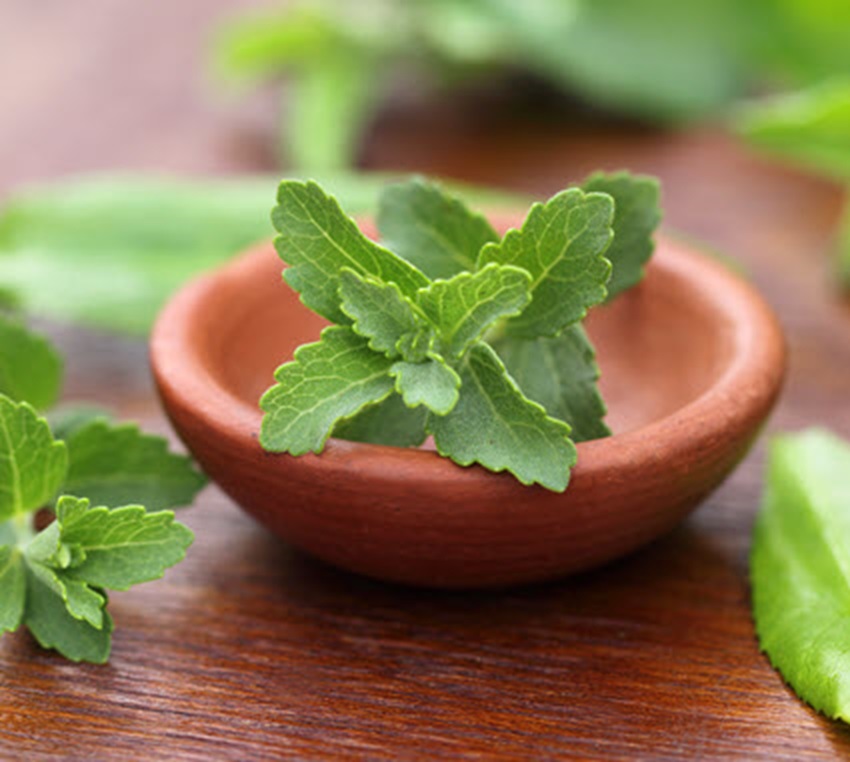
| Botanical Source | Stevia rebaudiana Bertoni (leaves) |
| Category | Natural high-intensity sweetener |
| CAS Numbers | 57817-89-7 (Stevioside) 58543-16-1 (Rebaudioside A) 91722-21-3 (Mixed Steviol Glycosides Extract) |
| E Number | E960 |
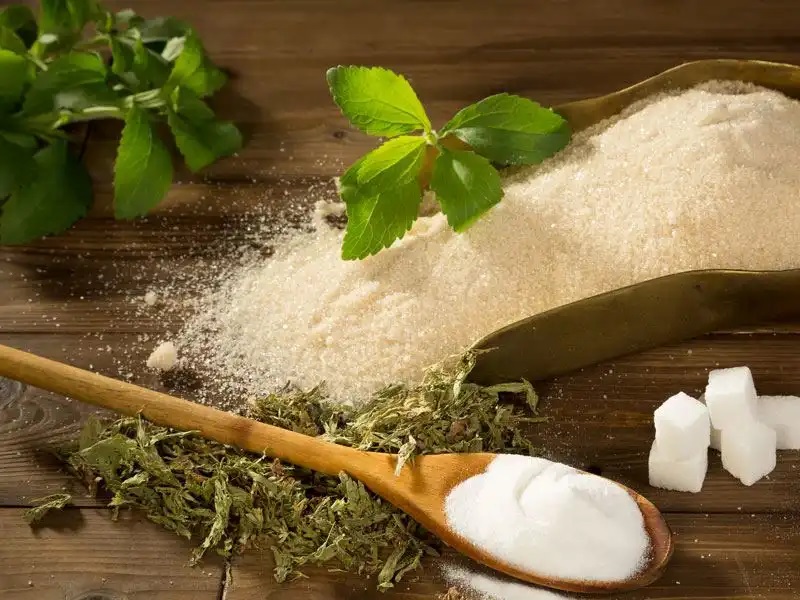
| Appearance | White to off-white crystalline powder |
| Odor | Odorless or slight characteristic odor |
2. TYPES OF STEVIA EXTRACT
| Type | CAS Number | Sweetness (vs Sucrose) | Taste Profile | Primary Use |
|---|---|---|---|---|
| Stevioside | 57817-89-7 | 200-300x | Higher bitterness, licorice aftertaste | Industrial blends, animal feed, less common in premium food |
| Rebaudioside A (Reb A) | 58543-16-1 | 250-450x | Cleaner taste, less bitterness, most common | Beverages, dairy, tabletop sweeteners, pharmaceuticals |
| Rebaudioside M (Reb M) | N/A (newer) | 250-350x | Closest to sugar taste profile, no bitterness | Premium beverages, high-end food products |
| Mixed Steviol Glycosides | 91722-21-3 | 200-300x | Variable depending on composition | General food applications, cost-effective |
3. PHYSICAL & CHEMICAL PROPERTIES
| Property | Value |
|---|---|
| Appearance | White to off-white crystalline powder |
| Odor | Odorless or faint characteristic odor |
| Taste | Intensely sweet (200-450x sweeter than sucrose) |
| Solubility in Water (20°C) | Soluble (approx. 10-30% depending on purity and type) |
| Solubility in Ethanol | Slightly soluble |
| Melting Point | >200°C (decomposes) |
| pH Stability | Stable at pH 3-9 |
| Thermal Stability | Heat stable up to 200°C – suitable for baking, pasteurization, UHT |
| Hygroscopicity | Moderately hygroscopic |
4. CHEMICAL STRUCTURE
Steviol glycosides are diterpene glycosides with a common aglycone (steviol) and varying sugar moieties.
| Glycoside | Sugar Units | R1 | R2 | Sweetness Factor |
|---|---|---|---|---|
| Stevioside | 3 | Glucose | Glucose-Glucose | 200-300x |
| Rebaudioside A | 4 | Glucose | Glucose-Glucose-Glucose | 250-450x |
| Rebaudioside B | 3 | H | Glucose-Glucose-Glucose | 150-250x |
| Rebaudioside C | 4 | Glucose-Rhamnose | Glucose-Glucose | 50-100x |
| Rebaudioside D | 5 | Glucose-Glucose | Glucose-Glucose-Glucose | 250-350x |
| Rebaudioside M | 5-6 | Glucose-Glucose | Glucose-Glucose-Glucose | 250-350x |
| Dulcoside A | 3 | Glucose-Rhamnose | Glucose | 50-100x |
Key Insight: Reb A and Reb M are preferred for their cleaner, sugar-like taste profile with minimal bitterness/aftertaste.
5. PRODUCTION PROCESS
| Stage | Description |
|---|---|
| 1. Harvesting | Mature leaves of Stevia rebaudiana are harvested (typically 3-4 times per year) |
| 2. Drying | Leaves are dried to reduce moisture content |
| 3. Extraction | Steviol glycosides are extracted using water or water-ethanol solution (40-60°C) |
| 4. Filtration | Plant debris and insoluble materials are removed |
| 5. Purification | Multi-stage purification: ion exchange resins, activated carbon treatment, membrane filtration (UF/NF/RO) |
| 6. Concentration | Purified extract is concentrated under vacuum |
| 7. Crystallization | Stevioside and/or Rebaudioside A are crystallized (different conditions for different glycosides) |
| 8. Drying | Crystals are dried (spray drying or vacuum drying) |
| 9. Milling & Blending | Dried product is milled to desired particle size; may be blended with other glycosides or bulking agents (erythritol, maltodextrin) |
| 10. Packaging | Final product is packaged under controlled conditions |
Purity Grades Available:
-
80% Total Steviol Glycosides (Standard)
-
90% Total Steviol Glycosides
-
95% Reb A (High Purity)
-
97% Reb A (Premium)
-
99% Reb A / Reb M (Ultra-Premium)
6. APPLICATIONS
6.1. Food & Beverage Industry (Primary Use – 70%)
| Application | Preferred Type | Function |
|---|---|---|
| Carbonated Soft Drinks | Reb A or Reb M | Zero/low-calorie sweetener, sugar replacement |
| Flavored Waters | Reb A | Light sweetness, clean taste |
| Juices & Nectars | Reb A | Calorie reduction |
| Dairy Products (Yogurt, Milk) | Reb A | Sweetening without added sugar |
| Ice Cream & Frozen Desserts | Reb A or Reb M | Sugar reduction, texture maintenance |
| Bakery Products | Reb A (heat stable) | Sugar replacement in cookies, cakes |
| Confectionery (Candy, Gum) | Reb A or Stevioside | Intense sweetness, sugar-free |
| Sauces & Dressings | Reb A | Sweetness balance |
| Tabletop Sweeteners | Reb A (often blended with bulking agents) | Home use, coffee/tea sweetener |
| Breakfast Cereals | Reb A | Reduced sugar formulations |
| Chocolate & Snacks | Reb M (premium) | Sugar-free, clean taste |
6.2. Pharmaceutical & Nutraceutical Industry
| Application | Preferred Type | Function |
|---|---|---|
| Diabetes-Friendly Formulations | Reb A | Sweetener without blood glucose impact |
| Liquid Medications | Reb A (pure) | Taste masking for bitter APIs |
| Chewable Tablets & Gummies | Reb A | Sweetening and taste masking |
| Vitamin & Mineral Supplements | Reb A | Sweetening without calories |
| Dietary Supplements | Reb A or Reb M | Low-calorie sweetening |
| Protein Powders | Reb A | Taste enhancement |
6.3. Cosmetic & Personal Care
| Application | Function |
|---|---|
| Lip Balms & Lipsticks | Sweet flavor, taste masking |
| Facial Moisturizers | Natural sweetener, humectant (minor use) |
| Toothpaste & Mouthwash | Sweetening without cavity risk |
| Oral Care Products | Non-cariogenic sweetening |
6.4. Animal Feed
| Application | Function |
|---|---|
| Pet Food | Palatability enhancer (bitter API masking in medicated feeds) |
| Livestock Feed | Taste enhancer, feed intake improvement |
| Horse Supplements | Palatability |
7. REB A vs REB M vs STEVIOSIDE – COMPARISON
| Property | Stevioside | Reb A | Reb M |
|---|---|---|---|
| Sweetness (vs Sucrose) | 200-300x | 250-450x | 250-350x |
| Bitterness | High (licorice aftertaste) | Low | Very low (none detectable) |
| Sugar-Like Taste | Poor | Good | Excellent (closest to sugar) |
| Onset of Sweetness | Slow | Fast | Very fast |
| Duration of Aftertaste | Long | Short | Very short |
| Thermal Stability | Excellent | Excellent | Excellent |
| Cost | Low | Medium | High (premium) |
| Availability | High | Very High | Limited (premium) |
| Primary Applications | Industrial blends, animal feed | Beverages, dairy, tabletop | Premium beverages, high-end foods |
Conclusion for Product Developers:
-
Reb A: Best overall balance – clean taste, cost-effective, widely available
-
Reb M: Best taste quality – closest to sugar, zero bitterness – premium positioning
-
Stevioside: Lower quality taste – suitable for industrial blends or where bitterness can be masked
8. BLENDING WITH OTHER INGREDIENTS
To improve taste and functionality, stevia is often blended with:
| Blending Agent | Ratio (Stevia:Agent) | Benefit |
|---|---|---|
| Erythritol | 1:100 to 1:300 | Volume replacement, improved mouthfeel, reduced bitterness |
| Maltodextrin | 1:50 to 1:200 | Bulking agent for tabletop sweeteners |
| Sucralose | 1:10 to 1:50 | Synergistic sweetness, improved taste profile |
| Monk Fruit Extract | 1:1 to 1:5 | Enhanced sweetness, improved aftertaste |
| Allulose | 1:50 to 1:150 | Volume, browning, freezing point depression |
9. TASTE PROFILE COMPARISON WITH OTHER SWEETENERS
| Sweetener | Sweetness (x Sucrose) | Calories (kcal/g) | Heat Stable | Diabetes Safe | Natural | Aftertaste |
|---|---|---|---|---|---|---|
| Stevia (Reb A) | 250-450 | 0 | Yes | Yes | Yes | Slight bitterness |
| Stevia (Reb M) | 250-350 | 0 | Yes | Yes | Yes | None |
| Sucrose (Sugar) | 1 | 4 | Yes | No | Yes | None |
| Sucralose | 600 | 0 | Yes | Yes | No | None |
| Aspartame | 200 | 4 | No (decomposes) | Yes | No | None |
| Monk Fruit | 150-300 | 0 | Yes | Yes | Yes | Slight (varies) |
| Erythritol | 0.7 | 0.2 | Yes | Yes | Yes | Cooling effect |
10. HEALTH & NUTRITIONAL INFORMATION
Key Benefits
| Benefit | Mechanism | Evidence Level |
|---|---|---|
| Zero Calories | Not metabolized; excreted unchanged | Strong |
| No Blood Glucose Impact | Does not affect insulin or blood sugar levels | Strong |
| Diabetes Friendly | Suitable for diabetics and prediabetics | Strong |
| Dental Health | Non-cariogenic – does not promote tooth decay | Strong |
| Weight Management | Zero-calorie alternative to sugar | Strong |
| Antioxidant Properties | Some steviol glycosides may have mild antioxidant activity | Preliminary |
Safety & Tolerability
| Parameter | Value |
|---|---|
| ADI (Acceptable Daily Intake) | 4 mg/kg body weight (as steviol equivalents) |
| JECFA Status | Approved (1998, 2008) |
| FDA Status | GRAS (Generally Recognized as Safe) |
| EFSA Status | Approved (2010) |
| Turkey Status | Approved under Turkish Food Codex (E960) |
| Common Side Effects | None at ADI levels; high doses may cause mild GI discomfort |
11. QUALITY SPECIFICATIONS (TYPICAL – Reb A 95%)
| Parameter | Specification |
|---|---|
| Total Steviol Glycosides | ≥ 95% |
| Rebaudioside A Content | ≥ 95% of total steviol glycosides |
| Stevioside Content | ≤ 5% |
| Loss on Drying | ≤ 6% |
| Ash Content | ≤ 1% |
| pH (1% solution) | 5.0 – 7.5 |
| Heavy Metals (Total) | ≤ 10 ppm |
| Lead (Pb) | ≤ 1 ppm |
| Arsenic (As) | ≤ 1 ppm |
| Cadmium (Cd) | ≤ 1 ppm |
| Mercury (Hg) | ≤ 0.1 ppm |
| Residual Solvents | ≤ 0.5% |
| Microbiological: Total Plate Count | ≤ 1000 CFU/g |
| Yeast & Mold | ≤ 100 CFU/g |
| E. coli | Negative |
| Salmonella | Negative |
12. CERTIFICATIONS & REGULATORY APPROVALS
| Certification / Approval | Status |
|---|---|
| FDA GRAS | Yes (GRN 424 for Reb A, multiple GRNs) |
| EFSA (European Union) | Approved (Regulation (EU) 1131/2011) |
| JECFA / WHO | Approved (1998, 2008) |
| Turkish Food Codex | Approved as E960 (Tatlandırıcılar Tebliği) |
| China (CFDA) | Approved as food additive |
| Japan | Approved (longest history of use) |
| Brazil | Approved |
| Australia / New Zealand (FSANZ) | Approved |
| HACCP | Available (manufacturer dependent) |
| ISO 22000 / 9001 | Available (manufacturer dependent) |
| Kosher | Available (certified) |
| Halal | Available (certified) |
| Organic | Available (USDA/EU organic certified stevia) |
| Non-GMO Project Verified | Available |
13. STORAGE & HANDLING
| Parameter | Information |
|---|---|
| Storage Conditions | Cool, dry, dark place; 15-25°C recommended |
| Protect From | Light, heat, moisture, strong odors |
| Container Requirements | Tightly closed, moisture-proof containers (HDPE, lined drums, foil-lined bags) |
| Shelf Life | 24-36 months (when stored properly) |
| Hygroscopicity | Moderately hygroscopic – keep container sealed |
| Packaging Options | 1 kg, 5 kg, 10 kg, 20 kg, 25 kg bags/drums; 500 kg, 1000 kg IBC/flexibag; bulk |
14. SYNONYMS & OTHER NAMES
| Turkish Name | English Name |
|---|---|
| Stevia Ekstraktı | Stevia Extract |
| Şeker Otu | Sugar Leaf / Sweet Leaf |
| Steviosid | Stevioside |
| Rebaudiosid A (Reb A) | Rebaudioside A (Reb A) |
| Rebaudiosid M (Reb M) | Rebaudioside M (Reb M) |
| E960 | E960 |
| Glikozil Steviol Glikozitleri | Glycosylated Steviol Glycosides |
| Doğal Tatlandırıcı | Natural Sweetener |
| Stevia Bio | Stevia Bio / Organic Stevia |
| Stevia Yaprak Ekstraktı | Stevia Leaf Extract |
Database Identifiers:
-
CAS (Stevioside): 57817-89-7
-
CAS (Rebaudioside A): 58543-16-1
-
CAS (Mixed Extract): 91722-21-3
-
E Number: E960
-
JECFA INS: 960
-
HS Code (Export): 2938.90.00.00.00 (Glycosides)
15. MARKET & TREND INFORMATION
| Parameter | Information |
|---|---|
| Global Market Size (2023) | ~$1.5-2.0 billion |
| Projected CAGR (2024-2030) | 8-10% |
| Key Growth Drivers | Clean label trends, sugar reduction regulations, diabetes awareness |
| Leading Producers | China (Tianjin, Yunnan), Paraguay, Brazil, USA |
| Major Applications Growth | Carbonated soft drinks, flavored waters, dairy, tabletop sweeteners |
| Emerging Trends | Reb M (sugar-like taste), stevia + allulose blends, clear labeling |
16. SUMMARY
Stevia Extract (Steviol Glycosides, E960, CAS 57817-89-7, 58543-16-1) is a natural, zero-calorie, high-intensity sweetener derived from the leaves of Stevia rebaudiana Bertoni. It is 200-450 times sweeter than sugar and is heat-stable, pH-stable, and diabetes-friendly.
Key Features by Type:
| Type | Sweetness | Taste Quality | Primary Use |
|---|---|---|---|
| Stevioside | 200-300x | Bitter, licorice aftertaste | Industrial blends, animal feed |
| Rebaudioside A (Reb A) | 250-450x | Clean, slight bitterness | Beverages, dairy, tabletop – most common |
| Rebaudioside M (Reb M) | 250-350x | Excellent, closest to sugar | Premium beverages, high-end foods |
Main Application Areas:
| Sector | Applications |
|---|---|
| Food & Beverage | Soft drinks, dairy, bakery, confectionery, tabletop sweeteners |
| Pharmaceutical | Diabetes-friendly formulations, taste masking, liquid medications |
| Cosmetics | Lip balms, oral care products |
| Animal Feed | Palatability enhancer |
Key Benefits:
-
Zero calories
-
No blood glucose impact (diabetes safe)
-
Non-cariogenic (tooth safe)
-
Heat and pH stable (baking, pasteurization, acidic beverages)
-
FDA, EFSA, JECFA approved
17. IMPORTANT NOTES
-
Not All Stevia is the Same: The taste quality varies significantly between stevioside, Reb A, and Reb M. Reb A is the industry standard; Reb M is premium for sugar-like taste.
-
Bitterness/Aftertaste: Stevioside has a noticeable licorice-like aftertaste. Reb A has minimal bitterness. Reb M has virtually no bitterness. Blending with erythritol or other sweeteners can further improve taste.
-
ADI (Acceptable Daily Intake): 4 mg/kg body weight as steviol equivalents. This is equivalent to approximately 10-12 mg/kg of Reb A. For a 70 kg person: ~700-840 mg per day.
-
Dosage Equivalents: Due to high sweetness intensity, stevia is typically used at 0.01-0.5% of formulation weight (depending on desired sweetness and application).
-
Heat Stability: Stevia is stable up to 200°C, making it suitable for baking, pasteurization (72°C/15 sec), UHT (135-140°C), and retort processing (121°C). However, extended high-heat exposure may cause slight degradation over time.
-
Sugar Replacement: Stevia provides sweetness but does not provide bulk, texture, browning, or freezing point depression like sugar. For baking applications, bulking agents (erythritol, allulose, maltodextrin) are typically used alongside stevia.
-
Regulatory Approval: Stevia is approved in over 100 countries. However, maximum usage levels may vary by country and application. Always verify local regulations.
-
Clean Label: Stevia is classified as a "natural sweetener" in many markets (derived from plant leaves), making it attractive for clean label products.
-
Cost Consideration: Reb M is significantly more expensive than Reb A due to lower natural abundance and more complex purification. Reb A remains the most cost-effective high-quality option.
-
Blending Strategy: For optimal taste in reduced-sugar products, combine stevia with bulking agents (erythritol, allulose) and other sweeteners (monk fruit, sucralose) to balance taste, mouthfeel, and processing properties.
Important Disclaimer: This Technical Data Sheet (TDS) is for informational purposes only. For complete safety, handling, storage, and regulatory compliance information, always refer to the official Safety Data Sheet (SDS) and product specifications provided by the manufacturer/supplier.