We unleash your business potential by maximize the business innovation.
Send EmailAluminum Hydroxide, Aluminium Trihydrate, 21645-51-2
ALUMINUM HYDROXIDE
Aluminum Hydroxide / Alüminyum Hidroksit / Al(OH)₃
CAS Number: 21645-51-2
EC Number: 244-492-7
1. PRODUCT IDENTIFICATION AND CHEMICAL IDENTITY
| Parameter | Description |
|---|---|
| Chemical Name | Aluminum Hydroxide |
| Other Names | Alumina Trihydrate, Aluminium(III) Hydroxide, Gibbsite (mineral form) |
| CAS Number | 21645-51-2 |
| EC Number (EINECS) | 244-492-7 |
| Molecular Formula | Al(OH)₃ · XH₂O |
| Molecular Weight | 78.00 g/mol (anhydrous) |
| Chemical Class | Inorganic compound (amphoteric hydroxide) |
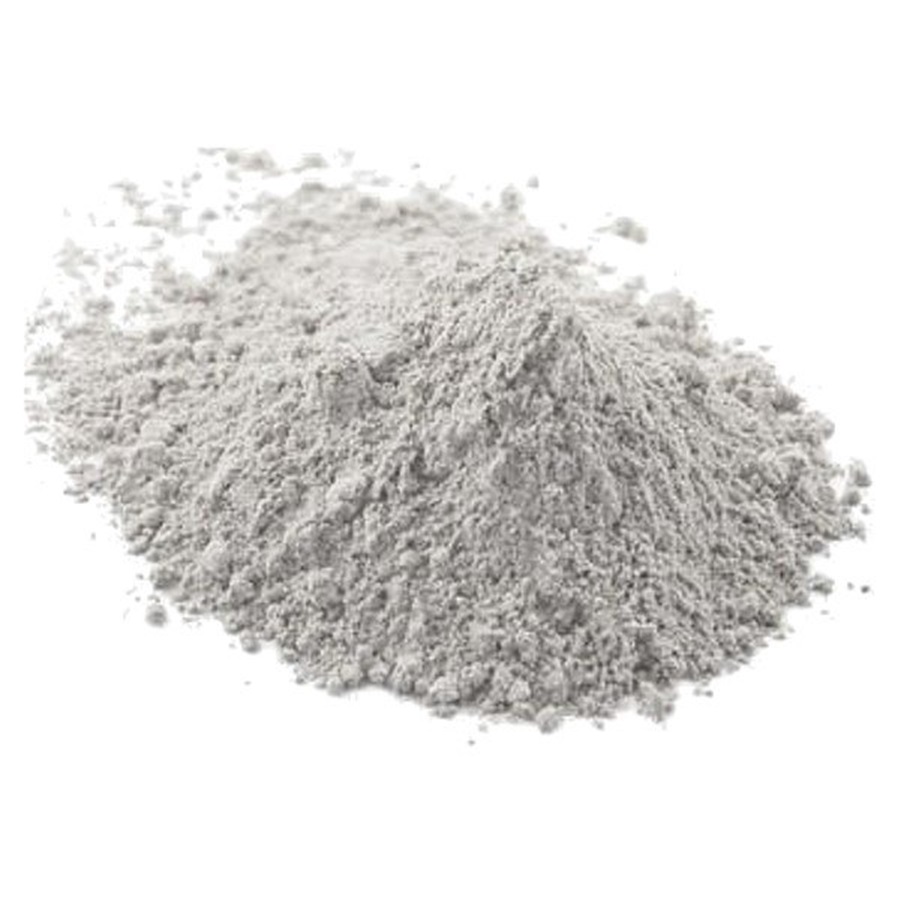
| Appearance | White amorphous powder or crystalline solid |
| Odor | Odorless |
| Taste | Tasteless |
Aluminum hydroxide is an inorganic compound with the chemical formula Al(OH)₃. It is an amphoteric substance, meaning it can exhibit both basic and acidic properties. In nature, it occurs as the mineral gibbsite, which has monoclinic crystals. Aluminum hydroxide is a white, odorless, tasteless powder that is insoluble in water but soluble in acids and alkalis. It is a widely available, corrosion-resistant, lightweight material with a high melting point, good flame retardant properties, and the ability to release hydration water at high temperatures. The vast majority of commercially used aluminum hydroxide is produced by the Bayer process, which involves dissolving bauxite in sodium hydroxide at temperatures up to 270°C (518°F). The waste solid (bauxite residue) is removed, and aluminum hydroxide is precipitated from the remaining sodium aluminate solution. Aluminum hydroxide is widely used as an additive in electronic and polymeric applications, as a flame retardant filler, as an antacid in pharmaceutical preparations, and in various industrial applications.
2. PHYSICAL AND CHEMICAL PROPERTIES
| Property | Value |
|---|---|
| Molecular Formula | Al(OH)₃ |
| Molecular Weight | 78.00 g/mol |
| Appearance | White amorphous powder or crystalline solid |
| Odor | Odorless |
| Taste | Tasteless |
| Density | 2.42 g/cm³ |
| Melting Point | ~300°C (decomposes to Al₂O₃ and H₂O) |
| Decomposition Temperature | ~180-200°C (loss of water) |
| Water Solubility | Insoluble (~0.0001 g/100 mL) |
| Solubility in Acids | Soluble |
| Solubility in Alkalis | Soluble |
| pH (100 g/L in H₂O, 20°C) | 8-9 |
| Purity (Al(OH)₃) | ≥ 99.9% (typical) |
| Loss on Ignition | ~34-35% (as H₂O) |
| Specific Surface Area | 2-50 m²/g (varies by grade) |
| Particle Size | 1-100 µm (varies by grade) |
| Refractive Index | ~1.57 |
| Thermal Conductivity | ~0.2 W/(m·K) |
| Electrical Resistivity | High (insulating) |
| Mohs Hardness | 2.5-3.5 |
Aluminum hydroxide is a white amorphous powder or crystalline solid that is odorless and tasteless. It has a density of 2.42 g/cm³ and decomposes at approximately 300°C to form aluminum oxide (Al₂O₃) and water. Water loss begins at 180-200°C, which is the basis for its flame retardant properties. It is practically insoluble in water (0.0001 g/100 mL) but soluble in both acids and alkalis due to its amphoteric nature. The pH of a 100 g/L suspension in water is 8-9 at 20°C. The purity of commercial grades is typically ≥ 99.9% Al(OH)₃. Loss on ignition is approximately 34-35% (as water). Specific surface area ranges from 2-50 m²/g depending on the grade, and particle size ranges from 1-100 µm. The refractive index is approximately 1.57. It has a high electrical resistivity, making it a good insulating material. The Mohs hardness is 2.5-3.5.
3. CHEMICAL PROPERTIES AND REACTIONS
Aluminum hydroxide is an amphoteric compound, which means it can react as both a base and an acid. This unique property makes it versatile in various chemical applications.
Reaction with Acids (Basic Behavior):
As a base, aluminum hydroxide neutralizes acids to form aluminum salts and water:
Al(OH)₃ + 3 HCl → AlCl₃ + 3 H₂O (aluminum chloride)
Al(OH)₃ + 3 HNO₃ → Al(NO₃)₃ + 3 H₂O (aluminum nitrate)
2 Al(OH)₃ + 3 H₂SO₄ → Al₂(SO₄)₃ + 6 H₂O (aluminum sulfate)
Reaction with Alkalis (Acidic Behavior):
As an acid, aluminum hydroxide reacts with strong bases to form aluminates:
Al(OH)₃ + NaOH → NaAlO₂ + 2 H₂O (sodium aluminate)
Al(OH)₃ + KOH → KAlO₂ + 2 H₂O (potassium aluminate)
Thermal Decomposition:
Heating aluminum hydroxide causes it to decompose to aluminum oxide and water:
2 Al(OH)₃ → Al₂O₃ + 3 H₂O (at ~300°C)
This endothermic reaction absorbs heat and releases water vapor, which contributes to its flame retardant properties.
Reaction with Carbonates:
Aluminum hydroxide can react with carbonates under certain conditions to form basic aluminum carbonates.
Amphoteric Dissolution:
Aluminum hydroxide dissolves in both strong acids and strong bases, demonstrating its amphoteric nature:
-
In acids: Al(OH)₃ + 3H⁺ → Al³⁺ + 3H₂O
-
In bases: Al(OH)₃ + OH⁻ → Al(OH)₄⁻ (aluminate ion)
Flame Retardant Mechanism:
When heated, aluminum hydroxide decomposes endothermically:
2 Al(OH)₃ → Al₂O₃ + 3 H₂O (absorbs heat, releases water vapor)
This reaction:
-
Absorbs heat (cooling effect)
-
Releases water vapor (dilutes flammable gases)
-
Forms an aluminum oxide char layer (protective barrier)
4. PRODUCTION METHODS
The vast majority of commercially used aluminum hydroxide is produced by the Bayer process from bauxite ore.
| Method | Raw Materials | Process Description |
|---|---|---|
| Bayer Process (Most Common) | Bauxite (Al₂O₃·xH₂O), Sodium Hydroxide (NaOH) | Bauxite is digested in sodium hydroxide at 150-270°C under pressure. The aluminum oxide dissolves as sodium aluminate. The insoluble impurities (bauxite residue/red mud) are removed. Aluminum hydroxide is precipitated from the sodium aluminate solution by cooling and seeding. The precipitate is washed, filtered, and dried. |
| Aluminum Salt Hydrolysis | Aluminum chloride (AlCl₃), Water | Aluminum chloride is hydrolyzed in water to form aluminum hydroxide and hydrochloric acid. This method is less common. |
| Sodium Aluminate Hydrolysis | Sodium aluminate (NaAlO₂), Carbon Dioxide (CO₂) | Sodium aluminate solution is treated with carbon dioxide to precipitate aluminum hydroxide. This method is used for producing high-purity grades. |
Detailed Production Process (Bayer Process - Most Common):
-
Digestion: Bauxite ore (crushed and ground) is mixed with concentrated sodium hydroxide solution and heated to 150-270°C under pressure (3-5 atm). The aluminum oxide in the bauxite dissolves as sodium aluminate:
Al₂O₃·xH₂O + 2 NaOH → 2 NaAlO₂ + (x+1) H₂O
-
Clarification: The insoluble impurities (bauxite residue/red mud, containing iron oxides, silica, and titanium oxides) are removed by settling and filtration.
-
Precipitation: The clarified sodium aluminate solution is cooled and seeded with fine aluminum hydroxide crystals. This causes aluminum hydroxide to precipitate:
NaAlO₂ + 2 H₂O → Al(OH)₃↓ + NaOH
-
Washing: The precipitated aluminum hydroxide is washed to remove residual sodium hydroxide and impurities.
-
Filtration: The washed aluminum hydroxide is filtered to remove excess water.
-
Drying: The filter cake is dried to achieve the desired moisture content.
-
Milling and Classification: The dried product is milled and classified to achieve the desired particle size distribution for specific applications.
-
Packaging: The final product is packaged in 25 kg bags, big bags, or bulk containers.
5. APPLICATIONS AND INDUSTRIAL USES
Aluminum hydroxide is a versatile compound with a wide range of applications across various industries due to its flame retardant properties, amphoteric nature, availability, low cost, and non-toxicity.
5.1. Flame Retardant (Most Important Application)
| Application | Description |
|---|---|
| Polymer Flame Retardant | Used as a flame retardant filler in plastics, rubbers, and other polymers. Decomposes endothermically, releasing water vapor and absorbing heat, thus inhibiting combustion. |
| Wire and Cable | Used as a flame retardant filler in wire and cable insulation and jacketing. |
| Electrical and Electronic Components | Used in electrical and electronic components where flame retardancy and electrical insulation are required. |
| Building Materials | Used in construction materials, including wall panels, roofing, and insulation materials. |
| Textiles | Used as a flame retardant coating for textiles and fabrics. |
| Paints and Coatings | Used as a flame retardant additive in paints, coatings, and varnishes. |
Aluminum hydroxide is one of the most widely used flame retardant additives in the world. Its flame retardant mechanism is based on the endothermic decomposition that releases water vapor, which dilutes combustible gases and cools the material. The aluminum oxide residue also forms a protective char layer on the material surface, insulating it from further heat. It is preferred because it is colorless (like most polymers), inexpensive, non-toxic, and provides good flame retardant properties. Typical loading levels in polymers range from 30-60% by weight.
5.2. Plastics and Polymer Additives
| Application | Description |
|---|---|
| Filler Material | Used as a filler to improve mechanical properties, reduce cost, and modify surface properties of polymers. |
| PVC Processing | Used as a filler and stabilizer in PVC formulations. |
| Epoxy Resin Filler | Used as a filler in epoxy resin systems to improve thermal stability and mechanical properties. |
| Polyolefin Composites | Used in polyolefin (PE, PP) composites for improved fire resistance. |
| Masterbatch Carrier | Used as a carrier in masterbatch formulations. |
Aluminum hydroxide is widely used as a filler in plastics and polymer composites. It improves mechanical properties, reduces cost, and modifies surface properties. It is particularly important in PVC processing, epoxy resins, and polyolefin composites.
5.3. Pharmaceutical and Medical Applications
| Application | Description |
|---|---|
| Antacid | Used as an antacid to neutralize stomach acid in the treatment of heartburn, acid indigestion, gastric ulcers, and gastroesophageal reflux disease (GERD). |
| Phosphate Binder | Used as a phosphate binder to reduce phosphate absorption in patients with chronic kidney disease. |
| Vaccine Adjuvant | Used as an adjuvant (immunologic adjuvant) in some vaccines to enhance the immune response. |
| Dental Materials | Used as a filler in dental materials and toothpastes. |
| Topical Preparations | Used in topical preparations for burns and skin conditions. |
Aluminum hydroxide is widely used as an antacid in over-the-counter and prescription medications. It neutralizes stomach acid without raising the gastric pH above 7, thus not triggering excessive acid secretion (like sodium bicarbonate can). It is also used as a phosphate binder in patients with chronic kidney disease. As an aluminum-based adjuvant, it is used in some vaccines to enhance the immune response.
5.4. Cosmetics and Personal Care Products
| Application | Description |
|---|---|
| Toothpaste | Used as a filler and mild abrasive in toothpaste formulations. |
| Skin Care Products | Used in creams and lotions for its soothing and protective properties. |
| Antiperspirants | Used as an ingredient in some antiperspirant formulations (though aluminum chlorohydrate is more common). |
| Makeup Products | Used as a filler and bulking agent in powders, foundations, and other makeup products. |
Aluminum hydroxide is used in toothpaste as a mild abrasive and filler. It is also used in various cosmetic and personal care products for its soothing and protective properties.
5.5. Industrial and Chemical Applications
| Application | Description |
|---|---|
| Glass Additive | Used as a glass additive to improve chemical durability and reduce melting temperature. |
| Paper Coating | Used as a coating pigment and filler in paper production. |
| Ceramics | Used as a raw material in ceramic manufacturing. |
| Catalyst Support | Used as a support material for various catalysts (often after calcination to alumina). |
| Water Treatment | Used as a coagulant/flocculant in water and wastewater treatment (as aluminum sulfate or polyaluminum chloride). |
| Paint and Pigment | Used as a filler and extender in paints, coatings, and pigment formulations. |
| Rubber Industry | Used as a reinforcing filler and flame retardant in rubber compounds. |
| Textile Industry | Used as a mordant in textile dyeing and finishing. |
| Construction | Used in construction materials and cement formulations. |
Aluminum hydroxide has numerous industrial and chemical applications. It is used as a glass additive, paper coating pigment, ceramic raw material, catalyst support, and in water treatment. It is also used in paints, coatings, rubber compounds, textiles, and construction materials.
6. PHARMACEUTICAL APPLICATIONS (ANTACID USE)
| Parameter | Information |
|---|---|
| Drug Class | Antacid |
| Mechanism of Action | Neutralizes gastric acid by reacting with hydrochloric acid in the stomach: Al(OH)₃ + 3 HCl → AlCl₃ + 3 H₂O |
| Indications | Heartburn, acid indigestion, gastric ulcers, gastroesophageal reflux disease (GERD) |
| Onset of Action | Rapid (within 1-2 minutes) |
| Duration of Action | 30-60 minutes (longer when taken with food) |
| Dosage Forms | Tablets, capsules, chewable tablets, liquids (suspensions), powders |
| Common Combinations | Combined with magnesium hydroxide (to offset constipation) and simethicone (anti-gas) |
| Contraindications | Hypersensitivity to aluminum, severe renal impairment (risk of aluminum accumulation) |
| Side Effects | Constipation (common), aluminum accumulation (in renal impairment), phosphate depletion (with prolonged use) |
| Pediatric Use | Generally safe in appropriate doses; consult physician |
| Pregnancy | Category C; generally considered safe in short-term use |
Aluminum hydroxide is a widely used antacid in the management and treatment of acid indigestion, heartburn, gastric ulcers, and GERD. As an antacid, it works by neutralizing gastric acid through a simple acid-base reaction:
Al(OH)₃ + 3 HCl → AlCl₃ + 3 H₂O
The onset of action is rapid (within 1-2 minutes), and the duration of action is 30-60 minutes (longer when taken with food). Aluminum hydroxide is preferred over sodium bicarbonate because it does not raise gastric pH above 7, thus not triggering excessive acid secretion (acid rebound). It is available in various dosage forms, including tablets, capsules, chewable tablets, liquids, and powders. It is often combined with magnesium hydroxide (to offset the constipating effect of aluminum) and simethicone (for anti-gas effect). Common brand names include Maalox, Mylanta, and Gaviscon (often in combination with other ingredients).
7. FLAME RETARDANT MECHANISM
| Parameter | Information |
|---|---|
| Decomposition Temperature | ~180-200°C (onset of water loss) |
| Endothermic Decomposition | 2 Al(OH)₃ → Al₂O₃ + 3 H₂O (absorbs ~1.0-1.3 kJ/g) |
| Water Released | ~34-35% by weight |
| Cooling Effect | Absorbs heat, reducing temperature |
| Dilution Effect | Water vapor dilutes combustible gases |
| Char Formation | Aluminum oxide forms a protective char layer |
| Smoke Suppression | Reduces smoke generation during combustion |
The flame retardant mechanism of aluminum hydroxide is based on three synergistic effects:
-
Cooling Effect: The decomposition of aluminum hydroxide is endothermic (absorbs ~1.0-1.3 kJ/g). This absorbs heat from the combustion zone, reducing the temperature and slowing the rate of pyrolysis and combustion.
-
Dilution Effect: The decomposition releases approximately 34-35% by weight of water vapor. This water vapor dilutes the combustible gases in the gas phase, reducing their concentration and slowing the combustion reaction.
-
Barrier Effect: The remaining aluminum oxide (Al₂O₃) forms a protective char layer on the material surface. This layer acts as a thermal barrier, insulating the material from further heat and reducing the transfer of flammable gases.
These mechanisms make aluminum hydroxide one of the most effective and widely used flame retardant additives in the world.
8. SAFETY AND HEALTH INFORMATION
Aluminum hydroxide is generally considered to be of low toxicity and is widely used in food, cosmetics, and pharmaceutical applications. However, dust inhalation and prolonged high-dose ingestion should be avoided.
8.1. Toxicological Data
| Parameter | Value |
|---|---|
| Oral LD50 (Rat) | > 5,000 mg/kg (low toxicity) |
| Dermal LD50 (Rabbit) | > 2,000 mg/kg |
| Skin Irritation | Non-irritant |
| Eye Irritation | Mild irritant |
| Skin Sensitization | Not a sensitizer |
| Mutagenicity | Negative |
| Carcinogenicity | Not classified |
| Reproductive Toxicity | Not classified |
8.2. Health Effects
| Exposure | Effect |
|---|---|
| Inhalation (Dust) | May cause mild respiratory irritation; long-term inhalation may cause pulmonary effects |
| Skin Contact | Non-irritant |
| Eye Contact | Mechanical irritation; flush with water |
| Ingestion | Low toxicity; large amounts may cause gastrointestinal discomfort; prolonged high-dose ingestion may cause phosphate depletion and aluminum accumulation |
Special Precautions:
-
Phosphate Depletion: Prolonged use as an antacid may lead to phosphate depletion (hypophosphatemia) due to the formation of insoluble aluminum phosphate in the gastrointestinal tract.
-
Aluminum Accumulation: In patients with renal impairment, aluminum can accumulate, leading to aluminum toxicity (osteomalacia, encephalopathy, and anemia).
-
Dust Inhalation: Chronic inhalation of aluminum hydroxide dust may cause pulmonary effects; use appropriate respiratory protection during handling.
9. FIRST AID MEASURES
| Exposure Route | Action |
|---|---|
| Inhalation | Move person to fresh air. If symptoms persist, seek medical attention. |
| Skin Contact | Wash with plenty of soap and water. Remove contaminated clothing. |
| Eye Contact | Rinse immediately with plenty of water for at least 15 minutes. Remove contact lenses if present. If irritation persists, seek medical attention. |
| Ingestion | Rinse mouth. Drink plenty of water. Seek medical attention if large amounts are swallowed or if symptoms develop. |
10. SAFETY INFORMATION (GHS CLASSIFICATION)
Aluminum hydroxide is not classified as a hazardous substance under GHS. However, fine powder may cause respiratory irritation.
| Hazard Class | Category |
|---|---|
| Skin Irritation | Category 3 (mild irritation) |
| Eye Irritation | Category 2B (mild irritation) |
| Specific Target Organ Toxicity - Single Exposure | Category 3 (respiratory irritation) |
Signal Word: WARNING
Hazard Statements (H-Codes):
| Code | Statement |
|---|---|
| H315 | Causes skin irritation (mild) |
| H319 | Causes serious eye irritation (mild) |
| H335 | May cause respiratory irritation (dust) |
Precautionary Statements (P-Codes):
| Code | Statement |
|---|---|
| P261 | Avoid breathing dust |
| P271 | Use only outdoors or in a well-ventilated area |
| P280 | Wear protective gloves, protective clothing, eye/face protection |
| P302+P352 | IF ON SKIN: Wash with plenty of soap and water |
| P304+P340 | IF INHALED: Remove person to fresh air and keep comfortable for breathing |
| P305+P351+P338 | IF IN EYES: Rinse cautiously with water for several minutes. Remove contact lenses if present and easy to do. Continue rinsing |
| P332+P313 | If skin irritation occurs: Get medical attention |
| P337+P313 | If eye irritation persists: Get medical attention |
| P403+P233 | Store in a well-ventilated place. Keep container tightly closed |
| P501 | Dispose of contents/container in accordance with local/regional/national/international regulations |
11. FIREFIGHTING MEASURES
| Parameter | Information |
|---|---|
| Fire Hazard | Not flammable (flame retardant) |
| Extinguishing Media | Water spray, CO₂, dry chemical powder, foam (not usually required) |
| Special Hazards | Thermal decomposition produces water vapor and aluminum oxide |
| Protective Equipment | Self-contained breathing apparatus (SCBA), full protective clothing (for dust) |
12. ACCIDENTAL RELEASE MEASURES
| Parameter | Information |
|---|---|
| Personal Protection | Wear appropriate PPE (dust mask, goggles, protective clothing, gloves) |
| Ventilation | Increase ventilation |
| Containment | Contain powder to prevent spread |
| Cleaning Methods | Vacuum or sweep carefully to avoid dust generation; use wet methods to suppress dust |
| Environmental Precautions | Prevent entry into drains, sewers, and water bodies |
| Waste Disposal | Dispose of according to local, state, and federal regulations |
13. STORAGE AND HANDLING
| Parameter | Information |
|---|---|
| Storage Conditions | Cool, dry, well-ventilated area; protect from moisture |
| Container Requirements | Tightly closed containers (bags, drums, FIBCs, bulk containers) |
| Materials to Avoid | Strong acids, strong bases, moisture (may cause caking) |
| Shelf Life | 12-24 months (unopened, under proper storage) |
| Hygroscopicity | Slightly hygroscopic (absorbs moisture from air, may cause caking) |
| Packaging Options | 25 kg bags (standard), 500-1000 kg FIBCs, bulk containers |
Aluminum hydroxide should be stored in cool, dry, well-ventilated areas in tightly closed containers. It is slightly hygroscopic and may absorb moisture from the air, which can cause caking. It should be protected from moisture. Contact with strong acids and strong bases should be avoided. Proper grounding should be used if static electricity accumulation is a concern.
Handling Notes:
-
Avoid dust generation (use enclosed systems, local exhaust ventilation)
-
Avoid contact with eyes (use protective goggles)
-
Avoid breathing dust (use dust mask or respirator)
-
Keep away from moisture (may cause caking)
-
Use in well-ventilated areas
14. TRANSPORT INFORMATION
| Parameter | Information |
|---|---|
| UN Number | Not applicable (not classified as dangerous good) |
| Hazard Class | Not a dangerous good |
| Packing Group | Not applicable |
| Proper Shipping Name | Aluminum Hydroxide |
| Marine Pollutant | No |
| ADR/RID Label | Not applicable |
Aluminum hydroxide is not classified as a dangerous good for transport. It is shipped in 25 kg bags, FIBCs, or bulk containers. During transport, protect from moisture, impact, and excessive heat.
15. REGULATORY INFORMATION
| Region | Status |
|---|---|
| EU | REACH registered |
| Turkey (KKDİK) | Mandatory compliance; requires registration |
| USA (TSCA) | Listed |
| Canada (DSL) | Listed |
| Australia (AICS) | Listed |
| Japan (ENCS) | Listed |
| Korea (KECL) | Listed |
| China (IECSC) | Listed |
Regulatory Status:
| Status | Information |
|---|---|
| FDA Compliance | Approved for use as antacid (OTC), food additive, and in food contact materials |
| EU Compliance | REACH registered; approved as food additive (E 541) |
| IARC Classification | Not classified |
| HS Code | 28183000 |
| RTECS | BD0950000 |
| WGK Germany | 0 (no hazard to water) |
| TSCA | Yes |
| EINECS | 244-492-7 |
16. OTHER NAMES AND DATABASE IDENTIFIERS
| Category | Names / Identifiers |
|---|---|
| Chemical Names | Aluminum Hydroxide, Alumina Trihydrate, Aluminium(III) Hydroxide |
| Synonyms | Hydrated Alumina, Aluminum Hydrate, Gibbsite (mineral form) |
| Pharmaceutical Names | Algeldrat (generic name for antacid) |
| Trade Names | Various (depending on grade and manufacturer) |
Database Identifiers:
| Database | Identifier |
|---|---|
| CAS | 21645-51-2 |
| EC (EINECS) | 244-492-7 |
| MDL | MFCD00003420 |
| PubChem CID | 10176082 |
| RTECS | BD0950000 |
| UN | Not applicable |
| HS Code | 28183000 |
| Merck | 14, 298 |
17. ENVIRONMENTAL INFORMATION
| Parameter | Information |
|---|---|
| Aquatic Toxicity | Low toxicity |
| Biodegradability | Not applicable (inorganic) |
| Bioaccumulation | Low potential |
| Mobility in Soil | Low (insoluble in water) |
| Environmental Fate | Not environmentally persistent; may affect soil pH in large quantities |
| Waste Disposal | Dispose of according to local regulations; landfill or recovery recommended |
Aluminum hydroxide has low toxicity to aquatic organisms. It is an inorganic compound and does not biodegrade. It has low bioaccumulation potential and low mobility in soil (insoluble in water). In large quantities, it may affect soil pH. Waste disposal should be carried out according to local, state, and federal regulations. Landfill or recovery is recommended.
18. APPLICATION SUMMARY TABLE
| Industry | Application | Function |
|---|---|---|
| Plastics and Polymers | Flame retardant filler | Endothermic decomposition, fire resistance |
| Electrical/Electronics | Insulation, flame retardant | Electrical insulation, fire resistance |
| Pharmaceutical | Antacid | Neutralizes stomach acid |
| Cosmetics | Toothpaste, skin care products | Abrasive, filler, soothing agent |
| Construction | Flame retardant materials | Fire resistance |
| Glass and Ceramics | Glass additive, raw material | Improves durability, reduces melting temperature |
| Paper | Coating pigment, filler | Improves brightness, opacity, printability |
| Water Treatment | Coagulant/flocculant | Removes suspended solids |
| Paints and Coatings | Filler, flame retardant | Improves properties, fire resistance |
| Rubber | Reinforcing filler, flame retardant | Improves properties, fire resistance |
19. PHYSICAL FORMS
| Form | Particle Size | Description | Applications |
|---|---|---|---|
| Powder | 1-100 µm | White fine powder | Plastics, rubber, flame retardants, pharmaceuticals |
| Granular | 100-1000 µm | Free-flowing granules | Polymer compounding, filler applications |
| Wet Cake | N/A | Filter cake (40-60% solids) | Chemical processing, catalyst production |
| Paste | N/A | Thick paste | Toothpaste, antacid formulations |
20. SUMMARY AND CRITICAL WARNINGS
SUMMARY:
Aluminum hydroxide (Al(OH)₃, CAS 21645-51-2) is an inorganic, amphoteric compound (can act as both a base and an acid). It is a white, odorless, tasteless powder that is insoluble in water but soluble in both acids and alkalis. The molecular weight is 78.00 g/mol, density is 2.42 g/cm³, and it decomposes at approximately 300°C to form aluminum oxide and water. It is produced primarily by the Bayer process from bauxite. Its most important applications include: flame retardant filler in plastics and polymers (the largest application), antacid in pharmaceutical preparations, filler in cosmetics and toothpaste, and various industrial applications in glass, paper, ceramics, and water treatment. As a flame retardant, it decomposes endothermically, releasing water vapor and absorbing heat, thus inhibiting combustion. As an antacid, it neutralizes stomach acid without causing acid rebound. It has low toxicity and is not classified as a hazardous substance under GHS. It is stored in cool, dry, well-ventilated areas, protected from moisture. Packaging: 25 kg bags, FIBCs, or bulk containers.
Key Properties:
| Property | Value |
|---|---|
| Appearance | White amorphous powder or crystalline solid |
| Chemical Formula | Al(OH)₃ |
| Molecular Weight | 78.00 g/mol |
| CAS Number | 21645-51-2 |
| Density | 2.42 g/cm³ |
| Melting Point | ~300°C (decomposes) |
| Water Solubility | Insoluble |
| pH (100 g/L in H₂O) | 8-9 |
| Primary Use | Flame retardant, antacid, filler |
Major Application Areas:
| Industry | Applications |
|---|---|
| Plastics and Polymers | Flame retardant filler in plastics, rubber, wire/cable |
| Pharmaceutical | Antacid for heartburn, indigestion, ulcers |
| Cosmetics | Toothpaste filler, skin care products |
| Electrical/Electronics | Insulation, flame retardant |
| Construction | Flame retardant materials |
| Glass and Ceramics | Glass additive, raw material |
| Paper | Coating pigment, filler |
| Water Treatment | Coagulant/flocculant |
Key Safety Points:
-
LOW TOXICITY: Widely used in food, pharmaceutical, and cosmetic applications
-
SLIGHTLY HYGROSCOPIC: Protect from moisture; may cake if exposed to humidity
-
MILD IRRITANT: May cause mild eye irritation; dust may cause respiratory irritation
-
STORAGE: Store in cool, dry, well-ventilated area, protected from moisture
-
PPE RECOMMENDED: Dust mask, safety goggles, protective gloves (for handling powder)
-
PHOSPHATE DEPLETION: Prolonged antacid use may cause phosphate depletion
-
RENAL IMPAIRMENT: Use with caution in patients with renal impairment
CRITICAL WARNINGS:
Flame Retardant Properties: Aluminum hydroxide is one of the most widely used flame retardant additives in the world. Its flame retardant mechanism is based on an endothermic decomposition reaction that releases water vapor (diluting combustible gases) and leaves an aluminum oxide char layer (providing a thermal barrier). It is preferred because it is colorless (like most polymers), inexpensive, non-toxic, and provides good flame retardant properties. Typical loading levels in polymers range from 30-60% by weight.
Amphoteric Nature: Aluminum hydroxide is amphoteric, meaning it can react with both acids and bases. This property is the basis for its use as an antacid (reacts with gastric acid) and its solubility in both acids and alkalis. In acid: Al(OH)₃ + 3H⁺ → Al³⁺ + 3H₂O. In base: Al(OH)₃ + OH⁻ → Al(OH)₄⁻.
Antacid Use: Aluminum hydroxide is widely used as an antacid in the treatment of heartburn, acid indigestion, and gastric ulcers. It works by neutralizing stomach acid without raising the gastric pH above 7, thus avoiding acid rebound (a problem with sodium bicarbonate). However, prolonged use can lead to phosphate depletion (due to formation of insoluble aluminum phosphate) and, in patients with renal impairment, aluminum accumulation and toxicity (osteomalacia, encephalopathy, and anemia).
Phosphate Binder: Aluminum hydroxide is used as a phosphate binder in patients with chronic kidney disease to reduce phosphate absorption. It forms insoluble aluminum phosphate in the gastrointestinal tract, reducing phosphate uptake and lowering serum phosphate levels.
Vaccine Adjuvant: Aluminum hydroxide is used as an immunologic adjuvant in some vaccines to enhance the immune response to the vaccine antigen. It is one of the most common adjuvants in use today.
Dust Precautions: Although aluminum hydroxide has low toxicity, dust inhalation should be minimized. Chronic inhalation of aluminum hydroxide dust may cause pulmonary effects. Use appropriate respiratory protection during handling. Avoid dust generation; use local exhaust ventilation.
Phosphate Depletion Warning: Prolonged use of aluminum hydroxide as an antacid can lead to phosphate depletion (hypophosphatemia) due to the formation of insoluble aluminum phosphate in the gastrointestinal tract. Symptoms of phosphate depletion include weakness, bone pain, and osteomalacia. Patients on long-term therapy should have their phosphate levels monitored.
Renal Impairment Warning: In patients with renal impairment, aluminum hydroxide can lead to aluminum accumulation and toxicity (osteomalacia, encephalopathy, and anemia). Use with caution in patients with renal impairment, and monitor aluminum levels.
Important Disclaimer: This Technical Data Sheet (TDS) is for informational purposes only. The information provided is based on available data and is believed to be accurate. However, the user is solely responsible for determining the suitability of the product for their specific application and for complying with all applicable regulations and safety requirements. For complete safety, handling, storage, and regulatory compliance information, always refer to the official Safety Data Sheet (SDS/MSDS) provided by the manufacturer/supplier. Users are responsible for testing the product in their own processes and applications. All local, national, and international regulations must be followed when working with aluminum hydroxide.