We unleash your business potential by maximize the business innovation.
Send EmailTea Tree Oil, 85085-48-9, 8022-72-8, 68647-73-42
Tea Tree Oil
1. Product Identity
| Property | Details |
|---|---|
| Product Name | Tea Tree Oil |
| CAS Numbers | 85085-48-9, 8022-72-8, 68647-73-4 |
| Botanical Source | Melaleuca alternifolia (Tea tree) |
| Plant Family | Myrtaceae |
| Extraction Method | Steam distillation (from leaves) |
| Origin | Australia (coastal regions) |
2. Product Description
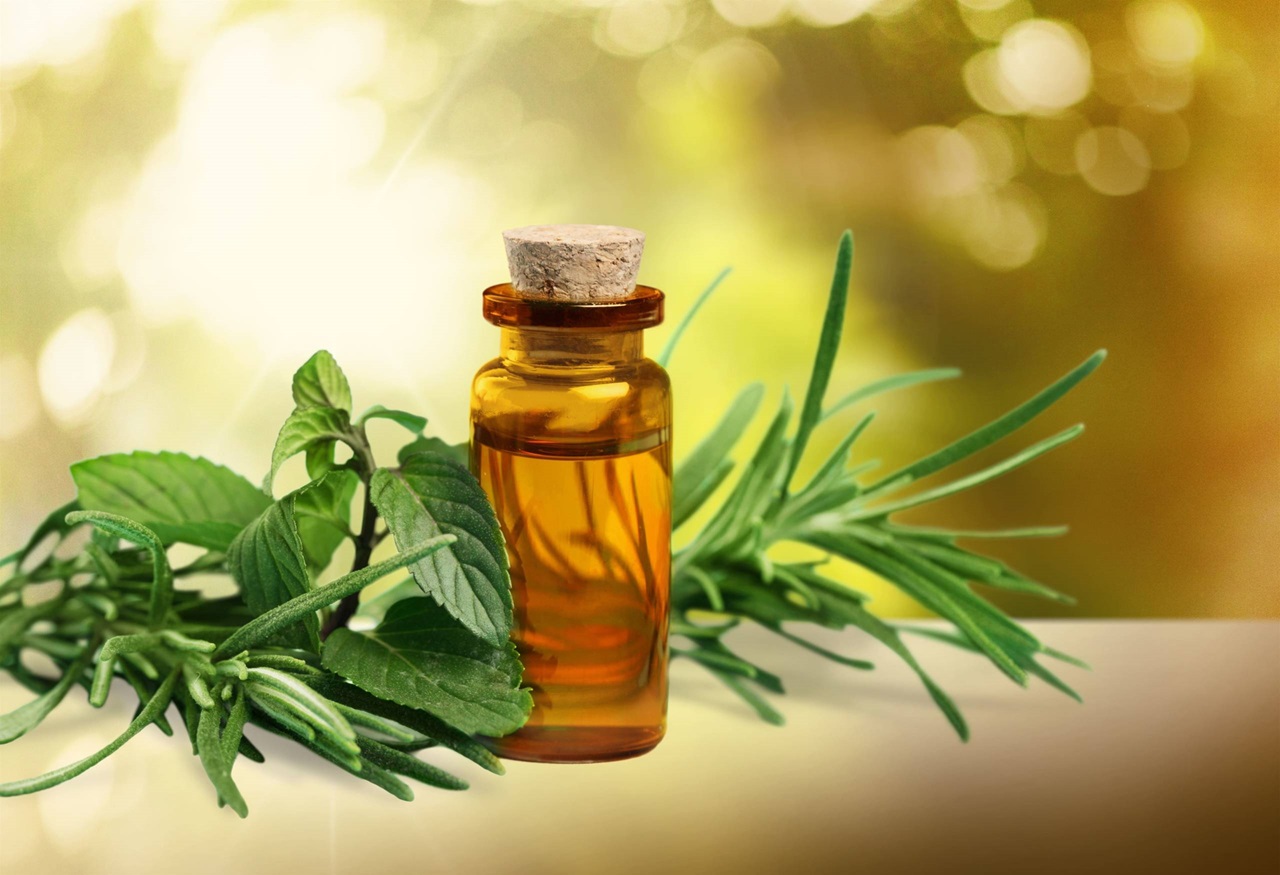
Tea tree oil is a concentrated essential oil obtained by steam distillation from the leaves of the Melaleuca alternifolia tree, which grows in the coastal regions of Australia. This tree, belonging to the Myrtaceae family, produces an oil that has been used as a herbal medicine for topical application.
Historical Background:
-
1920s: Australian doctors began using the oil to clean wounds and prevent post-surgical infections. It was considered more effective than carbolic acid, a commonly used antiseptic at that time.
-
World War II: Tea tree oil was included in the first aid kits distributed to Australian soldiers and sailors.
3. Chemical Composition
Tea tree oil contains various terpinen compounds. Its typical composition is as follows:
| Component | Percentage |
|---|---|
| Terpinen-4-ol | 45% |
| Gamma-terpinene | 18% |
| 1.8-cineole | Small amounts |
| Alpha-terpineol | Small amounts |
| Alpha-pinene | Small amounts |
| Limonene | Small amounts |
| p-cymene | Small amounts |
4. Therapeutic Properties
| Property | Description |
|---|---|
| Antibacterial | Effective against bacteria |
| Antiviral | Effective against viruses |
| Anti-inflammatory | Reduces inflammation |
| Antifungal | Prevents fungal growth |
| Antiseptic | Kills microorganisms |
5. Applications and Benefits
5.1. Skin Health
| Application | Benefit |
|---|---|
| Acne Treatment | Kills acne-causing bacteria, reduces inflammation |
| Wart Treatment | Helps eliminate viral warts |
| Wound Cleaning | Cleans wounds, reduces infection risk |
| Inflammations | Reduces skin inflammations |
| Skin Infections | Effective against bacterial and fungal skin infections |
5.2. Hair and Scalp Health
| Application | Benefit |
|---|---|
| Dandruff Treatment | Kills dandruff-causing fungi, reduces itching and flaking |
| Hair Loss | Effective in hair loss caused by clogged follicles and dandruff |
| Scalp Cleansing | Cleanses scalp from fungi and bacteria, promotes healthy hair growth |
Scientific Evidence: The Journal of Family Practice (April 2003) documented that tea tree oil shampoo reduced itching, flaking, and oiliness in people with dandruff.
5.3. Oral and Dental Health
| Application | Benefit |
|---|---|
| Gingivitis | Improves gum bleeding and inflammation |
| Plaque | No direct effect on plaque formation |
Scientific Evidence: Australian Dental Journal (June 2004) reported that tea tree oil gel significantly improved gum bleeding and inflammation.
5.4. Fungal Infections
| Application | Benefit |
|---|---|
| Fungal Infections | Effective against various fungal infections |
| Thrush | Helps with oral fungal infections |
| Athlete's Foot | Effective in fungal infections like athlete's foot |
5.5. Parasite Treatment
| Application | Benefit |
|---|---|
| Head Lice | Effective in treating head lice |
6. Scientific Research and Evidence
| Study | Publication | Findings |
|---|---|---|
| MRSA and Staphylococcus | Journal of Medical Microbiology (October 2006) | Tea tree oil inhibited MRSA and some staphylococcus species in test tubes |
| Impetigo | Journal of Antimicrobial Chemotherapy (February 2003) | Positive results against impetigo in clinical trials |
| Acne | - | Confirmed to have similar results to conventional treatments |
| MRSA Treatment | - | Showed similar results to conventional treatments in methicillin-resistant Staphylococcus aureus infections |
National Center for Complementary and Alternative Medicine (NCCAM) Statement:
Tea tree oil is used externally in the treatment of bacterial and fungal infections and has been reported to be beneficial for wounds infected by certain organisms, including methicillin-resistant Staphylococcus aureus (MRSA).
7. Methods of Use
| Application | Method |
|---|---|
| Topical (Skin) | Applied directly to skin after dilution |
| Shampoo | Added to shampoos for dandruff treatment |
| Gel | In oral gel formulations for gingivitis |
| External Use | Applied to wounds, cuts, and infected areas |
8. Safety and Precautions
| Warning | Description |
|---|---|
| External Use Only | Should only be used externally, not ingested |
| Dilution | Should not be applied to skin undiluted; must be diluted with appropriate carrier oils |
| Allergy Test | Test on a small skin area before first use |
| Eye Contact | Avoid contact with eyes |
| Pregnancy | Pregnant and breastfeeding women should consult a doctor before use |
9. Summary
Tea Tree Oil (CAS: 85085-48-9, 8022-72-8, 68647-73-4) is a valuable essential oil obtained by steam distillation from the leaves of the Melaleuca alternifolia tree, native to Australia. Its main active component is terpinen-4-ol, present at 45%.
Key Properties:
-
Antibacterial, antiviral, anti-inflammatory, antifungal, and antiseptic properties
-
Broad-spectrum antimicrobial effect
-
Versatile benefits for skin and hair health
Main Application Areas:
-
Skin conditions: acne, warts, wounds, inflammations
-
Hair and scalp problems: dandruff, hair loss
-
Fungal infections and thrush
-
Head lice treatment
-
Gingivitis
Scientific Support:
Numerous scientific studies have demonstrated the effectiveness of tea tree oil against MRSA, Staphylococcus, acne, dandruff, and gingivitis. It has been confirmed to show similar efficacy to conventional treatments, particularly in methicillin-resistant Staphylococcus aureus (MRSA) infections.
Tea tree oil is a versatile natural remedy that has been used in traditional medicine for centuries, with its effectiveness validated by modern scientific research.