We unleash your business potential by maximize the business innovation.
Send EmailGreen Tea Extract, Greentea Leaf Extract, Camellia Sinensis Extract, EGCG Extract, 84650-60-2
GREEN TEA EXTRACT - YEŞİL ÇAY EKSTRAKT
Camellia Sinensis Leaf Extract
CAS: 84650-60-2
| Product Name | Green Tea Extract Powder |
| Botanical Name | Camellia sinensis (L.) Kuntze |
| CAS Number | 84650-60-2 |
| EC Number | 283-519-7 |
| Product Type | Botanical Extract (Powder Form) |
| Synonyms | Green Tea Leaf Extract, Camellia sinensis Extract, EGCG Extract, Green Tea Polyphenols |
ITEM 1: PRODUCT IDENTITY AND NOMENCLATURE
| Parameter | Description |
|---|---|
| Botanical Name | Camellia sinensis (L.) Kuntze |
| CAS Number | 84650-60-2 |
| EC Number | 283-519-7 |
| INCI Name (Cosmetics) | Camellia Sinensis Leaf Extract |
| Synonyms | Green Tea Extract, Green Tea Leaf Extract, Camellia sinensis Extract, EGCG Extract (standardized), Green Tea Polyphenols, Yeşil Çay Ekstraktı |
| HS Code | 1302.19.00.00.00 |
| REACH Status | Registered and compliant |
Description: Green Tea Extract is a standardized botanical extract obtained from the leaves of Camellia sinensis, the tea plant. It is a rich source of polyphenols, particularly catechins, with epigallocatechin gallate (EGCG) being the most abundant and bioactive compound . The extract is recognized for its potent antioxidant, anti-inflammatory, and health-promoting properties. It is widely used in cosmetics, dietary supplements, functional foods, and natural cleaning formulations.
ITEM 2: CHEMICAL COMPOSITION AND ACTIVE CONSTITUENTS
| Parameter | Description |
|---|---|
| Chemical Family | Polyphenols / Catechins / Flavonoids |
| Primary Active Constituents | Epigallocatechin Gallate (EGCG), Epicatechin, Epicatechin Gallate, Epigallocatechin |
| Polyphenol Content | 50 – 95% (depending on standardization) |
| EGCG Content | 10 – 60% (depending on standardization) |
| Caffeine Content | < 5% (decaffeinated extracts available) |
| Other Components | Vitamins (C, E), Minerals (Zinc, Magnesium, Selenium, Chromium), Amino Acids |
Key Active Compounds:
| Compound | Typical Content (%) | Bioactivity |
|---|---|---|
| Epigallocatechin Gallate (EGCG) | 30 – 50 | Antioxidant, anti-inflammatory |
| Epicatechin (EC) | 5 – 10 | Antioxidant |
| Epigallocatechin (EGC) | 10 – 20 | Antioxidant |
| Epicatechin Gallate (ECG) | 5 – 10 | Antioxidant |
| Caffeine | < 5 | Stimulant (removed in decaffeinated) |
Description: The active constituents of Green Tea Extract are primarily catechins, a type of flavonoid polyphenol . Epigallocatechin gallate (EGCG) is the most abundant and biologically active catechin, accounting for up to 50% of the catechin content . The extract may also contain small amounts of caffeine, theophylline, and theobromine, along with vitamins and minerals .
ITEM 3: PHYSICAL APPEARANCE AND FORM
| Parameter | Specification | Test Method |
|---|---|---|
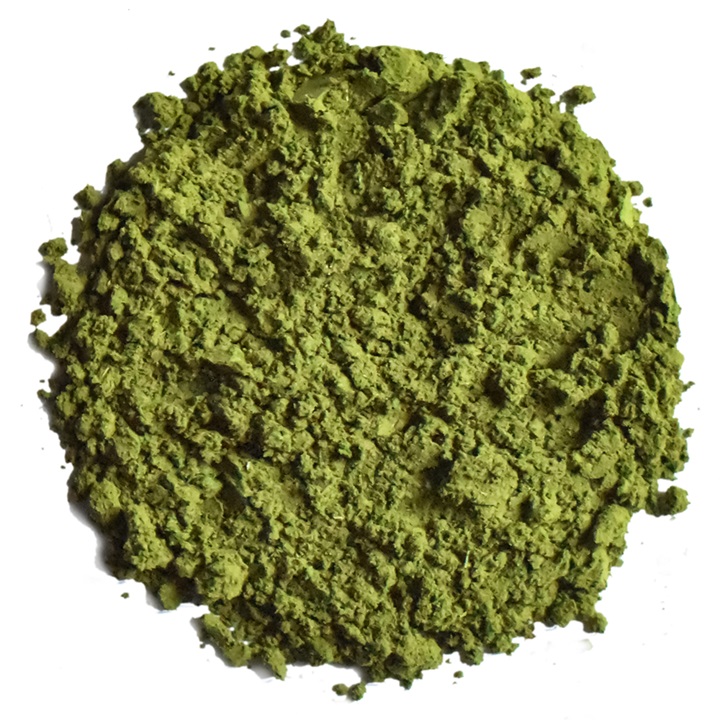
| Appearance | Fine powder | Visual Inspection |
| Color | Light yellow to greenish-brown | Visual Inspection |
| Odor | Characteristic tea-like odor | Organoleptic |
| Taste | Bitter, astringent | Organoleptic |
| Physical Form | Free-flowing powder | Visual Inspection |
| Solubility | Soluble in water and alcohol | Visual Inspection |
| pH (1% Solution) | 4.5 – 5.5 | pH Meter |
Description: Green Tea Extract is a fine, free-flowing powder ranging in color from light yellow to greenish-brown . It has a characteristic tea-like odor and a bitter, astringent taste. The extract is readily soluble in water and alcohol, making it suitable for various liquid formulations.
ITEM 4: PHYSICAL PROPERTIES
| Property | Specification | Typical Value | Test Method |
|---|---|---|---|
| Bulk Density | 0.40 – 0.60 g/mL | 0.50 g/mL | – |
| Moisture Content | ≤ 5.0% | 3.5% | Karl Fischer |
| Particle Size (95%) | ≤ 80 mesh | ≤ 80 mesh | Sieve Analysis |
| Ash Content | ≤ 5.0% | 3.0% | USP <281> |
| Heavy Metals (Pb) | ≤ 10 ppm | < 5 ppm | ICP-MS |
| Arsenic (As) | ≤ 2 ppm | < 1 ppm | ICP-MS |
| Solubility | Soluble in water | ≥ 90% | – |
Description: Green Tea Extract is characterized by low moisture content (≤5%) and good flowability. The powder is water-soluble, facilitating incorporation into a wide range of formulations. Heavy metal content is strictly controlled to ensure safety for all applications.
ITEM 5: QUALITY AND ANALYTICAL SPECIFICATIONS
| Parameter | Specification | Typical Value | Test Method |
|---|---|---|---|
| Total Polyphenols | ≥ 50% | 60 – 95% | UV-Vis Spectrophotometry |
| Total Catechins | ≥ 30% | 40 – 60% | HPLC |
| EGCG Content | ≥ 10% | 30 – 50% | HPLC |
| Caffeine Content | ≤ 5% | < 3% | HPLC |
| Total Bacteria Count | ≤ 1000 CFU/g | < 100 CFU/g | USP <61> |
| Yeast & Mold | ≤ 100 CFU/g | < 10 CFU/g | USP <61> |
| E. coli | Negative | Negative | USP <62> |
| Salmonella | Negative | Negative | USP <62> |
| Pesticide Residues | Below limits | Compliant | GC-MS |
Description: Green Tea Extract is available in various standardization grades, typically ranging from 50% to 95% total polyphenols. High-performance liquid chromatography (HPLC) is used for quantitative analysis of catechins and caffeine. Microbial limits are strictly controlled for safety. Pesticide residue analysis ensures compliance with food and cosmetic regulations.
ITEM 6: BIOLOGICAL ACTIVITIES AND FUNCTIONAL PROPERTIES
| Activity | Description |
|---|---|
| Antioxidant Activity | Scavenges free radicals; reduces oxidative stress; protects cells from damage |
| Anti-inflammatory Activity | Reduces inflammation; inhibits inflammatory mediators |
| Antimicrobial Activity | Inhibits growth of bacteria and fungi |
| Antiviral Activity | Inhibits viral replication (select viruses) |
| Metabolic Support | Enhances metabolic rate; promotes fat oxidation |
| Cardiovascular Support | Supports healthy blood pressure and cholesterol levels |
| Neuroprotective Activity | Protects neurons; may slow neurodegenerative progression |
| Skin Protection | Protects against UV damage; reduces photoaging |
Mechanism of Action:
| Parameter | Description |
|---|---|
| Primary Mechanism | Free radical scavenging via hydrogen atom transfer |
| Key Active | Epigallocatechin Gallate (EGCG) |
| Target Pathways | NF-κB, Nrf2, MAPK, PI3K/Akt, AMPK |
| Bioavailability | Low; improved by formulations and co-administration |
Description: The biological activities of Green Tea Extract are attributed to its high polyphenol content, particularly EGCG . These compounds act as potent antioxidants, neutralizing free radicals and reducing oxidative stress . They also exhibit anti-inflammatory, antimicrobial, and cardioprotective properties . Green Tea Extract modulates several signaling pathways, offering protection against cellular damage, aging, and chronic diseases .
ITEM 7: COSMETIC APPLICATIONS (INCI: Camellia Sinensis Leaf Extract)
| Application Category | Function / Benefit |
|---|---|
| Anti-aging Creams | Antioxidant protection, reduces fine lines and wrinkles |
| Serums | High-concentration antioxidant delivery |
| Sunscreens | Supplementary UV protection, reduces photoaging |
| Shampoos | Scalp health, antioxidant protection |
| Conditioners | Hair strengthening, scalp health |
| Face Masks | Antioxidant and anti-inflammatory benefits |
| Eye Creams | Reduces puffiness and dark circles |
| Toners | Antioxidant, soothing effect |
| Body Lotions | Antioxidant protection, skin firming |
| Hand Creams | Protective and restorative effects |
| Men's Grooming | Post-shave soothing, antioxidant protection |
| Makeup | Antioxidant protection in color cosmetics |
Description: In cosmetics, Green Tea Extract is valued as a multifunctional ingredient . Its high polyphenol content provides potent antioxidant protection, helping to prevent premature skin aging caused by UV exposure and environmental pollutants . It also exhibits anti-inflammatory properties, soothing irritated skin and reducing redness . The extract is compatible with a wide range of cosmetic formulations, including creams, serums, lotions, shampoos, and makeup products .
ITEM 8: DIETARY SUPPLEMENT AND FUNCTIONAL FOOD APPLICATIONS
| Application | Function / Benefit |
|---|---|
| Weight Management Supplements | Supports metabolism and fat oxidation |
| Antioxidant Supplements | Provides cellular protection |
| Cardiovascular Health Products | Supports heart health and blood pressure regulation |
| Immune Support | Enhances immune function |
| Energy Drinks | Provides natural caffeine and antioxidants |
| Functional Waters | Antioxidant-enhanced hydration |
| Protein Powders | Antioxidant-enriched nutrition |
| Tea Bags | Traditional consumption |
| Instant Beverages | Convenient green tea consumption |
| Probiotic Formulations | Synergistic health benefits |
Recommended Dosage:
| Application | Recommended Daily Intake | Notes |
|---|---|---|
| EGCG Standardization | 200 – 400 mg/day | Safe for daily use |
| Polyphenol Standardization | 500 – 1000 mg/day | Based on polyphenol content |
| Decaffeinated Extracts | As per standard dosage | Suitable for caffeine-sensitive users |
Description: Green Tea Extract is widely used in dietary supplements and functional foods for its metabolism-supporting and antioxidant properties . It is often standardized to EGCG (10-60%) or total polyphenols (50-95%) for consistent potency. In weight management products, it is valued for its ability to support metabolic rate and fat oxidation . The recommended daily intake of EGCG is 200-400 mg for safe and effective use .
ITEM 9: DETERGENT AND CLEANING APPLICATIONS
| Application | Function / Benefit |
|---|---|
| Natural Cleaners | Provides natural antibacterial properties |
| Multi-purpose Cleaners | Botanical ingredient claim |
| Green Formulations | Eco-friendly, plant-based ingredient |
| Surface Cleaners | Gentle antimicrobial action |
| Fabric Care | Botanical additive for natural appeal |
| Dishwashing Liquids | Natural ingredient claim |
| Air Fresheners | Natural fragrance and antibacterial effect |
| Pet Products | Natural, non-toxic cleaning |
Description: In the detergent and cleaning industry, Green Tea Extract is used as a natural, plant-based ingredient to enhance the botanical appeal of formulations . It provides a mild antibacterial effect and aligns with the growing consumer demand for natural, eco-friendly cleaning products . It is valued as a marketing differentiator for "green" formulations without contributing to harsh chemical residues.
ITEM 10: PHARMACEUTICAL AND NUTRACEUTICAL APPLICATIONS
| Application | Function / Benefit |
|---|---|
| Diabetes Support | Glucose regulation; insulin sensitivity support |
| Cancer Research | Preventive potential through antioxidant mechanisms |
| Neurological Products | Neuroprotective properties for cognitive health |
| Cardiovascular Products | Blood pressure support, cholesterol management |
| Oral Health Products | Antimicrobial for gum health |
Description: In pharmaceutical and nutraceutical applications, Green Tea Extract is studied for its potential therapeutic benefits. Research indicates that catechins may help regulate blood sugar levels and support insulin sensitivity, which could benefit diabetes management . EGCG has also been investigated for its potential cancer-preventive properties, although it is not a treatment for cancer . The neuroprotective potential of catechins is being explored for their ability to slow the progression of neurodegenerative diseases . It is also used in oral health products for its antimicrobial properties.
ITEM 11: REGULATORY AND SAFETY CLASSIFICATIONS
| Regulatory System | Status / Classification |
|---|---|
| EU Cosmetics Regulation 1223/2009 | Permitted (INCI listed) |
| FDA 21 CFR | GRAS for food use (select grades) |
| REACH (EC 1907/2006) | Registered and compliant |
| EFSA | Approved health claims for certain indications |
| Halal | Certified (available) |
| Kosher | Certified (available) |
| Organic | Certified (available) |
| Vegan | Suitable |
Description: Green Tea Extract is a permitted and recognized ingredient in cosmetics (INCI), dietary supplements, and functional foods. It is generally recognized as safe (GRAS) for use in food products . In the EU, it is regulated under the Cosmetics Regulation . Organic and Halal certifications may be available depending on the supplier and production process.
ITEM 12: SAFETY AND TOXICOLOGICAL PROFILE
| Parameter | Description |
|---|---|
| Acute Oral Toxicity (LD50) | > 2000 mg/kg (low toxicity) |
| Skin Irritation | Non-irritating (at recommended use levels) |
| Eye Irritation | Non-irritating (at recommended use levels) |
| Skin Sensitization | Non-sensitizing (at recommended use levels) |
| Genotoxicity | Not genotoxic |
| Carcinogenicity | Not classified |
| Reproductive Toxicity | No adverse effects reported |
| Contraindications | Caffeine content may affect sensitive individuals |
Precautions:
| Parameter | Recommendation |
|---|---|
| Caffeine Sensitivity | Use decaffeinated extracts |
| Contraindications | Chronic conditions: Consult physician |
| Immunocompromised | Use under professional guidance |
| Pregnancy | Avoid high-dose supplementation |
Description: Green Tea Extract is generally considered safe for use in cosmetic, food, and supplement applications . It is non-irritating and non-sensitizing at recommended use levels. The caffeine content may affect sensitive individuals, and decaffeinated extracts are available . High-dose supplementation should be avoided during pregnancy. Individuals with chronic conditions or compromised immune systems should consult a healthcare professional before use.
ITEM 13: HANDLING AND PERSONAL PROTECTIVE EQUIPMENT (PPE)
| Parameter | Recommendation |
|---|---|
| Dust Control | Minimize dust formation; avoid creating airborne dust |
| Ventilation | Adequate general ventilation |
| Gloves | Nitrile or rubber gloves for prolonged contact |
| Eye Protection | Safety goggles for powder handling |
| Respiratory Protection | Dust mask (N95) for powder handling |
| Skin Contact | Wash with soap and water |
| Eye Contact | Rinse with plenty of water for 15 minutes |
| Inhalation | Move to fresh air; seek medical attention if irritation persists |
| Ingestion | Seek medical attention if large amounts are swallowed |
Description: Standard industrial hygiene practices should be followed when handling Green Tea Extract powder. Dust formation should be minimized to avoid respiratory irritation. The product is generally safe for handling but standard precautions for botanical powders should be observed.
ITEM 14: STORAGE AND SHELF LIFE
| Parameter | Description |
|---|---|
| Storage Temperature | 15 – 30°C |
| Storage Conditions | Cool, dry, well-ventilated area |
| Light | Protect from direct sunlight |
| Moisture | Keep away from moisture; store in tightly closed containers |
| Materials to Avoid | Strong oxidizers, excessive heat |
| Packaging Type | Sealed bags, containers |
| Shelf Life | 24 months (unopened, recommended conditions) |
| Signs of Degradation | Color change, caking, loss of odor |
Description: Green Tea Extract should be stored in a cool, dry place in tightly closed containers, protected from direct sunlight and moisture . The product is sensitive to humidity and should be kept away from water sources. The typical shelf life is 24 months when stored properly . Signs of degradation include color darkening, caking, or loss of characteristic odor.
ITEM 15: SPILL CLEANUP AND DISPOSAL
| Parameter | Description |
|---|---|
| Dry Spills | Sweep or vacuum up using appropriate equipment |
| Avoid | Do not wash into drains or water sources |
| Waste Disposal | Dispose according to local, state, and federal regulations |
| Environmental Classification | Not classified as hazardous waste |
| Biodegradability | Readily biodegradable |
Description: Green Tea Extract spills should be swept or vacuumed to prevent slips. The product is not classified as hazardous waste and is readily biodegradable . Do not wash into drains as the powder may form a slurry and cause blockages.
ITEM 16: ALTERNATIVES AND COMPARISON
| Sector | Primary Use | Functional Benefits | Alternatives |
|---|---|---|---|
| Cosmetics | Anti-aging creams, serums, face masks, shampoos | Antioxidant, anti-inflammatory, free radical protection, reduces puffiness | Aloe Vera Extract, Grape Seed Extract, Chamomile Extract |
| Detergents & Cleaners | Natural cleaning formulations, botanical additives | Botanical ingredient claim, mild antibacterial effect, eco-friendly formulation | Lemon Extract, Lavender Extract, Tea Tree Oil |
| Dietary Supplements | Functional beverages, capsules, powder formulations, infant formula (regulated) | Metabolic support, weight management, immune support, cardiovascular health | Matcha Powder, Ginseng Extract, Spirulina, Turmeric Extract |
| Pharmaceutical | Diabetes research, cancer research, neurological support | Anti-cancer potential, blood sugar regulation, neuroprotective catechins | Curcumin, Resveratrol, Omega-3 Fatty Acids |
Description: Green Tea Extract is a versatile botanical ingredient with multiple functional benefits across industries. While several alternatives are available, its unique combination of potent antioxidant catechins, regulatory acceptance, and consumer familiarity makes it a preferred choice for many applications.
ITEM 17: RECOMMENDED STANDARDIZATION GRADES
| Grade | Polyphenol Content | EGCG Content | Caffeine Content | Application |
|---|---|---|---|---|
| Grade 1 | ≥ 50% | ≥ 10% | ≤ 5% | General purpose |
| Grade 2 | ≥ 70% | ≥ 25% | ≤ 5% | High-potency supplements |
| Grade 3 | ≥ 90% | ≥ 50% | ≤ 5% | Premium products |
| Decaffeinated | ≥ 50% | ≥ 10% | ≤ 0.5% | Caffeine-sensitive users |
| Food Grade | ≥ 50% | ≥ 10% | ≤ 5% | Food and beverage |
| Cosmetic Grade | ≥ 50% | ≥ 10% | ≤ 5% | Cosmetics and personal care |
Description: Green Tea Extract is available in various standardization grades to suit different applications. Higher potency grades (≥90% polyphenols, ≥50% EGCG) are used in premium dietary supplements and functional foods. Decaffeinated extracts are available for formulations targeting caffeine-sensitive consumers. Cosmetic and food grades meet the specific regulatory requirements for each sector.
ITEM 18: MARKETING AND LABELLING CONSIDERATIONS
| Parameter | Recommendation |
|---|---|
| Ingredient Label (EU/US) | Green Tea Extract / Camellia Sinensis Leaf Extract |
| INCI Label (Cosmetics) | Camellia Sinensis Leaf Extract |
| Key Claims | Natural Antioxidant, Plant-Based, Eco-Friendly, Green Ingredient |
| Marketing Points | Rich in Polyphenols, EGCG Standardized |
| Common Combinations | Vitamin C, Grape Seed Extract, Aloe Vera |
| Allergen Status | Allergen-free (see specific product specifications) |
Description: Green Tea Extract should be clearly labeled using the correct botanical and extract names for each application . In cosmetics, the INCI name "Camellia Sinensis Leaf Extract" is required . "Natural Antioxidant" and "Plant-Based" are powerful marketing claims for both cosmetic and detergent formulations. For supplements, highlighting the EGCG or polyphenol content is essential.
ITEM 19: GREEN TEA EXTRACT VARIETIES AND TYPES
| Type | Description | Application |
|---|---|---|
| EGCG Standardized Extract | Standardized to specific EGCG content (e.g., 10%, 50%, 60%) | Dietary supplements, functional foods |
| Polyphenol Standardized Extract | Standardized to total polyphenol content (e.g., 50%, 70%, 90%) | Dietary supplements, functional foods |
| Decaffeinated Extract | Caffeine removed; suitable for sensitive individuals | Cosmetics, dietary supplements |
| Spray-Dried Powder | Fine powder obtained by spray drying aqueous extract | All applications |
| Water-Soluble Extract | Highly soluble in water; clear solution in water | Beverages, liquid formulations |
| Organic Extract | Certified organic from organically grown tea leaves | Premium products, organic formulations |
| Food Grade Extract | Meets food safety standards (FDA, EFSA) | Food products |
| Cosmetic Grade Extract | Meets cosmetic regulatory standards (INCI) | Cosmetics and personal care |
| Synergistic Blend | Blended with other botanicals (e.g., Vitamin C, Grape Seed) | Synergistic health products |
Description: Green Tea Extract is available in multiple types and grades, each optimized for specific applications. The choice depends on the desired standardization, form, regulatory requirements, and cost considerations.
ITEM 20: SYNONYMS AND ALIASES
| Name | Type |
|---|---|
| Green Tea Extract | English |
| Yeşil Çay Ekstraktı | Turkish |
| Yeşil Çay Özütü | Turkish |
| Yeşil Çay Tozu | Turkish (powder form) |
| Camellia sinensis Leaf Extract | INCI/Botanical |
| Camellia sinensis Extract | Scientific |
| Green Tea Leaf Extract | English |
| EGCG Extract | Standardization-specific |
| Polyphenol-rich Green Tea Powder | Descriptive |
| Bitkisel Antioksidan Katkı | Turkish (descriptive) |
QUALITY AND CERTIFICATION SUMMARY
| Certificate / Standard | Status |
|---|---|
| ISO 9001:2015 | Certified manufacturing sites |
| ISO 14001:2015 | Environmental Management System |
| REACH (EC 1907/2006) | Registered and compliant |
| EU Cosmetics Regulation 1223/2009 | Permitted (INCI listed) |
| FDA 21 CFR | GRAS for food use |
| Halal / Kosher | Available upon request |
| Organic Certification | Available upon request |
Disclaimer: This Technical Data Sheet provides typical values for reference purposes only. All values are based on standard laboratory measurements and do not constitute a binding specification. For binding properties, please request the Certificate of Analysis (COA) for each specific batch. The user is solely responsible for determining product suitability for their intended application and for compliance with all applicable regulations. Safety Data Sheet (SDS) must be requested from the supplier before use.