Ylang Ylang Oil, Cananga Odorata Oil, 8006-81-3
YLANG YLANG OIL - YLANG YLANG YAĞI
Cananga odorata Flower Oil
CAS: 8006-81-3
| Product Name |
Ylang Ylang Essential Oil |
| Botanical Name |
Cananga odorata (Lam.) Hook.f. & Thomson |
| CAS Number |
8006-81-3 |
| EC Number |
289-920-2 |
| Product Type |
Essential Oil |
| Synonyms |
Ylang Ylang Oil, Cananga odorata Oil, Ylang-Ylang Essential Oil |
ITEM 1: PRODUCT IDENTITY AND NOMENCLATURE
| Parameter |
Description |
| Botanical Name |
Cananga odorata (Lam.) Hook.f. & Thomson |
| CAS Number |
8006-81-3 |
| EC Number |
289-920-2 |
| INCI Name (Cosmetics) |
Cananga Odorata Flower Oil |
| Plant Family |
Annonaceae |
| Synonyms |
Ylang Ylang Oil, Cananga odorata Oil, Ylang-Ylang Essential Oil, Ylang Ylang Flower Oil |
| HS Code |
3301.29.00.00.00 |
| REACH Status |
Registered and compliant |
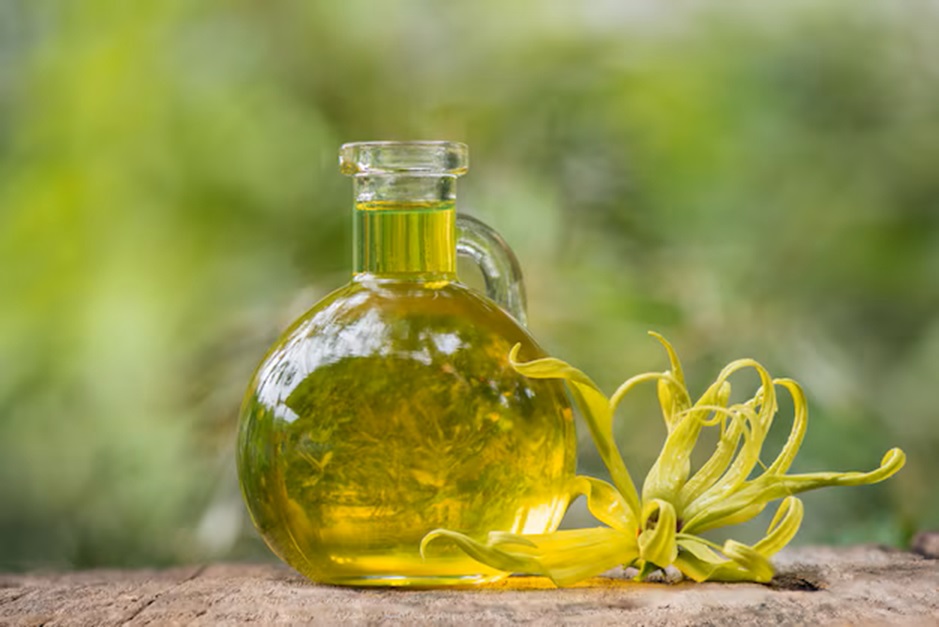
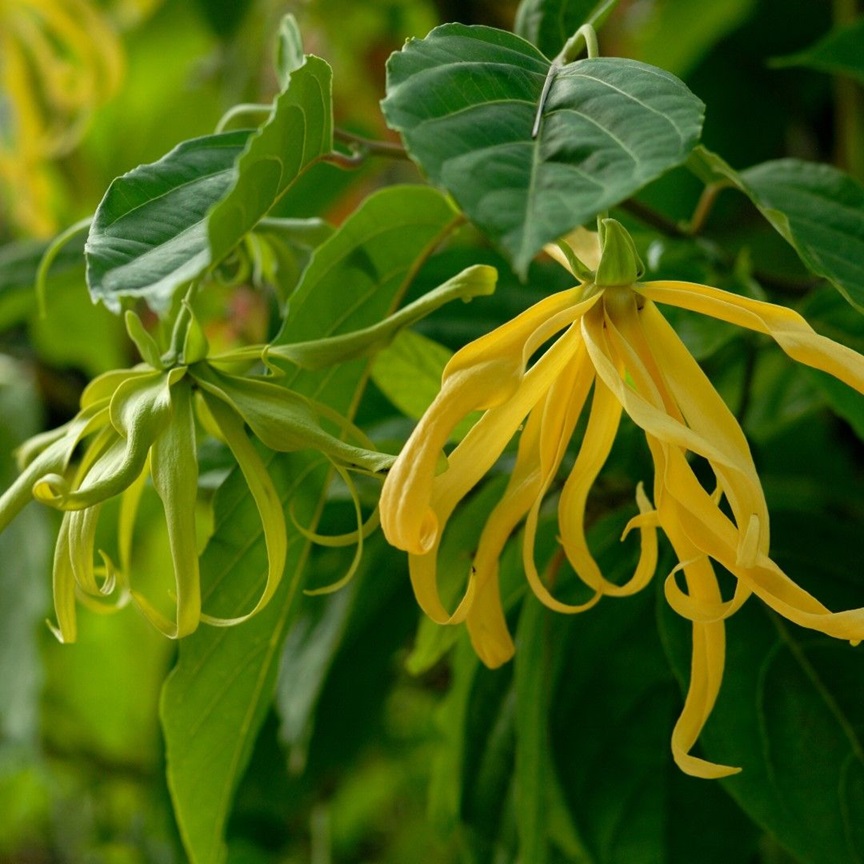
Description: Ylang Ylang essential oil is a steam-distilled essential oil obtained from the fresh flowers of the Cananga odorata tree, a large tropical tree native to Southeast Asia . The name "Ylang Ylang" comes from the Tagalog word meaning "flower of flowers," reflecting its intensely sweet, floral, and exotic fragrance. The oil is widely used in perfumery, aromatherapy, cosmetics, and traditional medicine for its calming, mood-enhancing, and skin-nourishing properties . It is one of the key components in the iconic Chanel No. 5 perfume .
ITEM 2: CHEMICAL COMPOSITION AND ACTIVE CONSTITUENTS
| Parameter |
Description |
| Chemical Family |
Terpenes, Sesquiterpenes, Esters, Alcohols, Phenols |
| Primary Constituents |
Linalool, Geranyl Acetate, Benzyl Acetate, Eugenol, Caryophyllene, Farnesene |
| Extraction Method |
Steam Distillation (from fresh flowers) |
| Yield |
~1.5 – 2.5% from fresh flowers |
| Chemical Profile |
More than 75 identified compounds |
Key Active Compounds:
| Compound |
Typical Content (%) |
Bioactivity |
| Linalool |
15 – 30 |
Sedative, anxiolytic, anti-inflammatory |
| Geranyl Acetate |
10 – 25 |
Calming, antimicrobial |
| Benzyl Acetate |
5 – 15 |
Sweet floral aroma, calming |
| Caryophyllene |
5 – 15 |
Anti-inflammatory, analgesic |
| Eugenol |
2 – 10 |
Antimicrobial, analgesic |
| Farnesene |
5 – 10 |
Calming, antimicrobial |
| p-Cresyl Methyl Ether |
1 – 5 |
Characteristic ylang ylang odor |
Description: Ylang Ylang oil contains over 75 identified compounds, including a complex mixture of terpenes, sesquiterpenes, esters, and alcohols . The major constituents are linalool, geranyl acetate, benzyl acetate, and caryophyllene . The composition varies depending on the distillation fractions (Grade I, II, III) and the origin of the plant material. The oil is characterized by its high content of esters, which contribute to its calming and mood-enhancing properties.
ITEM 3: DISTILLATION GRADES AND QUALITY
| Grade |
Description |
Aroma Profile |
Application |
| Grade I (Extra) |
First distillation fraction |
Sweetest, most floral, most delicate |
Fine perfumery, high-end cosmetics |
| Grade II |
Second distillation fraction |
Less intense, slightly woody |
Perfumery, cosmetics |
| Grade III |
Third distillation fraction |
Heavy, more woody, less floral |
Soaps, detergents, industrial perfumery |
| Complete / Whole |
Combination of all fractions |
Full spectrum, balanced |
Aromatherapy, general use |
Description: Ylang Ylang oil is produced through fractional distillation, producing different grades based on the distillation time . Grade I (Extra) is the first and finest fraction, collected during the first 1-2 hours of distillation, with the sweetest and most delicate floral aroma . Grade II and III are collected from subsequent fractions, with progressively heavier, more woody aromas . The complete or whole oil is a blend of all fractions, offering a balanced profile suitable for aromatherapy and general use.
ITEM 4: PHYSICAL APPEARANCE AND FORM
| Parameter |
Specification |
Test Method |
| Appearance |
Clear to pale yellow liquid |
Visual Inspection |
| Physical Form |
Mobile liquid |
Visual Inspection |
| Color |
Pale yellow to amber yellow |
Visual Inspection |
| Odor |
Sweet, floral, exotic, slightly balsamic |
Organoleptic |
| Clarity |
Clear, free from sediment |
Visual Inspection |
Description: Ylang Ylang oil is a clear to pale yellow liquid with an intensely sweet, floral, and exotic fragrance . The aroma is described as rich, deep, and slightly balsamic with a creamy undertone. The color may vary from pale yellow to amber yellow depending on the grade and distillation method.
ITEM 5: PHYSICAL PROPERTIES
| Property |
Specification |
Typical Value |
Test Method |
| Density (20°C) |
0.900 – 0.940 g/cm³ |
0.920 – 0.930 g/cm³ |
ASTM D4052 |
| Refractive Index (20°C) |
1.490 – 1.510 |
1.495 – 1.505 |
ASTM D1218 |
| Optical Rotation |
-20° to -60° |
-30° to -50° |
ASTM D1142 |
| Solubility |
Soluble in alcohol, oils, organic solvents |
– |
– |
| Viscosity |
Low |
– |
– |
Description: Ylang Ylang oil has a density of approximately 0.92-0.93 g/cm³, making it slightly less dense than water. Its refractive index ranges from 1.490 to 1.510. The optical rotation of the oil varies from -20° to -60°, depending on the origin and grade. The oil is soluble in alcohol, fixed oils, and most organic solvents.
ITEM 6: THERMAL PROPERTIES
| Property |
Value |
Notes |
| Flash Point |
~65°C |
– |
| Boiling Point |
> 200°C (decomposes) |
– |
| Freezing Point |
Not determined |
– |
| Storage Temperature |
5 – 30°C |
– |
Description: Ylang Ylang oil has a flash point of approximately 65°C, making it combustible but not readily flammable. The oil should be stored away from heat sources and open flames. Prolonged exposure to heat may cause degradation of the oil.
ITEM 7: QUALITY AND ANALYTICAL SPECIFICATIONS
| Parameter |
Specification |
Typical Value |
Test Method |
| Linalool Content |
≥ 15% |
15 – 30% |
GC |
| Geranyl Acetate |
≥ 10% |
10 – 25% |
GC |
| Benzyl Acetate |
≥ 5% |
5 – 15% |
GC |
| Caryophyllene |
≥ 5% |
5 – 15% |
GC |
| Benzyl Benzoate |
≤ 10% |
– |
GC |
| p-Cresyl Methyl Ether |
1 – 5% |
– |
GC |
| Ester Value |
≥ 140 |
140 – 180 |
Titration |
| Alcohol Value |
~ 60 – 80 |
– |
Titration |
| Storage Stability |
2 years |
– |
– |
Description: Ylang Ylang oil quality is determined by its chemical composition, with specific minimum levels of key compounds such as linalool, geranyl acetate, and benzyl acetate . The ester value is an important quality parameter, with higher values indicating higher quality. Gas chromatography (GC) is the standard method for analyzing the chemical profile of the oil.
ITEM 8: AROMATHERAPY AND MOOD ENHANCEMENT APPLICATIONS
| Application |
Function / Benefit |
| Diffusion |
Creates a calming, uplifting atmosphere |
| Mood Enhancement |
Reduces anxiety, depression, and stress |
| Relaxation |
Promotes feelings of peace and well-being |
| Emotional Balance |
Helps release negative emotions (anger, jealousy, low self-esteem) |
| Meditation |
Enhances mindfulness and spiritual connection |
| Energy Boost |
Combats fatigue and lethargy |
| Sexual Health |
Acts as a natural aphrodisiac; enhances libido |
| Anxiety Relief |
Reduces anxiety symptoms; promotes calm |
| Sleep Support |
Helps with insomnia and restlessness |
| Adrenal Support |
Supports adrenal function and stress response |
Description: Ylang Ylang oil is widely used in aromatherapy for its calming, mood-enhancing, and sedative properties . It is considered an effective natural remedy for anxiety, depression, and stress. Research indicates that the oil has positive anti-anxiety effects by influencing processes in the brain's hippocampus and serotonin system . The sweet, floral aroma can help release negative emotions and promote feelings of confidence, peace, and self-love.
ITEM 9: CARDIOVASCULAR AND IMMUNE SUPPORT APPLICATIONS
| Application |
Function / Benefit |
| Blood Pressure Regulation |
Helps lower high blood pressure |
| Heart Rate Regulation |
May help regulate heart arrhythmia |
| Circulation Improvement |
Supports healthy blood circulation |
| Immune Support |
Anti-inflammatory, antimicrobial properties |
| Anti-inflammatory |
Reduces inflammation in the body |
| Parasite Control |
May help combat parasites |
Description: Ylang Ylang oil is considered one of the most beneficial essential oils for controlling blood pressure and preventing heart arrhythmia . The active compounds in the oil, including various flavonoids, terpenes, and other phytochemicals, exhibit antibacterial, antifungal, and cytotoxic activities . These compounds help reduce inflammation, which is a major contributing factor to most diseases. The oil supports healthy circulation and may be used in combination with other oils like lavender, clary sage, and frankincense.
ITEM 10: SKIN CARE AND BEAUTY APPLICATIONS
| Application |
Function / Benefit |
| Anti-aging |
Protects against oxidative stress, reduces signs of aging |
| Skin Irritation |
Soothes irritated or inflamed skin |
| Wound Healing |
Promotes healing of minor wounds and cuts |
| Skin Tone |
Improves overall skin appearance |
| Melanoma Prevention |
May help fight melanoma cell development |
| Hair Care |
Promotes hair growth, thickens hair |
| Scalp Health |
Nourishes scalp, reduces dandruff |
| Acne |
Antibacterial properties may help with acne |
| Dry Skin |
Hydrates and nourishes dry skin |
Description: Ylang Ylang oil has been used for centuries to enhance beauty and promote skin health. Research shows that the oil contains high levels of active terpenoid components, which have shown promising results as natural therapeutic agents in the treatment of various skin disorders . When tested on cancerous melanoma skin cells, terpenoid compounds exhibited a potent inhibitory effect on cell melanogenesis and immune system cytotoxicity . In other words, the antioxidants in the oil help protect skin cells from oxidative stress and DNA damage that can lead to cancer cell formation.
ITEM 11: HAIR CARE APPLICATIONS
| Application |
Function / Benefit |
| Hair Growth |
Promotes hair growth and thickness |
| Scalp Nourishment |
Nourishes and strengthens hair follicles |
| Dandruff Control |
Antimicrobial properties reduce dandruff |
| Dry Hair |
Restores moisture to dry, damaged hair |
| Hair Oil |
Used in hair oil blends for healthy hair |
Description: Ylang Ylang oil is traditionally used to promote hair growth and thickness. Its nourishing and antimicrobial properties make it beneficial for scalp health and dandruff control. When combined with carrier oils, it helps restore moisture to dry, damaged hair and promotes a healthy scalp environment.
ITEM 12: NATURAL ENERGY AND APHRODISIAC APPLICATIONS
| Application |
Function / Benefit |
| Energy Boost |
Combats fatigue and chronic fatigue syndrome |
| Aphrodisiac |
Enhances libido in both men and women |
| Social Enhancer |
Promotes confidence and social interaction |
| Impotence Support |
Acts as a natural impotence remedy |
Description: Ylang Ylang oil has been traditionally used as an aphrodisiac and energy enhancer . In some Asian countries, it was widely used to decorate the beds of newlyweds on their wedding nights due to its energizing and aphrodisiac qualities. Research suggests the oil can help combat fatigue, chronic fatigue syndrome, and irritability. It is considered a natural impotence remedy that can help enhance libido in both men and women.
ITEM 13: BLENDING AND COMPATIBILITY
| Essential Oil |
Compatibility |
Application |
| Bergamot Oil |
Excellent |
Confidence building, uplifting |
| Jasmine Oil |
Excellent |
Exotic blends, tropical sprays |
| Frankincense Oil |
Excellent |
Tension reduction, grounding |
| Lavender Oil |
Excellent |
Calming, relaxing blends |
| Rose Oil |
Excellent |
Floral, luxurious blends |
| Sandalwood Oil |
Excellent |
Aphrodisiac massage |
| Lemon Oil |
Good |
Energizing blends |
| Grapefruit Oil |
Good |
Energizing, uplifting blends |
| Sweet Orange Oil |
Good |
Energizing, bright blends |
Blending Recommendations:
| Blend Name |
Ingredients |
Application |
| Confidence Builder |
2 drops Ylang Ylang + 2 drops Bergamot |
Diffusion |
| Tropical Spray |
2 drops Ylang Ylang + 2 drops Jasmine |
Diffusion |
| Tension Reducer |
2 drops Ylang Ylang + 2 drops Frankincense |
Diffusion / Massage |
| Energy Boost |
2 drops Ylang Ylang + 2 drops Citrus (Lemon/Grapefruit/Orange) |
Diffusion |
| Aphrodisiac Massage |
2 drops Ylang Ylang + 2 drops Sandalwood + Carrier Oil |
Massage |
Description: Ylang Ylang oil blends well with a wide range of essential oils including rose, lavender, jasmine, bergamot, frankincense, sandalwood, and citrus oils . The choice of blending partner depends on the intended therapeutic effect and desired aroma profile.
ITEM 14: DOSAGE AND APPLICATION METHODS
| Application Method |
Recommended Dosage |
Notes |
| Diffusion |
3 – 6 drops in diffuser |
Uplifting or calming, depending on context |
| Topical (Diluted) |
2 – 3 drops in 1 tsp carrier oil |
Dilution ratio: 1-2% essential oil concentration |
| Bath |
3 – 5 drops in 1 tbsp carrier oil / milk |
Add to bath water |
| Massage |
2 – 5 drops per 10 ml carrier oil |
For full body massage |
| Inhalation |
1 – 3 drops on cotton ball or tissue |
Direct inhalation for immediate effect |
| Internal |
1 – 2 drops in water or tea |
ONLY for therapeutic grade oils |
Description: Ylang Ylang oil can be used aromatically (diffusion), topically (diluted with a carrier oil), and internally (only for high-quality therapeutic grades). Always dilute the oil before applying to the skin. Use a carrier oil such as coconut oil, jojoba oil, or almond oil for topical applications.
ITEM 15: RECOMMENDED DILUTION RATES
| Application Type |
Dilution Rate |
Drops per 10 ml Carrier Oil |
| General Body Massage |
1 – 2% |
3 – 6 drops |
| Sensitive Skin |
0.5 – 1% |
1 – 3 drops |
| Facial Application |
0.5 – 1% |
1 – 3 drops |
| Hair Care |
1 – 2% |
3 – 6 drops |
| Bath (with emulsifier) |
Up to 1% |
3 – 5 drops |
Description: Ylang Ylang oil should always be diluted before topical application to avoid skin irritation. Recommended dilution rates are 1-2% for general use and lower for sensitive skin and facial applications.
ITEM 16: SECTOR COMPATIBILITY MATRIX
| Industry |
Suitability |
Application |
Notes |
| Perfumery |
Excellent |
Fine perfumes, luxury fragrances |
Key component in Chanel No. 5 |
| Cosmetics |
Excellent |
Skincare, haircare, personal care |
INCI: Cananga Odorata Flower Oil |
| Aromatherapy |
Excellent |
Calming, mood enhancement, anxiety relief |
Widely used |
| Soap & Detergent |
Good |
Soaps, detergents, cleansers |
Grade III and whole oils |
| Food Flavoring |
Limited |
Beverages, confectionery (very limited) |
Requires special regulatory approval |
| Pharmaceutical |
Good |
Traditional medicine, stress relief |
Research and development |
ITEM 17: REGULATORY AND SAFETY CLASSIFICATIONS
| Regulatory System |
Status / Classification |
| EU Cosmetics Regulation 1223/2009 |
Permitted (INCI listed) |
| IFRA (International Fragrance Association) |
Permitted with usage restrictions |
| REACH (EC 1907/2006) |
Registered and compliant |
| FDA 21 CFR |
GRAS (for flavoring - select grades) |
| GHS |
Flammable liquid category |
| Halal |
Available (certified) |
| Organic |
Available (certified) |
Description: Ylang Ylang oil is permitted in cosmetics and fragrances under EU regulations. IFRA provides usage restrictions to ensure safe use in perfumery. GHS classification considers it a flammable liquid. Halal and organic certifications may be available depending on the supplier.
ITEM 18: SAFETY AND TOXICOLOGICAL PROFILE
| Parameter |
Description |
| Acute Oral Toxicity (LD50) |
~ 5 g/kg (low toxicity) |
| Skin Irritation |
May cause irritation in sensitive individuals |
| Skin Sensitization |
Potential sensitizer; performs patch test |
| Eye Irritation |
Avoid contact with eyes |
| Inhalation |
Diffuse in well-ventilated areas |
| Carcinogenicity |
Not classified |
| Mutagenicity |
Not classified |
| Reproductive Toxicity |
Not classified |
| Photosensitivity |
Not photosensitizing |
Precautions:
| Parameter |
Recommendation |
| Low Blood Pressure |
Use with caution; may lower blood pressure |
| Medication Interactions |
Consult a doctor if taking blood pressure medication |
| Heart Conditions |
Consult a doctor before use |
| Pregnancy |
Generally safe in small amounts; consult a doctor |
| Breastfeeding |
Generally safe in small amounts; consult a doctor |
| Children |
Use in very small amounts only |
| Pets (Dogs, Cats) |
NOT SAFE – keep away from pets |
Description: Ylang Ylang oil is generally considered safe when used in low concentrations. However, it may cause skin irritation or sensitization in sensitive individuals, so a patch test is recommended. The oil may lower blood pressure, so caution is advised for those with hypotension or taking blood pressure medication. The oil is NOT SAFE for dogs, cats, and other pets; it is considered toxic to them and should be kept out of their reach.
ITEM 19: STORAGE AND SHELF LIFE
| Parameter |
Description |
| Storage Temperature |
5 – 30°C |
| Storage Conditions |
Cool, dry, well-ventilated area, away from sunlight |
| Container |
Dark glass bottles (amber, blue) with tight seal |
| Oxidation |
Keep away from heat and direct sunlight |
| Shelf Life |
2 – 3 years (properly stored) |
| Signs of Degradation |
Cloudiness, color change, off odor, thickening |
| Materials to Avoid |
Strong oxidizers, open flames |
Description: Ylang Ylang oil should be stored in a cool, dry place away from direct sunlight, heat, and open flames. Use dark glass bottles to protect the oil from UV damage. The shelf life is typically 2-3 years when properly stored. Signs of degradation include cloudiness, color change, off odor, or thickening.
ITEM 20: PACKAGING AND TRANSPORT INFORMATION
| Parameter |
Description |
| Standard Packaging |
25 kg stainless steel drums |
| Small Packaging |
5 kg, 10 kg (available upon request) |
| Laboratory Packaging |
1 kg, 500 g, 100 g (available upon request) |
| Packaging Materials |
Stainless steel, dark glass |
| UN Number |
1993 |
| Hazard Class |
3 (Flammable Liquid) |
| Packaging Group |
III |
| Transport Temperature |
Ambient (protect from heat) |
SYNONYMS AND ALIASES
| English |
Turkish |
| Ylang Ylang Oil |
Ylang Ylang Yağı |
| Cananga odorata Oil |
Cananga odorata Yağı |
| Ylang-Ylang Essential Oil |
Ylang Ylang Esansiyel Yağı |
| Ylang Ylang Flower Oil |
Ylang Ylang Çiçek Yağı |
| Cananga Oil |
Cananga Yağı |
| Ylang Ylang Extra |
Ylang Ylang Extra (Grade I) |
| Ylang Ylang Complete |
Komple Ylang Ylang |
QUALITY AND CERTIFICATION SUMMARY
| Certificate / Standard |
Status |
| ISO 9001:2015 |
Certified manufacturing sites |
| ISO 14001:2015 |
Environmental Management System |
| REACH (EC 1907/2006) |
Registered and compliant |
| EU Cosmetics Regulation |
Permitted (INCI listed) |
| IFRA |
Permitted with usage restrictions |
| Halal / Kosher |
Available upon request |
| Organic |
Available upon request |
Disclaimer: This Technical Data Sheet provides typical values for reference purposes only. All values are based on standard laboratory measurements and do not constitute a binding specification. For binding properties, please request the Certificate of Analysis (COA) for each specific batch. The user is solely responsible for determining product suitability for their intended application and for compliance with all applicable regulations. Safety Data Sheet (SDS) must be requested from the supplier before use.