We unleash your business potential by maximize the business innovation.
Send EmailMedium Chain Triglycreride Oil, Caprylic Triglyceride, MCT Oil, 73398-61-5, 65381-09-1
MCT OIL (MEDIUM CHAIN TRIGLYCERIDES)
1. PRODUCT DEFINITION AND CHEMICAL IDENTITY
| Parameter | Description |
|---|---|
| Chemical Name | Medium Chain Triglycerides (MCT) |
| Common Name | MCT Oil |
| Other Names | MCT Oil Powder, Fractionated Coconut Oil, Caprylic/Capric Triglyceride |
| CAS Number | 73398-61-5 (general MCT mixture) / 65381-09-1 (caprylic/capric triglyceride) |
| Chemical Class | Fatty Acid Triglycerides |
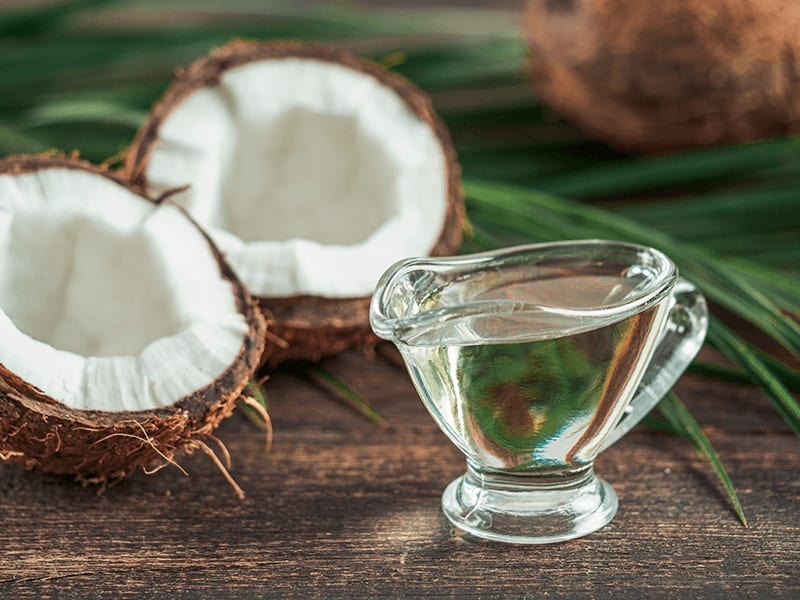
| Appearance (Liquid) | Clear, colourless – slightly yellowish, odourless and tasteless liquid |
| Appearance (Powder) | White – cream-coloured, free-flowing powder (typically spray-dried onto a carrier) |
Note: MCT oil is a mixture of triglycerides composed primarily of medium-chain fatty acids (6-12 carbon atoms) such as caprylic acid (C8:0) and capric acid (C10:0) esterified to glycerol. It is typically obtained by the fractionation of coconut oil or palm kernel oil. Due to its unique metabolic pathway compared to long-chain triglycerides (LCTs), it stands out as a rapid energy source and is widely used in ketogenic diets, sports nutrition, medical nutrition, and cosmetics.
2. PHYSICAL AND CHEMICAL PROPERTIES
| Property | Value / Description |
|---|---|
| Physical form (liquid) | Clear, colourless – slightly yellowish, low-viscosity liquid |
| Physical form (powder) | White – cream-coloured, free-flowing powder |
| Odour and Taste | Neutral; odourless and tasteless |
| Solubility | Insoluble in water; freely soluble in organic solvents and oils. Powder form is dispersible in water. |
| Density (20 °C) | ~0.94 – 0.96 g/cm³ |
| Viscosity (25 °C) | 25 – 35 mPa·s (low) |
| Smoke Point | ~150 – 160 °C (for refined MCT) |
| Freezing Point | Remains liquid below ~0 °C (does not freeze) |
| Peroxide Value | ≤ 1.0 meq O₂/kg |
| Acid Value | ≤ 0.2 mg KOH/g |
| Iodine Value | ≤ 1.0 g I₂/100g (high degree of saturation) |
3. FUNCTIONAL PROPERTIES AND METABOLIC ADVANTAGES
-
Rapid Energy Source and Metabolism: Unlike long-chain triglycerides (LCTs), MCTs are less dependent on bile salts and pancreatic lipase for digestion and absorption. They are rapidly hydrolyzed in the small intestine and transported directly to the liver via the portal vein as free fatty acids. There, they quickly enter the mitochondria and undergo beta-oxidation, being rapidly converted to energy (ATP) or ketone bodies. This process is much faster than the transport of LCTs through the lymphatic system.
-
Efficient Ketone Production: The rapid and efficient conversion of MCTs to ketone bodies (beta-hydroxybutyrate, acetoacetate) in the liver makes them a fundamental component of ketogenic diets. Ketones are an alternative and efficient energy source for the brain and muscles.
-
Lower Fat Storage Tendency: Fatty acids derived from MCTs are preferentially used for energy production, and their tendency to be stored in adipose tissue is lower compared to LCTs.
-
Satiety and Thermogenic Effect: MCT consumption can increase satiety and slightly elevate diet-induced thermogenesis (the body's energy expenditure).
-
Antimicrobial Properties: The medium-chain fatty acids that constitute MCTs (especially caprylic acid) can exhibit antimicrobial activity against certain bacteria, fungi, and viruses.
-
Formulation Advantage (Powder Form): MCT oil powder is produced by spray-drying liquid MCT onto a carrier such as gum arabic or starch. This form provides ease of use in applications like powdered dietary supplements, sports nutrition products, and instant beverage mixes.
4. APPLICATION AREAS AND TYPICAL DOSAGES
| Sector / Application | Purpose | Typical Usage Rate / Dosage |
|---|---|---|
| Ketogenic Diet & Sports Nutrition | Rapid energy source, ketone production, mental and physical performance support | 5 – 30 g per day (1-2 tablespoons); consumed by adding to coffee or smoothies |
| Medical Nutrition | Malabsorption syndromes, gallbladder issues, epilepsy (ketogenic diet), premature infant feeding | Specific to clinical formulations; under dietitian/physician supervision |
| Dietary Supplements | Energy-boosting powdered drinks, protein bars, meal replacement products | 1 – 10 g MCT per serving |
| Cosmetics & Personal Care | Emollient, moisturizer, carrier oil; light, non-greasy texture | 1 – 10% |
| Animal Nutrition | Energy supplement, digestive ease | Varies according to feed formulation |
5. HEALTH BENEFITS AND MECHANISM OF ACTION SUMMARY
-
Rapid Energy: Digestion and absorption are much faster than LCTs; transported directly to the liver via the portal vein.
-
Ketone Production: Rapidly converted to ketone bodies in the liver, providing alternative fuel for the brain and muscles.
-
Weight Management Support: May increase satiety, slightly elevate energy expenditure, and has a lower tendency for fat storage.
-
Cognitive Function: Ketones can support cognitive functions by providing an alternative energy source for the brain, especially in conditions where glucose metabolism is impaired (Alzheimer's, mild cognitive impairment).
-
Antimicrobial Effect: MCT components, especially caprylic acid, can be protective against harmful microorganisms.
6. ALTERNATIVES AND COMPARISON
| Alternative Oil / Lipid Source | Comparison with MCT |
|---|---|
| Long Chain Triglycerides (LCT - Vegetable Oils, Olive Oil, etc.) | Digested and absorbed more slowly; transported via the lymphatic system. Inefficient for ketone production. More prone to storage in adipose tissue compared to MCT. |
| Coconut Oil (Unrefined) | Naturally contains 55-65% MCT, but also a significant amount of LCT. MCT oil is a purer, more concentrated source of MCT obtained by fractionating coconut oil. |
| Other Fats in Ketogenic Diet (Butter, Tallow, etc.) | High in LCT and cholesterol. Their contribution to ketone production is much lower than MCT, and they provide energy more slowly. |
| Exogenous Ketone Salts/Esters | Raise blood ketone levels immediately by providing ketone bodies directly. MCT is a precursor that supports the body's own ketone production (endogenous ketogenesis). |
7. REGULATORY STATUS, SAFETY, AND STORAGE
-
Food Additive / Supplement: MCT oil holds GRAS (Generally Recognized As Safe) status and is widely consumed as a dietary supplement.
-
Safety Profile: Generally considered very safe. Rapid consumption of a high dose (especially in unaccustomed individuals) may cause temporary digestive discomfort (diarrhoea, stomach cramps). It is recommended to increase the dose gradually.
-
Storage (Liquid): Store in a cool (<25 °C), dry, and dark place in tightly sealed packaging. Protect from oxidation; nitrogen blanketing can be applied for long-term storage.
-
Storage (Powder): Store in a cool, dry place, protected from moisture.
-
Shelf Life: Typically 24 months in unopened, original packaging under proper storage conditions.
8. QUICK REFERENCE TABLE
| Property | Value |
|---|---|
| CAS (General) | 73398-61-5 |
| Chemical Class | Medium Chain Triglyceride (MCT) |
| Main Fatty Acids | Caprylic Acid (C8:0), Capric Acid (C10:0) |
| Source | Typically produced by fractionation of 100% coconut oil |
| Appearance | Clear, colourless liquid or white powder |
| Odour and Taste | Neutral; odourless and tasteless |
| Key Benefit | Rapid energy source, efficient ketone production, compatible with ketogenic diet |