We unleash your business potential by maximize the business innovation.
Send EmailSorbitan Tristearate, Sorbitan Trioctadecanoate, Anhydrosorbitan Tristearate, STS, Span 65, E492, 26658-19-5
SORBITAN TRISTEARATE (SORBITAN TRISTEARATE / SPAN 65 / E492)
PRODUCT IDENTIFICATION INFORMATION
| Parameter | Information |
|---|---|
| Product Name | Sorbitan Tristearate / Sorbitan Tristearate |
| Other Technical Names | Sorbitan Trioctadecanoate, Anhydrosorbitan Tristearate, STS, Span 65 |
| CAS Number | 26658-19-5 |
| EC Number | 247-891-4 |
| Chemical Formula | C₆₀H₁₁₄O₈ |
| Molecular Weight | 963.55 g/mol |
| E Code | E492 |
| Product Family | Sorbitan Ester (Span Series) |
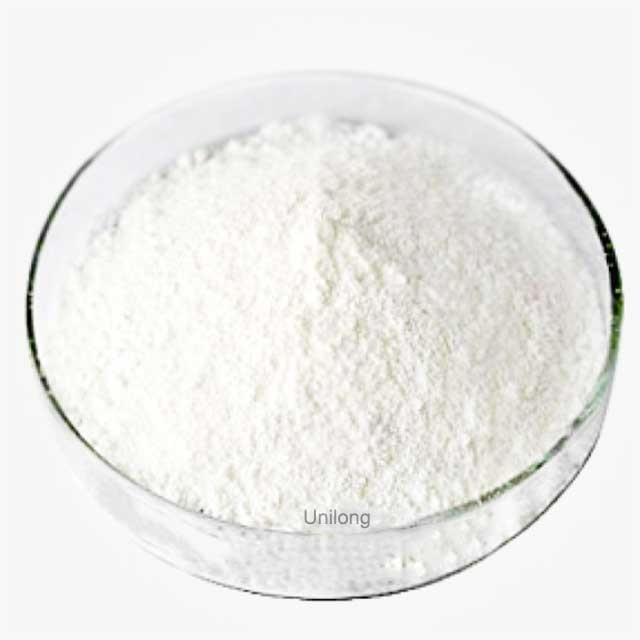
| Appearance | Light cream to tan, waxy solid |
CHEMICAL STRUCTURE
    Sorbitan Tristearate (Span 65)

    Anhydrosorbitol Core
    Esterified with Three Stearic Acid (C₁₇H₃₅COOH) Molecules

                  C₁₇H₃₅COO
                       |
         CH₂-OOC-C₁₇H₃₅
         |              |
         O              CH-OOC-C₁₇H₃₅
         |              |
    CH₂-O-C-CH₂         CH
         |              |
        CHOH            CH₂OH
         |
        CH₂OH

    Sorbitol Derivative
    Esterified with Three Stearic Acid Molecules
    Non-Ionic Surfactant
    Waxy Solid Form
    Food and Cosmetic Emulsifier
Molecular Formula: C₆₀H₁₁₄O₈
Chemical Class: Sorbitan Ester (Non-Ionic Surfactant)
HLB Value: ~2.1 (Low HLB → W/O emulsions)
Physical Form: Waxy solid
Color: Light cream to tan
SECTION 1: CHEMICAL IDENTITY AND DEFINITION
| Parameter | Information |
|---|---|
| Product Name | Sorbitan Tristearate / Sorbitan Tristearate |
| Other Technical Names (English) | Sorbitan Tristearate, Sorbitan Trioctadecanoate, Anhydrosorbitan Tristearate, STS, Span 65 |
| Other Technical Names (Turkish) | Sorbitan Tristearat, Sorbitan Trioktadekanoat, STS, Span 65 |
| Other Technical Names (German) | Sorbitantristearat, Span 65 |
| Other Technical Names (French) | Tristéarate de Sorbitan, Span 65 |
| Other Technical Names (Spanish) | Triestearato de Sorbitán, Span 65 |
| CAS Number | 26658-19-5 |
| EC Number | 247-891-4 |
| E Code | E492 |
| Chemical Formula | C₆₀H₁₁₄O₈ |
| Molecular Weight | 963.55 g/mol |
| Chemical Class | Sorbitan Ester (Non-Ionic Surfactant) |
| HLB Value | ~2.1 (Low HLB) |
| Appearance | Light cream to tan, waxy solid |
| Odor | Characteristic, slight fatty |
| Color | Light cream - tan |
| Physical State | Waxy solid |
SECTION 2: PHYSICAL AND CHEMICAL PROPERTIES
| Property | Value | Test Method / Note |
|---|---|---|
| Appearance | Light cream to tan, waxy solid | Visual |
| Chemical Formula | C₆₀H₁₁₄O₈ | - |
| Molecular Weight | 963.55 g/mol | Calculated |
| HLB Value | ~2.1 | Low HLB → W/O emulsions |
| Melting Point | ~55-57°C | - |
| Density | ~0.98-1.0 g/cm³ | - |
| Solubility | Soluble in oils; Dispersible in water (insoluble) | - |
| Acid Value | ≤ 15 | - |
| Saponification Value | 145-165 | - |
| Hydroxyl Value | 175-205 | - |
| Ash Content | ≤ 0.5% | - |
| Water Content | ≤ 2.0% | - |
| Iodine Value | ≤ 2 | - |
SECTION 3: FUNCTIONAL PROPERTIES
| Property | Explanation |
|---|---|
| Non-Ionic Surfactant | Reduces surface tension, providing stability in oil-water systems. |
| Emulsifier | Ensures homogeneous mixing of oil and water phases. Ideal for W/O (water-in-oil) emulsions. |
| Stabilizer | Prevents emulsion breakdown. Extends product shelf life. |
| Dispersing Agent | Helps uniform distribution of particles in aerosol sprays and food systems. |
| Anti-Bloom Agent | Prevents fat crystallization (bloom) on chocolate surfaces. |
| Viscosity Regulator | Controls product consistency and texture. |
SECTION 4: APPLICATION AREAS
4.1 Food Industry
| Application Area | Function | Explanation |
|---|---|---|
| Chocolate | Anti-bloom agent, emulsifier | Prevents fat crystallization, provides glossy appearance |
| Margarine | Emulsifier, stabilizer | Keeps water and oil phases stable |
| Confectionery | Dispersing agent | Ensures homogeneous distribution of sugar and fat |
| Bakery Products | Emulsifier | Improves dough structure, extends shelf life |
| Ice Cream | Stabilizer | Prevents ice crystallization, provides creamy texture |
| Creams and Fillings | Emulsifier, stabilizer | Provides homogeneous structure, prevents separation |
4.2 Cosmetics and Personal Care
| Application Area | Function | Explanation |
|---|---|---|
| Creams and Lotions | Emulsifier | Forms W/O emulsions, thickening agent |
| Sunscreens | Dispersing agent | Ensures homogeneous distribution of UV filters |
| Makeup Products | Emulsifier, stabilizer | Improves pigment distribution |
| Body Lotions | Emollient | Provides skin smoothness |
4.3 Industrial Applications
| Application Area | Function | Explanation |
|---|---|---|
| Aerosol Sprays | Dispersing agent | Ensures uniform distribution of particles |
| Plastics and Coatings | Additive | Improves surface properties |
| Pharmaceutical | Emulsifier | Used in ointments and suspensions |
SECTION 5: SPAN SERIES COMPARISON TABLE
| Product (Span) | Chemical Name | HLB Value | Physical Form | Function | E Code (EU) | Industry Suitability |
|---|---|---|---|---|---|---|
| Span 20 | Sorbitan Monolaurate | ~8.6 | Amber liquid | O/W emulsifier, dispersant | E493 | Food (confectionery, bakery), cosmetics (lotions, creams), pharmaceutical suspensions |
| Span 40 | Sorbitan Monopalmitate | ~6.7 | Waxy solid | W/O emulsifier, stabilizer | E494 | Food (margarine, fatty products), cosmetics |
| Span 60 | Sorbitan Monostearate | ~4.7 | Waxy solid | Strong W/O emulsifier, stabilizer | E491 | Food (chocolate, margarine), pharmaceutical ointments, cosmetics |
| Span 65 | Sorbitan Tristearate | ~2.1 | Waxy solid | W/O emulsifier, anti-bloom agent | E492 | Food (chocolate, margarine), cosmetics |
| Span 80 | Sorbitan Monooleate | ~4.3 | Viscous liquid | W/O emulsifier, dispersant | E495 | Food, pharmaceutical capsules, cosmetics (sunscreen, lotions) |
| Span 85 | Sorbitan Trioleate | ~1.8 | Viscous liquid | W/O emulsifier, dispersant | (No E code) | Industrial (lubricants, coatings), limited cosmetics |
SECTION 6: TECHNICAL SPECIFICATIONS
| Parameter | Specification | Test Method |
|---|---|---|
| Appearance | Light cream to tan waxy solid | Visual |
| Acid Value | ≤ 15 | - |
| Saponification Value | 145-165 | - |
| Hydroxyl Value | 175-205 | - |
| Iodine Value | ≤ 2 | - |
| Ash Content | ≤ 0.5% | - |
| Water Content | ≤ 2.0% | - |
| Heavy Metals | ≤ 10 ppm | AAS / ICP |
| Arsenic | ≤ 2 ppm | AAS / ICP |
| Lead | ≤ 2 ppm | AAS / ICP |
| Mercury | ≤ 1 ppm | AAS / ICP |
SECTION 7: TOXICOLOGICAL PROFILE
| Parameter | Value |
|---|---|
| Acute Oral Toxicity | Low toxicity |
| Skin Irritation | Low irritant |
| Eye Irritation | May be slightly irritating |
| Chronic Toxicity | High doses may cause mild effects on digestive system |
| Carcinogenicity | Not classified as carcinogenic |
| Mutagenicity | Not classified as mutagenic |
| Target Organs | Digestive system (at high doses) |
| Special Toxicity Note | Considered safe as food additive by EFSA and FDA (within established limits) |
SECTION 8: GHS CLASSIFICATION AND LABELING
GHS Classification (in compliance with CLP and UN GHS):
| Hazard Class | Category | H-Statement |
|---|---|---|
| Generally not classified as hazardous | - | - |
Note: Considered safe as food additive. No health risks under normal use conditions.
Signal Word: Signal word not required
Hazard Pictograms: May not be required
SECTION 9: STORAGE AND SHELF LIFE
| Parameter | Information |
|---|---|
| Storage Conditions | Cool, dry, well-ventilated area; Protect from direct sunlight |
| Container Requirements | Keep in original packaging, tightly closed |
| Materials to Protect From | Light, moisture, strong oxidizing agents |
| Shelf Life | 2-3 years (under proper storage conditions) |
| Stability Note | Stable under normal conditions; May decompose at high temperatures |
SECTION 10: PACKAGING OPTIONS
| Packaging Type | Quantity | Material |
|---|---|---|
| Plastic Drum | 25-50 kg | HDPE |
| Plastic Bucket | 5-25 kg | HDPE |
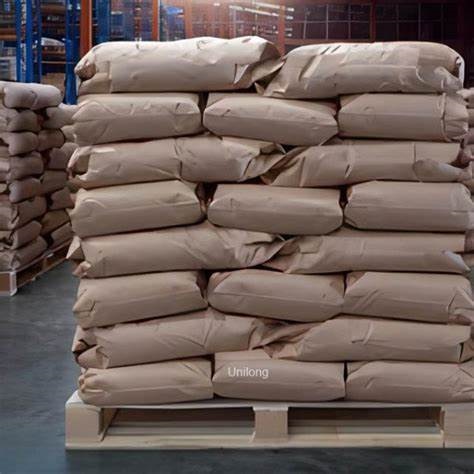
| Multi-layer Bag | 25 kg | PE lined kraft |
| Carton Box | 25 kg | Cardboard |
SECTION 11: TRANSPORT INFORMATION
| Parameter | Information |
|---|---|
| UN Number | Not regulated (not dangerous) |
| Hazard Class | Not applicable |
| Packing Group | Not applicable |
| ADR/RID | Not regulated |
| IMDG Code | Not regulated |
| IATA (Air) | Not regulated |
| Marine Pollutant | No |
| Transport Temperature | Ambient temperature |
SECTION 12: OTHER NAMES AND SYNONYMS
| Type | Name |
|---|---|
| Turkish Names | Sorbitan Tristearat, Sorbitan Trioktadekanoat, STS, Span 65 |
| English Names | Sorbitan Tristearate, Sorbitan Trioctadecanoate, Anhydrosorbitan Tristearate, STS, Span 65 |
| Trade Names | Span 65, Alkest, Canarcel |
| E Code | E492 |
| Chemical Names | Sorbitan trioctadecanoate; Sorbitan tristearate |
| CAS Number | 26658-19-5 |
| EC Number | 247-891-4 |
SECTION 13: SUMMARY TABLE
| Parameter | Value |
|---|---|
| Product | Sorbitan Tristearate / Span 65 |
| CAS Number | 26658-19-5 |
| EC Number | 247-891-4 |
| E Code | E492 |
| Chemical Formula | C₆₀H₁₁₄O₈ |
| Molecular Weight | 963.55 g/mol |
| Appearance | Light cream to tan waxy solid |
| HLB Value | ~2.1 |
| Melting Point | ~55-57°C |
| Primary Function | Non-ionic surfactant; Emulsifier; Stabilizer |
| Main Applications | Food (chocolate, margarine), cosmetics, industrial |
| Shelf Life | 2-3 years |
| GHS Signal Word | Signal word not required |
| UN Number | Not regulated |
| Special Features | Approved as food additive (E492); W/O emulsifier; Anti-bloom agent |
SECTION 14: CRITICAL WARNINGS AND BEST PRACTICES
CRITICAL WARNINGS:
-
Considered safe as food additive by EFSA and FDA (within established limits).
-
High doses may cause mild effects on the digestive system.
-
Usage amount is limited according to product type and country regulations.
-
Low HLB value (~2.1) makes it ideal for W/O emulsions.
-
Anti-bloom agent prevents fat crystallization on chocolate surfaces.
-
No health risks under normal use conditions.
BEST PRACTICE RECOMMENDATIONS:
7. Chocolate Production:
Use as anti-bloom agent and emulsifier. Prevents fat crystallization, provides glossy appearance.
8. Margarine Production:
Use as emulsifier and stabilizer. Keeps water and oil phases stable.
9. Cosmetic Formulations:
Use to form W/O emulsions. Use as thickening agent in creams and lotions.
10. Aerosol Sprays:
Use as dispersing agent. Ensures uniform distribution of particles.
11. Use:
Usage amount should be adjusted according to product type and country regulations.
12. Storage:
Store in cool, dry and well-ventilated areas. Protect from direct sunlight.
APPLICATION RECOMMENDATIONS AND LIMITATIONS:
| Application | Maximum Usage Level | Explanation |
|---|---|---|
| Chocolate | 0.1-0.3% | As anti-bloom agent |
| Margarine | 0.2-0.5% | As emulsifier |
| Confectionery | 0.5-1.0% | As dispersing agent |
| Cosmetics | 1.0-5.0% | Depends on formulation |
| Bakery Products | 0.2-0.5% | Improves dough structure |
RECOMMENDED STORAGE CONDITIONS:
| Parameter | Requirement |
|---|---|
| Storage Temperature | 15-25°C |
| Humidity | <60% relative humidity |
| Container | Tightly closed |
| Location | Cool, dry, well-ventilated area |
LEGAL DISCLAIMER:
The information provided in this document is based on our current knowledge and experience and is provided in good faith; however, since all conditions of use are beyond our control, it does not constitute a binding specification or warranty. This Technical Data Sheet is for informational purposes only. Users are responsible for testing suitability for their own applications. For complete safety, storage, use, handling, disposal and regulatory compliance information, reference should be made to the official Safety Data Sheet (SDS/MSDS) provided by the manufacturer/supplier.