We unleash your business potential by maximize the business innovation.
Send EmailMilk Powder, Skim Milk Powder, Whole Milk Powder, Non-Fat Dry Milk Powder, SMP, WMP, NFDMP, 68514-61-4
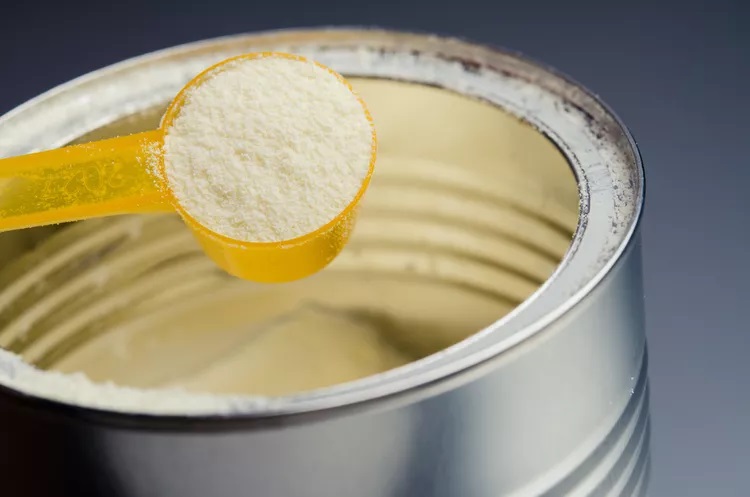
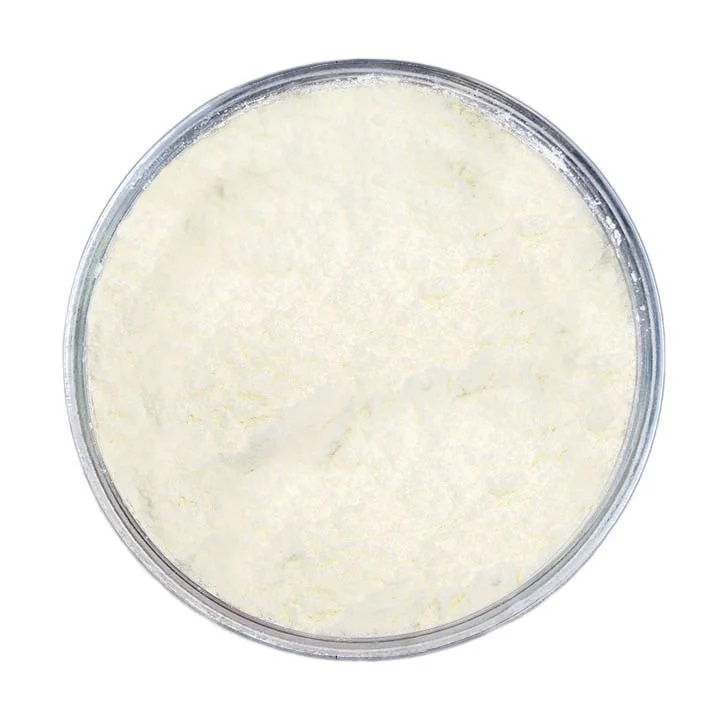
Milk powder is essentially dehydrated milk, created by removing water from fresh milk through evaporation and spray-drying. This process preserves most of the nutritional value while making the product lightweight, shelf-stable, and easy to transport.
Key Features
-
Nutritional profile: Rich in proteins, lactose, minerals (like calcium), and vitamins. Fat content varies depending on whether it’s skimmed or full cream milk powder.
-
Forms:
-
Skim milk powder (low-fat, high protein)
-
Whole milk powder (higher fat, creamier taste)
-
Specialty powders (fortified or hydrolyzed for infant formula or medical nutrition)
-
-
Advantages:
-
Long shelf life compared to liquid milk
-
Easy storage and transport
-
Reconstitutes with water to resemble fresh milk
-
Applications
-
Food industry: Infant formula, bakery products, confectionery, ice cream, coffee creamers, soups, sauces.
-
Pharmaceuticals & nutrition: Used in dietary supplements and medical nutrition.
-
Trade: Because of its stability, milk powder is a major commodity in international dairy trade.
Production Process
-
Pasteurization of fresh milk
-
Evaporation to remove most of the water
-
Spray drying into fine powder particles
Types
-
Skim Milk Powder (SMP): Low-fat, high protein.
-
Whole Milk Powder (WMP): Higher fat, creamier taste, more energy-dense.
-
High-fat milk powders: Specialized formulations for certain foods.
-
Functional powders: Fortified, hydrolyzed, or enriched with vitamins/minerals (common in infant formula and medical nutrition).
Applications
-
Food industry: Infant formula, chocolate, ice cream, bakery products, coffee creamers, soups, sauces.
-
Pharmaceuticals & nutrition: Dietary supplements, medical nutrition solutions.
-
Animal feed: Used as a protein and energy source in some formulations.
-
Industrial uses: Occasionally as a binder or filler in non-food applications.
Usage Ratios (examples)
-
Infant formula: 40–60% milk powder base.
-
Chocolate: 10–20% milk powder.
-
Ice cream: 5–10% milk powder.
-
Bakery products: 2–5% milk powder. (Ratios vary depending on recipe and product requirements.)
Production Process
-
Pasteurization of fresh milk.
-
Evaporation to remove most of the water.
-
Spray drying into fine powder particles.
-
Packaging in moisture-proof containers.
Sectoral Importance
-
Food industry: Extends shelf life, reduces transport/storage costs, ensures consistent quality.
-
International trade: A key dairy commodity due to stability and ease of shipping.
-
Nutrition & health: Essential in infant formula and medical diets.
-
Agriculture: Supplement in animal feed.
Common Names
-
Dried milk
-
Powdered milk
-
Dehydrated milk
-
Milk solids (often used in food labeling)
Technical/Industry Terms
-
SMP (Skim Milk Powder) – low-fat version
-
WMP (Whole Milk Powder) – full-fat version
-
NFDM (Non-Fat Dry Milk) – another term for skim milk powder, widely used in trade and regulations
-
Fat-filled milk powder – skim milk powder blended with vegetable fat, common in developing markets
-
Instant milk powder – specially processed to dissolve quickly in water
Regional Variations
-
In European Union trade, “milk powder” is often categorized as SMP or WMP.
-
In U.S. dairy regulations, “NFDM” is the standard designation.
-
In Asia and Middle East, “fat-filled milk powder” is a frequent commercial term.