We unleash your business potential by maximize the business innovation.
Send EmailMethyl Alcohol, Methanol, Wood Alcohol, Carbinol, Methyl Hydrate, Methyl Hydroxide, Hydroxymethane, MeOH, 67-56-1
TECHNICAL DATA SHEET (TDS)
| Product Name | METHYL ALCOHOL (METHANOL) |
|---|---|
| Revision No. | 1.0 |
| Issue Date | 2026-04-21 |
1. PRODUCT IDENTIFICATION
| Property | Description |
|---|---|
| Chemical Name (IUPAC) | Methanol |
| Common Names / Synonyms | Methyl Alcohol, Wood Alcohol, Carbinol, Methyl Hydrate, Methyl Hydroxide, Hydroxymethane, MeOH |
| Chemical Formula | CH₃OH |
| CAS Number | 67-56-1 |
| EC Number | 200-659-6 |
| Molecular Weight | 32.042 g/mol |
| Structure | The simplest type of alcohol. A primary aliphatic alcohol. |
2. PHYSICAL AND CHEMICAL PROPERTIES
| Parameter | Value / Specification |
|---|---|
| Physical Appearance | Clear, Colorless Liquid |
| Odor | Mild, pungent alcoholic odor (when pure) |
| Polarity | Highly Polar |
| Boiling Point | 64.7 - 65.4 °C (at 760 mmHg) |
| Melting Point | -97.6 to -98 °C |
| Density | 0.791 - 0.792 g/mL (at 20 °C) |
| Vapor Density | 1.11 (Air = 1) -> Heavier than air |
| Vapor Pressure | 12.8 kPa (at 20 °C) |
| Flash Point | 11 - 12 °C (Closed Cup) |
| Auto-Ignition Temperature | 455 - 464 °C |
| Solubility in Water | Completely miscible |
| Solubility in Organics | Miscible with Ethanol, Ether, Acetone, Benzene, Chloroform, Ketones, and most organic solvents. |
| Oxidation Products | Formaldehyde -> Formic Acid -> Carbon Dioxide |
3. APPLICATIONS AND USES
Methanol is a fundamental building block of the global chemical industry. Its applications are categorized as follows:
A. Chemical Intermediate & Feedstock:
-
Formaldehyde Production: The primary use. Manufactured via oxidation/dehydrogenation using metal oxide or silver catalysts.
-
Acetic Acid Production: Used in carbonylation processes (Monsanto/Cativa) to produce acetic acid or acetic anhydride.
-
Biodiesel Production: Reacts with vegetable/animal oils via transesterification to produce Fatty Acid Methyl Esters (FAME) and glycerin.
-
Polymer Precursors: Essential for the production of Dimethyl Terephthalate (DMT), Methyl Methacrylate (MMA), and Acrylic Acid.
-
Synthesis: Used in the manufacture of amines, sulfonamides, and other fine chemicals.
B. Solvent Applications:
-
Laboratory Chemical: Used as a polar solvent in HPLC, spectroscopy, and chemical synthesis.
-
Analytical Chemistry: Specifically used in the determination of Boron and as a solvent for separating inorganic salts (e.g., Calcium Sulfate from Magnesium Sulfate, Strontium Bromide from Barium Bromide).
-
Industrial Formulations: Used in the manufacture of adhesives, sealants, paints, and varnishes.
C. Fuel and Energy Applications:
-
Alternative Fuel: Utilized in racing cars (drag racing, IndyCar) due to its low flash point and high octane rating, allowing for high compression and rapid combustion. Also used in camping stoves.
-
Denaturant: Added to industrial Ethanol to render it undrinkable (denatured alcohol).
-
Anti-Freeze & De-Icing: Used in windshield washer fluid, natural gas pipeline hydrate inhibition, and aircraft de-icing due to its low freezing point.
-
Engine Cooling: Used in water-methanol injection systems to cool intake air temperatures in high-performance engines.
D. Functional Additives:
-
Wastewater Treatment: Used as a carbon source for denitrification in biological treatment plants.
-
Corrosion Inhibition & Anti-Scaling: Utilized in closed-loop water systems and industrial cleaning.
-
Disinfectant: Used in industrial settings for environmental disinfection in non-human contact areas.
4. SAFETY INFORMATION & WARNINGS
This section provides a critical summary of hazard communication. Refer to the Safety Data Sheet (SDS) for comprehensive safety handling procedures.
| Hazard Class | Description |
|---|---|
| Toxicity | HIGHLY TOXIC. Ingestion, inhalation, or skin absorption can cause blindness and death. It metabolizes in the body to Formaldehyde and Formic Acid, leading to metabolic acidosis and optic nerve damage. THIS IS THE PRIMARY CAUSE OF "BOOTLEG LIQUOR" POISONING. DO NOT DRINK. Public perception is rightly negative due to its illicit use history. |
| Flammability | Highly Flammable Liquid (Category 2). Vapors can form explosive mixtures with air. Flames are nearly invisible in daylight. |
| First Aid Summary | If swallowed, DO NOT INDUCE VOMITING. Seek immediate medical attention. Antidotes include Fomepizole or Ethanol (under strict medical supervision). |
5. STORAGE AND HANDLING
| Criteria | Specification |
|---|---|
| Storage Conditions | Store in a cool, dry, well-ventilated area. Keep away from heat, sparks, and open flames. Keep separate from strong oxidizers (Perchloric acid, Chromic acid, Nitric acid). |
| Compatible Materials | Stainless Steel (316), Carbon Steel (for anhydrous), Teflon (PTFE), Polyethylene (HDPE). |
| Incompatible Materials | Aluminum, Titanium, Natural Rubber, some Fluoroelastomers (e.g., Viton may swell). |
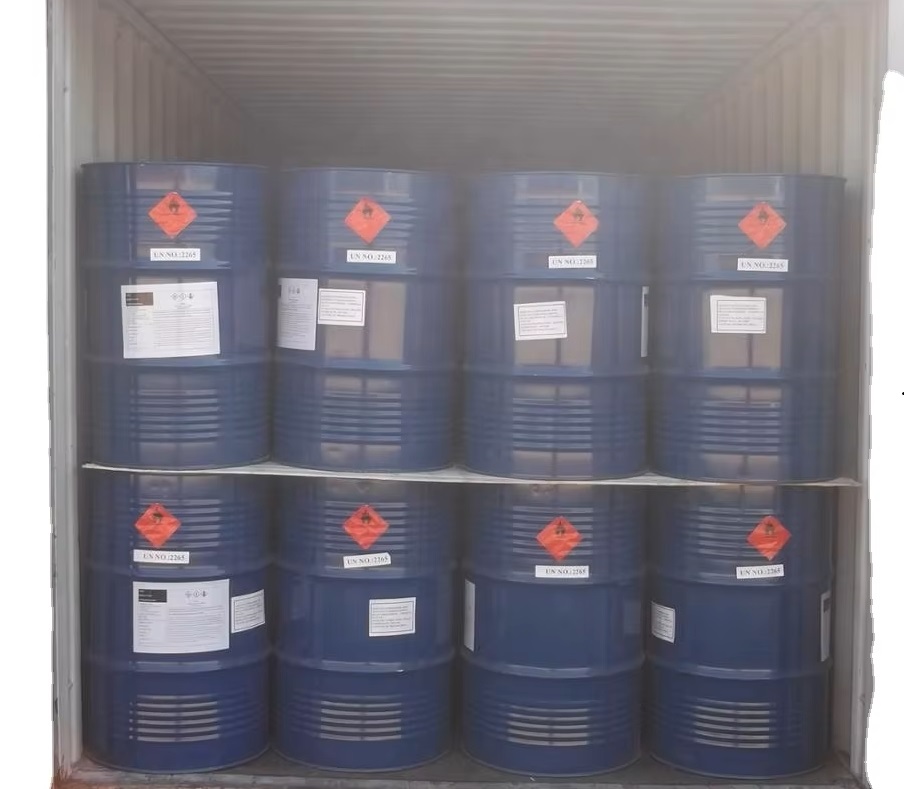
| Hazard Class (ADR/RID) | Class 3 (Flammable Liquids), Packing Group II |
| UN Number | UN 1230 |
6. QUALITY CONTROL PARAMETERS (Industrial Grade)
| Parameter | Typical Range / Specification |
|---|---|
| Purity (GC) | Min. 99.85% |
| Water Content (Karl Fischer) | Max. 0.10% (1000 ppm) |
| Acidity (as Acetic Acid) | Max. 30 ppm |
| Evaporation Residue | Max. 10 ppm |
| Color (APHA) | Max. 5 |
7. LEGAL NOTICE AND DISCLAIMER
The information contained in this Technical Data Sheet (TDS) is based on current knowledge and experience. It is provided for the purpose of health, safety, and environmental product stewardship. It does not constitute a guarantee of suitability for a specific application. The user is responsible for conducting all necessary tests and complying with all applicable laws and regulations regarding the handling and use of this product. Due to its high toxicity to human health, use in consumer products intended for ingestion (food, beverages, counterfeit spirits) is strictly prohibited and fatal. This document is not a contractual specification.