We unleash your business potential by maximize the business innovation.
Send EmailCarbon Black, Food Black 2, Vegetable Carbon Black, Charcoal Black, Lamp Black, Acetylene Black, Black Food Dye, E153, 1333-86-4
Vegetable Carbon Black (E153) – Black Food Dye (Carbon Black)
| Property | Detail |
|---|---|
| Common Names | Carbon Black, Vegetable Carbon, Charcoal Black, Lamp Black, Channel Black, Acetylene Black, Active Carbon Black, Kömür Siyahı |
| Food Code | E153 |
| Color Shade | Intense black |
| CAS Number | 1333-86-4 |
| Chemical Formula | C (pure carbon) |
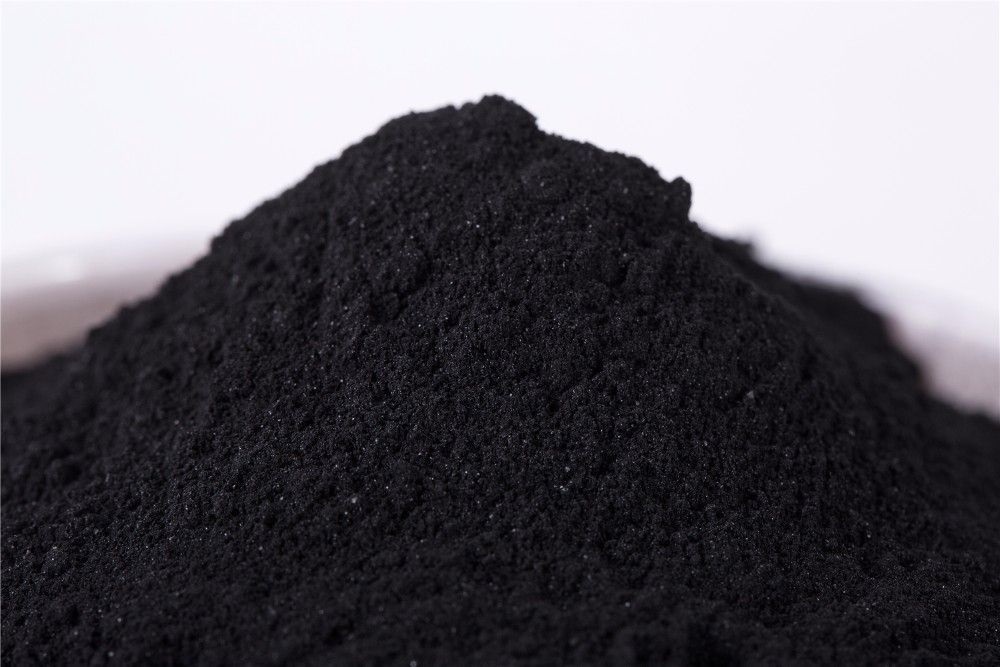
| Appearance | Fine black powder |
| Density | 1.8–2.1 g/cm³ |
| Solubility | Insoluble in water |
| Colour Index | C.I. 77266 (Pigment Black 6/7) |
| Alternative Names | Food Black 2, Vegetable Carbon, Charcoal Black, Active Carbon Black |
What is Vegetable Carbon Black (E153)?
Vegetable Carbon Black (E153), also known as Carbon Black or Food Black 2, is a black pigment used as a food colorant. It is produced by the incomplete combustion of vegetable matter or petroleum products. For food-grade applications, it is typically derived from vegetable sources (plant fibers) through a process called steam activation (charring/roasting).
Important Note: Food-grade vegetable carbon black is different from industrial carbon black. It must be obtained from approved food safety-certified manufacturers and meets strict purity standards.
Key Characteristics:
-
Intense black color (true black, not bluish or violet)
-
Insoluble in water (dispersible in liquids)
-
Very stable to heat, light, and pH changes
-
Used as a natural alternative to synthetic black dyes (e.g., E151)
-
Suitable for many dietary groups (halal, vegan, kosher - depends on source)
Source and Production
| Source Type | Details |
|---|---|
| Food-Grade Source | Vegetable fibers (plant-based) |
| Production Method | Steam activation (charring/roasting) of vegetable fibers |
| Industrial Source | Incomplete combustion of petroleum products (not for food use) |
| Grinding | Ground into very fine particles |
| Stabilization | Often stabilized with glucose or glycerin for easy use in foods |
| Purity | High purity (food-grade, free from polycyclic aromatic hydrocarbons - PAHs) |
Production Process:
-
Vegetable fibers are collected (e.g., wood, coconut shells, plant residues)
-
Fibers are charred/roasted (carbonization)
-
Activated with steam (steam activation)
-
Ground into very fine black powder
-
Stabilized with glucose or glycerin (for food applications)
Important: Only vegetable-derived carbon black is permitted for food use. Industrial carbon black (from petroleum) is not food-grade and may contain harmful impurities.
Physical and Chemical Properties
| Property | Value |
|---|---|
| Appearance | Fine black powder |
| Density | 1.8–2.1 g/cm³ |
| Melting Point | Sublimes at high temperatures |
| Solubility | Insoluble in water (dispersible) |
| Chemical Formula | C (pure carbon) |
| Stability | Very stable (heat, light, pH) |
| Particle Size | Very fine (micronized for food use) |
| Color | Intense true black (not bluish or violet) |
Stability Advantages:
-
Heat Stable: Withstands high-temperature processing (baking, pasteurization)
-
Light Stable: Does not fade with light exposure
-
pH Stable: Stable across wide pH range (acidic to alkaline)
-
Long Shelf Life: Very stable pigment
Applications and Usage Areas
Vegetable Carbon Black (E153) is used as a natural black colorant across multiple industries.
1. Food Industry
| Product Category | Examples | Notes |
|---|---|---|
| Confectionery | Jellies, gummies, dragées (sugar-coated nuts/candies), licorice, chewing gum | Decorative coatings |
| Bakery Products | Cookies, biscuits, cakes, breads, pastries | Heat-stable |
| Ice Cream & Creams | Black ice cream, frozen desserts, whipped cream, cream fillings | |
| Frostings & Icings | Cake decorations, black icing, fondant | |
| Dairy Products | Black yogurt, black cheese (specialty products) | |
| Beverages | Soft drinks, energy drinks (black/dark colors) | Suspension required |
| Sauces & Condiments | Black sauces (squid ink alternative), black ketchup | |
| Edible Decorations | Sprinkles, edible glitter, cake decorations |
2. Pharmaceutical Industry
| Application | Examples |
|---|---|
| Tablet Coatings | Black-coated tablets |
| Capsules | Black gelatin capsules |
| Activated Charcoal Products | Digestive health supplements |
3. Other Industrial Applications (Non-Food)
| Application | Examples |
|---|---|
| Rubber Industry | Tire reinforcement, rubber products |
| Plastics | Black pigment for plastics |
| Paints & Coatings | Black pigments |
| Printing Inks | Black printing inks |
Note: Industrial applications use non-food-grade carbon black. Food-grade E153 is specially purified for food use.
Stability Properties
| Condition | Stability | Notes |
|---|---|---|
| Heat | Very high | Stable up to very high temperatures (baking, frying) |
| Light | Very high | Does not fade with light exposure |
| pH | Very high | Stable across pH 2-12 (acidic to alkaline) |
| Water | Insoluble (dispersible) | Must be dispersed (not dissolved) |
| Shelf Life | Very long | Very stable pigment |
Advantage: Unlike many natural colorants, vegetable carbon black is extremely stable to heat, light, and pH changes. This makes it ideal for applications where other natural black colorants (e.g., E151) would degrade.
Vegetable Carbon Black vs. Other Black Food Colorants
Comparison with Synthetic Black Dye
| Feature | E153 (Vegetable Carbon) | E151 (Black PN) |
|---|---|---|
| Source | Natural (vegetable fibers) | Synthetic (azo dye) |
| Color | True black | Blackish violet |
| Solubility | Insoluble (dispersible) | Water-soluble |
| Heat Stability | Very high | Moderate |
| Light Stability | Very high | Moderate |
| EU Warning Label | No (natural) | Yes (synthetic) |
| USA Status | Permitted | Not permitted |
| Halal/Vegan | Yes (vegetable source) | Yes (synthetic) |
| Cost | Moderate | Low |
Comparison with Natural Black Alternatives
| Feature | E153 (Vegetable Carbon) | Activated Charcoal | Squid Ink |
|---|---|---|---|
| Source | Vegetable fibers | Coconut shells/wood | Squid/cuttlefish |
| Color | True black | True black | Deep black (slight blue) |
| Stability | Very high | Very high | Moderate |
| Heat Stability | Very high | Very high | Low (degrades) |
| Halal | Yes (vegetable) | Yes (vegetable) | Controversial (seafood) |
| Vegan | Yes | Yes | No |
| Taste | Neutral | Slightly earthy | Salty/briny |
| Cost | Moderate | Moderate | High |
Comparison of Different Carbon Black Types (for reference)
| Type | Source | Food Grade? | Common Use |
|---|---|---|---|
| Vegetable Carbon | Plant fibers (wood, coconut) | Yes (E153) | Food colorant |
| Lamp Black | Incomplete combustion of oils | No | Industrial (paints, inks) |
| Channel Black | Natural gas combustion | No | Industrial (rubber, plastics) |
| Acetylene Black | Acetylene gas | No | Industrial (batteries, conductive) |
| Active Carbon Black | Various (activated carbon) | Limited (not for color) | Water filtration, supplements |
Important: Only Vegetable Carbon (from plant fibers) is approved as a food colorant (E153). Other carbon blacks are not food-grade.
Safety and Regulatory Status
| Question | Answer |
|---|---|
| Is it safe? | Yes, food-grade vegetable carbon black is considered safe. |
| ADI (Acceptable Daily Intake) | Not specified (EFSA – considered very safe at intended use levels) |
| Side Effects | No known side effects at concentrations used in foods. High doses may cause temporary black discoloration of feces (harmless). |
| Toxicity | Very low toxicity. Food-grade material is free from harmful polycyclic aromatic hydrocarbons (PAHs). |
| Purity Requirements | Must be free from PAHs and other impurities (strict food-grade standards). |
Regulatory Status:
| Region | Status | Notes |
|---|---|---|
| European Union | Permitted | Subject to purity criteria (free from PAHs) |
| Turkey | Permitted | Compliant with EU regulations |
| United States (FDA) | Not permitted as colorant | Carbon black is not approved as a food colorant in the USA (except for specific uses like activated charcoal in supplements) |
| Japan | Permitted | |
| Australia/New Zealand | Permitted | |
| Canada | Permitted (limited) |
Important USA Note: E153 (Carbon Black / Vegetable Carbon) is not approved as a food colorant in the United States. However, activated charcoal (from coconut shells or wood) may be used in limited applications (e.g., supplements, but not as a colorant).
Storage and Handling
| Requirement | Recommendation |
|---|---|
| Moisture | Protect from moisture (hygroscopic) |
| Dust | Avoid inhalation (fine powder) |
| Container | Airtight containers |
| Temperature | Store in a cool, dry place |
| Shelf Life | Very long (several years when stored properly) |
| Dispersion | For food use, pre-disperse in oil or water with stabilizer (glucose/glycerin is often added by manufacturer) |
Natural Alternatives to Vegetable Carbon Black
| Desired Color | Alternative Natural Colorant |
|---|---|
| True Black | Squid ink (not vegan, not halal for some), Activated charcoal (limited approval) |
| Blackish Violet | Anthocyanins (E163) at high pH |
| Dark Brown/Black | Caramel (E150d) + Anthocyanins blend |
| Black | Black carrot concentrate (dark purple, not true black) |
Summary
| Question | Answer |
|---|---|
| What is E153? | Vegetable Carbon Black, a natural black food colorant from vegetable fibers. |
| Is it natural? | Yes, derived from vegetable fibers (plant-based). |
| What color does it produce? | Intense true black (not bluish or violet). |
| Is it safe? | Yes, food-grade vegetable carbon is considered safe. |
| Is it water-soluble? | No, insoluble in water (dispersible). |
| What products contain it? | Confectionery, baked goods, ice cream, cake decorations, pharmaceuticals. |
| Is it heat stable? | Yes, very high heat stability. |
| Is it halal/vegan? | Yes (vegetable source, plant-based). |
| Is it approved in the USA? | No, not approved as a food colorant in the USA. |
| How is it listed on labels? | E153, Vegetable Carbon, Carbon Black, Food Black 2, Charcoal Black. |
Key Takeaway
Vegetable Carbon Black (E153) is a natural black food colorant derived from vegetable fibers (plant-based) through steam activation (charring). It produces an intense true black color and is extremely stable to heat, light, and pH changes. It is widely used in confectionery, baked goods, ice cream, and cake decorations.
Advantages:
-
Natural (vegetable-derived)
-
Intense true black color
-
Very high heat, light, and pH stability
-
No warning label required
-
Halal and vegan (plant-based)
Disadvantages:
-
Insoluble in water (requires dispersion)
-
Not approved in the USA as a food colorant
-
Must be food-grade (free from PAHs)
-
Industrial carbon black is NOT safe for food
Best Used For: Products requiring a stable, intense black color that can withstand high temperatures and light exposure, such as baked goods, confectionery, and frozen desserts.