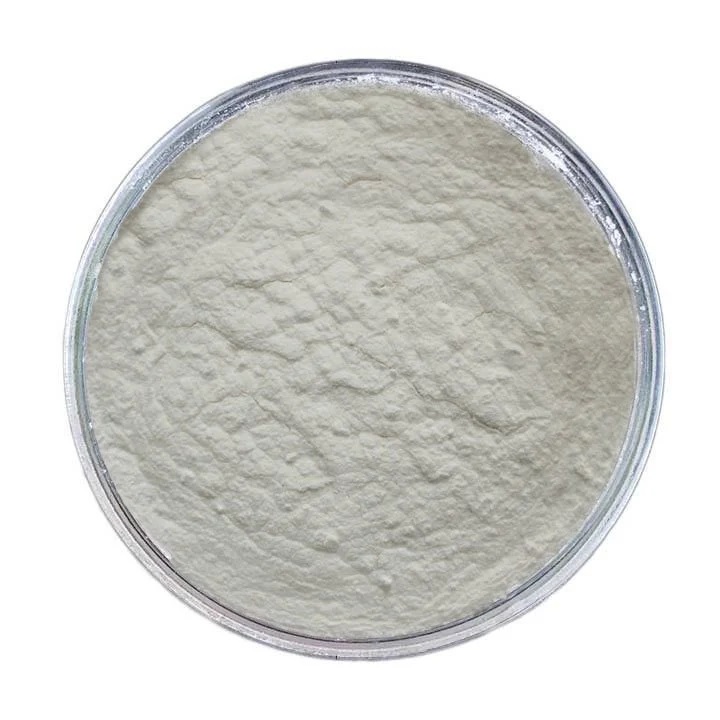
Disodium Ribonucleotide, Ribonucleotide (I+G), Disodium Inosinate, Disodium Guanylate, IMP, GMP, E635, (I+G), 4691-65-0, 5550-12-9
DISODIUM RIBONUCLEOTIDE (I+G) – E635
1. CHEMICAL IDENTITY AND DEFINITION
| Parameter |
Information |
| Chemical Name |
Disodium 5'-Ribonucleotide |
| Other Names |
Ribonucleotide (I+G), Disodium 5'-Inosinate + Disodium 5'-Guanylate, E635, I+G, Inosinic Acid + Guanylic Acid Sodium Salts |
| CAS Number |
4691-65-0 (Disodium Inosinate), 5550-12-9 (Disodium Guanylate) |
| E Number |
E635 |
| Composition |
Mixture of Disodium 5'-Inosinate (IMP) and Disodium 5'-Guanylate (GMP) |
| Appearance |
White to off-white, crystalline powder |
| Odor |
Odorless or very faint characteristic odor |
| Physical State (20°C) |
Solid (powder) |
| Chemical Class |
Nucleotide salt (organic) |
2. COMPONENT CHEMICAL IDENTITIES
| Parameter |
Disodium Inosinate (IMP) |
Disodium Guanylate (GMP) |
| Chemical Name |
Disodium 5'-inosinate |
Disodium 5'-guanylate |
| E Number |
E630 (acid form) |
E626 (acid form) |
| CAS Number |
4691-65-0 |
5550-12-9 |
| Molecular Formula |
C₁₀H₁₁N₄Na₂O₈P |
C₁₀H₁₂N₅Na₂O₈P |
| Molecular Weight |
~392.17 g/mol |
~407.19 g/mol |
| I:G Ratio |
Typically 1:1 or 2:1 (I:G) |
|
3. WHAT IS RIBONUCLEOTIDE (I+G)?
Ribonucleotide (I+G) is a mixture of sodium salts of two nucleotides (inosinic acid and guanylic acid) naturally found in meat and fish. Known as E635, this food additive is used as a flavor enhancer. It does not have a distinct taste on its own but potentiates other flavors and exhibits a synergistic effect when used with MSG.
4. CHEMICAL PROPERTIES
| Property |
Information |
| Chemical Structure |
Nucleotide salts (inosinate + guanylate) |
| Molecular Weight |
~392-407 g/mol (depending on components) |
| Appearance |
White to off-white powder |
| Odor |
Odorless |
| Solubility in Water |
High (freely soluble) |
| pH (1% solution) |
~7.0 - 8.5 |
| Stability |
Stable under normal conditions |
| Hygroscopicity |
Slightly hygroscopic |
| Optical Activity |
[α]²⁰D = -55° to -75° |
5. PHYSICAL PROPERTIES
| Property |
Value |
| Appearance |
White to off-white, crystalline powder |
| Odor |
Odorless |
| Density (bulk) |
~0.8 - 1.0 g/cm³ |
| Solubility in Water (20°C) |
> 100 g/L (freely soluble) |
| Solubility in Ethanol |
Slightly soluble or insoluble |
| pH (1% solution) |
7.0 - 8.5 |
| Moisture Content |
≤ 10% (typical) |
6. CHEMICAL STRUCTURE
Disodium 5'-Inosinate (IMP):
         O
         ||
    HO - P - O - CH₂
         |          \
         O⁻         O
                    / \
                   /   \
                  C     C
                 / \   / \
                /   \ /   \
               C     C     N
               |     |    / \
               |     |   /   \
               N     N  C     N
              / \   /    \   /
             /   \ /      \ /
            C     C        N
            |     |
            NH    O
Disodium 5'-Guanylate (GMP):
         O
         ||
    HO - P - O - CH₂
         |          \
         O⁻         O
                    / \
                   /   \
                  C     C
                 / \   / \
                /   \ /   \
               C     C     N
               |     |    / \
               |     |   /   \
               N     C  C     N
              / \   / \ / \   / \
             /   \ /   X   \ /   \
            C     C     N   C     N
            |           / \   \   /
            |          /   \   \ /
            NH        C     N   N
                      |
                      O
(X = NH₂)
7. MECHANISM OF ACTION (FLAVOR ENHANCEMENT)
| Step |
Description |
| 1 |
Ribonucleotide (I+G) is added to food |
| 2 |
Binds to taste receptors on the tongue |
| 3 |
Interacts with umami taste receptors (T1R1/T1R3) |
| 4 |
Enhances signal transmission |
| 5 |
Amplifies perception of existing flavor components |
| 6 |
Exhibits synergistic effect with MSG (up to 10 times potentiation) |
| 7 |
Helps reduce salt and other flavor enhancer amounts |
| 8 |
Creates richer, fuller flavor profile |
8. SYNERGISTIC EFFECT WITH MSG
| Effect |
Description |
| Synergy Mechanism |
MSG (umami) and I+G bind together to taste receptors, amplifying the signal |
| Flavor Enhancement |
5-10 times stronger flavor perception compared to MSG alone |
| Optimal Ratio |
MSG:I+G = 95:5 to 98:2 |
| Salt Reduction |
I+G usage can reduce salt content by 20-40% |
| Cost Effectiveness |
High effect at low concentrations |
9. FLAVOR PROFILE AND CHARACTERISTICS
| Property |
Description |
| Taste Alone |
No distinct flavor (slightly sweet/sour) |
| Synergistic Taste |
Intense umami effect when combined with MSG |
| Meat-like Flavor |
Enhances meat and seafood notes |
| Salt Perception |
Increases saltiness perception, allows salt reduction |
| Fat Perception |
Enhances fattiness and mouthfeel |
| Persistence |
Extends flavor retention in the mouth |
10. APPLICATIONS
10.1. Ready-to-Eat Foods
| Application |
Description |
| Instant Soups |
Used as flavor enhancer |
| Instant Noodles |
In seasoning blends for flavor enhancement |
| Ready Meals |
In frozen or canned meals |
| Rice and Pasta |
In flavored instant products |
10.2. Snacks
| Application |
Description |
| Chips |
In salted and flavored chips |
| Crackers |
In flavored crackers and savory biscuits |
| Flavored Snacks |
In all types of flavored snack products |
| Nuts |
In flavored nut products |
10.3. Sauces and Seasonings
| Application |
Description |
| Ketchup |
Flavor enhancer in tomato-based sauces |
| Mayonnaise |
Provides full-bodied taste in sauces |
| Soy Sauce |
Adds flavor depth in fermented sauces |
| Ready-Made Sauce Mixes |
In powdered sauce and seasoning blends |
| Salad Dressings |
In ready-made salad dressings |
10.4. Meat and Seafood Products
| Application |
Description |
| Processed Meat |
Salami, sausage, sucuk, pastirma |
| Canned Meat |
In canned meat products |
| Seafood Products |
Canned fish, fish paste, surimi |
| Meat Extracts |
In bouillon and meat extracts |
10.5. As MSG Alternative
| Application |
Description |
| Alternative Use |
Flavor enhancer in MSG-free products |
| Synergistic Combination |
Used with MSG at lower doses |
| Salt Reduction |
Taste balance in low-sodium products |
11. USAGE DOSAGES
| Product Category |
Recommended Dosage |
Description |
| Soups and Sauces |
0.5 - 1.0 g/kg |
50-100 g / 100 kg product |
| Snacks |
0.3 - 0.8 g/kg |
5-10% of flavor blend |
| Processed Meat |
0.2 - 0.5 g/kg |
0.02-0.05% concentration |
| Ready Meals |
0.3 - 0.8 g/kg |
Based on product weight |
| MSG Combination |
MSG:I+G = 95:5 to 98:2 |
For optimal synergy |
Note: High concentrations may cause undesirable metallic taste.
12. INDUSTRY APPLICATION TABLE
| Sector / Application Area |
Description |
| Ready-to-Eat Foods |
Used as flavor enhancer in soups, ready meals, instant noodles |
| Snacks |
In chips, crackers, flavored snack products |
| Sauces and Seasonings |
In ketchup, mayonnaise, soy sauce, ready-made sauce blends |
| Meat Products |
In processed meat, salami, sausage, sucuk |
| Seafood Products |
In processed fish and seafood products |
| MSG Alternative |
As alternative or synergistic additive in all MSG applications |
| Low-Sodium Products |
For taste balance in reduced-salt foods |
| Infant Formula |
Limited use (subject to regulations) |
13. SAFETY AND TOXICOLOGY
| Parameter |
Value |
| ADI (Acceptable Daily Intake) |
Not specified (JECFA) |
| Oral LD50 (Rat) |
> 10,000 mg/kg |
| Carcinogenicity |
Not classified as carcinogenic |
| Mutagenicity |
Negative in standard tests |
| Reproductive Toxicity |
No evidence of adverse effects |
| Acute Toxicity |
Low toxicity |
| Skin Irritation |
Non-irritating |
| Eye Irritation |
Non-irritating |
14. SIDE EFFECTS AND PRECAUTIONS
| Condition |
Description |
| Asthma Patients |
Not recommended (sensitivity may occur in some asthmatics) |
| Gout Patients |
Should avoid (metabolizes to purines, may increase uric acid levels) |
| Hyperuricemia |
Caution in individuals with high uric acid levels |
| General Population |
Adverse effects are rare as concentrations used are very low |
| Religious Sensitivity |
May be derived from pork or beef; halal/kosher certification is important |
Warning: Asthma patients and gout patients should avoid foods containing this additive.
15. SOURCE AND PRODUCTION INFORMATION
| Parameter |
Information |
| Natural Source |
Naturally found in meat, fish, mushrooms |
| Industrial Production |
Produced from yeast RNA or meat extracts |
| Raw Materials |
Typically beef, pork, or fish tissues; sometimes yeast (Torula) |
| Production Method |
Extraction, enzymatic hydrolysis, purification, drying |
| Vegetarian/Vegan |
May be animal-derived (manufacturer certification important) |
| Halal/Kosher |
Certification required (source-dependent) |
16. OTHER NAMES AND SYNONYMS
| Type |
Name |
| Turkish Names |
Ribonükleotid (I+G), Disodyum 5'-ribonükleotid, I+G, E635 |
| English Names |
Disodium 5'-Ribonucleotide, I+G (Inosinate + Guanylate), Disodium 5'-Inosinate + Disodium 5'-Guanylate |
| E Number |
E635 |
| Components |
Disodium 5'-Inosinate (IMP), Disodium 5'-Guanylate (GMP) |
| CAS Numbers |
4691-65-0 (IMP), 5550-12-9 (GMP) |
17. REGULATORY STATUS
| Region / Authority |
Status |
| European Union (EFSA) |
Approved as E635, ADI not specified |
| USA (FDA) |
GRAS (21 CFR 182.5097) |
| Turkey |
Approved in Turkish Food Codex (E635) |
| JECFA (FAO/WHO) |
Approved, ADI not specified |
| Japan |
Approved as food additive |
| Australia/New Zealand |
Approved (FSANZ) |
| Halal Certification |
Required due to potential animal origin |
| Kosher Certification |
Required depending on production source |
18. STORAGE AND SHELF LIFE
| Parameter |
Information |
| Storage Conditions |
Cool (15-25°C), dry, well-ventilated area |
| Container Requirements |
Tightly closed, original packaging, protected from moisture |
| Protect From |
Moisture, high heat, strong acids, strong bases |
| Shelf Life |
12-24 months (in unopened original packaging) |
| Hygroscopicity |
Slightly hygroscopic; protect from moisture |
19. PACKAGING OPTIONS
| Packaging Type |
Quantity |
Material |
| Aluminum Foil Bag |
1-5 kg |
Laminated aluminum |
| Plastic Bucket |
5-25 kg |
HDPE |
| Kraft Bag |
25 kg |
Kraft paper |
| Big-Bag |
500-1000 kg |
Polypropylene |
| Plastic Bag |
1-5 kg |
PE/LDPE |
20. TRANSPORT INFORMATION
| Parameter |
Information |
| UN Number |
Not regulated (not a hazardous material) |
| Hazard Class |
Not applicable |
| Packing Group |
Not applicable |
| ADR/RID |
Not regulated |
| IMDG Code |
Not regulated |
| IATA (Air) |
Not regulated |
| Marine Pollutant |
No |
21. QUALITY SPECIFICATIONS
| Parameter |
Specification |
| Appearance |
White to off-white powder |
| Identification |
Positive (nucleotide tests) |
| Assay (IMP + GMP) |
95.0 - 102.0% (on dry basis) |
| I:G Ratio |
1:1 - 2:1 (varies by manufacturer) |
| pH (1% solution) |
7.0 - 8.5 |
| Loss on Drying |
≤ 10.0% |
| Heavy Metals (as Pb) |
≤ 10 ppm |
| Lead (Pb) |
≤ 3 ppm |
| Arsenic (As) |
≤ 3 ppm |
| Aerobic Bacteria |
≤ 1,000 CFU/g |
| Yeast and Mold |
≤ 100 CFU/g |
| E. coli |
Negative |
| Salmonella |
Negative |
22. SUMMARY AND CRITICAL WARNINGS
Product Summary
| Parameter |
Value |
| Product |
Disodium Ribonucleotide (I+G) |
| E Number |
E635 |
| CAS Number |
4691-65-0 (IMP), 5550-12-9 (GMP) |
| Appearance |
White to off-white powder |
| Primary Function |
Flavor enhancer / taste potentiator |
| Usage Dosage |
0.5 - 1.0 g/kg product |
CRITICAL WARNINGS
1. Flavor Enhancing Effect: Does not provide distinct taste alone; potentiates other flavors. Exhibits 5-10 times synergistic effect when combined with MSG.
2. MSG Synergy: Optimal flavor enhancement is achieved when MSG:I+G = 95:5 to 98:2. Allows salt reduction of 20-40%.
3. Side Effects: Not recommended for asthma patients and gout patients. Metabolizes to purines, may increase uric acid levels.
4. Source and Religious Sensitivity: Typically derived from meat or fish. May not be suitable for vegetarians, vegans, and communities with religious sensitivities. Halal/kosher certification is required.
5. Usage Dosage: 0.5-1 g/kg (50-100 g / 100 kg product). High doses may cause undesirable metallic taste.
6. Regulatory Status: Approved by European Union (E635), USA (GRAS), Turkey (Food Codex), and JECFA.
7. Sectoral Use: Widely used in ready-to-eat foods, snacks, sauces, meat products, and seafood products.
8. MSG Alternative: Can be used as an alternative or synergistic additive in all MSG applications.
9. Storage: Store in a cool, dry place in tightly closed packaging. Slightly hygroscopic; protect from moisture.
10. Food Labeling: Must be labeled as E635. Source information must be provided by the manufacturer (halal/vegetarian status).
IMPORTANT DISCLAIMER: This Technical Data Sheet (TDS) is for informational purposes only and is prepared based on available technical data. The user is responsible for determining the suitability of the product for their specific application and for complying with all local, national, and international regulations. For complete safety, storage, use, handling, disposal, and regulatory compliance information, refer to the official Safety Data Sheet (SDS/MSDS) provided by the manufacturer/supplier. This document is not a substitute for professional or medical advice.