We unleash your business potential by maximize the business innovation.
Send EmailCholecalciferol, Vitamin D3, Colecalciferol, Calciol, E671, 67-97-0
VITAMIN D3 (CHOLECALCIFEROL)
1. CHEMICAL IDENTITY AND DEFINITION
| Parameter | Information |
|---|---|
| Chemical Name | Cholecalciferol |
| Other Names | Vitamin D3, Colecalciferol, Calciol |
| CAS Number | 67-97-0 |
| E Number | E671 |
| Chemical Formula | C₂₇H₄₄O |
| Molecular Weight | 384.638 g/mol |
| Density | 1.0 ± 0.1 g/cm³ |
| Boiling Point | 496.4 ± 24.0 °C (at 760 mmHg) |
| Melting Point | 83 – 87 °C |
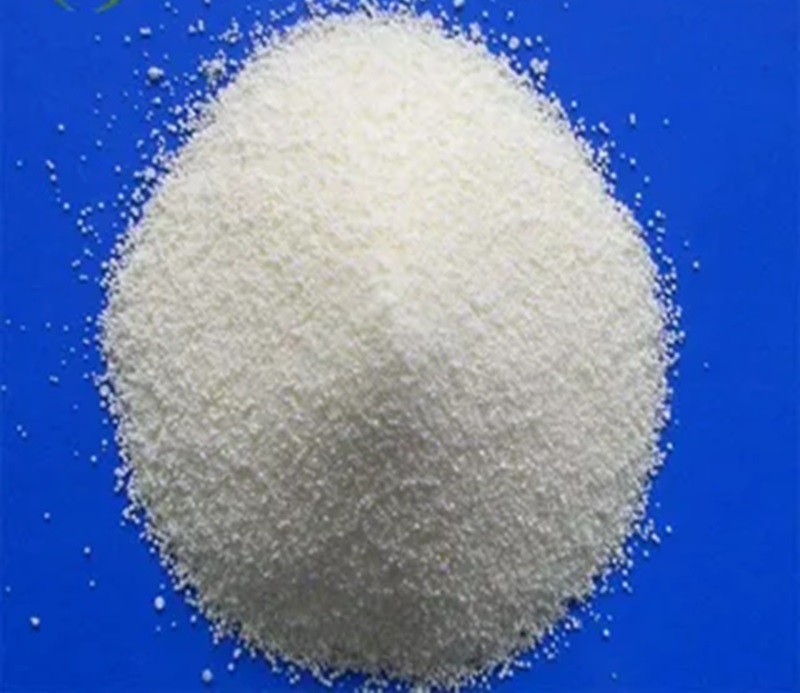
| Appearance | White to off-white crystalline powder |
| Odor | Odorless or slight characteristic odor |
| Solubility | Soluble in fats, oils, and organic solvents; insoluble in water |
| Vitamin Class | Fat-soluble vitamin |
2. PHYSICAL AND CHEMICAL PROPERTIES
| Property | Value |
|---|---|
| Appearance | White to off-white crystalline powder |
| Chemical Formula | C₂₇H₄₄O |
| Molecular Weight | 384.638 g/mol |
| CAS Number | 67-97-0 |
| Density | 1.0 ± 0.1 g/cm³ |
| Melting Point | 83 – 87 °C |
| Boiling Point | 496.4 ± 24.0 °C |
| Flash Point | > 200 °C |
| Solubility in Water | Insoluble |
| Solubility in Fats/Oils | Soluble |
| Solubility in Ethanol | Soluble |
| Solubility in Acetone | Soluble |
| Optical Rotation [α]₂₀D | +82° to +88° |
| Stability | Sensitive to light, heat, and oxygen |
| Storage | Protected from light, inert atmosphere |
3. CHEMICAL STRUCTURE
Chemical Structure:
Vitamin D3 is a secosteroid, meaning one of the rings in the steroid structure is broken. It is formed from 7-dehydrocholesterol upon exposure to UVB radiation.
IUPAC Name: (5Z,7E)-9,10-secocholesta-5,7,10(19)-trien-3β-ol
SMILES: CC(C)CCCC(C)C1CCC2C1(CCCC2=CC3=CC(CCC3=C)O)C
                    CH₃
                     |
              H₃C — CH — CH₂ — CH₂ — CH₂ — CH — CH₃
                     |                 |
                     |    CH₃         |
        HO — C — C — C — C — C — C — C — C — C — CH₂
             |   |   |   |   |   |   |   |
             H   H   H   H   H   H   H   CH₃
4. BIOSYNTHESIS AND METABOLISM
| Step | Description |
|---|---|
| 1. Precursor | 7-dehydrocholesterol in skin |
| 2. UVB Radiation | Sunlight (290-315 nm) converts precursor |
| 3. Pre-Vitamin D3 | Unstable intermediate |
| 4. Thermal Isomerization | Body heat converts to Vitamin D3 |
| 5. Liver | 25-hydroxylation to 25-hydroxyvitamin D (calcidiol) |
| 6. Kidney | 1α-hydroxylation to 1,25-dihydroxyvitamin D (calcitriol – active form) |
5. BIOLOGICAL ROLE AND FUNCTIONS
| Function | Description |
|---|---|
| Calcium Absorption | Enhances intestinal calcium absorption |
| Phosphorus Absorption | Promotes phosphorus uptake in the gut |
| Bone Health | Essential for bone mineralization and remodeling |
| Immune System | Modulates immune response; supports defense against infections |
| Muscle Function | Supports muscle strength and coordination |
| Cell Differentiation | Regulates cell growth and differentiation |
| Cardiovascular Health | May support heart health and blood pressure regulation |
| Mental Health | Role in mood regulation and cognitive function |
6. HEALTH BENEFITS
| Benefit | Description | Evidence Level |
|---|---|---|
| Bone Health | Strengthens bones; reduces osteoporosis risk | Strong clinical evidence |
| Rickets Prevention | Prevents rickets in children | Historical/clinical evidence |
| Immune Support | Regulates immune function | Clinical studies |
| Blood Pressure | May reduce blood pressure | Mixed evidence |
| Insulin Control | Contributes to insulin sensitivity | Emerging evidence |
| Anticancer Potential | May have protective effects against some cancers | Epidemiological evidence |
| Multiple Sclerosis | May reduce MS risk | Observational studies |
| Mood Regulation | Supports mood and may reduce depression risk | Clinical studies |
7. DEFICIENCY SYMPTOMS
| Symptom | Description |
|---|---|
| Fatigue | Persistent tiredness and weakness |
| Muscle Pain | Generalized muscle aches and weakness |
| Walking Difficulty | Due to muscle weakness and pain |
| Insomnia | Sleep disturbances |
| Depression | Mood changes, low mood |
| Hair Loss | Excessive hair shedding |
| Headaches | Frequent or chronic headaches |
| Cold Intolerance | Feeling cold constantly |
| Excessive Sweating | Particularly on the head |
| Tingling | In hands and feet |
| Under-Eye Dark Circles | Dark circles around eyes |
Reference Range: 20 – 50 ng/mL
Deficiency Threshold: < 12 ng/mL
8. NATURAL SOURCES
8.1. Animal Sources
| Source | Content (IU/100g) |
|---|---|
| Cod Liver Oil | 10,000 – 20,000 |
| Salmon | 500 – 800 |
| Sardines | 300 – 500 |
| Tuna | 200 – 400 |
| Trout | 300 – 500 |
| Beef Liver | 50 – 100 |
| Egg Yolk | 40 – 60 |
| Butter | 30 – 50 |
| Cheese | 10 – 40 |
| Milk | 2 – 4 |
8.2. Sunlight
| Factor | Description |
|---|---|
| Source | UVB radiation (290-315 nm) |
| Synthesis | Skin 7-dehydrocholesterol → Vitamin D3 |
| Factors | Time of day, season, latitude, skin pigmentation, sunscreen use, age |
9. RISK GROUPS
| Group | Reason |
|---|---|
| Elderly Individuals | Reduced synthesis capacity and dietary intake |
| Dark Skin Individuals | Reduced UVB absorption due to melanin |
| Indoor Workers | Limited sun exposure |
| Northern Latitudes | Limited UVB during winter months |
| Breastfed Infants | Low vitamin D content in breast milk |
| Obese Individuals | Sequestration in adipose tissue |
| Malabsorption Patients | Intestinal disorders, celiac disease, Crohn's disease |
| Liver/Kidney Disease Patients | Impaired activation |
10. DAILY REQUIREMENT
| Age Group | Daily Requirement (IU) |
|---|---|
| 0-12 months | 400 IU |
| 1-18 years | 600 IU |
| 19-70 years | 600 IU |
| 71+ years | 800 IU |
| Pregnancy | 600 IU |
| Breastfeeding | 600 IU |
Note: Some authorities recommend higher doses (800-2000 IU/day) for optimal health.
11. DOSAGE AND ADMINISTRATION
| Application | Dosage | Form |
|---|---|---|
| Maintenance (Healthy Adults) | 400 – 800 IU/day | Tablets, capsules, drops |
| Mild Deficiency | 1,000 – 2,000 IU/day | Tablets, capsules |
| Moderate Deficiency | 2,000 – 5,000 IU/day | Tablets, capsules |
| Severe Deficiency | 5,000 – 10,000 IU/day | Under medical supervision |
| Infant Formula | 200 – 400 IU/serving | Fortified formula |
| Fortified Dairy | 100 – 200 IU/100 mL | Fortified milk, yogurt |
| Animal Feed (Poultry) | 1,000 – 2,000 IU/kg | Feed additive |
| Animal Feed (Aquaculture) | 500 – 1,000 IU/kg | Feed additive |
12. SAFETY AND TOXICITY
| Parameter | Information |
|---|---|
| Toxicity | Rare; only at extremely high doses |
| Oral LD50 (Rat) | > 10,000 mg/kg |
| Upper Tolerable Intake Level (UL) | 4,000 IU/day (adults) |
| Hypervitaminosis D Symptoms | Nausea, vomiting, constipation, weight loss, kidney stones, cardiac arrhythmias |
| Drug Interactions | Thiazide diuretics, digitalis, corticosteroids, cholestyramine |
| Pregnancy | Safe at recommended doses |
| Breastfeeding | Safe at recommended doses |
13. SECTOR APPLICATION TABLE
| Sector / Application | Suitability | Typical Usage Rates | Notes / Regulations |
|---|---|---|---|
| Food & Nutrition | High suitability | Infant formula: 200–400 IU/serving; Fortified dairy: 100–200 IU/100 mL | EFSA, FDA GRAS approval required. Oil powder form preferred for infant formula. |
| Animal Feed | Suitable | Poultry feed: 1,000–2,000 IU/kg; Aquaculture: 500–1,000 IU/kg | Must comply with feed additive regulations. Often combined with A and E vitamins. |
| Pharmaceuticals | Core use | Tablets/capsules: 400–2,000 IU/day; Injection forms variable | GMP compliance mandatory. Used in osteoporosis, rickets, and immune support therapies. |
| Cosmetics | Limited | Trace amounts in creams/lotions (<0.1%) | Skin health claims limited; regulatory restrictions apply. |
| Chemical / Industrial | Not suitable | – | No industrial chemical application; only nutritional and medical purposes. |
14. FORMS AND FORMULATIONS
| Form | Description | Applications |
|---|---|---|
| Crystalline Powder | Pure vitamin D3 | Pharmaceutical, supplement manufacturing |
| Oil Solution | Dissolved in vegetable oil | Liquid drops, softgels |
| Dry Powder | Encapsulated in starch or gum | Food fortification, feed additive |
| Emulsion | Water-dispersible | Beverage fortification |
| Spray Dried | Microencapsulated | Stable formulations |
| Beadlets | Gelled starch matrix | Feed additive |
15. STORAGE AND HANDLING
| Parameter | Information |
|---|---|
| Storage Conditions | Cool (15-25°C), dry, protected from light |
| Container Requirements | Tightly closed, light-protected, inert atmosphere |
| Protect From | Light, heat, oxygen, strong oxidizing agents |
| Shelf Life | 12-24 months (with proper storage) |
| Stability | Sensitive to light, heat, and oxygen |
16. REGULATORY STATUS
| Region / Authority | Status |
|---|---|
| European Union (EFSA) | Approved as food supplement; E671 |
| USA (FDA) | GRAS (21 CFR 184.1950) |
| Codex Alimentarius | Approved for food supplements and fortification |
| Turkey | Approved as food supplement |
| Australia (FSANZ) | Approved for food fortification |
| China | Approved for food supplements |
17. OTHER NAMES AND SYNONYMS
| Type | Name |
|---|---|
| Turkish Names | D3 Vitamini, Kolekalsiferol |
| English Names | Vitamin D3, Cholecalciferol, Colecalciferol, Calciol |
| E Number | E671 |
| CAS Number | 67-97-0 |
18. SUMMARY AND CRITICAL WARNINGS
| Parameter | Value |
|---|---|
| Product | Vitamin D3 (Cholecalciferol) |
| CAS Number | 67-97-0 |
| Formula | C₂₇H₄₄O |
| Molecular Weight | 384.638 g/mol |
| Appearance | White to off-white crystalline powder |
| Primary Function | Calcium/phosphorus metabolism, bone health, immune function |
CRITICAL WARNINGS
1. FAT-SOLUBLE: Vitamin D3 is fat-soluble. It must be taken with dietary fat for optimal absorption.
2. SUNLIGHT SYNTHESIS: The body synthesizes vitamin D3 naturally through UVB exposure. Sunscreen and clothing reduce synthesis.
3. TOXICITY: Hypervitaminosis D is rare but serious. Doses above 4,000 IU/day should be taken under medical supervision.
4. STORAGE: Sensitive to light, heat, and oxygen. Store in light-protected containers with inert atmosphere.
5. DRUG INTERACTIONS: Thiazide diuretics, digitalis, corticosteroids, and cholestyramine may interact. Consult a healthcare professional.
6. REGULATORY COMPLIANCE: Must comply with EFSA, FDA, and Codex standards. Supplier documentation must include CAS number and certificate of analysis.
7. SUPPLEMENTATION: Deficiency is common in northern latitudes and among elderly. Routine supplementation may be beneficial.
8. FORTIFICATION: Commonly used in infant formula, dairy products, and cereal fortification.
9. COMBINATION: Often combined with Vitamin A and E in formulations.
10. LAB TESTING: Standard levels are measured as 25-hydroxyvitamin D. Deficiency threshold is <12 ng/mL; optimal is 20-50 ng/mL.
IMPORTANT DISCLAIMER: This Technical Data Sheet (TDS) is for informational purposes only and is prepared based on available technical data. This document is not a substitute for medical advice. For any health condition or suspected deficiency, consult a healthcare professional. For complete safety, storage, use, and regulatory compliance information, refer to the official documentation provided by the manufacturer/supplier.