We unleash your business potential by maximize the business innovation.
Send EmailVitamin B12, Cyanocobalamin, Cobalamin, E101, 68-19-9
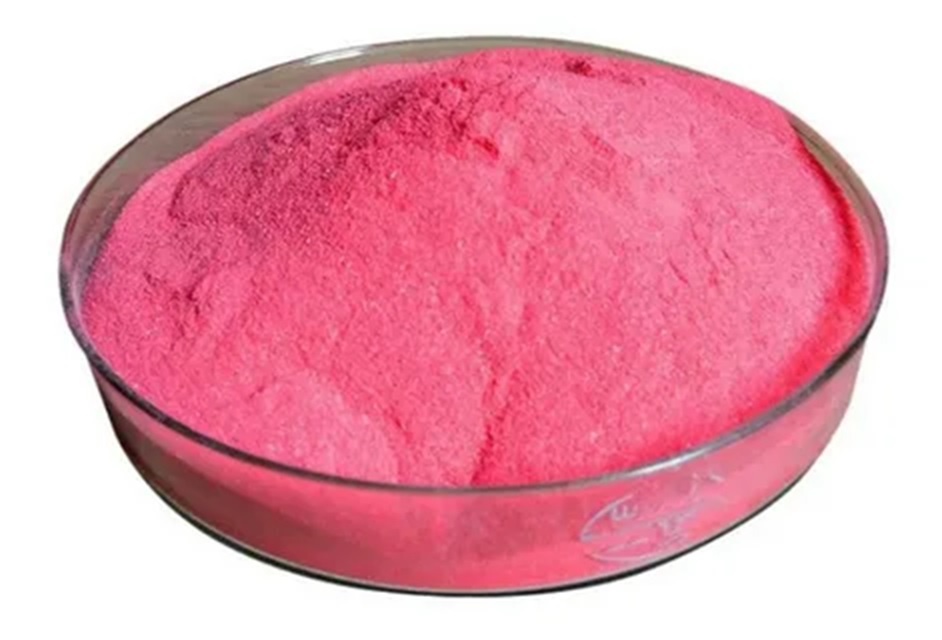
Vitamin B12 (Cyanocobalamin / Cobalamin)
-
CAS Number: 68-19-9
-
Molecular Formula: C₆₃H₈₈CoN₁₄O₁₄P
-
Nature: Water-soluble vitamin, not produced by the body, found mainly in animal-based foods.
-
Functions:
-
Red blood cell formation
-
Nervous system health (myelin synthesis)
-
DNA synthesis
-
Cell metabolism
-
Benefits
-
Maintains healthy blood and nerve cells
-
Prevents megaloblastic anemia (causing fatigue and weakness)
-
Supports memory, learning, and cognitive function
-
Works with folic acid to prevent anemia
-
Reduces homocysteine levels → lowers risk of heart disease
-
Improves energy metabolism (carbohydrates → energy)
-
Supports skin, hair, and nail health
Deficiency & Symptoms
-
Main cause: Poor diet, absorption problems, certain medications
-
Key symptoms:
-
Anemia, fatigue, paleness, shortness of breath, irregular heartbeat
-
Numbness/tingling in hands and feet, walking difficulties, muscle weakness
-
Memory loss, concentration problems, mood changes (depression, irritability)
-
Gastrointestinal issues (nausea, diarrhea, constipation, appetite loss, weight loss)
-
Mouth ulcers, swollen tongue, hair loss, vision problems
-
Sources
-
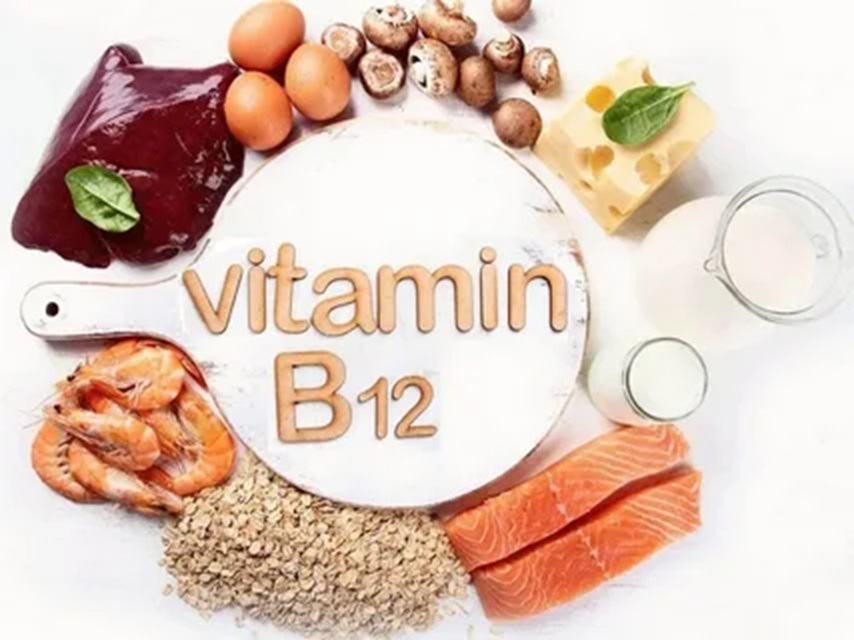
Animal-based foods: Red meat, poultry, fish (salmon, sardines, tuna, trout), shellfish, organ meats (liver, kidney), eggs, milk, yogurt, cheese
-
Plant-based options: Fermented soy products (limited)
-
Note: Fruits and vegetables generally do not contain B12. Claims about apples, bananas, avocados, blueberries, mangoes containing B12 are scientifically disputed.
Risk Groups
-
People over 50 (absorption decreases with age)
-
Vegans and vegetarians (no animal products in diet)
-
Patients with pernicious anemia (lack of intrinsic factor protein)
-
Those with gastrointestinal surgery or diseases (Crohn’s, celiac, gastritis)
-
Heavy alcohol users
-
Long-term users of stomach acid reducers or metformin (diabetes medication)
-
Pregnant women and children with poor nutrition
Treatment
-
Oral supplements (tablets, sublingual): For mild deficiency
-
Injections: For absorption problems (stomach/intestinal issues)
-
Daily requirement: 2–3 mcg (higher in pregnancy and breastfeeding)
-
Normal blood level: 200–800 pg/mL
-
<200 pg/mL = deficiency
-
200–300 pg/mL = borderline
-
Additional Notes
-
Untreated deficiency can cause irreversible neurological damage.
-
Excess B12 is not harmful; stored in the liver and excreted in urine.
-
No toxicity risk, but rare side effects include acne.
-
Effect on dementia/Alzheimer’s prevention is not proven.