We unleash your business potential by maximize the business innovation.
Send EmailCyanocobalamin, Cobalamin, Vitamin B12, E101, 68-19-9
CYANOCOBALAMIN – VITAMIN B12 (CYANOCOBALAMIN)
1. CHEMICAL IDENTITY AND DEFINITION
| Parameter | Information |
|---|---|
| Chemical Name | Cyanocobalamin / Cobalamin |
| Other Names | Vitamin B12, E101 |
| CAS Number | 68-19-9 |
| Chemical Formula | C₆₃H₈₈CoN₁₄O₁₄P |
| Molecular Weight | 1,355.38 g/mol |
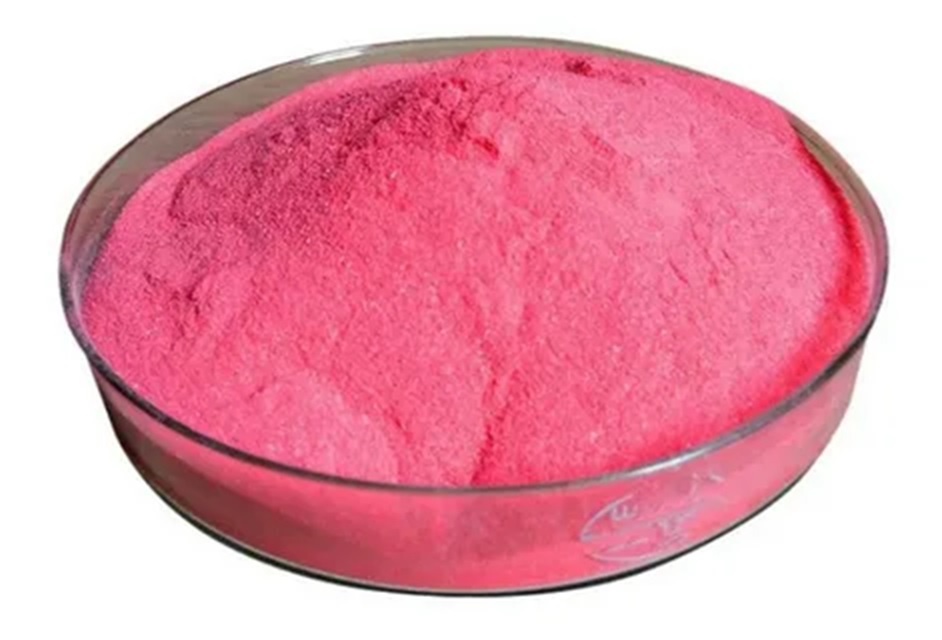
| Appearance | Dark red crystalline powder |
| Odor | Odorless |
| Solubility | Soluble in water |
| Vitamin Class | Water-soluble vitamin (B-complex) |
2. PHYSICAL AND CHEMICAL PROPERTIES
| Property | Value |
|---|---|
| Appearance | Dark red crystalline powder |
| Chemical Formula | C₆₃H₈₈CoN₁₄O₁₄P |
| Molecular Weight | 1,355.38 g/mol |
| CAS Number | 68-19-9 |
| Solubility | Soluble in water |
| Melting Point | > 300 °C (decomposes) |
| pH (Aqueous Solution) | ~4.5 – 5.5 |
| Stability | Sensitive to light and moisture |
| Color | Dark red |
| Storage | Protected from light, dry environment |
3. CHEMICAL STRUCTURE
Chemical Structure:
Vitamin B12 has a complex structure consisting of a corrin ring system with a central cobalt atom.
Main Components:
-
Corrin Ring: Macrocyclic structure containing four pyrrole rings
-
Cobalt Ion (Co): Central metal ion
-
Cyano Group (CN): Bound in cyanocobalamin form
-
Nucleotide Group: Provides structural stability
-
Amine Group: For biological activity
4. TYPES OF VITAMIN B12
| Type | Description |
|---|---|
| Cyanocobalamin | Most common synthetic form; stable and inexpensive |
| Methylcobalamin | Natural, active form; for nervous system |
| Adenosylcobalamin | Natural, active form; for energy metabolism |
| Hydroxocobalamin | Natural form; long-term storage, smoking cessation treatment |
5. FUNCTIONS IN THE BODY
| Function | Description |
|---|---|
| Red Blood Cell Production | Essential for erythropoiesis in bone marrow |
| Nervous System Health | Myelin sheath synthesis and maintenance |
| DNA Synthesis | Coenzyme for nucleic acid synthesis |
| Cell Metabolism | Energy production and metabolic pathways |
| Homocysteine Metabolism | Converts homocysteine to methionine |
| Fatty Acid Metabolism | Breakdown of fatty acids |
6. BENEFITS
| Benefit | Description |
|---|---|
| Nervous System | Ensures healthy functioning of the nervous system |
| Cognitive Health | Reduces risk of dementia and cognitive impairment |
| Energy Metabolism | Increases energy production, prevents fatigue |
| Anemia Prevention | Prevents anemia together with folic acid |
| Carbohydrate Metabolism | Supports conversion of carbohydrates to energy |
| Heart Health | Lowers homocysteine levels, preventing cardiovascular diseases |
| Hair, Skin, Nails | Supports hair, skin, and nail health |
7. DEFICIENCY SYMPTOMS
| System | Symptoms |
|---|---|
| Hematological | Megaloblastic anemia, fatigue, shortness of breath, palpitations |
| Neurological | Numbness in hands/feet, difficulty walking, reduced reflexes, balance problems |
| Cognitive | Memory loss, concentration difficulties, impaired judgment |
| Psychiatric | Depression, irritability, anxiety |
| Gastrointestinal | Nausea, diarrhea/constipation, loss of appetite, weight loss |
| Other | Pale skin, hair loss, mouth ulcers, vision problems |
8. SOURCES
8.1. Animal Sources
| Source | Description |
|---|---|
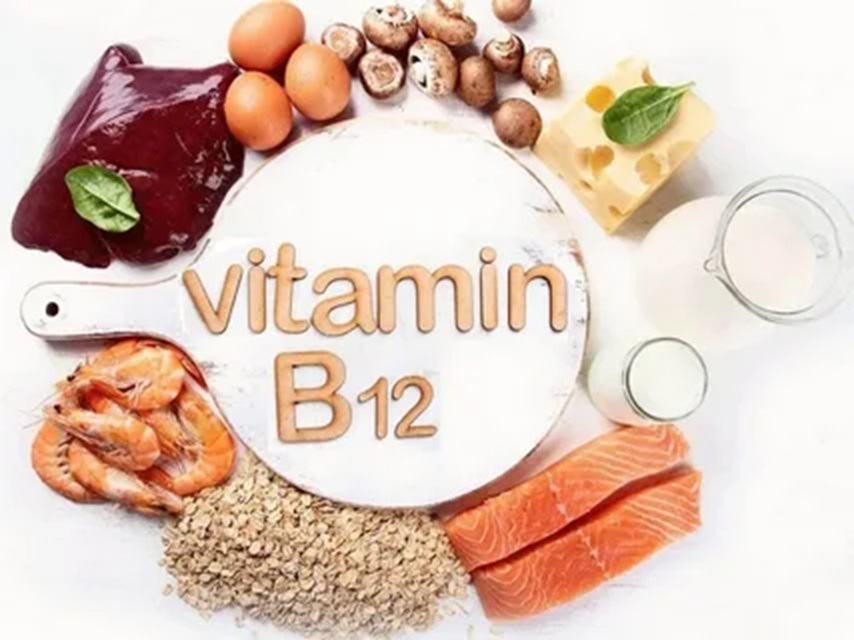
| Red Meat | Beef, lamb, veal |
| Poultry | Chicken, turkey |
| Fish | Salmon, sardines, trout |
| Shellfish | Mussels, oysters, shrimp |
| Organ Meats | Liver, kidney (richest sources) |
| Eggs | Especially egg yolk |
| Milk and Dairy | Milk, yogurt, cheese |
8.2. Plant Sources
| Source | Description |
|---|---|
| Fermented Soy Products | Tempeh, miso, soy sauce (via fermentation) |
| Fortified Foods | Plant milks, breakfast cereals |
Note: Vegetables and fruits do not naturally contain B12. Plant sources are very limited.
9. RISK GROUPS
| Group | Reason |
|---|---|
| Individuals over 50 | Reduced absorption |
| Vegans and Vegetarians | No animal product consumption |
| Pernicious Anemia Patients | Intrinsic factor deficiency |
| Small Intestine Surgery Patients | Shortened absorption area |
| Intestinal Diseases | Gastritis, celiac, Crohn's disease |
| Alcohol Dependents | Impaired absorption and storage |
| Metformin Users | Drug reduces B12 absorption |
| Long-term Acid Reducer Users | Reduced acid impairs absorption |
| Pregnant Women and Young Children | In case of inadequate nutrition |
10. TREATMENT AND DOSAGE
| Parameter | Information |
|---|---|
| Daily Requirement | 2 – 3 mcg |
| Pregnancy | ~2.6 mcg |
| Breastfeeding | ~2.8 mcg |
| Mild Deficiency | Oral tablets |
| Severe Deficiency / Absorption Issues | Injection (intramuscular) |
| Normal Blood Level | 200 – 800 pg/mL |
| Low Considered | < 200 pg/mL |
11. SAFETY AND SIDE EFFECTS
| Parameter | Information |
|---|---|
| Toxicity | Low; excess is excreted in urine |
| Excess | Not harmful; body stores and excretes excess |
| Side Effects | Very limited (rarely acne) |
| Allergy | Rare; in sensitive individuals |
| Drug Interactions | Metformin, proton pump inhibitors |
12. IMPORTANT PRECAUTIONS
| Warning | Description |
|---|---|
| Neurological Damage | If untreated, irreversible nerve damage may occur |
| Dementia and Alzheimer's | Definite protective effect not proven |
| Vegetarian/Vegan Alert | Must consume supplements or fortified foods |
| Absorption Issues | Injection is mandatory in pernicious anemia |
13. REGULATORY STATUS
| Region / Authority | Status |
|---|---|
| EFSA | Daily reference intake established |
| FDA | Daily Value (DV) 2.4 mcg |
| Turkey | Approved as food supplement |
| Codex | Approved for food supplements and fortification |
14. OTHER NAMES AND SYNONYMS
| Type | Name |
|---|---|
| Turkish Names | B12 Vitamini, Kobalamin, Siyanokobalamin |
| English Names | Vitamin B12, Cyanocobalamin, Cobalamin |
| E Number | E101 |
| CAS Number | 68-19-9 |
15. SUMMARY AND CRITICAL WARNINGS
| Parameter | Value |
|---|---|
| Product | Vitamin B12 (Cyanocobalamin) |
| CAS Number | 68-19-9 |
| Formula | C₆₃H₈₈CoN₁₄O₁₄P |
| Appearance | Dark red crystalline powder |
| Primary Function | Red blood cells, nervous system, DNA synthesis |
CRITICAL WARNINGS
1. UNTREATED DEFICIENCY: May lead to irreversible neurological damage.
2. VEGETARIAN/VEGAN ALERT: B12 is found only in animal products. Vegetarians and vegans must take supplements or consume fortified foods.
3. EXCESS IS NOT HARMFUL: The body does not store excess B12; it is excreted in urine. Toxicity is low.
4. SIDE EFFECTS: Very limited; rarely acne.
5. DRUG INTERACTIONS: Metformin and acid-reducing drugs (proton pump inhibitors) reduce B12 absorption.
6. DEMENTIA AND ALZHEIMER'S: Definite protective effect not proven.
7. PERNICIOUS ANEMIA: Oral intake is insufficient in intrinsic factor deficiency; injection is required.
8. STORAGE: Store in a dry, cool place protected from light.
9. NORMAL RANGE: 200-800 pg/mL; below 200 is considered low.
10. DAILY REQUIREMENT: 2-3 mcg; 2.6 mcg for pregnant women, 2.8 mcg for nursing mothers.
PART 2: METHYLCOBALAMIN vs CYANOCOBALAMIN – COMPARISON GUIDE
1. GENERAL OVERVIEW
Both Methylcobalamin and Cyanocobalamin are forms of Vitamin B12 (CAS 68-19-9). They share the same fundamental molecular structure but differ in their chemical composition, biological activity, and how the body utilizes them. Understanding these differences is essential for selecting the right form for specific applications.
2. METHYLCOBALAMIN – THE ACTIVE FORM
2.1. Chemical Identity
| Parameter | Information |
|---|---|
| Chemical Name | Methylcobalamin |
| CAS Number | 13422-55-4 |
| Molecular Formula | C₆₃H₉₁CoN₁₃O₁₄P |
| Molecular Weight | 1,344.38 g/mol |
| Form | Natural, active coenzyme form |
| Appearance | Red crystalline powder |
2.2. Key Characteristics
| Feature | Description |
|---|---|
| Natural and Active | Directly utilized by the body without conversion |
| Nervous System Support | Protects myelin sheath; supports nerve cell function |
| Energy Metabolism | Plays a direct role in cellular energy production |
| Methylation Processes | Essential for DNA synthesis and genetic regulation |
| Bioavailability | Higher due to no conversion requirement |
| Tissue Retention | Better retained in nerve tissues |
2.3. Advantages
| Advantage | Description |
|---|---|
| Immediate Use | No conversion needed; ready for biological activity |
| Neuroprotective | Stronger effect on nervous system health |
| Methyl Group Donor | Supports homocysteine metabolism |
| Superior in Neurological Conditions | Preferred for neuropathy, neurodegenerative disorders |
3. CYANOCOBALAMIN – THE SYNTHETIC FORM
3.1. Chemical Identity
| Parameter | Information |
|---|---|
| Chemical Name | Cyanocobalamin |
| CAS Number | 68-19-9 |
| Molecular Formula | C₆₃H₈₈CoN₁₄O₁₄P |
| Molecular Weight | 1,355.38 g/mol |
| Form | Synthetic, pro-vitamin form |
| Appearance | Dark red crystalline powder |
3.2. Key Characteristics
| Feature | Description |
|---|---|
| Synthetic Form | Most common form in supplements |
| Requires Conversion | Must be converted to Methylcobalamin or Adenosylcobalamin |
| Red Blood Cell Production | Strong effect on hematological health |
| Stability | Longer shelf life; easy to manufacture and store |
| Cost-Effective | Generally more affordable |
3.3. Advantages
| Advantage | Description |
|---|---|
| Long Shelf Life | Highly stable; easy to store |
| Cost-Effective | Cheaper to produce and purchase |
| Widely Available | Most commonly used in supplements and fortified foods |
| Strong Hematological Effects | Effective against anemia |
| Well-Studied | Extensive research and safety data available |
4. COMPARISON TABLE
| Feature | Methylcobalamin | Cyanocobalamin |
|---|---|---|
| Form | Natural, active coenzyme | Synthetic, pro-vitamin |
| Biological Form | Directly utilized | Requires conversion |
| CAS Number | 13422-55-4 | 68-19-9 |
| Molecular Weight | 1,344.38 g/mol | 1,355.38 g/mol |
| Chemical Group | Methyl group (CH₃) | Cyano group (CN) |
| Nervous System Effect | Stronger, direct | Indirect (after conversion) |
| Energy Metabolism | Direct role | Indirect (after conversion) |
| Methylation | Direct methyl donor | Indirect |
| Shelf Life | Shorter | Longer |
| Stability | Less stable (sensitive to light/heat) | More stable |
| Cost | More expensive | Less expensive |
| Neuropathy Treatment | Preferred | Suitable |
| Anemia Treatment | Effective | Highly effective |
| Bioavailability | Higher | Good (after conversion) |
| Tissue Retention | Better in neural tissues | Distributed systemically |
5. CONVERSION PATHWAY
Cyanocobalamin Conversion Process:
Cyanocobalamin (Synthetic)
         ↓
    Cyanocobalamin
         ↓
    Intracellular conversion
         ↓
    Hydroxocobalamin
         ↓
    ↓              ↓
Methylcobalamin   Adenosylcobalamin
(Active Form)     (Active Form)
Methylcobalamin:
Methylcobalamin (Natural)
         ↓
    Directly utilized
         ↓
    Active coenzyme without conversion
6. APPLICATION DIFFERENCES
| Application | Methylcobalamin | Cyanocobalamin |
|---|---|---|
| Neurological Disorders | ✅ Preferred | ⚠️ Less effective |
| Peripheral Neuropathy | ✅ Highly recommended | ⚠️ Limited |
| Alzheimer's / Dementia | ✅ Supported | ❓ Limited evidence |
| Anemia (Pernicious / Megaloblastic) | ✅ Effective | ✅ Highly effective |
| Fatigue / Energy | ✅ Effective | ✅ Effective |
| Vegan/Vegetarian Supplementation | ✅ Good choice | ✅ Good choice (cost-effective) |
| Homocysteine Reduction | ✅ Effective | ✅ Effective |
| Methylation Support | ✅ Strong | ⚠️ Requires conversion |
| General Supplementation | ✅ Good | ✅ More common |
| Fortified Foods | ❌ Rarely used | ✅ Most common |
7. SAFETY AND TOLERABILITY
| Parameter | Methylcobalamin | Cyanocobalamin |
|---|---|---|
| Toxicity | Very low | Very low |
| Side Effects | Rare | Rare |
| Allergic Reactions | Very rare | Very rare (cyanide concerns in high doses) |
| Cyanide Content | None | Contains cyanide group (0.1 mg cyanide per 1,000 mcg) |
| Safety for Long-Term Use | Excellent | Excellent |
| Pregnancy/Lactation | Safe | Safe |
| Drug Interactions | Limited | Metformin, PPIs |
Note on Cyanide: The cyanide content in Cyanocobalamin is extremely low (0.1 mg per 1,000 mcg) and is safely metabolized and excreted by the body. It poses no health risk at normal supplement dosages.
8. COST COMPARISON
| Feature | Methylcobalamin | Cyanocobalamin |
|---|---|---|
| Production Cost | Higher | Lower |
| Retail Price | More expensive | More affordable |
| Available Forms | Supplements, injections | Supplements, injections, fortified foods |
| Prescription Status | OTC and prescription | OTC and prescription |
9. SUMMARY AND RECOMMENDATIONS
| Criteria | Methylcobalamin | Cyanocobalamin |
|---|---|---|
| Best For Neurological Conditions | ✅ Yes | ❌ No |
| Best For Anemia | ✅ Yes | ✅ Yes |
| Best For General Supplementation | ✅ Yes | ✅ Yes |
| Best For Fortified Foods | ❌ No | ✅ Yes |
| Best For Cost-Effectiveness | ❌ No | ✅ Yes |
| Best For High Bioavailability | ✅ Yes | ❌ No |
| Best For Methylation Support | ✅ Yes | ❌ No |
RECOMMENDATIONS
Choose Methylcobalamin if:
-
Neurological support is needed (neuropathy, nerve damage)
-
High bioavailability is required
-
Methylation support is desired
-
Budget is not a primary concern
-
Seeking immediate biological activity
Choose Cyanocobalamin if:
-
Cost-effectiveness is important
-
Supplementing for general B12 deficiency
-
Anemia (pernicious/megaloblastic) is being treated
-
Fortified food production is needed
-
Longer shelf life is required
IMPORTANT DISCLAIMER: This Technical Data Sheet is for informational purposes only and is prepared based on available technical data. This document is not a substitute for medical advice. For any health condition or suspected deficiency, consult a healthcare professional. For complete safety, storage, use, and regulatory compliance information, refer to the official documentation provided by the manufacturer/supplier.