We unleash your business potential by maximize the business innovation.
Send EmailBiotin, Vitamin B7, Vitamin H, Coenzyme R, 58-85-5
BIOTIN (VITAMIN B7 / VITAMIN H)
1. CHEMICAL IDENTITY AND DEFINITION
| Parameter | Information |
|---|---|
| Product Name | Biotin |
| Other Names | Vitamin B7, Vitamin H, Coenzyme R |
| CAS Number | 58-85-5 |
| EC Number (EINECS) | 200-399-3 |
| Chemical Formula | C₁₀H₁₆N₂O₃S |
| Molecular Weight | 244.31 g/mol |
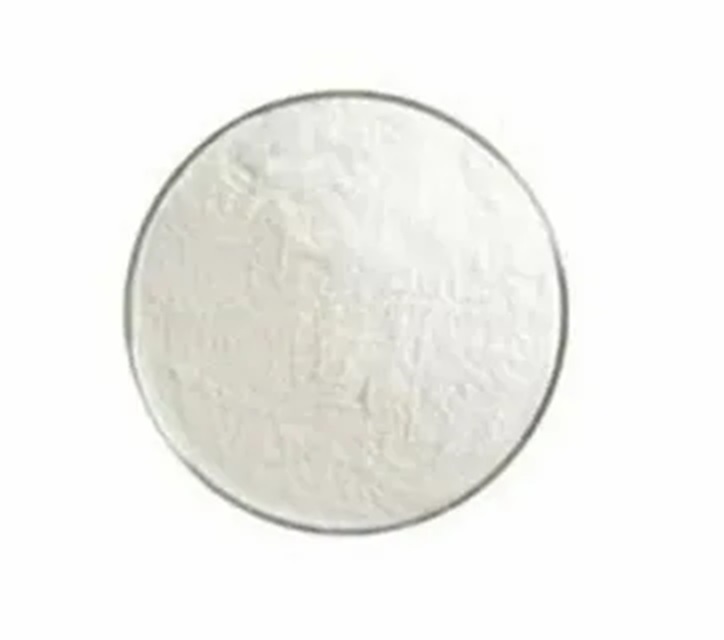
| Appearance | White crystalline powder |
| Odor | Odorless |
| Solubility | Water-soluble |
| Melting Point | 232 – 233 °C |
| pH Stability | Stable across a wide pH range |
| Reactivity | Chemically inert under normal conditions; reactive with strong oxidizers or high temperatures |
| Vitamin Class | Water-soluble B vitamin |
2. CHEMICAL STRUCTURE
Chemical Structure:
Biotin consists of a ureido ring fused with a tetrahydrothiophene ring, with a valeric acid side chain. It contains three chiral centers and has eight possible stereoisomers, but only the D-(+)-biotin form is biologically active.
IUPAC Name: 5-[(3aS,4S,6aR)-2-oxohexahydro-1H-thieno[3,4-d]imidazol-4-yl]pentanoic acid
SMILES: OC(=O)CCCCC1SCC2NC(=O)NC12
              O
              ||
        HN    C    NH
         \   |   /
          \  |  /
           C — C
          /     \
         /       \
        S         C — (CH₂)₄ — COOH
         \       /
          \     /
           C — C
3. PHYSICAL AND CHEMICAL PROPERTIES
| Property | Value |
|---|---|
| Appearance | White crystalline powder |
| Chemical Formula | C₁₀H₁₆N₂O₃S |
| Molecular Weight | 244.31 g/mol |
| CAS Number | 58-85-5 |
| Melting Point | 232 – 233 °C |
| Solubility in Water (20°C) | ~220 mg/L (slightly soluble) |
| Solubility in Ethanol | Slightly soluble |
| Solubility in Fats | Insoluble |
| pH Stability | Stable across wide pH range |
| Optical Rotation [α]₂₀D | +89° to +93° (in 0.1N NaOH) |
| Stability | Sensitive to light, heat, and oxygen |
| Storage | Protected from light, dry environment |
4. BIOLOGICAL FUNCTIONS
| Function | Description |
|---|---|
| Carbohydrate Metabolism | Converts glucose into energy |
| Fat Metabolism | Essential for fatty acid synthesis and breakdown |
| Protein Metabolism | Amino acid metabolism and protein synthesis |
| Cell Growth | Supports cell proliferation and DNA synthesis |
| Enzyme Cofactor | Coenzyme for five carboxylases (pyruvate carboxylase, acetyl-CoA carboxylase, propionyl-CoA carboxylase, 3-methylcrotonyl-CoA carboxylase, and β-methylcrotonyl-CoA carboxylase) |
| Keratin Production | Promotes keratin production for hair, skin, and nails |
5. HEALTH BENEFITS
| Benefit | Description |
|---|---|
| Hair, Skin, and Nails | Promotes keratin production; supports healthy hair growth and nail strength |
| Blood Sugar Regulation | May help regulate blood sugar and support diabetes management |
| Cardiovascular Health | Contributes to heart health by lowering LDL cholesterol |
| Nerve Health | Supports nerve tissue repair, especially in conditions like multiple sclerosis |
| Skin Hydration | Aids in skin hydration and regeneration |
| Energy Production | Converts carbohydrates, fats, and proteins into usable energy |
6. BIOTIN DEFICIENCY SYMPTOMS
| Symptom | Description |
|---|---|
| Hair and Nails | Brittle nails, hair loss, thinning hair |
| Skin | Dry skin, dermatitis, acne, scaly red rashes |
| General | Fatigue, insomnia, muscle pain, weakness |
| Mouth | Cracked mouth corners (angular cheilitis), appetite loss |
| Immune System | Increased susceptibility to infections |
| Psychological | Mood disturbances, depression, lethargy |
| Neurological | Numbness and tingling in extremities |
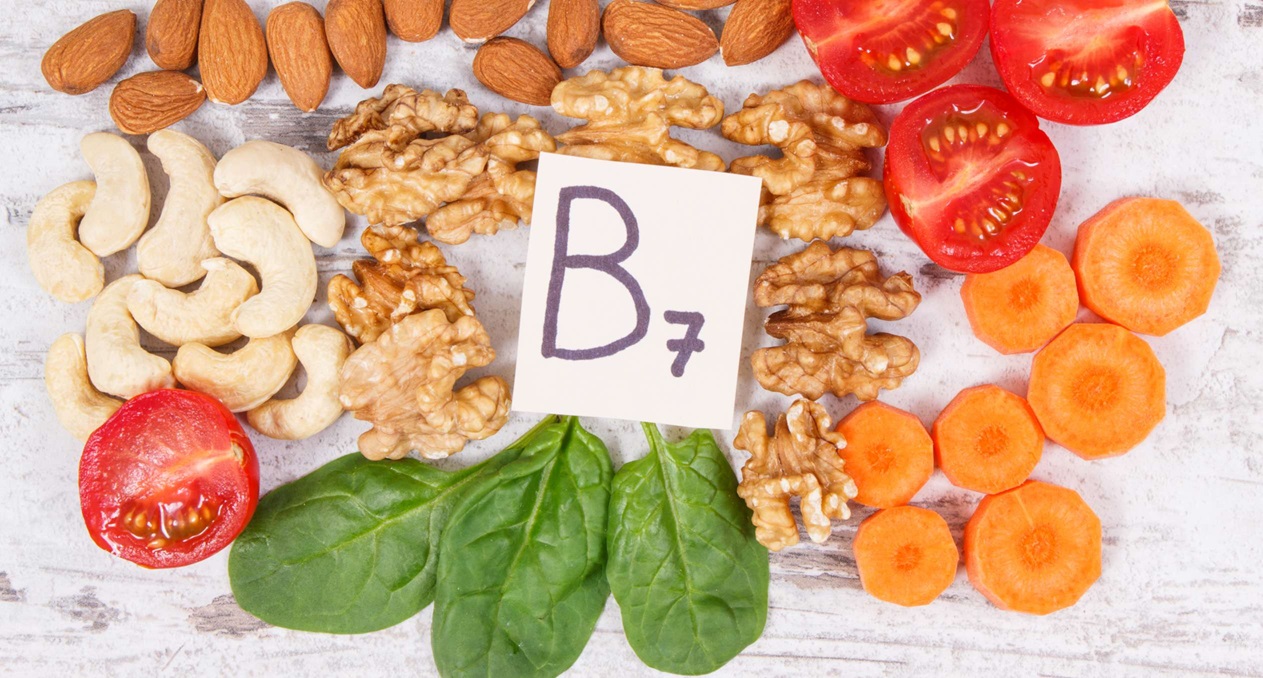
7. NATURAL SOURCES
7.1. Rich Sources
| Source | Biotin Content |
|---|---|
| Egg Yolk | High |
| Liver (Beef) | Very High |
| Salmon | High |
| Avocado | High |
| Legumes | High |
7.2. Moderate Sources
| Source | Biotin Content |
|---|---|
| Peanuts | Moderate |
| Hazelnuts | Moderate |
| Spinach | Moderate |
| Sweet Potatoes | Moderate |
| Mushrooms | Moderate |
| Soybeans | Moderate |
| Oats | Moderate |
| Whole Grains | Moderate |
| Wheat | Moderate |
| Yeast | Moderate |
7.3. Dairy and Other Sources
| Source | Biotin Content |
|---|---|
| Milk | Low-Moderate |
| Yogurt | Low-Moderate |
| Bananas | Low-Moderate |
| Cauliflower | Low |
Important Notes:
-
Plant-based biotin is directly absorbed, while animal-based biotin requires breakdown of protein compounds for absorption.
-
Biotin is sensitive to heat, light, and oxygen. Vegetables should not be cooked with excessive water or for prolonged periods.
-
Since biotin cannot be stored in the body, it must be consumed regularly through diet.
8. DEFICIENCY TREATMENT AND RECOMMENDATIONS
| Treatment Method | Description |
|---|---|
| Biotin Supplementation (Mild Deficiency) | 30 – 100 mcg/day |
| Biotin Supplementation (Severe Deficiency) | 5 – 10 mg/day (under medical supervision) |
| Dietary Changes | Increase intake of biotin-rich foods |
| Underlying Cause Treatment | Treat malabsorption issues (Crohn's, celiac), adjust medications |
| Risk Factor Management | Avoid raw egg whites (avidin binds biotin), limit alcohol, supplement during pregnancy |
| Regular Blood Tests | Monitor biotin levels to ensure recovery |
| Professional Consultation | Always consult a doctor or dietitian before starting supplementation |
Untreated biotin deficiency can lead to worsening hair, skin, and nail problems, as well as neurological symptoms.
9. RISK GROUPS
| Group | Reason |
|---|---|
| Pregnant Women | Increased biotin requirements |
| Alcohol Dependents | Impaired absorption and storage |
| Raw Egg White Consumers | Avidin in raw eggs binds and inactivates biotin |
| Patients with Malabsorption | Crohn's disease, celiac disease, inflammatory bowel disease |
| Long-term Anticonvulsant Users | Certain medications reduce biotin levels |
| Elderly Individuals | Reduced dietary intake and absorption |
10. DAILY REQUIREMENT
| Age Group | Daily Requirement (mcg) |
|---|---|
| 0-6 months | 5 mcg |
| 7-12 months | 6 mcg |
| 1-3 years | 8 mcg |
| 4-8 years | 12 mcg |
| 9-13 years | 20 mcg |
| 14-18 years | 25 mcg |
| 19+ years | 30 mcg |
| Pregnancy | 30 mcg |
| Breastfeeding | 35 mcg |
11. SAFETY AND TOXICITY
| Parameter | Information |
|---|---|
| Toxicity | Very low; no known toxic effects |
| Oral LD50 (Rat) | > 10,000 mg/kg |
| Side Effects | None known at normal doses |
| Upper Tolerable Intake Level | Not established (no known toxicity) |
| Drug Interactions | May interfere with laboratory tests (biotin interference) |
| Allergic Reactions | Rare |
12. APPLICATIONS
| Sector | Use Case |
|---|---|
| Food Supplements | Supports hair, skin, and nail health; used in multivitamin formulations |
| Cosmetics | Found in shampoos, conditioners, and skin care products |
| Pharmaceuticals | Used in vitamin tablets and therapeutic blends |
| Animal Feed | Added to pet food and livestock feed |
| Clinical Diagnostics | Used in biotin-streptavidin assays |
13. REGULATORY STATUS
| Region / Authority | Status |
|---|---|
| EFSA | Daily reference intake established |
| FDA | Daily Value (DV) 30 mcg |
| Turkey | Approved as food supplement |
| Codex | Approved for food supplements and fortification |
14. OTHER NAMES AND SYNONYMS
| Type | Name |
|---|---|
| Turkish Names | Biotin, B7 Vitamini, H Vitamini |
| English Names | Biotin, Vitamin B7, Vitamin H, Coenzyme R |
| CAS Number | 58-85-5 |
15. SUMMARY AND CRITICAL WARNINGS
| Parameter | Value |
|---|---|
| Product | Biotin (Vitamin B7 / Vitamin H) |
| CAS Number | 58-85-5 |
| Formula | C₁₀H₁₆N₂O₃S |
| Molecular Weight | 244.31 g/mol |
| Appearance | White crystalline powder |
| Primary Function | Energy metabolism, hair/skin/nail health, enzyme cofactor |
CRITICAL WARNINGS
1. LAB INTERFERENCE: High doses of biotin can interfere with laboratory tests, causing falsely high or low results. Inform healthcare providers about biotin use.
2. RAW EGG WHITES: Consuming raw egg whites can lead to biotin deficiency due to avidin, a protein that binds biotin. Always cook eggs before consumption.
3. STABILITY: Biotin is sensitive to light, heat, and oxygen. Store in a cool, dry place protected from light.
4. WATER-SOLUBLE: Biotin is not stored in the body. Regular intake through diet or supplements is essential.
5. PREGNANCY: Increased biotin requirements during pregnancy. Supplementation should be under medical supervision.
6. SUPPLEMENTATION: Deficiency is rare but may require high doses. Always consult a healthcare professional before starting supplementation.
7. DIETARY SOURCES: A balanced diet generally provides adequate biotin. Risk groups may benefit from supplementation.
IMPORTANT DISCLAIMER: This Technical Data Sheet (TDS) is for informational purposes only and is prepared based on available technical data. This document is not a substitute for medical advice. For any health condition or suspected deficiency, consult a healthcare professional. For complete safety, storage, use, and regulatory compliance information, refer to the official documentation provided by the manufacturer/supplier.