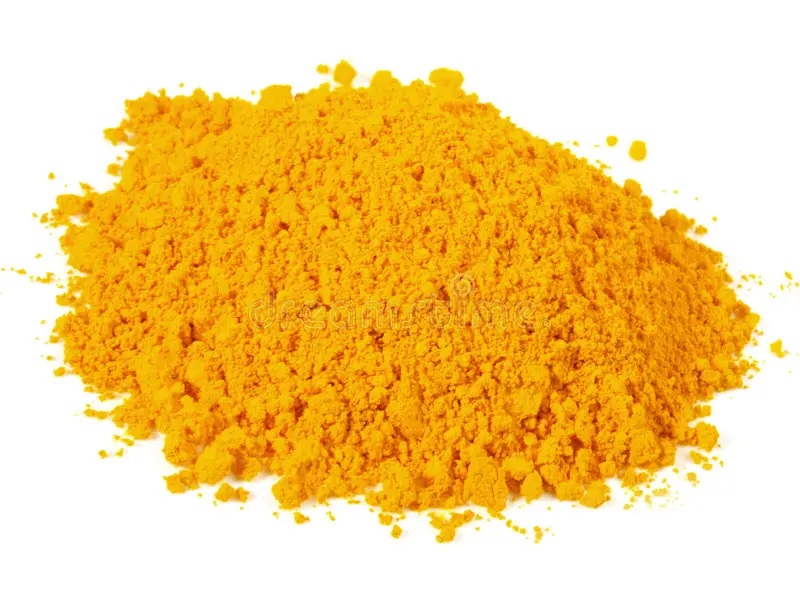
Pyridoxine, Vitamin B6, 65-23-6
VITAMIN B6 (PYRIDOXINE)
CHEMICAL PROFILE AND IDENTIFICATION
| Parameter |
Information |
| Product Name |
Vitamin B6, Pyridoxine |
| CAS Number |
65-23-6 |
| EC Number |
200-603-0 |
| Molecular Formula |
C₈H₁₁NO₃ |
| Molecular Weight |
169.18 g/mol |
| Hill Notation |
C8H11NO3 |
| MDL Number |
MFCD00006335 |
| UNSPSC Code |
12352104 |
| PubChem CID |
24898690 |
| NACRES |
NA.28 |
| Melting Point |
159-162°C (decomposes) |
| Appearance |
White to light yellow crystalline powder |
| Odor |
Slightly characteristic |
| Solubility |
Slightly soluble in water; soluble in ethanol |
SECTION 1: CHEMICAL IDENTITY AND STRUCTURE
Chemical Names
-
5-Hydroxy-6-methyl-3,4-pyridinedimethanol
-
Pyridoxine
-
2-Methyl-3-hydroxy-4,5-bis(hydroxymethyl)pyridine
-
Vitamin B6
Chemical Structuret
        CH₂OH
         |
    HO ─ C ─ C ─ CH₂OH
         |   |
    H₃C ─ C ─ C ─ H
         |   |
         N   OH
Vitamin B6 Group Components
Vitamin B6 is a group of three related compounds:
| Compound |
Formula |
Description |
| Pyridoxine |
C₈H₁₁NO₃ |
Main form found in plant sources |
| Pyridoxal |
C₈H₉NO₃ |
Precursor to the biologically active form |
| Pyridoxamine |
C₈H₁₂N₂O₂ |
Precursor to the biologically active form |
| Pyridoxal-5-Phosphate (PLP) |
C₈H₁₀NO₆P |
Biologically active coenzyme form |
SECTION 2: PHYSICAL AND CHEMICAL PROPERTIES
| Property |
Value |
| Molecular Weight |
169.18 g/mol |
| Appearance |
White to light yellow crystalline powder |
| Odor |
Slightly characteristic |
| Melting Point |
159-162°C (decomposes) |
| pH (1% solution) |
3.0-4.0 |
| Solubility in Water |
Slightly soluble (~3.4 g/L at 20°C) |
| Solubility in Ethanol |
Soluble |
| Solubility in Lipids |
Insoluble |
| pKa |
5.0, 8.9 |
| Log P (Octanol-Water) |
-0.76 |
| Light Sensitivity |
Light-sensitive |
SECTION 3: FUNCTIONS OF VITAMIN B6
3.1 Biologically Active Form: Pyridoxal-5-Phosphate (PLP)
Pyridoxal-5-phosphate (PLP) is the biologically active coenzyme form of vitamin B6 and is involved in more than 100 enzymatic reactions in the body:
| Function |
Description |
| Amino Acid Metabolism |
Synthesis, breakdown, and conversion of amino acids |
| Neurotransmitter Synthesis |
Synthesis of serotonin, dopamine, GABA, norepinephrine |
| Hemoglobin Production |
Hemoglobin synthesis in red blood cells |
| Homocysteine Metabolism |
Conversion of homocysteine to cysteine |
| Lipid Metabolism |
Breakdown of fatty acids |
| Carbohydrate Metabolism |
Glycogen breakdown and gluconeogenesis |
| Immune Function |
Lymphocyte proliferation and antibody production |
| Gene Expression |
Regulation of hormone receptors and gene transcription factors |
3.2 Role in Neurotransmitter Synthesis
| Neurotransmitter |
Role of B6 |
| Serotonin |
PLP required for serotonin synthesis from tryptophan (mood, sleep regulation) |
| Dopamine |
Dopamine synthesis from L-DOPA (movement, reward system) |
| GABA |
GABA synthesis from glutamate (inhibitory neurotransmitter) |
| Norepinephrine |
Norepinephrine synthesis from dopamine (stress response) |
| Melatonin |
Melatonin synthesis from serotonin (sleep-wake cycle) |
SECTION 4: HEALTH BENEFITS OF VITAMIN B6
| Benefit |
Description |
Evidence Level |
| PMS Symptom Reduction |
50 mg/day B6 improves PMS symptoms by 69% (depression, irritability, fatigue) |
Clinical study |
| Reduced Depression Risk |
People with low B6 levels have 2x higher risk of depression |
Study on 250 elderly adults |
| Anemia Treatment |
Prevents and treats anemia caused by B6 deficiency through hemoglobin production |
Clinical evidence |
| Macular Degeneration |
With folic acid and B12, reduces risk of age-related macular degeneration |
Eye studies |
| Brain and Nervous System |
Essential for proper brain development and nervous system function through neurotransmitter synthesis |
Biochemical evidence |
| Immune System |
Essential for resistance to infections and diseases |
Biochemical evidence |
SECTION 5: DAILY VITAMIN B6 REQUIREMENT
| Age Group |
Daily Requirement (mg) |
| 0-6 months |
0.1 mg |
| 7-12 months |
0.3 mg |
| 1-3 years |
0.5 mg |
| 4-8 years |
0.6 mg |
| 9-13 years |
1.0 mg |
| 14-18 years (Male) |
1.3 mg |
| 14-18 years (Female) |
1.2 mg |
| 19-50 years (Male) |
1.3 mg |
| 19-50 years (Female) |
1.3 mg |
| 51+ years (Male) |
1.7 mg |
| 51+ years (Female) |
1.5 mg |
| Pregnancy |
1.9 mg |
| Breastfeeding |
2.0 mg |
SECTION 6: VITAMIN B6 DEFICIENCY
Causes
| Cause |
Description |
| Inadequate Diet |
Unbalanced or insufficient nutrition |
| Malabsorption |
Intestinal diseases or malabsorption syndromes |
| Alcoholism |
Alcohol inactivates pyridoxine |
| Medication Use |
Antiseizure drugs, isoniazid, cycloserine, hydralazine, corticosteroids, penicillamine |
| Hemodialysis |
Excessive B6 loss during dialysis |
Symptoms
| Symptom |
Description |
| Anemia |
Fatigue, weakness, pale skin |
| Skin Rash |
Seborrheic dermatitis (scaly, itchy rash on face) |
| Dry and Cracked Lips |
Scaly lips, cracked mouth corners, swollen tongue |
| Weakened Immunity |
Reduced resistance to infections |
| Numbness and Tingling |
Peripheral neuropathy (numbness in hands and feet) |
| Depression |
Mood disorders, irritability |
| Confusion |
Mental confusion, difficulty concentrating |
| Muscle Weakness |
Decreased muscle strength |
SECTION 7: FOOD SOURCES OF VITAMIN B6
Animal Sources
| Food |
B6 Content (per 100g) |
| Chicken (breast) |
0.6-0.8 mg |
| Turkey |
0.4-0.6 mg |
| Beef |
0.3-0.5 mg |
| Salmon |
0.6 mg |
| Tuna |
0.8-1.0 mg |
| Beef Liver |
0.7-1.0 mg |
| Egg |
0.1-0.2 mg |
Plant Sources
| Food |
B6 Content (per 100g) |
| Chickpeas |
0.6-1.0 mg |
| Potatoes |
0.3-0.4 mg |
| Bananas |
0.4-0.5 mg |
| Avocado |
0.2-0.3 mg |
| Nuts |
0.3-0.5 mg |
| Almonds |
0.1-0.2 mg |
| Lentils |
0.3-0.5 mg |
| Kidney Beans |
0.2-0.4 mg |
| Soybeans |
0.2-0.3 mg |
| Broccoli |
0.1-0.2 mg |
| Mushrooms |
0.1-0.2 mg |
| Garlic |
0.1-0.2 mg |
| Artichoke |
0.1-0.2 mg |
| Whole Grains |
0.1-0.3 mg |
| Fortified Cereals |
0.2-0.4 mg |
| Spinach |
0.1-0.2 mg |
| Carrots |
0.1-0.2 mg |
| Cauliflower |
0.1-0.2 mg |
| Bell Pepper |
0.2-0.3 mg |
| Red Meat |
0.3-0.5 mg |
| Fish (General) |
0.3-0.6 mg |
SECTION 8: OVERDOSE AND TOXICITY
| Parameter |
Information |
| Toxic Dose |
>100 mg/day over prolonged period |
| Upper Tolerable Limit (UL) |
Adults: 100 mg/day |
| Toxic Symptoms |
Neuropathy (numbness in hands and feet), photosensitivity, skin lesions |
| Reversibility |
Generally reversible upon dosage reduction |
SECTION 9: STORAGE
| Parameter |
Information |
| Storage Conditions |
Cool (15-25°C), dry, protected from light |
| Container Requirements |
Tightly closed, light-protective packaging |
| Materials to Protect From |
Light, moisture, high temperature |
| Shelf Life |
24-36 months (under proper storage) |
LEGAL DISCLAIMER
The information provided in this document is based on our current knowledge and experience and is presented in good faith; however, as all conditions of use are beyond our control, it does not constitute a binding specification or warranty. This Technical Data Sheet is for informational purposes only. This document does not constitute medical advice. For any health-related decisions, consult your physician or healthcare professional. For complete safety, storage, use, and regulatory compliance information, please refer to the official Safety Data Sheet (SDS) provided by the manufacturer/supplier.