We unleash your business potential by maximize the business innovation.
Send EmailVitamin B5, Calcium-D-Pantothenate, Pantothenic Acid, Panthenol, Pantothenate, Dexpanthenol, Pantothenyl Alcohol, 137-08-6
Product Information: Calcium-D-Pantothenate
-
Chemical Name / Synonyms: D-Pantothenic acid hemicalcium salt, Pantothenic acid, Panthenol, Pantothenate, Dexpanthenol, Pantothenyl alcohol
-
Molecular Formula: C9H16O5N·½Ca
-
Molecular Weight: 238.27
-
CAS Number: 137-08-6
-
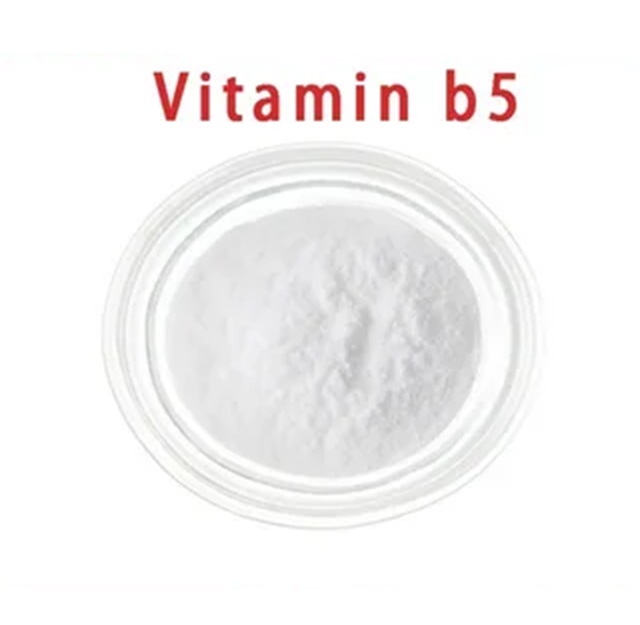
Appearance: White to off-white crystalline powder
-
Solubility: Soluble in water
-
pH (5% solution at 25°C): 6.8 – 8.0
-
Specific Rotation [α]20D: +25.0° to +27.5° (c=5% in H2O)
-
Melting Point: ~190°C
-
Loss on Drying (105°C): ≤ 5%
-
Culture Test Results:
-
Shoot culture: No deformities, active growth, no toxicity
-
Callus culture: No necrosis, active growth, no toxicity
-
Biological Importance of Vitamin B5
-
Water-soluble: Not stored in the body, must be consumed daily.
-
Energy metabolism: Essential component of Coenzyme A, enabling the conversion of carbohydrates, proteins, and fats into energy.
-
Hormone synthesis: Plays a key role in producing stress-related hormones such as cortisol.
-
Skin health: Supports cell regeneration, elasticity, and hydration. Widely used in skincare formulations.
Dietary Sources of Vitamin B5
-
Animal-based: Chicken breast, egg yolk, beef liver
-
Plant-based: Avocado, lentils, whole grains (oats, brown rice), broccoli
-
Note: Balanced diets generally provide sufficient amounts, but processed-food-heavy diets may increase deficiency risk.
Signs of Deficiency
-
Fatigue, headaches, muscle cramps
-
Depression, weakened immunity
-
Dry skin, hair loss
Daily Requirement
-
Adults: ~5 mg per day
-
Supplements: Found in multivitamins, B-complex formulations, and standalone B5 supplements.
Why It Matters
Vitamin B5 is indispensable for:
-
Energy production (via Coenzyme A)
-
Stress management (hormone regulation)
-
Skin health (hydration, elasticity, anti-aging support)