We unleash your business potential by maximize the business innovation.
Send EmailCalcium-D-Pantothenate, Vitamin B5, Calcium Pantothenate, 137-08-6
CALCIUM-D-PANTOTHENATE (VITAMIN B5)
CAS 137-08-6 | C₉H₁₆NO₅·½Ca | C₁₈H₃₂CaN₂O₁₀
SECTION 1: PRODUCT IDENTITY AND DEFINITION
| Parameter | Description |
|---|---|
| Product Name | Calcium-D-Pantothenate |
| Other Names | D-Pantothenic Acid Hemicalcium Salt, Vitamin B5, Pantothenic Acid, Pantothenate, Dexpanthenol, Pantothenyl Alcohol, Panthenol |
| Chemical Formula | C₉H₁₆NO₅·½Ca (C₁₈H₃₂CaN₂O₁₀) |
| Molecular Weight | 238.27 g/mol |
| CAS Number | 137-08-6 |
| EC Number | 205-278-9 |
| Chemical Class | Vitamin / B-Complex Vitamin |
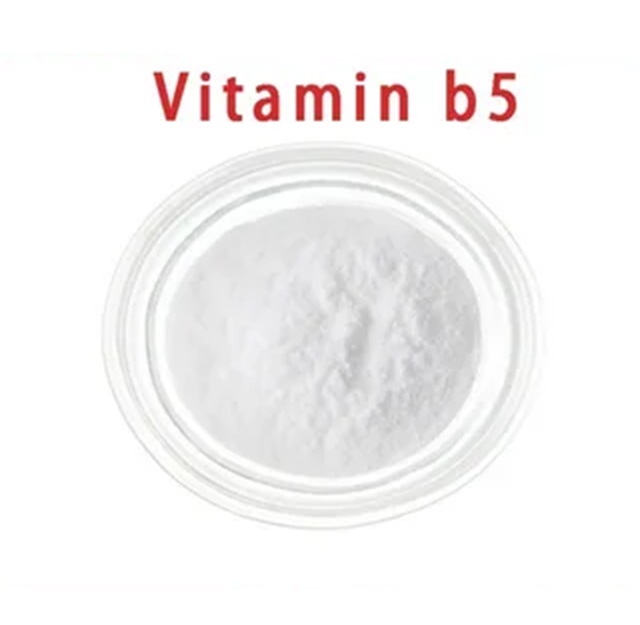
| Appearance | White to Off-White Crystalline Powder |
| Source | Synthetic (D-Pantolactone + 3-Aminopropanol + Calcium) |
Description: Calcium-D-Pantothenate is the most common stable salt form of Vitamin B5 (Pantothenic Acid). Pantothenic acid is a water-soluble B-complex vitamin that serves as a precursor to coenzyme A (CoA), playing a critical role in energy metabolism. The calcium salt form improves the stability and processability of pantothenic acid. It appears as a white crystalline powder and is readily soluble in water. It is widely used in dietary supplements, pharmaceutical products, and animal feed.
SECTION 2: SYNONYMS AND OTHER NAMES
| No | Synonym / Other Name |
|---|---|
| 1 | Calcium-D-Pantothenate |
| 2 | D-Pantothenic Acid Hemicalcium Salt |
| 3 | Vitamin B5 (Calcium Salt) |
| 4 | Pantothenic Acid Calcium Salt |
| 5 | Pantothenate |
| 6 | D-Pantothenate |
| 7 | 137-08-6 |
| 8 | EC 205-278-9 |
| 9 | Calcium Pantothenate |
| 10 | D-(+)-Pantothenic Acid Calcium Salt |
SECTION 3: CHEMICAL STRUCTURE AND PROPERTIES
| Parameter | Description |
|---|---|
| Chemical Family | Vitamin B5 / B-Complex Vitamin |
| Structure | Calcium salt of D-pantothenic acid |
| Functional Groups | Carboxylate (-COO⁻), Hydroxyl (-OH), Amide (-CONH-), Dimethyl, Calcium Ion (Ca²⁺) |
| Optical Activity | Optically active D-form |
| Chirality | Single chiral center (D-isomer) |
Structural Formula:
text
          OH
          |
    HOCH₂ - C - CHOH - CONH - CH₂ - CH₂ - COO⁻  ·  ½ Ca²⁺
          |
         CH₃

    D-Pantothenic Acid Hemicalcium Salt
Description: Calcium-D-Pantothenate is the calcium salt of D-pantothenic acid (vitamin B5). Pantothenic acid is an amide of β-alanine and pantoic acid. The molecule contains a primary alcohol, a secondary alcohol, an amide, and a carboxylate group. The calcium ion binds two pantothenate anions to form a stable salt. This salt form stabilizes the hygroscopic and unstable nature of pantothenic acid.
SECTION 4: PHYSICAL PROPERTIES
| Parameter | Specification | Typical Value | Test Method |
|---|---|---|---|
| Physical State (25°C) | Solid (Crystalline Powder) | - | Visual |
| Appearance | White – Off-White Crystalline Powder | - | Visual |
| Odor | Slight characteristic or odorless | - | Organoleptic |
| Melting Point | ~190°C (with decomposition) | - | DSC |
| pH (5% Aqueous Solution, 25°C) | 6.8 – 8.0 | 7.0 – 7.5 | USP <791> |
| Specific Rotation [α]²⁰ᴅ | +25.0° – +27.5° | +26.0° – +27.0° | Polarimeter |
| Water Solubility | Soluble (~50 g/L) | - | - |
| Ethanol Solubility | Slightly soluble | - | - |
| Oil/Fat Solubility | Insoluble | - | - |
| Loss on Drying (105°C) | ≤ 5.0% | < 2.0% | USP <731> |
| Calcium Content | 8.2 – 8.6% | ~8.4% | Titration |
| Nitrogen Content | ~5.9% | ~5.9% | Titration |
| Hygroscopicity | Slightly hygroscopic | - | - |
SECTION 5: BIOLOGICAL FUNCTION AND MECHANISM
| Parameter | Description |
|---|---|
| Vitamin B5 (Pantothenic Acid) | Member of the B-complex vitamin group |
| Coenzyme A (CoA) Precursor | Pantothenic acid is the fundamental building block for Coenzyme A synthesis |
| Acyl Carrier Protein (ACP) | Plays a role in fatty acid synthesis |
| Energy Metabolism | Critical role in carbohydrate, fat, and protein metabolism |
| Hormone Synthesis | Involved in the production of stress hormones (cortisol, etc.) |
| Skin Health | Supports cell regeneration, elasticity, and moisture balance |
| Immune System | Supports antibody production |
| Nervous System | Plays a role in neurotransmitter synthesis |
Biological Conversion and Mechanism of Action:
-
Calcium-D-Pantothenate → Pantothenic Acid (during digestion)
-
Pantothenic Acid → Coenzyme A (CoA) (intracellular synthesis)
-
Coenzyme A → Acetyl-CoA (energy metabolism)
-
Acetyl-CoA → TCA Cycle (energy production)
-
Coenzyme A → Fatty acid synthesis, steroid synthesis, neurotransmitter synthesis
Key Biological Effects:
-
Energy Production: Critical role in carbohydrate, fat, and protein metabolism
-
Stress Management: Involved in the synthesis of cortisol and other stress hormones
-
Skin Health: Supports cell regeneration, skin elasticity, and moisture balance
-
Immunity: Supports antibody production
SECTION 6: DIETARY SUPPLEMENT APPLICATIONS
| Application | Function / Benefit | Typical Use Level |
|---|---|---|
| Multivitamin Tablets | Vitamin B5 source | 5 – 10 mg/tablet |
| B-Complex Vitamins | B5 component | 5 – 50 mg/tablet |
| Powder Supplements | Vitamin B5 source | 5 – 50 mg/serving |
| Liquid Supplements | Vitamin B5 source | 5 – 50 mg/serving |
| Energy Drinks | Nutritional support | 5 – 20 mg/serving |
| Sports Nutrition | Energy metabolism support | 5 – 50 mg/serving |
| Functional Foods | Vitamin B5 fortification | 5 – 20 mg/serving |
| Infant Formulas | Vitamin B5 fortification | 1 – 5 mg/serving |
Daily Intake (Recommended Dietary Allowance):
| Age Group | Daily Requirement (mg) |
|---|---|
| Infants (0-12 months) | 1.7 – 1.8 mg |
| Children (1-8 years) | 2.0 – 3.0 mg |
| Children (9-13 years) | 4.0 – 5.0 mg |
| Adults (14+ years) | 5.0 mg |
| Pregnancy | 6.0 mg |
| Lactation | 7.0 mg |
SECTION 7: PHARMACEUTICAL APPLICATIONS
| Application | Function / Benefit | Typical Use Level |
|---|---|---|
| Oral Tablets | Vitamin B5 supplementation | 5 – 100 mg |
| Oral Liquids | Vitamin B5 supplementation | 5 – 100 mL |
| Injectable Solutions | Vitamin B5 source (parenteral) | 50 – 200 mg/mL |
| Multi-Vitamin Injections | B-complex component | Varies |
| Dermatological Products | Skin care (as Panthenol) | 0.5 – 5.0% |
SECTION 8: ANIMAL FEED APPLICATIONS
| Application | Function / Benefit | Typical Use Level |
|---|---|---|
| Poultry Feed | Vitamin B5 supplementation | 5 – 15 mg/kg |
| Swine Feed | Vitamin B5 supplementation | 5 – 15 mg/kg |
| Cattle Feed | Vitamin B5 supplementation | 5 – 15 mg/kg |
| Fish Feed | Vitamin B5 supplementation | 10 – 20 mg/kg |
| Pet Food | Vitamin B5 supplementation | 5 – 15 mg/kg |
SECTION 9: NATURAL SOURCES
| Animal Sources | Plant Sources |
|---|---|
| Chicken breast | Avocado |
| Egg yolk | Lentils |
| Beef liver | Whole grains (oats, brown rice) |
| Fish (salmon, tuna) | Broccoli |
| Milk and dairy products | Mushrooms |
| Nuts and seeds | |
| Corn | |
| Potatoes |
SECTION 10: DEFICIENCY SYMPTOMS
| Symptom | Description |
|---|---|
| Fatigue and Weakness | Due to impaired energy metabolism |
| Headache | Neurological effects |
| Muscle Cramps | Electrolyte imbalance |
| Depression and Anxiety | Impaired neurotransmitter synthesis |
| Weakened Immunity | Reduced antibody production |
| Dry Skin | Slowed cell regeneration |
| Hair Loss | Reduced hair follicle nutrition |
| Digestive Issues | Metabolic disorders |
Deficiency Risk Factors:
-
Processed food-heavy diets
-
Alcohol consumption
-
Certain medications (e.g., oral contraceptives)
-
Digestive system disorders
SECTION 11: REGULATORY STATUS
| Region / Authority | Status | Description |
|---|---|---|
| European Union | Permitted | Dietary supplement, food additive |
| Turkey | Permitted | Compliant with EU legislation |
| USA (FDA) | Permitted | GRAS; approved as dietary supplement |
| Japan | Permitted | Approved as dietary supplement |
| Canada | Permitted | Health Canada approved |
| USP/EP | Available | Pharmacopoeia quality standard available |
| REACH | Registered | Compliant with EU chemical regulations |
| GRAS | Yes | Generally Recognized as Safe by FDA |
Usage Limits:
-
Dietary Supplements: 5-50 mg/day (adults)
-
Food Additives: Subject to GMP limits
-
Animal Feed: Varies by species and age
SECTION 12: SAFETY AND TOXICOLOGICAL PROFILE
| Parameter | Assessment |
|---|---|
| Acute Oral Toxicity (LD50) | > 10,000 mg/kg (low toxicity) |
| Acute Dermal Toxicity | Low toxicity |
| Skin Irritation | Non-irritating |
| Eye Irritation | May be mildly irritating |
| Skin Sensitization | Not a sensitizer |
| Carcinogenicity | Not classified (IARC, NTP) |
| Mutagenicity | Not mutagenic |
| Reproductive Toxicity | Not classified |
| Endocrine Disruption | No known potential |
| Overdose | Excreted in urine; low toxicity |
| GRAS | Yes (FDA) |
| ADI (Acceptable Daily Intake) | Not specified (safe) |
| Culture Test Results | No toxicity observed; active growth |
Culture Test Results:
-
Shoot Culture: No structural deformation, active growth, no toxicity observed
-
Callus Culture: No necrotic tissue, active growth, no toxicity observed
SECTION 13: STORAGE AND SHELF LIFE
| Parameter | Information |
|---|---|
| Storage Temperature | 15 – 30°C (room temperature) |
| Storage Conditions | Cool, dry, well-ventilated area |
| Container Requirements | Sealed containers; protect from moisture |
| Protect From | Moisture, excessive heat, strong oxidizing agents |
| Hygroscopicity | Slightly hygroscopic |
| Shelf Life | 24 – 36 months (under proper storage) |
| Degradation Signs | Caking, color change, odor change |
| Stability | Stable under cool and dry conditions |
Packaging Options:
-
25 kg PE-lined multi-layer bags
-
25 kg HDPE drums
-
1 kg, 5 kg, 10 kg (upon request)
SECTION 14: VITAMIN B5 DERIVATIVES COMPARISON
| Property | Calcium-D-Pantothenate | Panthenol | Dexpanthenol |
|---|---|---|---|
| CAS | 137-08-6 | 16485-10-2 | 81-13-0 |
| Form | Salt (Solid Powder) | Alcohol (Racemic) | Alcohol (D-form) |
| Use | Supplements, food, feed | Cosmetics | Cosmetics, pharmaceuticals |
| Optical Activity | D-form (+25°) | Racemic (0°) | D-form (+30.5°) |
| Water Solubility | High | High | High |
| Stability | High | Moderate | Moderate |
| Biological Activity | High | Low (DL) | High (D) |
SECTION 15: QUALITY CERTIFICATES AND STANDARDS
| Certificate / Standard | Status | Description |
|---|---|---|
| ISO 9001:2015 | Certified | Quality management system |
| ISO 14001:2015 | Certified | Environmental management system |
| FDA 21 CFR | Compliant | Food and dietary supplement applications |
| USP/EP | Available | Pharmacopoeia quality standard |
| REACH | Registered | EU chemical regulation compliance |
| FCC (Food Chemicals Codex) | Compliant | Food chemical standards |
| Halal | Available | Certified upon request |
| Kosher | Available | Certified upon request |
| Certificate of Analysis (COA) | Provided with each batch | Includes binding specifications |
| Safety Data Sheet (SDS) | Available | Current 16-section document |
| Technical Data Sheet (TDS) | Available | Comprehensive technical information |
| GMP | Compliant | Manufacturing quality standards |
SECTION 16: DISCLAIMER AND LEGAL NOTICE
| Item | Description |
|---|---|
| Information Purpose | This Technical Data Sheet (TDS) is for informational purposes only and does not constitute a binding specification. |
| Typical Values | Values stated herein are based on typical laboratory results and may vary slightly between batches. |
| Binding Data | For binding specifications, the Certificate of Analysis (COA) for each batch should be requested. |
| User Responsibility | The user is solely responsible for determining the suitability of the product for the intended application and ensuring compliance with all applicable regulations. |
| SDS Requirement | A current Safety Data Sheet (SDS) should be requested from the supplier prior to use. |
| Safety Information | Safety information in this document is based on current knowledge but does not constitute a guarantee of the product's health and safety risks. |
| Regulatory Changes | The user is responsible for monitoring local and international regulatory changes. |
| Product Quality | Product quality is guaranteed in accordance with the standards specified in this document. |
| License / Patents | This document does not grant any license or patent rights for use of the product. |
| Side Effects | Allergic reactions are rare but possible in sensitive individuals; users should conduct suitability tests. |
DISCLAIMER (LEGAL NOTICE): This Technical Data Sheet (TDS) is for informational purposes only and does not constitute a binding specification. The values stated herein are based on typical laboratory results. The user is solely responsible for determining the suitability of the product for the intended application and for ensuring compliance with all local regulations. A current Safety Data Sheet (SDS) and Certificate of Analysis (COA) should be requested prior to use. Allergic reactions are rare but possible in sensitive individuals; suitability tests should be conducted. This document does not grant any license or patent rights for use of the product.