We unleash your business potential by maximize the business innovation.
Send EmailVitamin B3, Niasin, Nicotinic Acid, Nicotinamide, 98-92-0
Product Information: Vitamin B3 (Niacin / Nicotinamide)
-
Chemical Name / Synonyms: Niacin, Nicotinamide, Nicotinic Acid, Vitamin B3
-
IUPAC Name: 3-Pyridinecarboxamide
-
CAS Number: 98-92-0
-
EINECS/ELINCS No.: 202-713-4
-
COSING Reference No.: 35499
-
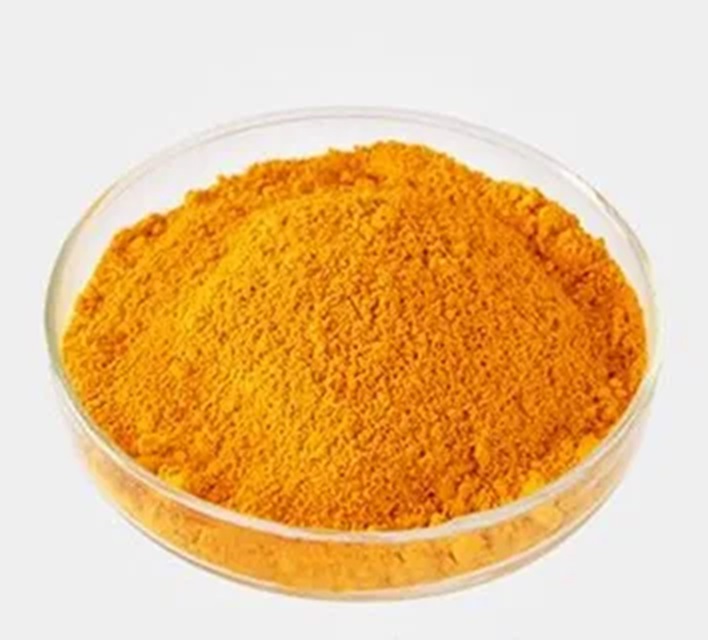
Appearance: White crystalline powder
-
Solubility: Water-soluble
Biological Importance
-
Vitamin B3 is one of the eight B vitamins, also known as Niacin.
-
It is water-soluble and cannot be stored in the body, so it must be consumed daily.
-
Exists in three main forms: Niacin (nicotinic acid), Nicotinamide, and Nicotinamide riboside.
-
Plays a vital role in:
-
Energy metabolism (conversion of food into energy)
-
Nervous system function
-
Skin health
-
DNA repair and cell signaling
-
Daily Requirements
Recommended daily intake varies by age, gender, and condition:
-
Adult men: 16 mg
-
Adult women: 14 mg
-
Pregnant women: 18 mg
-
Breastfeeding women: 17 mg
-
Children (0–4 years): 2–12 mg depending on age
-
Boys (14–17 years): 16 mg
-
Girls (14–17 years): 14 mg
Dietary Sources of Vitamin B3
Vitamin B3 is widely available in both animal and plant-based foods:
-
Fish: Tuna, salmon, sardines, anchovies, sea bass
-
Red meat: Beef, liver, bone broth
-
Poultry: Chicken, turkey, eggs
-
Grains: Brown rice, whole grains
-
Legumes: Lentils, chickpeas, beans
-
Vegetables: Spinach, carrots, okra, zucchini, beetroot, onions, garlic, leafy greens
-
Fruits: Bananas, strawberries, citrus fruits, avocados
-
Nuts and seeds: Almonds, walnuts, peanuts, pistachios, sunflower seeds, sesame, chia, flaxseed
-
Others: Olive oil, olives, fish oil
Deficiency and Health Risks
-
Deficiency disease: Pellagra
-
Symptoms of deficiency:
-
Fatigue, weakness, memory loss
-
Depression, irritability, anxiety
-
Digestive issues (nausea, vomiting, constipation, diarrhea)
-
Skin problems (rash, roughness, peeling, sensitivity to sunlight)
-
Mouth ulcers, red/swollen tongue
-
Neurological issues (confusion, hallucinations, cognitive decline)
-
Circulatory problems and cholesterol imbalance
-
Risk groups:
-
People with alcohol dependency
-
Liver disease patients
-
Individuals with eating disorders (e.g., anorexia)
-
HIV/AIDS patients
-
Those with poor diets or food scarcity
-
Patients undergoing chemotherapy or certain drug treatments (e.g., isoniazid)
-
People with celiac disease or inflammatory bowel disease
Why Vitamin B3 Matters
-
Essential for energy production and cellular function.
-
Prevents pellagra, a serious deficiency disease.
-
Supports mental health, reducing risks of depression and cognitive decline.
-
Contributes to skin health and cholesterol regulation.
Key Takeaways
-
Vitamin B3 (Niacin) is a critical water-soluble vitamin that must be consumed daily.
-
Found in a wide variety of foods, making deficiency rare in balanced diets.
-
Deficiency can lead to pellagra, with severe effects on skin, digestion, and the nervous system.
-
Adequate intake depends on age, gender, and physiological conditions such as pregnancy or breastfeeding.