We unleash your business potential by maximize the business innovation.
Send EmailVitamin B2 Riboflavin, E101, 83-88-5
Product Information
-
Name / Synonyms: Riboflavin, Vitamin B2
-
CAS Number: 83-88-5
-
Molecular Formula: C17H20N4O6
-
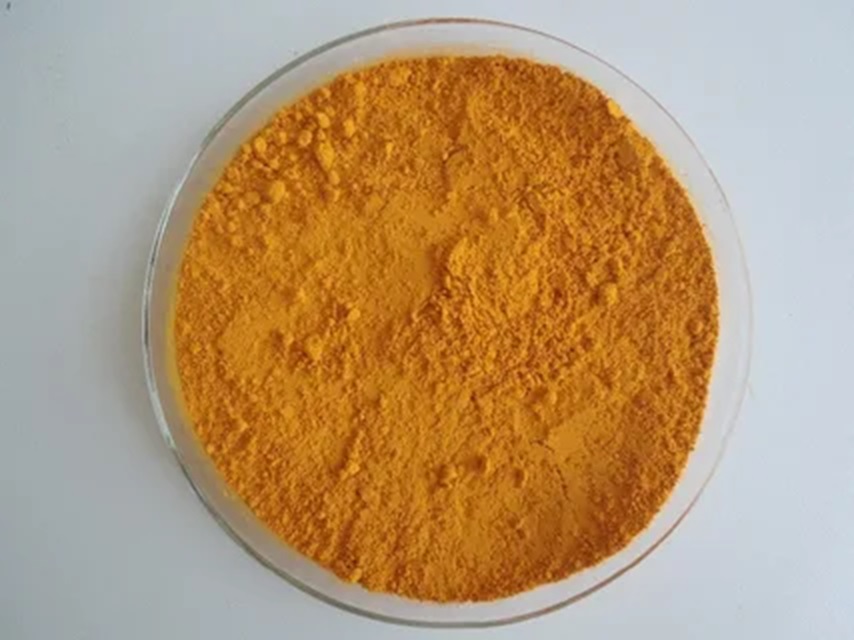
Appearance: Yellow to orange crystalline powder
-
Purity: 99%
-
Storage: Keep in sealed containers, cool and dry conditions
-
Applications: Nutritional factor naturally found in milk, eggs, meat, and other foods
-
Production Capacity: 20,000 kg/day
-
Packaging: 100 g/bag, 2 kg/bag, 25 kg/carton
Biological Importance
-
Water-soluble vitamin: Not stored in the body, excess is excreted in urine.
-
Energy metabolism: Helps convert carbohydrates into ATP, the body’s main energy currency.
-
Functions:
-
Supports proper digestion
-
Promotes growth and development, slows aging processes
-
Protects the liver
-
Maintains healthy eyes, nerves, muscles, and skin
-
Enhances absorption of other vitamins (B1, B3, B6, folic acid, iron)
-
Supports adrenal gland hormone production
-
May help prevent cataracts and migraines
-
Sometimes recommended as a supplement for children with autism
-
Dietary Sources
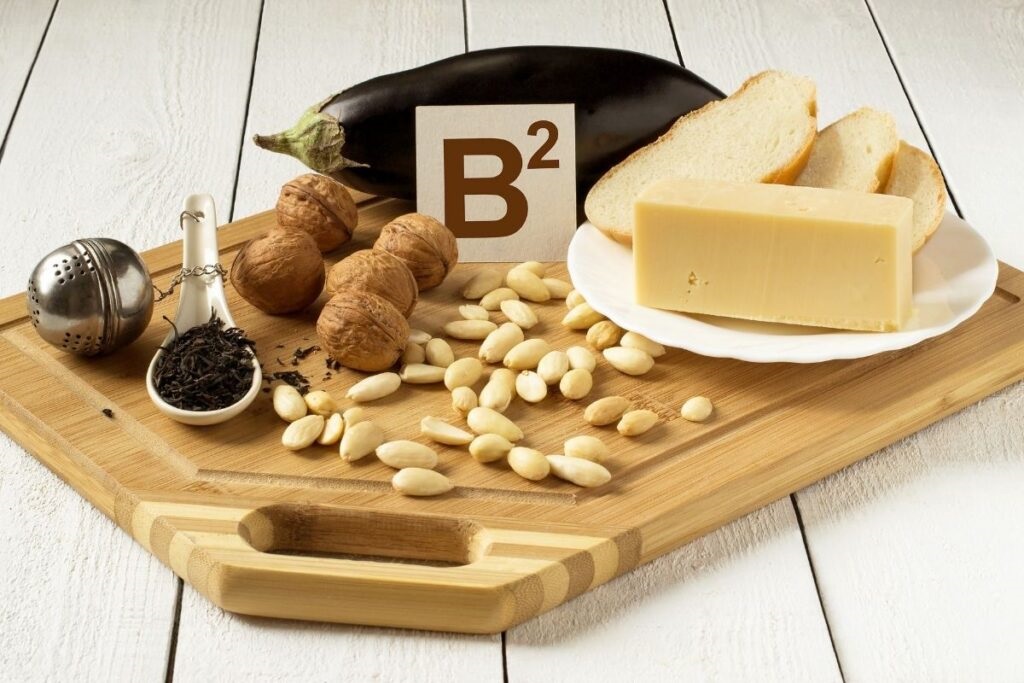
Rich sources of Vitamin B2 include:
-
Dairy products (milk, cheese)
-
Almonds
-
Red meat
-
Fatty fish
-
Eggs (especially boiled)
-
Mushrooms
Note: Cooking methods such as boiling can reduce riboflavin content.
Daily Requirement
-
Adults: 1–2 mg per day
-
Pregnancy and lactation: Needs may rise up to 15 mg per day
Deficiency (Ariboflavinosis)
-
Causes: Poor diet, malabsorption, or inability to utilize riboflavin
-
Symptoms:
-
Impaired protein, fat, and carbohydrate metabolism
-
Digestive problems
-
Dull hair, skin wrinkles
-
Mouth and tongue sores
-
Loss of appetite
-
Eye strain, redness, vision problems
-
Memory issues
-
Risk groups: Malnourished individuals, heavy alcohol consumers
Excess Intake and Side Effects
-
Riboflavin is generally safe; up to 27 mg can be absorbed, excess is excreted in urine.
-
Overdose is rare, but very high intake may cause:
-
Itching, numbness, burning sensations
-
Bright yellow or orange urine
-
-
Drug interactions: Some antidepressants and cancer medications may alter riboflavin absorption. People with chronic conditions should consult a doctor before supplementation.
Summary
Vitamin B2 (Riboflavin) is essential for energy production, growth, and maintaining healthy organs and tissues. It must be consumed daily through diet, as it is not stored in the body. Deficiency can lead to metabolic, digestive, and neurological issues, while excess intake is usually harmless due to urinary excretion.