We unleash your business potential by maximize the business innovation.
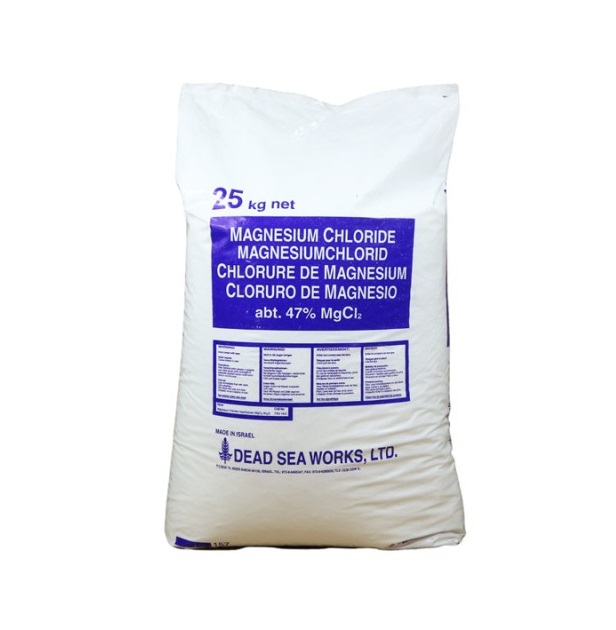
Send EmailMagnesium Chloride, Magnesium Dichloride, Magnogene, White Nigari, 7786-30-3
MAGNESIUM CHLORIDE (MgCl₂)
1. Chemical Identity and Material Classification
-
Chemical Name: Magnesium Chloride, Magnesium Dichloride
-
Synonyms: Magnogene, White Nigari, Aerotex Accelerator MX, Catalyst G, TMT 2, Ekimac, Freecat MX, FIX-Mg, NS HMC 23D, C-TEK, Soft Wafer, LR-MC, PS-F series
-
CAS Number: 7786-30-3
-
EC Number (EINECS): 232-094-6
-
Molecular Formula: MgCl₂ (anhydrous); MgCl₂·6H₂O (hexahydrate – most common commercial form)
-
Molecular Weight: 95.21 g/mol (anhydrous); 203.30 g/mol (hexahydrate)
-
Chemical Class: Inorganic salt (halide)
-
HS Code: 2827.31
-
UN Number: Not regulated (non-hazardous for transport)
2. Physical Properties
2.1 General Physical Properties (Anhydrous)
| Property | Value |
|---|---|
| Appearance | White to off-white crystalline powder or flakes |
| Physical state (20°C) | Solid (crystalline) |
| Odor | Odorless |
| Taste | Saline, bitter |
| Density (20°C) | 2.32 g/cm³ |
| Bulk density (typical) | 0.8–1.2 g/cm³ |
| Melting point | 714°C (1,317°F) |
| Boiling point | 1,412°C (2,574°F) |
| Flash point | Non-flammable |
| Vapor pressure | Negligible |
| Refractive index (nD20) | 1.675 |
2.2 General Physical Properties (Hexahydrate – MgCl₂·6H₂O)
| Property | Value |
|---|---|
| Appearance | White, colorless to off-white crystalline powder, granules, or flakes |
| Physical state (20°C) | Solid (crystalline) |
| Odor | Odorless |
| Taste | Saline, bitter |
| Density (20°C) | 1.569 g/cm³ |
| Bulk density (typical) | 0.8–1.1 g/cm³ |
| Melting point | 117°C (243°F) (decomposes to MgO + HCl) |
| Decomposition temperature | >117°C → MgO + HCl + H₂O |
| Flash point | Non-flammable |
2.3 Solubility in Water (Anhydrous basis)
| Temperature (°C) | Solubility (g/100 mL water) |
|---|---|
| 0°C | 52.9 |
| 10°C | 53.8 |
| 20°C | 54.8 |
| 25°C | 55.0 |
| 30°C | 56.0 |
| 40°C | 58.0 |
| 50°C | 61.0 |
| 60°C | 66.0 |
| 80°C | 73.0 |
| 100°C | 80.0 |
Note: At 20°C, magnesium chloride dissolves approximately 542 g/L (54.2 g/100 mL) – very high solubility.
2.4 Solubility in Other Solvents
| Solvent | Solubility |
|---|---|
| Water | Very soluble (as above) |
| Ethanol | Soluble (approximately 10–15 g/100 mL) |
| Methanol | Soluble |
| Acetone | Slightly soluble |
| Glycerol | Soluble |
2.5 Aqueous Solution Properties
| Parameter | Value |
|---|---|
| pH (1% solution, 20°C) | 6.5–7.5 (neutral to slightly acidic) |
| pH (5% solution, 20°C) | 6.0–7.0 |
| pH (10% solution, 20°C) | 5.5–6.5 |
| Heat of solution | Exothermic (heats water) |
| Electrical conductivity (20°C, 10%) | Very high (electrolyte) |
| Specific gravity (20°C) | 1.569 (hexahydrate) |
3. Chemical Properties
3.1 Molecular Structure
Structure: Mg²⁺ 2Cl⁻
-
Ionic crystal (magnesium cation, chloride anions)
-
Strong electrolyte – dissociates completely in water: MgCl₂ → Mg²⁺ + 2Cl⁻
-
Hygroscopic (absorbs moisture from air)
-
Forms hydrates (monohydrate, dihydrate, hexahydrate – most common)
3.2 Hydrate Forms
| Hydrate | Formula | Water of Crystallization | Melting Point |
|---|---|---|---|
| Anhydrous | MgCl₂ | 0% | 714°C |
| Monohydrate | MgCl₂·H₂O | ~15.5% | ~200°C (decomposes) |
| Dihydrate | MgCl₂·2H₂O | ~27.5% | ~180°C (decomposes) |
| Hexahydrate | MgCl₂·6H₂O | ~53.2% | 117°C (decomposes) |
3.3 Thermal Decomposition (Hexahydrate)
| Temperature | Reaction | Products |
|---|---|---|
| 100–117°C | Partial dehydration | MgCl₂·4H₂O + 2H₂O |
| 117–150°C | Further dehydration | MgCl₂·2H₂O + 4H₂O |
| 150–300°C | Hydrolysis (major decomposition) | MgO + 2HCl + 5H₂O |
| >300°C | Complete decomposition | MgO + 2HCl + H₂O |
Net reaction: MgCl₂·6H₂O → MgO + 2HCl↑ + 5H₂O↑
3.4 Chemical Reactivity
| Reaction | Description |
|---|---|
| With water | Dissolves exothermically; forms hydrated ions (Mg²⁺, Cl⁻) |
| With strong bases | MgCl₂ + 2NaOH → Mg(OH)₂↓ + 2NaCl (white precipitate of magnesium hydroxide) |
| With carbonates | MgCl₂ + Na₂CO₃ → MgCO₃↓ + 2NaCl (precipitate) |
| With oxalates | MgCl₂ + Na₂C₂O₄ → MgC₂O₄↓ + 2NaCl (magnesium oxalate precipitate) |
| With sulfates | No reaction (magnesium sulfate is soluble) |
| Electrolysis (molten) | 2MgCl₂ → 2Mg + 2Cl₂↑ (magnesium metal production) |
| With ammonia | MgCl₂ + 2NH₃ + 2H₂O → Mg(OH)₂↓ + 2NH₄Cl |
3.5 Hydrolysis
In aqueous solution, magnesium chloride undergoes slight hydrolysis, producing an acidic solution:
Mg²⁺ + H₂O ⇌ MgOH⁺ + H⁺ (very weak – pH typically 6–7)
3.6 Stability
| Parameter | Behavior |
|---|---|
| Stability in dry air | Stable |
| Stability in moist air | Hygroscopic – absorbs moisture, may deliquesce |
| Light sensitivity | Stable |
| Thermal stability | Decomposes at high temperature (anhydrous >714°C; hexahydrate >117°C) |
3.7 Incompatibilities
| Substance | Hazard |
|---|---|
| Strong oxidizing agents (chlorates, permanganates, peroxides, chromates) | May form explosive mixtures |
| Strong bases (NaOH, KOH) | Precipitates Mg(OH)₂ (exothermic) |
| Water | Exothermic dissolution (heats up) |
| Metals (reactive) | Corrosion (chloride ion is corrosive to many metals) |
4. Quality Specifications
4.1 Hexahydrate – Industrial / Technical Grade
| Parameter | Specification |
|---|---|
| MgCl₂·6H₂O content | ≥ 98.0% |
| MgCl₂ equivalent | ≥ 46.0% |
| Magnesium (Mg) content | ≥ 11.5% |
| Chlorides (Cl) | ≥ 34.0% |
| Sulfates (SO₄) | ≤ 0.1–0.5% |
| Calcium (Ca) | ≤ 0.1–0.5% |
| Sodium (Na) | ≤ 0.1–0.5% |
| Potassium (K) | ≤ 0.1–0.5% |
| Iron (Fe) | ≤ 10–50 ppm |
| Heavy metals (as Pb) | ≤ 50 ppm |
| Insoluble matter | ≤ 0.1% |
| Water insolubles | ≤ 0.1% |
| pH (5% solution) | 5.5–7.5 |
4.2 Food / Pharmaceutical Grade (Hexahydrate)
| Parameter | Specification |
|---|---|
| MgCl₂·6H₂O content | ≥ 99.0–100.5% |
| Magnesium (Mg) content | 11.5–12.0% |
| Arsenic (As) | ≤ 3 ppm |
| Heavy metals (as Pb) | ≤ 10 ppm |
| Lead (Pb) | ≤ 2 mg/kg |
| Mercury (Hg) | ≤ 1 ppm |
| Cadmium (Cd) | ≤ 1 ppm |
| Calcium (Ca) | ≤ 0.05% |
| Iron (Fe) | ≤ 20 ppm |
| Sulfates (SO₄) | ≤ 0.05% |
| Chloride (Cl) | ≥ 34.0% |
| Loss on drying (105°C) | 50–55% (theoretical 53.2%) |
| pH (5% solution) | 6.0–7.5 |
4.3 Anhydrous Grade (Technical)
| Parameter | Specification |
|---|---|
| MgCl₂ content | ≥ 98.0% |
| Mg content | ≥ 24.5% |
| CaO | ≤ 0.5% |
| K⁺ | ≤ 0.1% |
| Na⁺ | ≤ 0.2% |
| SO₄²⁻ | ≤ 0.2% |
| Fe³⁺ | ≤ 0.002% |
| Insoluble matter | ≤ 0.1% |
5. Production Methods
5.1 From Seawater or Brine (Most Common)
Source: Seawater contains approximately 0.13–0.15% magnesium
Process:
-
Brine is concentrated by evaporation
-
Calcium is precipitated as CaSO₄ (gypsum)
-
Sodium chloride (NaCl) is crystallized out
-
Magnesium chloride solution is concentrated
-
Crystallization → MgCl₂·6H₂O
Purity: 98–99% (technical grade)
5.2 From Magnesite or Dolomite (Acid Digestion)
Reaction: MgCO₃ + 2HCl → MgCl₂ + H₂O + CO₂↑
Process:
-
Magnesite (MgCO₃) or dolomite (MgCO₃·CaCO₃) is reacted with hydrochloric acid
-
Solution is purified (removal of Ca, Fe)
-
Crystallization → MgCl₂·6H₂O
5.3 Anhydrous Production
Method 1: Dehydration of hexahydrate in HCl atmosphere (prevents hydrolysis)
Method 2: Direct chlorination of magnesium oxide or magnesium carbonate with chlorine gas
Reaction: MgO + Cl₂ + C → MgCl₂ + CO
6. Mechanism of Action
6.1 De-icing Mechanism (Ice Melting)
-
Magnesium chloride lowers the freezing point of water (freezing point depression)
-
When applied to ice/snow, MgCl₂ dissolves in the thin film of water on ice surface
-
Forms a brine solution with lower freezing point than pure water (eutectic point -33°C)
-
Effective at lower temperatures than sodium chloride (NaCl)
6.2 Dust Control Mechanism
-
Hygroscopic – absorbs moisture from air
-
Keeps road surfaces damp, preventing dust from becoming airborne
-
High solubility ensures even distribution
6.3 Magnesium Supplement (Bioavailability)
-
Magnesium chloride is highly water-soluble and readily dissociates into Mg²⁺ ions
-
Bioavailability is higher than magnesium oxide or magnesium sulfate
-
Does not require stomach acid for dissolution (unlike magnesium oxide)
-
Rapid absorption in the intestine
7. Industrial Applications
7.1 Magnesium Metal Production (Primary Application – Largest Use)
| Parameter | Value |
|---|---|
| Application | Feedstock for electrolytic production of magnesium metal |
| Process | Electrolysis of molten anhydrous MgCl₂ |
| Reaction | 2MgCl₂ → 2Mg + 2Cl₂↑ |
| Purity requirement | High purity (<0.1% impurities) |
7.2 De-icing and Anti-icing (Roads, Runways, Pavements)
| Parameter | Value |
|---|---|
| Application | Ice melting, anti-icing (prevents ice formation) |
| Effective temperature range | Down to -33°C (eutectic point) |
| Comparison with NaCl | Effective at lower temperatures; less corrosive to concrete |
| Typical application rate | 10–50 g/m² (liquid), 100–200 g/m² (solid) |
| Forms | Solid (flakes, granules) or liquid (25–30% solution) |
7.3 Dust Control (Unpaved Roads, Construction Sites, Mines)
| Parameter | Value |
|---|---|
| Application | Suppresses dust on unpaved roads, construction sites, mining haul roads |
| Mechanism | Hygroscopic – keeps surface moist |
| Typical application rate | 0.5–2 L/m² (liquid), 100–300 g/m² (solid) |
| Duration | 1–4 weeks (depending on traffic and weather) |
7.4 Sorel Cement (Magnesium Oxychloride Cement)
| Parameter | Value |
|---|---|
| Composition | MgCl₂ + MgO + H₂O |
| Reaction | 5MgO + MgCl₂ + 13H₂O → 5Mg(OH)₂·MgCl₂·8H₂O |
| Properties | Very hard, high strength, fire resistant, low thermal conductivity |
| Applications | Flooring, grinding wheels, artificial stone, decorative tiles |
7.5 Water Treatment
| Application | Function |
|---|---|
| pH adjustment | Slightly acidic (5–7% solution) – used for pH control |
| Magnesium source | Adds magnesium to water (for remineralization) |
| Coagulant aid | Assists in coagulation of suspended particles |
| Heavy metal precipitation | With base → Mg(OH)₂ (co-precipitation) |
7.6 Food Industry (Food Additive)
| Application | Function | E Number | Typical Usage |
|---|---|---|---|
| Mineral supplement | Source of magnesium (electrolyte) | E511 (magnesium chloride) | 100–500 mg/day |
| Firming agent | In tofu production (coagulant) | E511 | 0.1–0.5% |
| Beer brewing | Water treatment, yeast nutrient | Food grade | Variable |
| Dairy products | Processing aid | Food grade | Variable |
Note: Magnesium chloride is E511 (EU food additive); distinct from E504 (magnesium carbonate) or E528 (magnesium hydroxide).
7.7 Pharmaceutical and Medical Applications
| Application | Function | Typical Dosage |
|---|---|---|
| Magnesium deficiency treatment | Electrolyte replacement | 200–500 mg Mg/day |
| Epsom salt alternative | Bath salts (soaking) | 0.5–2 kg/bath |
| Intravenous solutions | Electrolyte replacement | As prescribed |
| Laxative | Bowel preparation (limited) | 10–15 g |
| Antacid component | Magnesium supplement | Variable |
7.8 Agriculture and Animal Feed
| Application | Function | Typical Rate |
|---|---|---|
| Magnesium fertilizer | Corrects magnesium deficiency in soil | 50–200 kg/hectare |
| Animal feed supplement | Magnesium source for livestock | 0.1–0.5% of feed |
| Hydroponics | Source of Mg²⁺ in nutrient solutions | 50–100 mg/L (as Mg) |
Magnesium deficiency symptoms in plants: Interveinal chlorosis (yellowing between veins), leaf curling, stunted growth.
7.9 Chemical Industry
| Application | Products |
|---|---|
| Magnesium hydroxide production | MgCl₂ + 2NaOH → Mg(OH)₂↓ + 2NaCl |
| Magnesium carbonate production | MgCl₂ + Na₂CO₃ → MgCO₃↓ + 2NaCl |
| Magnesium oxide production | Thermal decomposition |
| Fire retardant formulations | Component in fire-resistant materials |
| Catalyst support | In catalysis applications |
| Textile industry | Dyeing auxiliary, fire retardant |
| Paper industry | Filler, processing aid |
7.10 Construction Materials
| Application | Function |
|---|---|
| Fire-resistant plywood | With MgO – flame retardant panels |
| Concrete additive | Accelerator (set time reduction) |
| Magnesium oxychloride boards | Fire-resistant building panels (MgO boards) |
7.11 Oil and Gas Industry
| Application | Function |
|---|---|
| Drilling fluids | Viscosity modifier, weighting agent |
| Completion fluids | Density control (clear brine fluids) |
| Workover fluids | Density control |
7.12 Antifreeze and Coolants
| Parameter | Value |
|---|---|
| Application | Additive in antifreeze formulations |
| Function | Enhances freezing point depression of ethylene glycol/propylene glycol |
| Effect | Lowers freezing point further |
7.13 Textile Industry
| Application | Function |
|---|---|
| Fire retardant (back coating) | Flame-resistant fabric treatment |
| Dyeing auxiliary | Mordant, pH control |
7.14 Flocculation and Wastewater Treatment
| Application | Function |
|---|---|
| Coagulant | With lime (Ca(OH)₂) → removes phosphates and heavy metals |
8. Toxicology and Safety
8.1 Acute Toxicity
| Parameter | Value | Classification |
|---|---|---|
| Oral LD₅₀ (rat) | 2,800–5,000 mg/kg (low to moderate toxicity) | Not classified |
| Dermal LD₅₀ (rabbit) | >2,000 mg/kg | Not classified |
| Inhalation LC₅₀ | Not determined (dust may irritate) | Not classified |
| Eye irritation | Mild to moderate irritant | Eye Irrit. 2 |
| Skin irritation | Mild irritant | Not classified |
| Skin sensitization | Non-sensitizer | Not classified |
8.2 Chronic Toxicity
| Endpoint | Classification |
|---|---|
| Carcinogenicity | Not classified (non-carcinogenic) |
| Mutagenicity | Negative |
| Reproductive toxicity | Not classified |
| Target organ toxicity | Not classified |
8.3 GHS Classification (Typical)
| Classification | Category |
|---|---|
| Signal word | None (not classified as hazardous for most grades) |
| Hazard statements | None (under normal conditions) |
| Precautionary statements | P264, P280 (for dust – eye protection) |
8.4 NFPA Rating
| Health | Flammability | Reactivity |
|---|---|---|
| 1 | 0 | 0 |
9. Safety Precautions and Personal Protective Equipment (PPE)
-
Hazards:
-
Low acute toxicity
-
Dust may cause mild eye and respiratory tract irritation
-
Non-flammable
-
Hygroscopic – absorbs moisture from air
-
Exothermic dissolution in water (heats up)
-
-
PPE (recommended – industrial handling):
-
Safety glasses (EN 166) – mandatory (eye irritation risk)
-
Dust mask (FFP1/FFP2) – for dusty operations
-
Chemical-resistant gloves (nitrile – optional)
-
Protective clothing (dust protection)
-
-
Engineering controls:
-
Local exhaust ventilation (LEV) for dust control
-
Eyewash stations
-
-
Storage conditions:
-
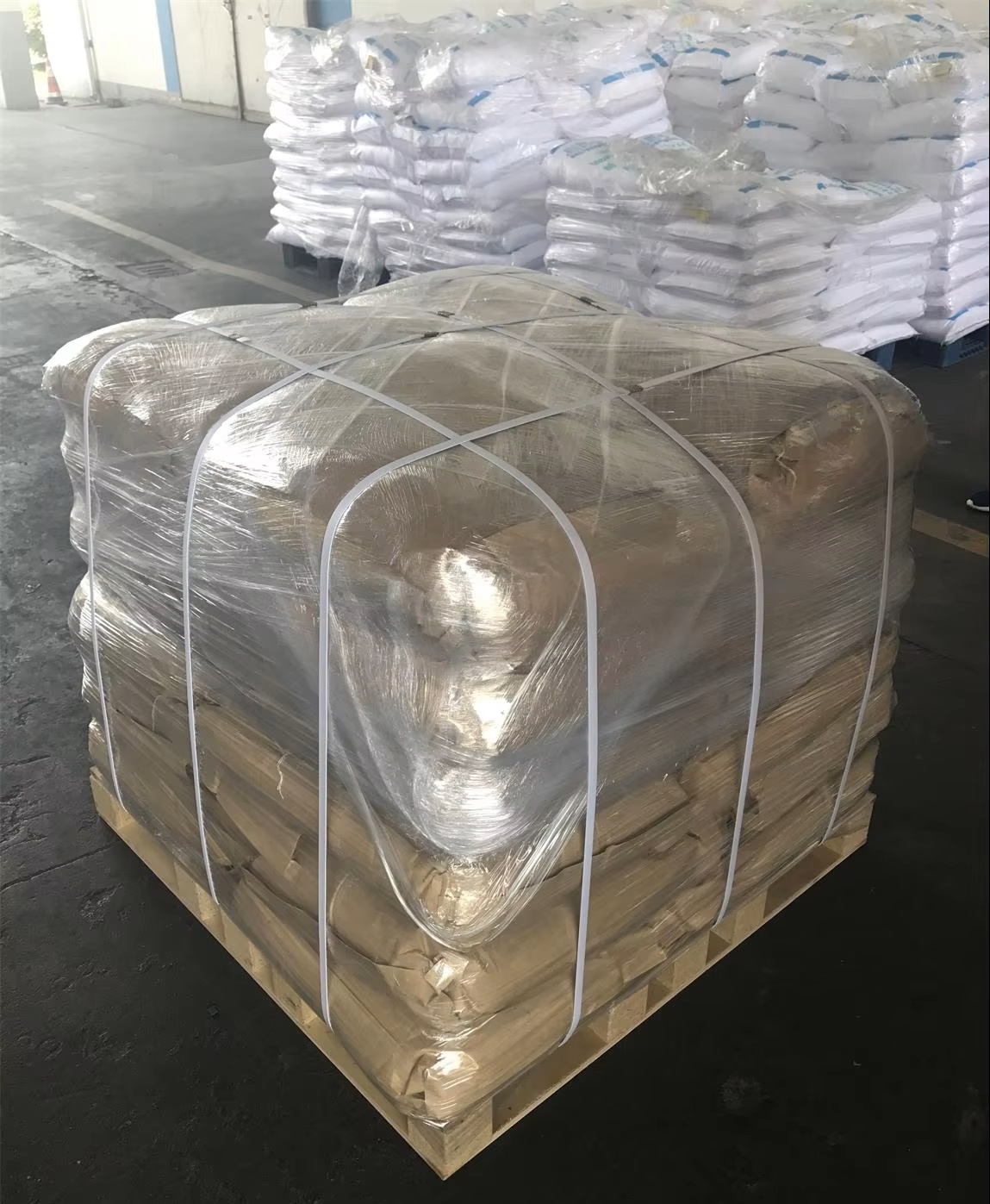
Keep tightly closed in original container (HDPE, PP, paper bags with liner)
-
Store in cool, dry, well-ventilated area
-
Protect from moisture (hygroscopic – absorbs water, may cake)
-
Store away from strong oxidizing agents
-
-
First aid:
-
Inhalation: Move to fresh air
-
Eye contact: Rinse with water for 15 minutes; remove contact lenses; seek medical attention if irritation persists
-
Skin contact: Wash with soap and water
-
Ingestion: Rinse mouth; drink water; seek medical attention if large amount swallowed
-
10. Environmental Fate
| Parameter | Value |
|---|---|
| Biodegradability | Not applicable (inorganic) |
| Aquatic toxicity (fish, LC₅₀, 96 hours) | 1,000–5,000 mg/L (low toxicity) |
| Daphnia magna (EC₅₀, 48 hours) | 500–2,000 mg/L |
| Algal toxicity (EC₅₀, 72 hours) | 100–1,000 mg/L |
| Bioaccumulation | Not applicable |
| Mobility in soil | High (high water solubility) |
| WGK Germany | 1 (low hazard to water) |
| Disposal method | Dissolve in water, flush to wastewater treatment (check local regulations) |
11. Storage and Shelf Life
11.1 Storage Conditions
| Parameter | Requirement |
|---|---|
| Storage temperature | 5–30°C (room temperature) |
| Container | Keep tightly closed (HDPE, PP, paper bags with liner – NOT carbon steel) |
| Protect from | Moisture (hygroscopic – absorbs water, may cake and deliquesce) |
| Environment | Cool, dry, well-ventilated area |
11.2 Shelf Life
| Parameter | Anhydrous | Hexahydrate |
|---|---|---|
| Shelf life (sealed, dry) | 24–36 months | 24–36 months |
| Degradation indicators | Caking (moisture absorption), liquefaction (deliquescence) | Caking, loss of water of crystallization (efflorescence – white powder on surface) |
12. Transport Information
| Regulation | Classification |
|---|---|
| UN Number | Not regulated (non-hazardous) |
| ADR/RID | Not classified as dangerous goods |
| IMDG | Not regulated |
| IATA | Not regulated |
| Proper shipping name | Magnesium chloride (non-hazardous) |
13. Synonyms and Common Names
-
English: Magnesium Chloride, Magnesium Dichloride, Magnogene, White Nigari, Aerotex Accelerator MX, Catalyst G, TMT 2, Ekimac, Freecat MX, FIX-Mg, NS HMC 23D, C-TEK, Soft Wafer, LR-MC, PS-F 15/20/30
-
Trade names: Nigari (Japanese – tofu coagulant), MgCl₂, Magnesium(II) chloride
-
French: Chlorure de magnésium
-
German: Magnesiumchlorid
-
Spanish: Cloruro de magnesio
-
Turkish: Magnezyum Klorür
14. Regulatory Status
| Regulation | Status |
|---|---|
| REACH (EU) | Registered (EC 232-094-6) |
| TSCA (US) | Listed |
| FDA | GRAS for certain uses (food additive E511 – magnesium chloride) |
| EFSA | Permitted as food additive (E511) |
| EPA | Not restricted |
15. Why Choose Magnesium Chloride?
| Advantage | Description |
|---|---|
| Very high water solubility | 54.8 g/100 mL at 20°C – easy to prepare concentrated solutions |
| Effective de-icer | Works down to -33°C (better than NaCl) |
| Excellent dust suppressant | Hygroscopic – keeps surfaces damp |
| Key magnesium metal source | Essential raw material for magnesium production |
| High bioavailability (Mg supplement) | More bioavailable than MgO or MgSO₄ |
| Sorel cement (magnesium oxychloride) | Produces extremely hard, fire-resistant cement |
| Food additive (E511) | Permitted as mineral supplement and firming agent (tofu) |
| Low cost | Economical compared to many other magnesium salts |
| Versatile | Used across de-icing, dust control, water treatment, agriculture, chemical industry |
| Long shelf life | 24–36 months when stored properly |
Limitations:
-
Hygroscopic – Absorbs moisture from air; requires airtight storage; may cake or deliquesce
-
Corrosive – Chloride ion is corrosive to many metals (steel, aluminum)
-
Exothermic dissolution – Dissolves in water with heat release (can heat up)
-
Decomposes at high temperature – Releases HCl gas (corrosive, irritant)
-
Not suitable for certain plants – High chloride concentration can damage chloride-sensitive plants (e.g., some fruit trees, berries)
16. Comparison with Other Magnesium Salts
| Property | Magnesium Chloride (MgCl₂) | Magnesium Sulfate (MgSO₄·7H₂O – Epsom salt) | Magnesium Oxide (MgO) | Magnesium Carbonate (MgCO₃) |
|---|---|---|---|---|
| Mg content | ~25% (anhydrous); ~12% (hexahydrate) | ~9.8% | ~60% | ~29% |
| Water solubility | 54.8 g/100 mL (very high) | 25.5 g/100 mL (high) | Insoluble | Insoluble |
| pH (solution) | 6–7 (neutral) | 7–8 (slightly alkaline) | 10–11 (alkaline) | 9–10 (alkaline) |
| Hygroscopicity | High | Low | Low | Low |
| De-icing efficiency | Excellent (to -33°C) | Poor | Not applicable | Not applicable |
| Bioavailability (Mg supplement) | Very high (soluble) | High (soluble) | Very low (insoluble) | Low (requires acid) |
| Uses | De-icing, dust control, Mg metal, Sorel cement | Bath salts, fertilizer, laxative | Refractory, antacid | Antacid, filler |
17. Magnesium Chloride vs. Calcium Chloride (De-icing)
| Property | Magnesium Chloride (MgCl₂) | Calcium Chloride (CaCl₂) |
|---|---|---|
| Eutectic point | -33°C | -55°C |
| Effective temperature | -25°C | -40°C |
| Corrosion (metals) | Moderate | Moderate–High |
| Corrosion (concrete) | Lower (less sulfate damage) | Higher |
| Plant toxicity | Moderate (chloride-sensitive plants) | Moderate |
| Cost | Moderate | Low |
| Hygroscopicity | High | Very high |
| Common form | Hexahydrate flakes | Flakes, pellets, liquid |
18. Frequently Asked Questions (FAQs)
Q1: Is magnesium chloride safe to eat?
A1: Yes, food-grade magnesium chloride (E511) is permitted as a food additive for mineral supplementation and as a firming agent (tofu coagulant). It is GRAS (Generally Recognized as Safe) by FDA.
Q2: What is the difference between magnesium chloride and Epsom salt?
A2: Magnesium chloride (MgCl₂) is different from Epsom salt (magnesium sulfate, MgSO₄·7H₂O). MgCl₂ has higher water solubility, better de-icing properties, and different applications. Epsom salt is commonly used in bath salts and as a laxative.
Q3: Why is magnesium chloride used for dust control?
A3: Magnesium chloride is hygroscopic – it absorbs moisture from the air, keeping road surfaces damp and preventing dust from becoming airborne. This property makes it effective for dust suppression on unpaved roads.
Q4: Is magnesium chloride corrosive to concrete?
A4: Magnesium chloride is less corrosive to concrete than sodium chloride (NaCl) or calcium chloride (CaCl₂). However, prolonged exposure to high concentrations can still cause some degradation. Concrete surfaces treated with de-icers should be sealed.
Q5: How does magnesium chloride work as a de-icer?
A5: Magnesium chloride lowers the freezing point of water through freezing point depression. When applied to ice/snow, it dissolves in the thin layer of water on the ice surface, forming a brine solution that remains liquid at lower temperatures (eutectic point -33°C).
Q6: Can magnesium chloride be used in organic farming?
A6: Yes, magnesium chloride is permitted in some organic farming standards as a magnesium source (soil amendment). However, check local organic certification requirements.
19. Storage Recommendations
| Condition | Recommendation |
|---|---|
| Containers | HDPE, polypropylene, paper bags with liner (NOT carbon steel or aluminum) |
| Temperature | 5–30°C (room temperature) |
| Humidity | <50% RH (prevents caking and deliquescence) |
| Shelf life | 24–36 months (sealed container) |
| After opening | Use within 6–12 months; reseal tightly; store with desiccant if possible |
| Incompatibles | Strong oxidizing agents, moisture |
20. Summary Table – Key Specifications at a Glance
| Parameter | Value |
|---|---|
| Product Name | Magnesium Chloride (MgCl₂) |
| CAS Number | 7786-30-3 |
| EC Number | 232-094-6 |
| Molecular Formula | MgCl₂ (anhydrous); MgCl₂·6H₂O (hexahydrate) |
| Molecular Weight | 95.21 g/mol (anhydrous); 203.30 g/mol (hexahydrate) |
| Appearance | White to off-white crystalline powder/flakes |
| Density | 2.32 g/cm³ (anhydrous); 1.569 g/cm³ (hexahydrate) |
| Melting Point | 714°C (anhydrous); 117°C (hexahydrate – decomposes) |
| pH (5% solution) | 5.5–7.5 |
| Water Solubility (20°C) | 54.8 g/100 mL (very high) |
| Mg content (hexahydrate) | ~11.5% |
| E Number | E511 (food additive) |
| Primary Applications | Magnesium metal production, de-icing, dust control, Sorel cement, water treatment, agriculture, food additive |
| GHS Signal Word | None (non-hazardous) |
| Hazard Statements | None |
| Oral LD₅₀ (rat) | 2,800–5,000 mg/kg |
| Biodegradability | Not applicable (inorganic) |
| Shelf Life | 24–36 months |
This TDS is prepared in compliance with ISO 11014-1 format and is intended for industrial engineers, road maintenance professionals, chemical manufacturers, water treatment specialists, agricultural scientists, food technologists, and procurement professionals. Certificates of Analysis (CoA), Safety Data Sheets (SDS), and sample validation reports are available upon request.