Thiamine Hydrochloride, Thiamine Mononitrate, Vitamin B1 HCl, Vitamin B1 Nitrate, Aneurine Hydrochloride, Thiamine HCl, Thiamine Nitrate, Vitamin B1, 67-03-8, 532-43-4
THIAMINE (VITAMIN B1) – HYDROCHLORIDE AND MONONITRATE FORMS
Thiamine / Vitamin B1 / Aneurine / Thiamine HCl / Thiamine Mononitrate
CAS Numbers: 67-03-8 (Hydrochloride); 532-43-4 (Mononitrate)
EC Numbers: 200-641-8 (Both forms)
SECTION 1: PRODUCT IDENTIFICATION AND CHEMICAL IDENTITY
| Parameter |
Thiamine Hydrochloride |
Thiamine Mononitrate |
| Product Name |
Thiamine Hydrochloride (Vitamin B1 HCl) |
Thiamine Mononitrate (Vitamin B1 Nitrate) |
| Chemical Name (IUPAC) |
3-[(4-Amino-2-methylpyrimidin-5-yl)methyl]-5-(2-hydroxyethyl)-4-methylthiazolium chloride hydrochloride |
3-[(4-Amino-2-methylpyrimidin-5-yl)methyl]-5-(2-hydroxyethyl)-4-methylthiazolium nitrate |
| Other Names |
Vitamin B1, Aneurine Hydrochloride, Thiamine HCl |
Vitamin B1 Mononitrate, Thiamine Nitrate |
| CAS Number |
67-03-8 |
532-43-4 |
| EC Number (EINECS) |
200-641-8 |
200-641-8 |
| Molecular Formula |
C₁₂H₁₇ClN₄OS·HCl |
C₁₂H₁₇N₅O₄S |
| Molecular Weight |
337.27 g/mol |
327.36 g/mol |
| Chemical Class |
Water-soluble vitamin (B-complex) |
Water-soluble vitamin (B-complex) |
| Appearance |
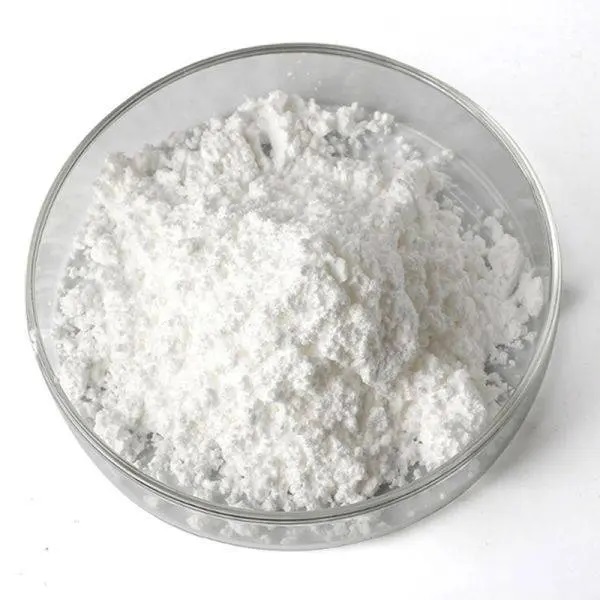
White to off-white crystalline powder |
White to off-white crystalline powder |
| Odor |
Slight characteristic |
Slight characteristic |
| Taste |
Slightly bitter |
Slightly bitter |
| Physical State (20°C) |
Solid (crystalline) |
Solid (crystalline) |
Thiamine (Vitamin B1) is an essential, water-soluble vitamin belonging to the B-complex group. Two main salt forms exist: Thiamine Hydrochloride (CAS 67-03-8) is widely used in pharmaceutical formulations and injectable products; Thiamine Mononitrate (CAS 532-43-4) is preferred in dietary supplements and grain fortification due to its greater stability.
SECTION 2: SYNONYMS AND OTHER NAMES
| Type |
Thiamine Hydrochloride |
Thiamine Mononitrate |
| Common Names |
Thiamine HCl, Vitamin B1 HCl, Aneurine HCl |
Thiamine Nitrate, Vitamin B1 Mononitrate |
| Chemical Names |
3-[(4-Amino-2-methylpyrimidin-5-yl)methyl]-5-(2-hydroxyethyl)-4-methylthiazolium chloride hydrochloride |
3-[(4-Amino-2-methylpyrimidin-5-yl)methyl]-5-(2-hydroxyethyl)-4-methylthiazolium nitrate |
| CAS Number |
67-03-8 |
532-43-4 |
| EC Number |
200-641-8 |
200-641-8 |
| HS Code |
2936.22 |
2936.22 |
SECTION 3: CHEMICAL STRUCTURE
3.1. Molecular Structure
Thiamine consists of a pyrimidine ring and a thiazole ring connected by a methylene bridge.
Structural Formula:
        NH₂
         |
         C
        / \
       /   \
      /     \
     /       \
    N         C - CH₃
    |         |
    C - CH₂ - N
    |         |
    C         C
    |        / \
    N       /   \
           /     \
          CH₂     S
           |
          CH₂
           |
          OH
Simplified Representation:
Pyrimidine ring - CH₂ - Thiazole ring
3.2. Molecular Formula and Weight
| Parameter |
Thiamine Hydrochloride |
Thiamine Mononitrate |
| Molecular Formula |
C₁₂H₁₇ClN₄OS·HCl |
C₁₂H₁₇N₅O₄S |
| Molecular Weight |
337.27 g/mol |
327.36 g/mol |
3.3. Key Structural Features
| Feature |
Description |
| Core Structure |
Pyrimidine ring + Thiazole ring |
| Linkage |
Methylene bridge (-CH₂-) between rings |
| Functional Groups |
Amino (-NH₂), Hydroxyethyl (-CH₂CH₂OH), Methyl (-CH₃) |
| Salt Form |
Hydrochloride (HCl) or Mononitrate (NO₃) |
| Active Form |
Thiamine Pyrophosphate (TPP) in the body |
SECTION 4: THIAMINE HYDROCHLORIDE VS. THIAMINE MONONITRATE COMPARISON
| Property |
Thiamine Hydrochloride |
Thiamine Mononitrate |
| CAS Number |
67-03-8 |
532-43-4 |
| Molecular Formula |
C₁₂H₁₇ClN₄OS·HCl |
C₁₂H₁₇N₅O₄S |
| Molecular Weight |
337.27 g/mol |
327.36 g/mol |
| Water Solubility |
High (~100 g/L) |
Moderate (~50 g/L) |
| Hygroscopicity |
Hygroscopic (absorbs moisture) |
Less hygroscopic |
| Stability |
Sensitive to light and moisture |
More stable (suitable for supplements) |
| Application Areas |
Pharmaceuticals, injections |
Dietary supplements, grain fortification |
| Cost |
Lower |
Higher |
SECTION 5: PHYSICAL AND CHEMICAL PROPERTIES
| Property |
Thiamine Hydrochloride |
Thiamine Mononitrate |
| Appearance |
White to off-white crystalline powder |
White to off-white crystalline powder |
| Odor |
Slight characteristic |
Slight characteristic |
| Taste |
Slightly bitter |
Slightly bitter |
| Melting Point |
~248°C (decomposes) |
~250°C (decomposes) |
| Water Solubility (20°C) |
High (~100 g/L) |
Moderate (~50 g/L) |
| Solubility in Ethanol |
Slightly soluble |
Slightly soluble |
| pH (1% aqueous solution) |
2.7 – 3.3 |
3.0 – 4.0 |
| Hygroscopicity |
Hygroscopic |
Less hygroscopic |
| Stability |
Sensitive to light; stable in dry conditions |
More stable; resistant to light and moisture |
| Decomposition |
Decomposes when heated; releases toxic gases |
Decomposes when heated; releases toxic gases |
SECTION 6: SOLUBILITY PROFILE
| Solvent |
Thiamine Hydrochloride |
Thiamine Mononitrate |
Conditions |
| Water |
High (~100 g/L) |
Moderate (~50 g/L) |
20°C |
| Ethanol |
Slightly soluble |
Slightly soluble |
25°C |
| Chloroform |
Insoluble |
Insoluble |
25°C |
| Benzene |
Insoluble |
Insoluble |
25°C |
| Acetone |
Slightly soluble |
Slightly soluble |
25°C |
SECTION 7: CHEMICAL PROPERTIES AND REACTIVITY
| Property |
Information |
| Chemical Character |
Weakly basic (pyrimidine nitrogen atoms) |
| Stability |
Stable under normal storage conditions; sensitive to light and moisture (HCl form more sensitive) |
| Thermal Stability |
Decomposes above 250°C; releases toxic gases |
| pH Stability |
Stable in acidic solutions (pH 3-5); decomposes in alkaline solutions |
| Incompatible Materials |
Strong oxidizers, strong bases, alkaline substances, light, moisture |
| Decomposition Products |
Nitrogen oxides (NOₓ), sulfur oxides (SOₓ), hydrogen chloride (HCl) - nitrate derivatives for mononitrate |
SECTION 8: PHARMACOLOGICAL PROPERTIES
8.1. Primary Function
| Parameter |
Description |
| Biological Role |
Coenzyme in carbohydrate metabolism (Thiamine Pyrophosphate - TPP) |
| Enzyme Cofactor |
Pyruvate dehydrogenase, α-ketoglutarate dehydrogenase, transketolase |
| Energy Metabolism |
Essential for ATP production |
| Nervous System |
Maintains normal nervous system function |
| Cardiac Function |
Supports normal heart function |
8.2. Mechanism of Action
| Step |
Description |
| 1 |
Thiamine is absorbed and converted to Thiamine Pyrophosphate (TPP) |
| 2 |
TPP acts as a coenzyme for key enzymes in carbohydrate metabolism |
| 3 |
Pyruvate dehydrogenase → converts pyruvate to acetyl-CoA |
| 4 |
α-Ketoglutarate dehydrogenase → Krebs cycle |
| 5 |
Transketolase → Pentose phosphate pathway |
| 6 |
ATP production is maintained; nerve function is supported |
8.3. Pharmacokinetics
| Parameter |
Information |
| Absorption |
Rapidly absorbed from the gastrointestinal tract |
| Distribution |
Widely distributed in tissues |
| Storage |
Limited storage; stored primarily in the liver and muscles |
| Metabolism |
Converted to TPP in the liver |
| Excretion |
Primarily excreted in urine (as metabolites) |
| Half-Life |
~1-2 hours |
SECTION 9: BIOLOGICAL IMPORTANCE AND HEALTH BENEFITS
| Benefit |
Description |
| Energy Metabolism |
Coenzyme in carbohydrate metabolism; essential for ATP production |
| Cardiac Function |
Regulates heart function; prevents edema and inflammation |
| Brain Function |
Supports neurotransmitter production; cognitive function |
| Nerve Function |
Essential for nerve transmission and muscle contractions |
| Blood Sugar Balance |
Contributes to glucose metabolism |
| Red Blood Cell Production |
Supports RBC formation |
| Immune System |
Indirectly strengthens immune function |
| Stress Management |
Increases energy levels; supports stress response |
SECTION 10: DEFICIENCY SYMPTOMS
| Symptom |
Description |
| Fatigue |
General weakness, lethargy, tiredness |
| Muscle Weakness |
Cramps, muscle pain, difficulty walking |
| Loss of Appetite |
Anorexia, rapid weight loss |
| Neuropsychiatric Symptoms |
Irritability, depression, difficulty concentrating |
| Cardiovascular Symptoms |
Palpitations, shortness of breath, chest pain |
| Digestive Issues |
Gastrointestinal disturbances, constipation |
| Peripheral Neuropathy |
Nerve inflammation, tingling, numbness |
SECTION 11: DEFICIENCY DISEASES
| Disease |
Description |
| Beriberi (Dry) |
Neurological and muscular disorders; nerve damage, muscle wasting |
| Beriberi (Wet) |
Cardiac and circulatory disorders; edema, heart failure |
| Wernicke-Korsakoff Syndrome |
Severe neurological disorder associated with alcoholism and malnutrition; characterized by confusion, ataxia, memory impairment |
| Infantile Beriberi |
Occurs in infants breastfed by thiamine-deficient mothers; cardiac and neurological symptoms |
SECTION 12: AT-RISK POPULATIONS
| Group |
Description |
| Alcoholics |
Chronic alcohol consumption leads to malabsorption and increased excretion |
| Elderly Individuals |
Reduced absorption, poor diet |
| HIV/AIDS Patients |
Increased nutritional requirements |
| Diabetic Patients |
Increased excretion, metabolic demands |
| Bariatric Surgery Patients |
Reduced absorption due to altered gastrointestinal anatomy |
| Patients with Malabsorption Disorders |
Crohn's disease, celiac disease |
SECTION 13: DAILY REQUIREMENTS
| Population |
Recommended Daily Intake |
| Adults (Male) |
1.2 mg |
| Adults (Female) |
1.1 mg |
| Pregnancy |
1.4 mg |
| Lactation |
1.4 mg |
| Children (1-3 years) |
0.5 mg |
| Children (4-8 years) |
0.6 mg |
| Adolescents (9-13 years) |
0.9 mg |
SECTION 14: OVERDOSE AND TOXICITY
| Parameter |
Information |
| Overdose Symptoms |
Nausea, dizziness, diarrhea, allergic reactions |
| Toxicity |
Generally non-toxic; excess excreted in urine |
| Upper Limit |
Not established (water-soluble, excess excreted) |
| Very High Doses |
May cause headache, irritability, sweating, tachycardia |
| Safe Level |
Generally recognized as safe (GRAS) |
SECTION 15: APPLICATIONS AND INDUSTRIAL USES
15.1. Pharmaceutical Industry
| Application |
Thiamine Hydrochloride |
Thiamine Mononitrate |
| Tablets |
Yes |
Yes |
| Capsules |
Yes |
Yes |
| Injections |
Yes (common) |
No |
| Oral Solutions |
Yes |
Yes |
| Multivitamin Formulations |
Yes |
Yes (more stable) |
15.2. Food Industry
| Application |
Thiamine Hydrochloride |
Thiamine Mononitrate |
| Dietary Supplements |
Yes |
Yes (more common) |
| Fortified Cereals |
Yes |
Yes (more common) |
| Flour, Bread, Pasta |
Yes |
Yes |
| Energy Drinks |
Yes |
Yes |
15.3. Animal Nutrition
| Application |
Description |
| Animal Feed |
Vitamin B1 supplementation for livestock, poultry, and aquaculture |
| Pet Food |
Nutritional supplementation for dogs, cats |
| Veterinary Products |
Injection and oral formulations for animals |
SECTION 16: NATURAL SOURCES
| Source |
Thiamine Content |
| Whole Grains |
Wheat, oats, barley |
| Legumes |
Beans, lentils, chickpeas |
| Meat and Fish |
Chicken, beef, salmon, tuna |
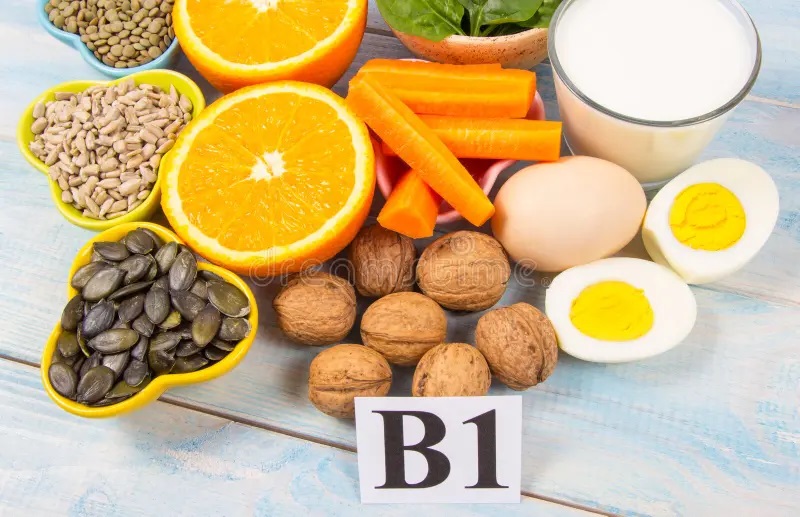
| Nuts and Seeds |
Almonds, walnuts, hazelnuts |
| Vegetables |
Spinach, potatoes, cabbage, asparagus |
| Dairy Products |
Milk, yogurt, cheese |
SECTION 17: TOXICOLOGICAL PROFILE
| Parameter |
Value |
| Acute Oral Toxicity (LD50, Rat) |
> 5,000 mg/kg (low toxicity) |
| Acute Dermal Toxicity |
Low |
| Acute Inhalation Toxicity |
Low risk; dust may cause respiratory irritation |
| Skin Irritation |
Mild irritant (powder) |
| Eye Irritation |
May cause mild eye irritation |
| Skin Sensitization |
Not a sensitizer |
| Mutagenicity |
Negative |
| Carcinogenicity |
Not classified as a carcinogen |
| Reproductive Toxicity |
Not classified as a reproductive toxin |
SECTION 18: GHS CLASSIFICATION
GHS Classification (Generally Not Classified as Hazardous):
| Hazard Class |
Category |
H-Statement |
| Not classified as hazardous |
- |
- |
Signal Word: None
Hazard Pictograms: None
Hazard Statements (H-Codes): None
Safety Phrases (Historically):
| Code |
Statement |
| S22 |
Do not breathe dust. |
| S24/25 |
Avoid contact with skin and eyes. |
| S26 |
In case of contact with eyes, rinse immediately with plenty of water and seek medical advice. |
SECTION 19: PRECAUTIONARY STATEMENTS (P-CODES)
| Code |
Statement |
| P261 |
Avoid breathing dust. |
| P264 |
Wash hands thoroughly after handling. |
| P271 |
Use only outdoors or in a well-ventilated area. |
| P280 |
Wear protective gloves/protective clothing/eye protection/face protection. |
| P302+P352 |
IF ON SKIN: Wash with plenty of soap and water. |
| P305+P351+P338 |
IF IN EYES: Rinse cautiously with water for several minutes. Remove contact lenses if present. |
| P337+P313 |
If eye irritation persists: Get medical advice/attention. |
| P501 |
Dispose of contents/container in accordance with local regulations. |
SECTION 20: FIRST AID MEASURES
| Route of Exposure |
Action to Be Taken |
| Inhalation |
Move to fresh air. If respiratory irritation persists, seek medical attention. |
| Skin Contact |
Wash with plenty of soap and water. Remove contaminated clothing. |
| Eye Contact |
Rinse thoroughly with plenty of water for at least 15 minutes. Remove contact lenses. |
| Ingestion |
Rinse mouth with water. Drink plenty of water. Do not induce vomiting. |
SECTION 21: FIRE-FIGHTING MEASURES
| Parameter |
Information |
| Fire Hazard |
Not flammable; may decompose at high temperatures. |
| Hazards During Fire |
Thermal decomposition produces toxic fumes including nitrogen oxides, sulfur oxides, and hydrogen chloride. |
| Suitable Extinguishing Media |
Water spray, CO₂, dry chemical powder, alcohol-resistant foam. |
| Special Protective Equipment |
Self-contained breathing apparatus (SCBA), full protective clothing. |
SECTION 22: ACCIDENTAL RELEASE MEASURES
| Parameter |
Information |
| Personal Protection |
Dust mask, protective goggles, gloves, coverall. |
| Ventilation |
Increase ventilation. |
| Containment |
Cover spilled area to prevent dust dispersion. |
| Cleaning Methods |
Collect dry using vacuum or careful sweeping. |
| Waste Disposal |
Dispose of in accordance with local regulations. |
SECTION 23: STORAGE AND SHELF LIFE
| Parameter |
Thiamine Hydrochloride |
Thiamine Mononitrate |
| Storage Conditions |
Cool, dry, dark environment |
Cool, dry, dark environment |
| Container Requirements |
Tightly closed, light-resistant |
Tightly closed, light-resistant |
| Materials to Avoid |
Light, moisture, alkalis |
Light, moisture, alkalis |
| Shelf Life |
24-36 months |
24-36 months |
SECTION 24: PACKAGING OPTIONS
| Packaging Type |
Quantity |
Material |
| Aluminum Foil Bag |
1 – 5 kg |
Laminated aluminum |
| HDPE Pail |
10 – 25 kg |
HDPE |
| Fiber Drum |
25 – 50 kg |
Cardboard / Plastic |
| Big-Bag |
500 – 1000 kg |
Polypropylene |
SECTION 25: TRANSPORT INFORMATION
| Parameter |
Information |
| UN Number |
Not applicable (not dangerous goods) |
| Hazard Class |
Not applicable |
| ADR/RID |
Not regulated |
| IMDG Code |
Not regulated |
| IATA (Air) |
Not regulated |
| Marine Pollutant |
No |
SECTION 26: REGULATORY INFORMATION
| Region / Authority |
Status |
| European Union |
Approved as food additive and dietary supplement ingredient. |
| USA (FDA) |
GRAS (21 CFR 184.1875). |
| Turkey |
Approved as dietary supplement and pharmaceutical ingredient. |
| EFSA |
Approved as nutrient in foods and supplements. |
| WHO |
Listed as an essential medicine. |
| USP / Ph. Eur. |
Monographed for pharmaceutical use. |
SECTION 27: QUICK REFERENCE TABLE
| Property |
Thiamine Hydrochloride |
Thiamine Mononitrate |
| CAS Number |
67-03-8 |
532-43-4 |
| EC Number |
200-641-8 |
200-641-8 |
| Molecular Formula |
C₁₂H₁₇ClN₄OS·HCl |
C₁₂H₁₇N₅O₄S |
| Molecular Weight |
337.27 g/mol |
327.36 g/mol |
| Appearance |
White crystalline powder |
White crystalline powder |
| Water Solubility |
High (~100 g/L) |
Moderate (~50 g/L) |
| Primary Use |
Pharmaceuticals, injections |
Dietary supplements, fortification |
| Shelf Life |
24-36 months |
24-36 months |
| GRAS |
Yes |
Yes |
SECTION 28: CRITICAL NOTICES AND BEST PRACTICES
CRITICAL NOTICES:
-
Molecular Weight Difference: Thiamine hydrochloride (337.27 g/mol) and mononitrate (327.36 g/mol) have different molecular weights. Thiamine base content should be considered in dosage calculations.
-
Hygroscopic Nature (HCl): Thiamine HCl is hygroscopic. Store in tightly closed, moisture-proof containers.
-
Light Sensitivity: Both forms are sensitive to light. Store in light-resistant containers.
-
pH Stability: Thiamine is stable in acidic solutions (pH 3-5); decomposes in alkaline solutions.
-
Incompatibility: Incompatible with strong oxidizers, strong bases, and reducing agents.
-
Toxic Gases: When heated, decomposes releasing nitrogen oxides, sulfur oxides, and hydrogen chloride.
BEST PRACTICE RECOMMENDATIONS:
-
Storage: Store in a cool, dry, and well-ventilated area at room temperature (15-25°C). Keep containers tightly closed. Protect from light and moisture. Use desiccant if necessary.
-
Handling: Use protective gloves, goggles, and dust mask. Avoid dust formation. Ensure adequate ventilation.
-
Formulation: For pharmaceutical formulations, maintain pH 3-5. Avoid alkaline conditions. Use light-resistant packaging.
-
Quality Control: Monitor moisture content, assay, and degradation products. Test for heavy metals and microbial contamination.
-
Packaging: Use light-resistant, moisture-proof packaging (aluminum foil bags, amber glass, opaque HDPE containers).
-
Waste Management: Dispose of waste in accordance with local regulations.
LEGAL DISCLAIMER:
This Technical Data Sheet (TDS) is for informational purposes only. The user is solely responsible for determining the suitability of the product for their specific application and for complying with all local, national, and international regulations. For complete safety, storage, handling, transport, waste, and regulatory compliance information, the official Safety Data Sheet (SDS/MSDS) provided by the manufacturer/supplier must be consulted. This document does not substitute professional or medical advice.