We unleash your business potential by maximize the business innovation.
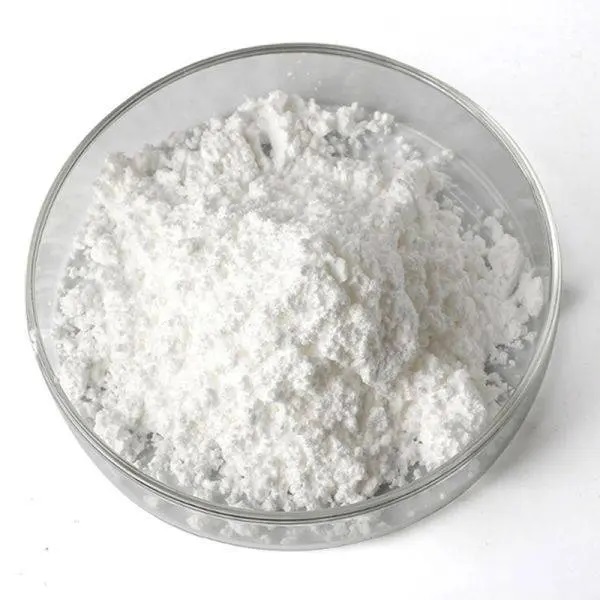
Send EmailVitamin B1, Thiamine HCL, Anorin Hydrochloride, 67-03-8
Basic Chemical Information
-
CAS Number: 67-03-8
-
EC Number: 200-641-8
-
Molecular Formula: C12H17ClN4OS·HCl
-
Chemical Names: Vitamin B1, Thiamine HCL, Anorin Hydrochloride
-
Molar Mass: 337.263 g/mol
-
Melting Point: 250 °C
Physical and Chemical Properties
-
Crystalline form, with a slight odor
-
Soluble in water, forming a clear, colorless solution
-
Insoluble in alcohol and benzene
-
Hygroscopic (absorbs moisture)
-
Less stable compared to thiamine monohydrate
-
Releases toxic gases (nitric acid, sulfur oxides) when heated
Applications
-
Pharmaceuticals: Treatment of thiamine deficiency, nerve disorders, heart function support
-
Food industry: Flavoring agent, dietary supplement
-
Nutritional supplements: Essential for growth, development, and energy metabolism
-
Medical uses: Applied in conditions such as heart damage, neurological disorders, cataracts, glaucoma, and wound healing
Biological Importance and Benefits
-
Acts as a coenzyme in energy metabolism (ATP production)
-
Regulates heart functions, prevents edema and inflammation
-
Supports brain functions and neurotransmitter synthesis
-
Plays a role in nerve transmission and muscle contraction
-
Helps regulate blood sugar and contributes to red blood cell production
-
Strengthens the immune system indirectly by improving nutrient absorption
-
Enhances energy levels and stress management
Dietary Sources
-
Whole grains: Wheat, oats, barley
-
Legumes: Beans, lentils, chickpeas
-
Meat & Fish: Chicken, beef, salmon, tuna
-
Nuts: Almonds, walnuts, hazelnuts
-
Vegetables: Spinach, potatoes, cabbage, asparagus
-
Dairy products: Milk, yogurt, cheese
Deficiency Symptoms
-
Fatigue, weakness
-
Muscle cramps and loss of strength
-
Loss of appetite, rapid weight loss
-
Irritability, depression, poor concentration
-
Heart palpitations, shortness of breath
-
Digestive issues, nerve inflammation
Deficiency-Related Diseases
-
Beriberi:
-
Dry type: Affects the nervous system, causing muscle weakness and coordination problems
-
Wet type: Affects the cardiovascular system, leading to heart failure and edema
-
-
Wernicke-Korsakoff Syndrome:
-
Linked to alcoholism and malnutrition, causing neurological damage, confusion, memory loss, and coordination problems
-
Risk Groups
-
Alcohol-dependent individuals
-
Elderly people
-
HIV/AIDS patients
-
Diabetic patients
-
Individuals who underwent bariatric surgery
Daily Requirement
-
Adults: 1.1–1.2 mg/day
-
Pregnancy: up to 1.4 mg/day
Excess Intake
-
Usually excreted in urine (low toxicity risk)
-
Very high doses may cause nausea, dizziness, diarrhea, or allergic reactions