We unleash your business potential by maximize the business innovation.
Send EmailBarium Chloride Dihydrate, Barium Dichloride Dihydrate, Dichlorobarium Dihydrate, Barium Chloride Hydrous, 10326-27-9
BARIUM CHLORIDE DIHYDRATE (BaCl₂·2H₂O)
PRODUCT IDENTIFICATION INFORMATION
| Parameter | Information |
|---|---|
| Product Name | Barium Chloride Dihydrate |
| Chemical Name (IUPAC) | Barium Chloride Dihydrate |
| CAS Number | 10326-27-9 |
| EC Number (EINECS) | 600-412-6 |
| Molecular Formula | BaCl₂·2H₂O |
| Molecular Weight | 244.26 g/mol |
CHEMICAL STRUCTURE
        Cl⁻
         |
    Ba²⁺ — Cl⁻
         |
        H₂O · H₂O

    Barium Chloride Dihydrate (BaCl₂·2H₂O)
    Ionic Structure
    (Contains Water of Crystallization)
Molecular Formula: BaCl₂·2H₂O
SMILES: [Ba+2].[Cl-].[Cl-].O.O
InChI: InChI=1S/Ba.ClH.2H2O/h;1H;2*1H2/q+2;;;/p-1
Crystal System: Monoclinic (colorless lustrous crystals)
Synonyms: Barium Dichloride Dihydrate, Dichlorobarium Dihydrate, Barium(II) Chloride Hydrous, Hydrochloric Acid Barium Salt Dihydrate
SECTION 1: CHEMICAL IDENTITY AND DEFINITION
| Parameter | Information |
|---|---|
| Product Name | Barium Chloride Dihydrate |
| Chemical Name (IUPAC) | Barium Chloride Dihydrate |
| Synonyms (English) | Barium Chloride Dihydrate, Barium Dichloride Dihydrate, Dichlorobarium Dihydrate, Barium(II) Chloride Hydrous, Hydrochloric Acid Barium Salt Dihydrate |
| Synonyms (Turkish) | Baryum Klorür Dihidrat, Baryum Diklorür Dihidrat, Baryum(II) Klorür Hidrat |
| CAS Number | 10326-27-9 |
| EC Number (EINECS) | 600-412-6 |
| Molecular Formula | BaCl₂·2H₂O |
| Molecular Weight | 244.26 g/mol (Anhydrous: 208.23 g/mol) |
| Chemical Class | Inorganic compound; alkaline earth metal halide |
| Physical State (20°C) | Crystalline solid |
| Odor | Odorless |
| Color | Colorless to white lustrous crystals |
| Taste | Bitter, sharp salty taste |
SECTION 2: PHYSICAL AND CHEMICAL PROPERTIES
| Property | Value | Test Method / Note |
|---|---|---|
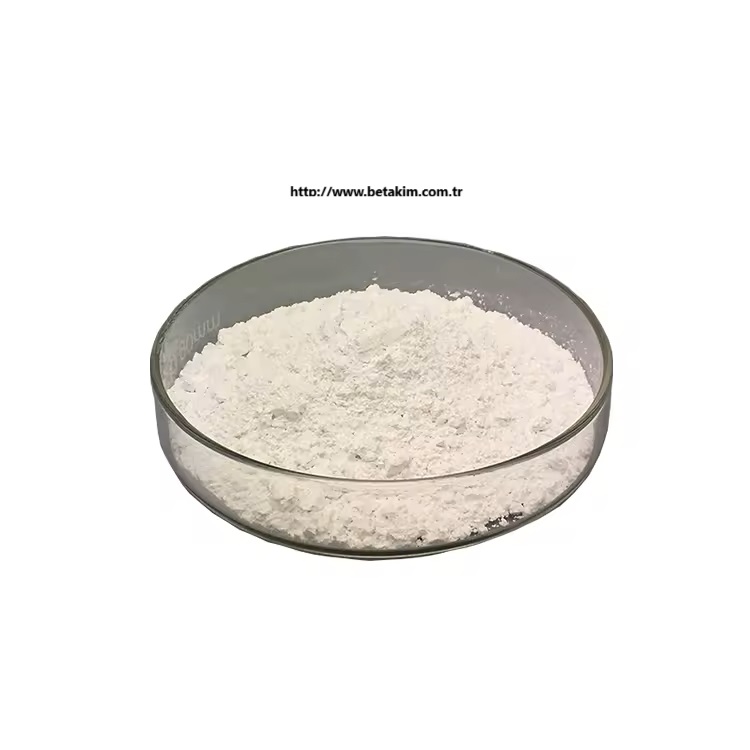
| Appearance | Colorless to white lustrous crystals or powder | Visual |
| Odor | Odorless | Olfactometric |
| Molecular Weight | 244.26 g/mol | Calculated |
| Density (20°C) | 3.86 g/cm³ | ASTM D4052 |
| Melting Point | 962°C (anhydrous form) | DSC |
| Boiling Point | 1,560°C | - |
| Solubility in Water (20°C) | Soluble (≥ 35 g/100 mL) | General Method |
| Solubility in Methanol | Soluble | General Method |
| Solubility in Glycerol | Soluble | General Method |
| Solubility in Ethanol | Almost insoluble | General Method |
| Solubility in Ethyl Acetate | Almost insoluble | General Method |
| Solubility in Acetone | Almost insoluble | General Method |
| pH (5% Solution, 25°C) | 5.2 - 8.2 | pH Meter |
| Crystal System | Monoclinic | XRD |
| Hygroscopicity | Slightly hygroscopic | - |
| Specific Gravity | 3.097 | - |
| Color | White | Visual |
| Stability | Stable under normal conditions | - |
| Toxicity | High toxicity | - |
SECTION 3: CHEMICAL PROPERTIES AND REACTIVITY
| Parameter | Information |
|---|---|
| Chemical Character | Inorganic alkaline earth metal chloride; soluble in water; contains toxic barium ions |
| Stability | Stable under normal conditions; Slightly hygroscopic; Loses water of crystallization upon heating |
| Reactivity | Reacts with sulfate ions to form insoluble barium sulfate (BaSO₄) precipitate; Precipitation reactions with chromate, carbonate, phosphate, and oxalate ions |
| Incompatible Materials | Strong oxidizing agents, sulfuric acid, interhalogen compounds, furan-2-percarbonic acid, heat |
| Polymerization | Will not polymerize |
| Decomposition Products (Heating) | Barium oxide (BaO), Hydrogen chloride (HCl), Chlorine (Cl₂) |
| Hazardous Reactions | Reacts vigorously with sulfuric acid; Releases toxic chlorine and barium oxide fumes when heated |
| Sulfate Precipitation | Ba²⁺ + SO₄²⁻ → BaSO₄↓ (white precipitate) |
| Carbonate Precipitation | Ba²⁺ + CO₃²⁻ → BaCO₃↓ (white precipitate) |
| Chromate Precipitation | Ba²⁺ + CrO₄²⁻ → BaCrO₄↓ (yellow precipitate) |
| Dehydration | BaCl₂·2H₂O → BaCl₂ + 2H₂O (~100-150°C) |
SECTION 4: COMPARISON OF COMMON BARIUM COMPOUNDS
| Property | Barium Chloride Dihydrate (BaCl₂·2H₂O) | Barium Sulfate (BaSO₄) | Barium Carbonate (BaCO₃) | Barium Hydroxide (Ba(OH)₂) |
|---|---|---|---|---|
| CAS Number | 10326-27-9 | 7727-43-7 | 513-77-9 | 17194-00-2 |
| Formula | BaCl₂·2H₂O | BaSO₄ | BaCO₃ | Ba(OH)₂ |
| Molecular Weight | 244.26 | 233.39 | 197.34 | 171.34 |
| Appearance | Colorless crystals | White powder | White powder | White crystals |
| Density (g/cm³) | 3.86 | 4.50 | 4.29 | 3.74 |
| Water Solubility | Soluble | Insoluble | Insoluble | Soluble |
| Primary Use | Analysis, barium salts | Radiopaque, filler | Rat poison, ceramics | Analysis, lubrication |
SECTION 5: PRODUCTION METHODS
Method 1: Hydrochloric Acid Method (From Barium Sulfide)
-
Reaction: BaS + 2HCl + 2H₂O → BaCl₂·2H₂O + H₂S
-
Description: Barium sulfide solution is reacted with hydrochloric acid; Desulfurization, neutralization, evaporation, cooling crystallization, centrifugation, and drying processes are applied; Barium chloride dihydrate product is obtained; One of the most common industrial production methods
Method 2: Calcium Chloride Method (From Barite)
-
Reaction: BaSO₄ + 4C + CaCl₂ + 2H₂O → BaCl₂·2H₂O + CaS + 4CO
-
Description: Barite is reacted with pulverized coal and calcium chloride aqueous solution; Hydrochloric acid is added after leaching for desulfurization; Evaporation, concentration, cooling crystallization, centrifugation, and drying yield barium chloride dihydrate product
Method 3: Chlorination Method (From Barium Sulfide)
-
Reaction: BaS + Cl₂ → BaCl₂ + S
-
Description: Barium sulfide melt is leached with water; The resulting barium sulfide solution is chlorinated with chlorine gas at 85-90°C; Barium chloride product is obtained
Method 4: Witherite-Hydrochloric Acid Method (From Witherite)
-
Reaction: BaCO₃ + 2HCl + H₂O → BaCl₂·2H₂O + CO₂
-
Description: Witherite (BaCO₃) powder is added to a reactor containing water; Hydrochloric acid is added at about 70°C under stirring; Filtration, evaporation, cooling crystallization, and centrifugation yield barium chloride dihydrate product
Method 5: Purification Method (From Industrial Barium Chloride)
-
Process: Industrial BaCl₂ → Dissolve in hot water → Add 3% Ba(OH)₂ and (NH₄)₂S → Heat at 80-90°C → Settle and filter → Evaporate → Crystallize → Purified BaCl₂·2H₂O
-
Description: Industrial barium chloride is dissolved in hot water; Barium hydroxide and ammonium sulfide solutions are added; Heated at 80-90°C for 20-30 minutes; After settling and filtration, evaporation yields crystals; Washing with cold water and drying at room temperature gives purified product
SECTION 6: FUNCTIONAL PROPERTIES AND MECHANISM OF ACTION
| Property | Description |
|---|---|
| Analytical Reagent | Used for determination of sulfate (SO₄²⁻) ions; Forms insoluble barium sulfate (BaSO₄) precipitate with sulfate ions; Used in gravimetric analysis; Used for selenate determination; Used for platinum determination; Used in chromatographic analysis |
| Water Softener | Used in water treatment to remove sulfate ions; Barium ions precipitate with sulfate and are removed |
| Barium Salt Production | Key raw material for the production of other barium compounds (barium hydroxide, barium carbonate, barium sulfate, etc.) |
| Metal Heat Treatment | Used as heating medium for high-temperature heat treatment and metal processing in the mechanical industry; Used in molten salt baths |
| Textile and Leather | Used as mordant (dye fixing agent) in textile and leather industries; Used as matting agent for rayon; Used in printing and dyeing processes |
| Ceramics and Glass | Used in the ceramic industry; Used in pigment production; Used in glass production |
| Pesticide / Insecticide | Used as insecticide to control various plant pests; Used in agriculture as pesticide |
| Electrolysis | Used for salt water and boiler water in electrolytic caustic soda refining; Used in electronics and instrumentation industries |
| Dehydrating Agent | Used in dehydration and drying processes; Used as moisture remover in chemical synthesis |
SECTION 7: MAIN APPLICATION AREAS
| Industry / Application | Function | Typical Use |
|---|---|---|
| Analytical Chemistry | Reagent | Sulfate and selenate determination; Chromatographic analysis; Platinum determination; Drop analysis; Gravimetric analysis |
| Water Treatment | Water softener | Sulfate removal; Water purification; Corrosion control |
| Chemical Industry | Intermediate | Barium hydroxide; Barium sulfate; Barium carbonate; Other barium salt production |
| Metal Heat Treatment | Heating medium | High-temperature heat treatment; Metal processing; Molten salt baths; Hardening |
| Textile Industry | Mordant / additive | Printing and dyeing; Rayon matting agent; Dye fixing |
| Leather Industry | Tanning | Leather processing; Tanning operations |
| Ceramic Industry | Additive | Ceramic production; Pigment production; Glaze formulations |
| Glass Industry | Additive | Glass production; Glass compositions |
| Agriculture | Pesticide | Control of plant pests; Insecticide |
| Electrolytic Caustic Soda | Additive | Salt water refining; Boiler water treatment |
| Electronics | Component | Electronic devices; Instrumentation |
SECTION 8: QUALITY SPECIFICATIONS (REAGENT / TECHNICAL GRADE)
| Parameter | Specification | Test Method |
|---|---|---|
| Appearance | Colorless to white lustrous crystals or powder | Visual |
| Assay (BaCl₂·2H₂O) | ≥ 99.0% - 99.5% | Titrimetric / Gravimetric |
| Barium Content | ≥ 55.0% - 56.0% | Gravimetric / ICP |
| pH (5% Solution, 25°C) | 5.2 - 8.2 | pH Meter |
| Water Insoluble Matter | ≤ 0.005% - 0.01% | Gravimetric |
| Calcium (Ca) | ≤ 0.005% - 0.02% | AAS / ICP |
| Potassium (K) | ≤ 0.005% - 0.01% | AAS / ICP |
| Sodium (Na) | ≤ 0.005% - 0.01% | AAS / ICP |
| Iron (Fe) | ≤ 0.0005% - 0.001% | AAS / ICP |
| Strontium (Sr) | ≤ 0.01% - 0.05% | AAS / ICP |
| Lead (Pb) | ≤ 0.001% - 0.005% | AAS / ICP |
| Heavy Metals (as Pb) | ≤ 0.0005% - 0.001% | Colorimetric |
| Sulfate (SO₄) | ≤ 0.001% - 0.005% | Turbidimetric |
| Nitrate (NO₃) | ≤ 0.001% - 0.005% | Colorimetric |
| Total Nitrogen (N) | ≤ 0.001% | Kjeldahl |
| Loss on Drying (Anhydrous) | ≤ 0.5% | Gravimetric (150°C) |
SECTION 9: TOXICOLOGICAL PROFILE
| Parameter | Value |
|---|---|
| Acute Oral Toxicity (LD50, Rat) | ~ 118 mg/kg (high toxicity) |
| Acute Oral Toxicity (LD50, Mouse) | ~ 51 mg/kg (intraperitoneal) |
| Acute Dermal Toxicity | Toxic; Absorbed through skin |
| Acute Inhalation Toxicity | Toxic; Respiratory tract irritation; Nasal, bronchial, lung mucosa irritation |
| Skin Irritation | Irritant; Absorption through skin contact |
| Eye Irritation | Irritant; Causes serious eye irritation |
| Chronic Toxicity | Barium compounds show chronic toxicity; Bone marrow suppression; Liver disease; Spleen sclerosis; Increased capillary permeability; Hemorrhage and edema |
| Carcinogenicity | Not classified as carcinogenic |
| Mutagenicity | Not classified as mutagenic |
| Reproductive Toxicity | Reproductive toxicity observed |
| Target Organs | Nervous system, heart, blood vessels, respiratory system, liver, spleen, bone marrow |
| Occupational Exposure Limit (8h TWA) | 0.5 mg/m³ (as Ba, ACGIH TLV); 0.5 mg/m³ (as Ba, OSHA PEL) |
| Short-Term Exposure Limit (IDLH) | 50 mg/m³ (NIOSH IDLH) |
| Toxicity Note | Barium chloride has high toxicity; 0.2-0.8 g intake causes poisoning; Lethal dose is 0.9-1.5 g; Poisoning symptoms: Stomach pain, nausea, vomiting, diarrhea, elevated blood pressure, irregular pulse, difficulty breathing; In case of poisoning, rapidly administer magnesium sulfate or sodium sulfate; Gastric lavage, enema, and emetic measures should be taken |
SECTION 10: GHS CLASSIFICATION AND LABELING
GHS Classification (Compliant with CLP and UN GHS):
| Hazard Class | Category | H-Statement |
|---|---|---|
| Acute Toxicity (Oral) | Category 3 | H301 |
| Acute Toxicity (Inhalation) | Category 4 | H332 |
| Acute Toxicity (Dermal) | Category 4 | H312 |
| Eye Irritation | Category 2 | H319 |
| Skin Irritation | Category 2 | H315 |
| STOT - RE (Repeated Exposure) | Category 2 | H373 |
| Chronic Aquatic Toxicity | Category 3 | H412 |
Note: Barium compounds have high toxicity; Hazardous to water and environment.
Signal Word: DANGER
Hazard Pictograms: GHS06 (Skull and Crossbones), GHS07 (Exclamation Mark), GHS09 (Environment)
Hazard Statements (H-Codes):
| Code | Statement |
|---|---|
| H301 | Toxic if swallowed |
| H312 | Harmful in contact with skin |
| H315 | Causes skin irritation |
| H319 | Causes serious eye irritation |
| H332 | Harmful if inhaled |
| H373 | May cause damage to organs through prolonged or repeated exposure |
| H412 | Harmful to aquatic life with long lasting effects |
NFPA 704 Hazard Classification:
| Health | Flammability | Reactivity | Special |
|---|---|---|---|
| 3 | 0 | 0 | - |
| (Severe health hazard) | (Will not burn) | (Stable) | (None) |
SECTION 11: PRECAUTIONARY STATEMENTS (P-CODES)
| Code | Statement |
|---|---|
| P201 | Obtain special instructions before use |
| P202 | Do not handle until all safety precautions have been read and understood |
| P260 | Do not breathe dust/fume/gas/mist/vapors/spray |
| P261 | Avoid breathing dust/fume/gas/mist/vapors/spray |
| P264 | Wash hands thoroughly after handling |
| P270 | Do not eat, drink or smoke when using this product |
| P271 | Use only outdoors or in a well-ventilated area |
| P280 | Wear protective gloves/protective clothing/eye protection/face protection/respiratory protection |
| P301+P310 | IF SWALLOWED: Immediately call a POISON CENTER/doctor |
| P302+P352 | IF ON SKIN: Wash with plenty of soap and water |
| P304+P340 | IF INHALED: Remove person to fresh air and keep comfortable for breathing |
| P305+P351+P338 | IF IN EYES: Rinse cautiously with water for several minutes. Remove contact lenses if present and continue rinsing |
| P308+P313 | IF exposed or concerned: Get medical advice/attention |
| P310 | Immediately call a POISON CENTER/doctor |
| P330 | Rinse mouth |
| P337+P313 | If eye irritation persists: Get medical advice/attention |
| P362+P364 | Take off contaminated clothing and wash it before reuse |
| P403+P233 | Store in a well-ventilated place. Keep container tightly closed |
| P405 | Store locked up |
| P501 | Dispose of contents/container in accordance with local/regional/national/international regulations |
SECTION 12: FIRST AID MEASURES
| Exposure Route | Action to Take |
|---|---|
| Inhalation | Move to fresh air immediately. Rest in a position comfortable for breathing. If breathing is difficult, give oxygen. If experiencing respiratory symptoms, call a POISON CENTER/doctor immediately. |
| Skin Contact | Remove contaminated clothing immediately. Rinse skin with plenty of water for at least 15-20 minutes. Wash with soap and water. If skin irritation occurs, get medical advice/attention. Wash contaminated clothing before reuse. |
| Eye Contact | Rinse immediately with plenty of water for at least 15 minutes. Keep eyelids open. Remove contact lenses if present. Continue rinsing. Get immediate medical attention. |
| Ingestion | Rinse mouth with water. Do NOT induce vomiting. Give one or two glasses of water to drink. Immediately call a POISON CENTER/doctor. IN CASE OF POISONING: Rapidly administer magnesium sulfate or sodium sulfate. Never give anything by mouth to an unconscious person. |
SECTION 13: FIREFIGHTING MEASURES
| Parameter | Information |
|---|---|
| Fire Hazard | Not combustible. May decompose at high temperatures releasing toxic chlorine and barium oxide fumes. |
| Hazards During Fire | Thermal decomposition produces toxic chlorine gas, hydrogen chloride, and barium oxide fumes |
| Suitable Extinguishers | Water, CO₂, dry chemical powder, sand |
| Unsuitable Extinguishers | None |
| Special Protective Equipment | Self-contained breathing apparatus (SCBA), full protective clothing |
| Special Precautions | Prevent dust from entering sewers and waterways; Provide containment for firefighting effluent; Cool exposed containers from a safe distance |
SECTION 14: STORAGE AND SHELF LIFE
| Parameter | Information |
|---|---|
| Storage Conditions | Store in a ventilated, dry, low-temperature area (5°C - 30°C); Keep away from moisture and incompatible substances; Store separately from food materials |
| Container Requirements | Tightly closed, properly labeled containers; Use moisture-proof containers |
| Materials to Protect From | Strong oxidizing agents, sulfuric acid, interhalogen compounds, furan-2-percarbonic acid, food materials, moisture |
| Shelf Life | 36 months (in unopened original packaging, under proper storage conditions) |
| Stability Note | Stable under normal conditions; Slightly hygroscopic; Protect from moisture; Loses water of crystallization upon heating |
| Special Storage Requirements | Store separately and away from food materials; Keep in dry, well-ventilated area; Store locked up |
SECTION 15: PACKAGING OPTIONS
| Packaging Type | Quantity | Material |
|---|---|---|
| Plastic Bag | 1 kg, 5 kg, 10 kg, 25 kg | PE bag with inner liner |
| Plastic Drum | 25 kg, 50 kg, 100 kg | HDPE / Polypropylene |
| Fiber Drum | 25 kg, 50 kg | PE-lined fiberboard |
| Steel Drum | 100 kg, 200 kg | Corrosion-resistant lined steel |
| IBC Container | 500 kg, 1000 kg | HDPE with corrosion-resistant coating |
| Glass Bottle | 100 g, 250 g, 500 g, 1 kg | Amber glass (laboratory grade) |
SECTION 16: TRANSPORT INFORMATION
| Parameter | Information |
|---|---|
| UN Number | UN 1564 (Barium compounds, n.o.s.) |
| Hazard Class | 6.1 (Toxic Substance) |
| Packing Group | III |
| ADR/RID | UN 1564, Barium compounds, n.o.s., 6.1, PG III |
| IMDG Code | UN 1564, Barium compounds, n.o.s., 6.1, PG III, Marine Pollutant: Yes |
| IATA (Air) | UN 1564, Barium compounds, n.o.s., 6.1, PG III |
| Marine Pollutant | Yes |
| Transport Temperature | Ambient temperature; Protect from moisture |
| HS Code | 28273980 |
SECTION 17: REGULATORY STATUS
| Region / Authority | Status |
|---|---|
| European Union | REACH registered; Classified as toxic |
| USA (TSCA) | Listed |
| USA (EPA) | Regulated as hazardous substance |
| Turkey | Industrial chemical; Subject to KKDIK regulation; Classified as toxic |
| IARC | Not classified as carcinogenic |
| NTP | Not listed |
| OSHA | Regulated (toxic substance) |
| California (Prop 65) | Not listed |
| EU Restrictions | Regulated under REACH |
| WGK Germany | 1 (Hazardous to aquatic environment) |
| RTECS | CQ8751000 |
SECTION 18: OTHER NAMES AND SYNONYMS
| Type | Name |
|---|---|
| Turkish Names | Baryum Klorür Dihidrat, Baryum Diklorür Dihidrat, Baryum(II) Klorür Hidrat |
| English Names | Barium Chloride Dihydrate, Barium Dichloride Dihydrate, Dichlorobarium Dihydrate, Barium(II) Chloride Hydrous, Hydrochloric Acid Barium Salt Dihydrate |
| Chemical Names | Barium Chloride Dihydrate; Barium Dichloride Dihydrate; Barium(II) Chloride Dihydrate |
| CAS Number | 10326-27-9 |
| EC Number | 600-412-6 |
| Molecular Formula | BaCl₂·2H₂O |
SECTION 19: SUMMARY TABLE
| Parameter | Value |
|---|---|
| Product | Barium Chloride Dihydrate (BaCl₂·2H₂O) |
| CAS Number | 10326-27-9 |
| Molecular Formula | BaCl₂·2H₂O |
| Molecular Weight | 244.26 g/mol |
| Appearance | Colorless to white lustrous crystals |
| Density (20°C) | 3.86 g/cm³ |
| Melting Point (Anhydrous) | 962°C |
| Boiling Point | 1,560°C |
| Water Solubility | Soluble (≥ 35 g/100 mL) |
| pH (5% Solution) | 5.2 - 8.2 |
| Primary Function | Analytical reagent, barium salt precursor |
| Main Applications | Analysis, water treatment, barium salts, metal heat treatment, textile, ceramics, glass |
| Shelf Life | 36 months |
| GHS Signal Word | DANGER |
| UN Number | UN 1564 |
| Toxicity | High toxicity; LD50 (Rat, oral): 118 mg/kg |
| Special Feature | Precipitates with sulfate; Slightly hygroscopic |
SECTION 20: CRITICAL WARNINGS AND BEST PRACTICES
CRITICAL WARNINGS:
-
Toxic if swallowed (H301). High toxicity. 0.2-0.8 g intake causes poisoning; Lethal dose is 0.9-1.5 g. AVOID ingestion at ALL costs.
-
Harmful if inhaled (H332). Do not breathe dust and fumes.
-
Harmful in contact with skin (H312). Avoid skin contact; Absorption through skin is possible.
-
Causes skin irritation (H315). Use protective gloves.
-
Causes serious eye irritation (H319). Use eye protection.
-
Poisoning Symptoms: Stomach pain, nausea, vomiting, diarrhea, elevated blood pressure, irregular pulse, difficulty breathing.
-
Poisoning Treatment: Rapidly administer magnesium sulfate or sodium sulfate; Perform gastric lavage; Administer enema and emetic measures.
-
Not combustible but decomposes at high temperatures releasing toxic chlorine and barium oxide fumes.
-
Incompatibilities: Keep away from strong oxidizing agents, sulfuric acid, interhalogen compounds, furan-2-percarbonic acid, and heat.
-
Slightly hygroscopic. Protect from moisture.
-
Store separately and away from food materials. Store locked up.
-
Hazardous to water and environment (H412). Prevent environmental release. Do not discharge into water sources.
BEST PRACTICE RECOMMENDATIONS:
-
Analytical Chemistry Applications: Use for sulfate and selenate determination; Use high-purity reagent for accurate results in gravimetric analysis; Use for platinum determination and chromatographic analysis.
-
Water Treatment: Use for sulfate removal and water softening; Control dosage and avoid overuse; Ensure wastewater treatment.
-
Chemical Industry: Use as key raw material for other barium compound production; Control reaction conditions; Manage by-products properly.
-
Metal Heat Treatment: Use as heating medium for high-temperature heat treatment and metal processing; Ensure controlled use in molten salt baths.
-
Textile and Leather Industry: Use as mordant and matting agent; Use in dye fixing processes; Pay attention to wastewater treatment.
-
Handling: Use in well-ventilated areas or under fume hoods; Avoid dust generation; Wear chemical-resistant gloves, protective goggles, face shield, and appropriate respiratory protection.
-
Personal Protective Equipment: Wear impermeable gloves (nitrile, neoprene, butyl), chemical safety goggles, full-face shield, protective clothing, and NIOSH-approved dust mask/respirator.
-
Hygiene: Do not eat, drink, or smoke when using; Wash hands thoroughly after handling; Do not take contaminated working clothes home; Shower at the end of the work shift.
-
Storage: Store in tightly closed, properly labeled containers in dry conditions; Store separately and away from food materials; Keep away from heat and incompatible substances; Store at 5°C - 30°C; Store locked up.
-
Spill Response: Avoid raising dust; Wear full PPE; Sweep spilled substance into covered containers; Do not allow to enter drains or waterways; Place in properly labeled closed containers.
-
Disposal: Dispose of in accordance with local, regional, and national regulations; Do not discharge into sewers or water sources; Barium compounds are regulated as hazardous waste.
POISONING EMERGENCY PROCEDURE:
-
Poisoning Symptoms: Stomach pain, nausea, vomiting, diarrhea, elevated blood pressure, irregular pulse, difficulty breathing
-
Emergency Response:
-
Immediately call a POISON CENTER/doctor
-
Rapidly administer magnesium sulfate or sodium sulfate (sulfate ions precipitate and bind barium)
-
Perform gastric lavage
-
Administer enema
-
Take emetic measures
-
Never give anything by mouth to an unconscious person
-
SPECIAL NOTE ON SULFATE DETERMINATION:
Barium chloride is the primary reagent used for sulfate ion determination:
-
Reaction: Ba²⁺ + SO₄²⁻ → BaSO₄↓ (white precipitate)
-
Application: Gravimetric determination of sulfate ions
-
Characteristic: Barium sulfate precipitate has very low solubility (Ksp ≈ 1.08 × 10⁻¹⁰)
-
Other Determinations: Selenate (SeO₄²⁻) determination; Platinum determination; Chromatographic analysis
LEGAL DISCLAIMER:
The information provided in this document is based on our current knowledge and experience and is presented in good faith. However, as all conditions of use are beyond our control, this document does not constitute a binding specification or warranty. This Technical Data Sheet is for informational purposes only. Users are responsible for testing suitability for their own applications. For complete safety, storage, handling, transportation, waste, and regulatory compliance information, please refer to the official Safety Data Sheet (SDS/MSDS) provided by the manufacturer/supplier.