We unleash your business potential by maximize the business innovation.
Send EmailPolyethylene Wax, PE Wax, Mikronized PE Wax, Oxidized PE Wax, HDPE Wax, LDPE Wax, 9002-88-4
POLYETHYLENE WAX (PE Wax)
CAS No: 9002-88-4 | Chemical Name: Polyethylene Wax (low molecular weight polyethylene)
Molecular Weight: 1,000 – 5,000 g/mol | Polymer Class: Polyolefin
1. Physical & Chemical Properties
| Parameter | Value Range | Description |
|---|---|---|
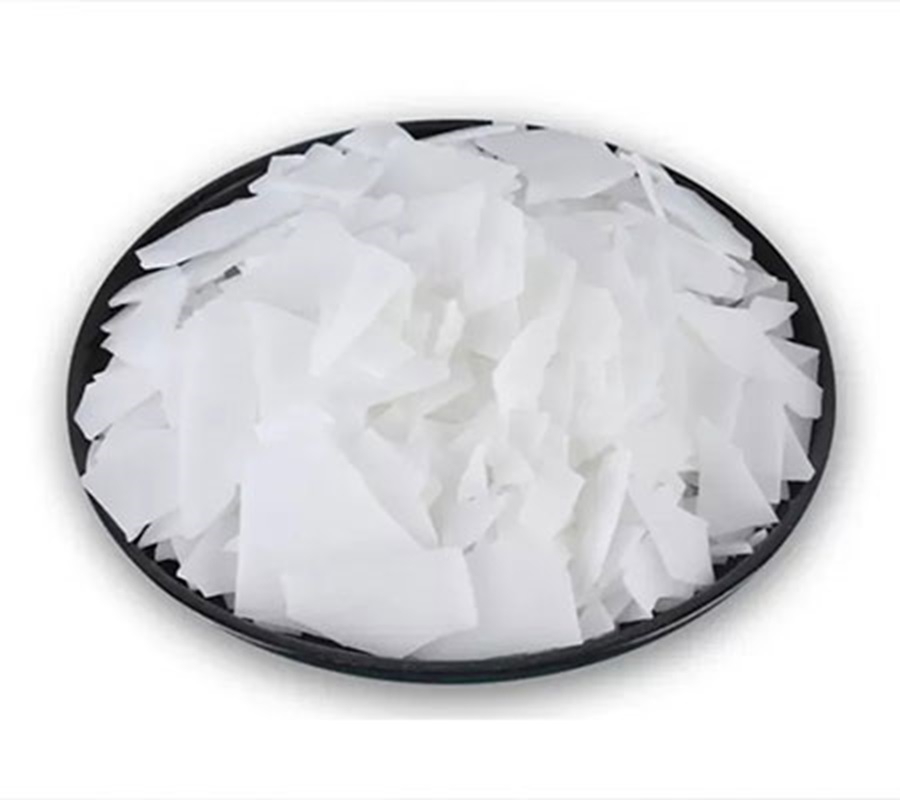
| Appearance | White to off-white powder, flakes, or micro-beads | Also available as micronized or granulated |
| Odor | Odorless | |
| Melting Point | 90 – 120°C (194 – 248°F) | Varies by grade (LDPE vs. HDPE) |
| Density (25°C) | 0.90 – 0.95 g/cm³ | Lower density for LDPE; higher for HDPE |
| Viscosity (140°C) | 10 – 30 cps (mPa·s) | Low viscosity – easy processing |
| Melt Flow Index (MFI) | 50 – 500 g/10 min (190°C, 2.16 kg) | Very fluid compared to high-MW PE |
| Drop Point (ASTM D3954) | 100 – 120°C | Softening/flow temperature |
| Flash Point | >200°C (>392°F) | High thermal stability |
| Solubility in Water | Insoluble | Forms stable dispersions with surfactants |
| Solubility in Organic Solvents | Soluble in benzene, acetone, hot xylene, hot toluene, chlorinated hydrocarbons | Partially soluble at room temperature |
| Acid Value (non-oxidized) | <0.5 mg KOH/g | Neutral |
| Acid Value (oxidized) | 5 – 30 mg KOH/g | Contains carboxyl and hydroxyl groups |
| Penetration Hardness (25°C) | 1 – 10 dmm (1/10 mm) | Very hard to soft depending on grade |
Key Chemical Features:
-
Saturated hydrocarbon backbone – excellent chemical resistance
-
Low molecular weight (1,000-5,000) vs. standard PE (100,000-1,000,000)
-
Non-polar – natural form is hydrophobic
-
Oxidized grades contain polar groups (–COOH, –OH) for emulsification
-
High crystallinity (HDPE wax) or lower crystallinity (LDPE wax)
2. Grades & Variants
| Grade | Key Properties | Typical Applications |
|---|---|---|
| Micronized PE Wax | Very fine powder (2-30 µm average particle size); high dispersibility | PVC, PP, PE, masterbatch, powder coatings, printing inks |
| Oxidized PE Wax (OA3 / OA6) | Emulsifiable; contains polar groups (acid value 5-30); white to pale yellow | Water-based coatings, textiles, leather finishes, wood varnishes |
| HDPE Wax (High Density) | Hard; high melting point (110-120°C); high crystallinity | Mold release agents, hot melt adhesives, PVC extrusion lubricants |
| LDPE Wax (Low Density) | Softer; lower melting point (90-105°C); lower crystallinity; flexible | Cosmetics (lipstick, mascara), pigment carriers, masterbatch |
| PTFE-modified PE Wax | Slippery; contains PTFE particles (5-15%) | Anti-block coatings, high slip applications |
| Carnauba Wax Substitute | Hard; low molecular weight; high gloss | Floor polishes, automotive waxes |
3. Comparison with Alternative Waxes
| Property | Polyethylene Wax | Paraffin Wax | Fischer-Tropsch Wax | Carnauba Wax | Montan Wax |
|---|---|---|---|---|---|
| Source | Synthetic (ethylene polymerization) | Petroleum | Synthetic (gas-to-liquid) | Natural (palm leaf) | Fossil (lignite) |
| Melting Point | 90-120°C | 50-70°C | 90-110°C | 80-87°C | 80-90°C |
| Density | 0.90-0.95 g/cm³ | 0.88-0.92 g/cm³ | 0.92-0.94 g/cm³ | 0.99-1.00 g/cm³ | 0.98-1.03 g/cm³ |
| Hardness (Penetration dmm) | 1-10 | 10-30 | 1-5 | 1-3 | 1-5 |
| Viscosity (140°C, cps) | 10-30 | 5-10 | 8-50 | melts >85°C | melts >80°C |
| Chemical Resistance | Excellent (non-polar) | Good | Excellent | Poor (esters) | Poor (esters) |
| Compatibility with Polymers | Very high | Low | High | Very low | Low |
| Emulsifiability | Only oxidized grades | Yes (with surfactants) | Limited | Yes | Yes |
| Food Contact | FDA approved | FDA approved (refined) | FDA approved | Yes | Limited |
| Cost | Medium | Low | High | Very high | Medium |
| Thermal Stability | Excellent (>300°C) | Poor (>200°C) | Excellent | Moderate (>150°C) | Moderate |
Advantages of PE Wax over Alternatives:
-
vs. Paraffin Wax: Higher melting point, better thermal stability, compatible with polyolefins
-
vs. Carnauba Wax: Consistent quality, lower cost, better polymer compatibility
-
vs. Fischer-Tropsch Wax: Softer, more flexible, better dispersion in polar systems (oxidized grade)
-
vs. Montan Wax: Colorless (no darkening), odorless, FDA compliant
4. Detailed Applications by Industry
A. Plastics & Polymer Processing (Internal/External Lubricant)
| Application | Function | Recommended Grade | Dosage |
|---|---|---|---|
| PVC Extrusion | External lubricant (prevents sticking to metal) | HDPE Wax, Oxidized PE Wax | 0.3-1.0 phr |
| PVC Injection Molding | Internal lubricant (improves flow) | Micronized PE Wax | 0.2-0.8 phr |
| PE/PP Extrusion | Processing aid, increases throughput | LDPE Wax | 0.5-2.0% |
| Rigid PVC Pipes | External lubricant for high output | HDPE Wax (high drop point) | 0.5-1.5 phr |
| PVC Cables | Improves insulation properties | Oxidized PE Wax | 0.3-0.8 phr |
B. Masterbatch & Color Concentrates
| Component | Function | Concentration (% w/w) |
|---|---|---|
| PE Wax (Micronized or LDPE) | Pigment wetting and dispersion | 10-30% |
| Pigment (organic/inorganic) | Color | 40-60% |
| Carrier Resin (PE, PP, EVA) | Binder | 20-40% |
| Dispersant (optional) | Synergy with PE wax | 0-5% |
Role of PE Wax: Reduces melt viscosity, improves pigment dispersion, prevents agglomeration, increases color strength by 15-30%.
C. Powder Coatings (Anti-Blocking / Slip / Texture)
| Component | Function | Concentration (% w/w) |
|---|---|---|
| PE Wax (Micronized) | Surface slip, mar resistance | 0.5-2.0% |
| Epoxy/Polyester Resin | Binder | 60-80% |
| Curing Agent | Crosslinker | 3-10% |
| Pigments & Fillers | Color, opacity | 10-30% |
| Flow Control Agent | Leveling | 0.5-1.5% |
Effect of PE Wax:
-
Reduces coefficient of friction (COF) from 0.8 to 0.3-0.5
-
Improves scratch and mar resistance
-
Adds matting effect (dosage-dependent)
-
Prevents blocking (stacked parts sticking)
D. Printing Inks (Solvent-Based & UV)
| Component | Function | Concentration (% w/w) |
|---|---|---|
| PE Wax (Micronized) | Rub resistance, slip | 0.5-2.0% |
| Pigment | Color | 10-20% |
| Resin Binder (NC, PU, Acrylic) | Film formation | 15-30% |
| Solvent (EtOH, EtAc, MEK) | Carrier | 40-60% |
| Additives | Defoamer, leveling | 0-2% |
Benefits: Improves rub resistance (Sutherland rub test: >500 cycles), reduces set-off, enhances gloss (especially UV inks).
E. Hot Melt Adhesives (HMA)
| Component | Function | Concentration (% w/w) |
|---|---|---|
| PE Wax (HDPE or Oxidized) | Viscosity reducer, open time control | 10-25% |
| EVA or Metallocene Polyolefin | Base polymer | 30-50% |
| Tackifier (Rosin ester, hydrocarbon) | Adhesion | 20-40% |
| Antioxidant | Thermal stability | 0.5-1.0% |
Role: PE wax lowers melt viscosity, controls open time (longer for LDPE, shorter for HDPE), and improves heat resistance.
F. Cosmetics & Personal Care (LDPE Wax Only)
| Product | Function | Concentration (% w/w) |
|---|---|---|
| Lipstick | Structure, gloss, hardness | 5-15% |
| Mascara | Water resistance, film former | 3-10% |
| Balm / Stick Products | Texture, emollient | 10-20% |
| Creams & Lotions | Thickener, stabilizer | 0.5-2.0% |
Note: Only low density (LDPE) wax with low residual monomers (food/pharma grade) is suitable for cosmetics. HDPE wax is too hard and may cause skin irritation.
G. Textile & Leather Finishes (Oxidized Grade)
| Component | Function | Concentration (% w/w) |
|---|---|---|
| Oxidized PE Wax (OA3/OA6) | Softener, lubricant | 5-15% |
| Non-ionic Surfactants | Emulsifier | 5-10% |
| Water | Carrier | 75-90% |
| Preservative | Microbial control | 0.1-0.3% |
Process: Melt oxidized PE wax (100-120°C), add hot water and surfactants under high shear → forms stable emulsion (20-40% solids). Apply via padding or spraying.
Effects on fabric: Improves sewability, adds soft hand feel, increases abrasion resistance.
H. Mold Release Agents (HDPE Wax)
| Component | Function | Concentration (% w/w) |
|---|---|---|
| HDPE Wax | Release agent | 3-10% |
| Water | Carrier | 70-90% |
| Surfactants | Emulsification | 5-15% |
| Corrosion Inhibitor | Metal protection | 0.5-1.0% |
Application: Spray on molds at 60-100°C. Provides multiple releases (5-10 shots per application).
5. Industry Suitability by PE Wax Type
| Industry | Micronized PE Wax | Oxidized PE Wax (OA3/OA6) | HDPE Wax | LDPE Wax |
|---|---|---|---|---|
| Plastics & Polymer Processing | High | High | High | Low |
| Masterbatch / Pigment Carrier | High | Medium | Medium | High |
| Coatings & Printing Inks | High | High | Low | Low |
| Textile & Leather | Low | High | Not suitable | Medium |
| Cosmetics & Personal Care | Not suitable | Medium | Not suitable | High |
| Mold Release / Adhesives | Medium | Medium | High | Not suitable |
| Detergents & Cleaning | Medium | High | Not suitable | Low |
| Agriculture / Food Packaging | Medium | High (FDA grades) | Limited | High (FDA grades) |
| Water Treatment / Pools | Not suitable | High | Not suitable | Low |
Scale: High = Excellent compatibility; Medium = Acceptable; Low = Limited; Not suitable = Avoid
6. Regulatory & Food Contact Status
| Regulation | Scope | Status |
|---|---|---|
| FDA 21 CFR 178.3720 | Plasticizers and processing aids | Approved (PE wax in polymers) |
| FDA 21 CFR 175.105 | Adhesives (indirect food contact) | Approved for PE wax |
| FDA 21 CFR 177.1520 | Polyethylene (basic polymer) | Approved for food contact surfaces |
| EU Regulation 10/2011 | Plastic materials for food contact | Limited (≤5% PE wax, specific migration limits) |
| REACH (EU) | Chemical registration | PE wax is exempt (polymers not required to register) |
| EFSA | Food contact evaluation | Approved with restrictions |
| RoHS | Restriction of Hazardous Substances | Compliant (no heavy metals) |
| Conflict Minerals | PE wax is conflict-free |
Key Food Contact Limitations:
-
Direct food contact: Not permitted (unless specially purified grade)
-
Indirect food contact: Permitted (packaging, coatings, adhesives)
-
Maximum usage: Typically ≤5% in food contact polymers (EU)
-
Specific migration limit: None established (PE wax is inert)
7. Processing Guidelines
A. Incorporation Techniques
| Application | Method | Temperature | Equipment |
|---|---|---|---|
| Plastic compounding | Dry blending + melt mixing | 150-250°C | Twin-screw extruder, Banbury mixer |
| Masterbatch | High-speed mixing + extrusion | 150-200°C | Kneader, twin-screw |
| Powder coatings | Dry blending | Room temperature | High-speed mixer (Henschel type) |
| Inks & coatings | Dispersion (high shear) | Room temperature | Cowles dissolver, bead mill |
| Aqueous emulsions | Melt emulsification | 100-120°C | High-shear mixer (rotor-stator) |
B. Typical Dosages by Application
| Application | Dosage |
|---|---|
| PVC external lubricant | 0.3 – 1.5 phr |
| PVC internal lubricant | 0.2 – 0.8 phr |
| Masterbatch (pigment carrier) | 10 – 30% |
| Powder coatings (slip additive) | 0.5 – 2.0% |
| Printing inks (rub resistance) | 0.5 – 2.0% |
| Hot melt adhesives | 10 – 25% |
| Mold release agent | 3 – 10% (active in water emulsion) |
| Cosmetics (lipstick) | 5 – 15% |
C. Compatibility with Polymers
| Polymer | Compatibility | Notes |
|---|---|---|
| PE (LDPE, HDPE) | Excellent | Fully compatible |
| PP | Good – Excellent | Migrates to surface (external lubrication) |
| PVC | Good | Works as external lubricant |
| PS | Moderate | Limited compatibility |
| ABS | Low | May affect impact strength |
| PET | Low | Not recommended |
| PA (Nylon) | Low | Incompatible |
| EVA | Good – Excellent | Very good for hot melts |
| Rubber (SBR, NR, NBR) | Moderate | Use as mold release or processing aid |
8. Safety & Handling
Hazard Classification (GHS)
Polyethylene wax is generally considered non-hazardous. However, micronized powders may pose dust explosion risks.
| Hazard | Status |
|---|---|
| Skin irritation | Not classified |
| Eye irritation | Not classified (powder may cause mechanical irritation) |
| Inhalation (dust) | May cause mechanical irritation (micronized powder) |
| Flammability | Combustible (dust cloud explosion risk in fine powder) |
| Aquatic toxicity | Low (insoluble, inert) |
Safety Guidelines
| Exposure | Action |
|---|---|
| Inhalation (dust) | Use local exhaust ventilation. Use dust mask (N95) for micronized grades. |
| Skin contact | Wash with soap and water (molten wax: cool immediately, do not remove adhered wax). |
| Eye contact | Rinse with plenty of water (15 minutes). |
| Dust explosion prevention | Ground equipment. Avoid dust clouds. Use explosion-proof electricals in handling areas. |
Firefighting
| Parameter | Information |
|---|---|
| Extinguishing media | Water fog, CO₂, dry chemical, foam |
| Specific hazards | Burning PE wax produces CO, CO₂, and black smoke |
| Protective equipment | Self-contained breathing apparatus (SCBA) |
Storage Conditions
| Parameter | Condition |
|---|---|
| Temperature | Below 40°C (avoid direct sunlight, heat sources) |
| Humidity | Dry (<60% RH for powders to prevent caking) |
| Incompatible materials | Strong oxidizers (peroxides, nitrates) |
| Shelf life | 24 – 36 months (if stored properly; no degradation) |
| Container | PE bags, cardboard boxes, fiber drums, big bags |
9. Frequently Asked Questions (FAQ)
Q1: What is the difference between polyethylene wax and standard polyethylene?
A: Standard polyethylene has molecular weight of 100,000 – 1,000,000 g/mol, making it a solid engineering plastic. Polyethylene wax has molecular weight of 1,000 – 5,000 g/mol, which gives it low melt viscosity, wax-like properties (slip, gloss, lubricity), and compatibility as an additive rather than a structural material.
Q2: Can polyethylene wax be dispersed in water?
A: Only oxidized grades (acid value 5-30 mg KOH/g) can be emulsified in water using non-ionic or anionic surfactants. Non-oxidized (neutral) PE wax is hydrophobic and cannot form stable aqueous dispersions.
Emulsion method: Melt oxidized PE wax at 110-120°C, add hot water and surfactants under high shear → stable 20-40% solids emulsion.
Q3: Is polyethylene wax safe for food contact?
A: Indirect food contact (packaging, coatings, adhesives) is permitted under FDA 21 CFR 175.105, 177.1520, and 178.3720. Direct food contact is not permitted unless using specially purified medical/food grade. Always check local regulations (EU 10/2011 has specific migration limits).
Q4: What is the difference between micronized PE wax and standard powder?
A:
| Property | Micronized PE Wax | Standard Powder |
|---|---|---|
| Particle size | 2 – 30 µm | 50 – 500 µm |
| Dispersibility | Excellent (no agglomeration) | Moderate |
| Surface area | High | Low |
| Applications | Inks, coatings, masterbatch | Plastics, masterbatch |
| Cost | Higher | Lower |
Q5: Can PE wax replace PTFE (Teflon) in coatings?
A: Partially. PE wax provides good slip and abrasion resistance (COF 0.3-0.5) but cannot match PTFE's very low coefficient of friction (COF 0.05-0.10). For high slip applications (release coatings, non-stick surfaces), PTFE-modified PE wax (5-15% PTFE) is often used as a lower-cost alternative.
Q6: How does oxidized PE wax differ from non-oxidized PE wax?
A:
| Property | Non-Oxidized PE Wax | Oxidized PE Wax |
|---|---|---|
| Acid value (mg KOH/g) | <0.5 | 5 – 30 |
| Polarity | Non-polar | Polar |
| Water emulsifiability | No | Yes |
| Compatibility with polar resins | Poor | Good |
| Color | White | White to pale yellow |
| Main use | Plastics, masterbatch | Water-based coatings, textiles |
Q7: What is the recommended dosage of PE wax in PVC?
A: For rigid PVC (pipe, profile):
-
External lubrication: 0.5 – 1.5 phr (prevents sticking to metal)
-
Internal lubrication: 0.2 – 0.8 phr (improves flow)
Higher dosages (>2 phr) may cause plate-out (wax depositing on extruder screw/die) and reduced mechanical properties.
Q8: Does PE wax affect the gloss of coatings?
A: Yes, the effect depends on dosage:
-
Low dosage (0.2-0.5%): Slightly increases gloss
-
Medium dosage (0.5-1.5%): Maintains gloss, adds slip
-
High dosage (1.5-5.0%): Reduces gloss (matting effect)
For high-gloss applications, use micronized PE wax with very small particle size (<10 µm).
Q9: Can polyethylene wax be used in cosmetics?
A: Only LDPE wax (low density, low molecular weight, highly purified) is suitable for cosmetics (lipsticks, mascaras, balms). Specifications for cosmetic grade:
-
Melting point: 90-105°C
-
Residual monomers: <10 ppm
-
Heavy metals: <5 ppm
-
Microbial count: <100 CFU/g
-
FDA or EU cosmetic compliance
HDPE wax is too hard and may cause irritation or poor texture.
Q10: How do LDPE and HDPE waxes differ?
A:
| Property | LDPE Wax | HDPE Wax |
|---|---|---|
| Density | 0.90-0.92 g/cm³ | 0.94-0.96 g/cm³ |
| Melting point | 90-105°C | 110-120°C |
| Crystallinity | Low (40-50%) | High (70-85%) |
| Hardness | Soft, flexible | Hard, rigid |
| Compatibility with plastics | Good (softer) | Very good (harder) |
| Typical use | Masterbatch, cosmetics | PVC lubricant, mold release |
Q11: What is the shelf life of PE wax? Does it degrade?
A: Shelf life is 24-36 months when stored properly (below 40°C, dry, away from UV light/oxidizers). PE wax is chemically inert and does not degrade under normal conditions. However, oxidized PE wax may gradually lose acid value over time (reaction with humidity). Store oxidized grades in sealed containers.
Q12: Is PE wax compatible with bio-based polymers (PLA, PBAT, PBS)?
A: Limited compatibility. PE wax is non-polar, while PLA, PBAT, and PBS are polar polyesters. They are immiscible. Small amounts (0.5-1.0%) may act as external lubricant (reduces friction), but high dosages cause phase separation and poor mechanical properties. For bio-polymers, use bio-based waxes (carnauba, rice bran, or specially modified PE wax with polar groups).
Q13: How can I test the quality of PE wax?
A: Key quality control tests:
| Test | Method | Acceptable range |
|---|---|---|
| Drop point | ASTM D3954 | 100-120°C (grade dependent) |
| Viscosity (140°C) | ASTM D3236 | 10-30 cps |
| Acid value (oxidized) | ASTM D1386 | 5-30 mg KOH/g |
| Particle size (micronized) | Laser diffraction | D50 = 5-15 µm |
| Color (APHA) | ASTM D1209 | ≤50 (white) |
| Density | ASTM D1505 | 0.90-0.95 g/cm³ |
Q14: Is PE wax recyclable?
A: Yes, PE wax is fully recyclable as part of polyethylene waste streams. However, due to its low molecular weight, it acts as a processing aid in recycled plastics (improves flow of recycled PE/PP). Do not separate PE wax from polyethylene recyclate unless specifically required.
Q15: What is the difference between PE wax and Fischer-Tropsch (FT) wax?
A:
| Property | PE Wax | FT Wax |
|---|---|---|
| Molecular structure | Ethylene polymer | Linear alkanes (C20-C100) |
| Crystallinity | Moderate-high | Very high |
| Melt viscosity (140°C) | 10-30 cps | 8-50 cps |
| Compatibility with polymers | Excellent (especially PE/PP) | Good but less than PE wax |
| Cost | Medium | High |
| Oxidized grades available | Yes | Limited |
FT wax is harder and more brittle; PE wax is more flexible. For polyolefin applications, PE wax is preferred. For specialty wax blends (candles, polishes), FT wax may be preferred.
10. Summary Table – Pros & Cons
| Pros | Cons |
|---|---|
| Excellent polymer compatibility (especially PE, PP, PVC, EVA) | Non-oxidized grades are water-insoluble (requires emulsification) |
| High thermal stability (up to 300°C) | Dust explosion risk for micronized powder |
| Low cost compared to natural waxes (carnauba, montan) | Not biodegradable (persists in environment) |
| FDA compliant for indirect food contact | Limited compatibility with polar polymers (nylon, PC, PET) |
| Consistent quality (synthetic, not seasonal) | HDPE wax too hard for cosmetics |
| Available in multiple forms (powder, flake, bead, emulsion) | Can cause plate-out in PVC if over-dosed |
| Oxidized grades emulsifiable in water | Molten wax causes thermal burns |
This Technical Data Sheet is for informational purposes only and does not constitute regulatory or medical advice. Always consult local regulations and perform application-specific testing.