We unleash your business potential by maximize the business innovation.
Send EmailAluminum Distearate, Aluminum Stearate, Hydroxyaluminum Distearate, Aluminum Hydroxy Distearate, Metallic Soap, Thickener, Gelling Agent, Water Repellent, Hydrophobic Agent, Heat Stabilizer, Lubricant, Emulsifier, Pigment Dispersant, 300-92-5
Aluminum Distearate (CAS: 300-92-5) - Comprehensive Technical Guide and Industrial Applications
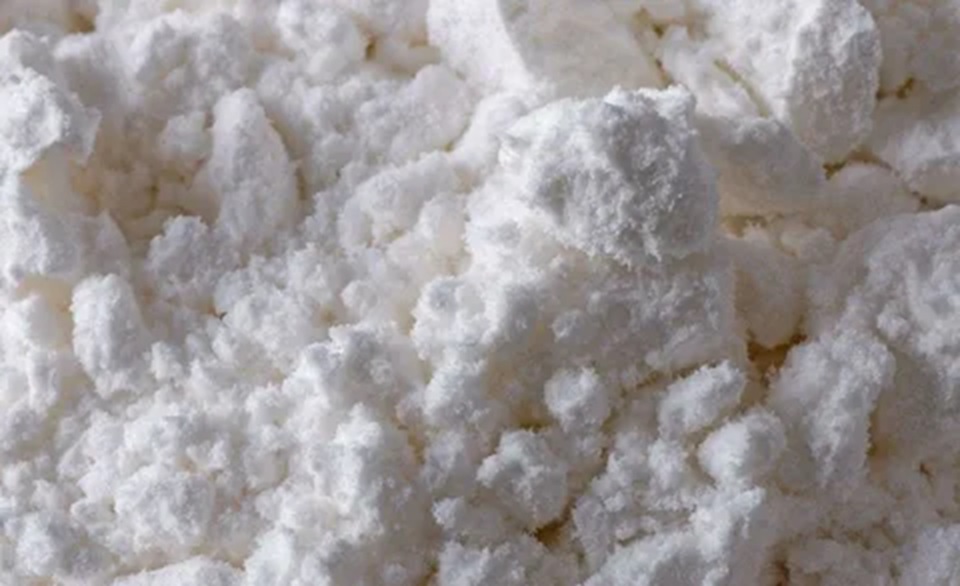
Aluminum Distearate (chemical formula C₃₆H₇₁AlO₅) is a versatile metallic soap derived from the reaction of stearic acid with an aluminum source. This organometallic compound appears as a fine, white to off-white, waxy powder. It is globally recognized for its exceptional hydrophobic (water-repellent) properties, high gel-forming capacity, and its role as a multifunctional additive across numerous industries.
Chemical Name: Aluminum Distearate
Synonyms: Aluminum Hydroxy Distearate, Hydroxybis(octadecanoato-O)-aluminum, Aluminum Di-stearate
CAS Number: 300-92-5
EINECS Number: 206-101-8
Molecular Formula: C₃₆H₇₁AlO₅
Molecular Weight: 610.93 g/mol
This guide provides an in-depth analysis of Aluminum Distearate, covering its chemical properties, manufacturing process, sector-specific applications, and comparative advantages over alternative additives.
1. In-Depth Physical and Chemical Properties
The performance of Aluminum Distearate is directly linked to its physicochemical parameters. Understanding these properties is crucial for optimizing its use in various industrial processes.
| Property | Value | Unit / Condition | Technical Significance & Application Impact |
|---|---|---|---|
| Appearance | White to off-white, waxy fine powder | At 25°C (Solid) | Ensures easy dispersion and homogeneous mixing in dry blends and masterbatches. |
| Odor | Characteristic, faint | - | Does not impart undesirable odors to final formulations, critical for cosmetics and food packaging. |
| Melting Point Range | 145 – 160 | °C | Wide range indicates stability during high-temperature processes like polymer extrusion and injection molding. |
| Density (Bulk) | ~0.25 – 0.35 | g/cm³ (loose) | Light, "fluffy" nature affects transportation, storage, and dosing characteristics. |
| Density (True) | ~1.01 – 1.02 | g/cm³ @ 25°C | Essential for volumetric calculations in liquid formulations (paints, lubricants). |
| Solubility (Water) | Insoluble | @ 20°C | Source of primary hydrophobicity. Ideal for applications requiring water resistance. |
| Solubility (Organic) | Soluble in ethyl alcohol, benzene, turpentine, mineral oils, aliphatic/aromatic hydrocarbons | Increases with temperature | Critical for use in oil-based systems, enabling gel formation and dispersion in paints, greases, and coatings. |
| Gelling Capacity | High | - | Forms colloidal structures with hydrocarbons, increasing viscosity and imparting thixotropic flow behavior. |
| Flash Point | > 162 | °C (closed cup) | High flash point ensures safety during handling, storage, and high-temperature processing. |
| Vapor Pressure | < 0.01 | hPa @ 20°C | Negligible volatility; no evaporation loss during processing and minimal worker exposure risk. |
| Fineness | > 99% | through 325 mesh (<45 µm) | High fineness guarantees excellent mixing and rapid interaction with other formulation components. |
2. Manufacturing Process and Quality Control
The production of high-quality Aluminum Distearate involves a controlled chemical process, typically the "wet process."
-
Saponification: High-purity stearic acid (vegetable or animal-based) is first saponified with an alkali (like sodium hydroxide) to form sodium stearate.
-
Precipitation Reaction: A soluble aluminum salt solution (e.g., aluminum sulfate or chloride) is then added to the sodium stearate solution under strictly controlled temperature and pH. This results in the precipitation of insoluble Aluminum Distearate.
-
Separation and Washing: The precipitated solid is separated via filtration and washed multiple times with deionized water to remove by-products (like sodium sulfate) and any unreacted materials, ensuring high purity.
-
Drying and Milling: The washed filter cake is dried in temperature-controlled ovens or fluidized bed dryers. Finally, the dried product is milled to achieve the desired, consistent particle size (typically <45 µm).
-
Quality Control (QC): Every batch undergoes rigorous testing for:
-
Melting Point
-
Free Fatty Acid / Unsaponifiable Matter
-
Ash Content (as Aluminum Oxide)
-
Particle Size Distribution
-
Moisture Content
-
Gelling Power (Performance Test)
-
3. Detailed Industry Applications and Functional Mechanisms
The versatility of Aluminum Distearate is evident in its wide range of applications. Here’s how it functions in key sectors:
3.1. Plastics and Polymer Industry
-
Heat Stabilizer: In PVC processing, it acts as a non-toxic heat stabilizer by scavenging liberated hydrogen chloride (HCl), which otherwise catalyzes further degradation (discoloration, loss of mechanical properties). This makes it ideal for food-contact films and potable water pipes.
-
Processing Aid & Lubricant: Its high melting point allows it to form a thin film between the polymer melt and hot metal surfaces (extruder screw, die). This reduces friction, improves melt flow, prevents sticking, and lowers energy consumption.
-
Pigment/Filler Dispersant & Coating Agent: It coats the surface of hydrophilic (water-attracting) fillers like calcium carbonate and talc, rendering them hydrophobic. This prevents agglomeration and ensures uniform dispersion within the hydrophobic polymer matrix, leading to better mechanical properties and more vibrant, consistent colors.
3.2. Paints, Inks, and Coatings Industry
-
Thixotropic Agent (Rheology Modifier): It imparts thixotropic properties to paints and inks. The formulation has high viscosity at rest (preventing pigment settling), but becomes fluid under shear (during brushing, rolling, or spraying). After application, viscosity rebuilds quickly, preventing sagging and dripping on vertical surfaces.
-
Water Repellent (Hydrophobizing Agent): Once the coating forms a film, Aluminum Distearate creates a water-repellent barrier. This enhances the weather resistance of exterior paints, protecting against rain and humidity, and prevents rot in wood coatings.
-
Matting Agent & Surface Conditioner: It creates micro-roughness on the film surface, scattering light to achieve a desired matte finish while contributing to a smooth surface feel.
3.3. Cosmetics and Personal Care
-
W/O Emulsifier & Stabilizer: In water-in-oil emulsions (rich creams, lotions), it forms a stable film around water droplets, preventing them from coalescing. This ensures long-term shelf stability and maintains a creamy, luxurious texture.
-
Texture Modifier (Texturizer): It imparts a rich, smooth, and velvety feel to products like lipsticks, foundations, and mascaras. It also improves the mold release properties of solid products like lipsticks.
-
Water Resistance & Wear Improver: In waterproof mascaras and sunscreens, it increases the adherence of pigments and active ingredients to the skin, providing resistance against water, sweat, and humidity.
-
Pigment Binder: In pressed powders (blush, eyeshadow), it binds pigments together and ensures even adhesion to the skin, preventing crumbling.
3.4. Construction Chemicals
-
Hydrophobic Additive (Water Repellent): When added to cement, mortar, plaster, and joint compounds, it coats the surface of capillary pores. This significantly reduces water absorption, increases resistance to freeze-thaw cycles, prevents efflorescence (white salt deposits), and inhibits mold and mildew growth.
3.5. Metalworking and Lubricants (Greases)
-
Thickener (Gelling Agent): It forms a three-dimensional fibrous network (gel) within mineral or synthetic base oils, trapping the oil molecules. This transforms the liquid oil into a semi-solid lubricating grease. These greases provide long-lasting lubrication without dripping, even at elevated temperatures.
-
Corrosion Inhibitor: It forms a protective film on metal surfaces, preventing rust and oxidation in cutting fluids and temporary protective coatings.
3.6. Petroleum Drilling Industry
-
Viscosifier for Drilling Muds: In oil-based drilling fluids, it increases viscosity and gel strength. This is crucial for efficiently suspending and transporting rock cuttings to the surface. It stabilizes the fluid's rheological properties under high-pressure, high-temperature (HPHT) downhole conditions.
-
Defoaming Agent: It helps control and suppress unwanted foam formation during the drilling circulation process, ensuring pump efficiency.
4. Comparative Analysis with Alternative Metallic Stearates
Understanding the differences between Aluminum Distearate and other common metallic soaps clarifies its unique value proposition.
| Feature / Product | Aluminum Distearate | Calcium Stearate | Zinc Stearate | Magnesium Stearate | Lithium Stearate |
|---|---|---|---|---|---|
| Primary Function | Gelling Agent, Water Repellent, Dispersant | Lubricant, Acid Scavenger, Mold Release | Mold Release, Lubricant | Glidant (Pharma), Lubricant (Food) | High-Temp Grease Thickener |
| Gelling Capacity | High | Low | Medium | Low | Very High |
| Hydrophobicity | Excellent | Good | Medium | Good | Good |
| Melting Point (°C) | 145 - 160 | 150 - 160 | 120 - 130 | 140 - 150 | 200 - 220 |
| Non-Toxicity / Food Contact | Yes (FDA compliant) | Yes (Common) | Yes | Yes (Gold Standard in Pharma) | Limited |
| Use in Cosmetics | Emulsifier, Texture Modifier | Limited (Talc-like) | Limited (Transparency issues) | Very Common (Glidant) | No |
| Cost-Performance Balance | Excellent (Multifunctional) | Good (Inexpensive lubricant) | Good (Mold release) | Medium (High purity) | Low (High performance) |
Analysis: Aluminum Distearate is unique among metallic stearates because it combines high gelling power with excellent hydrophobicity. While Calcium Stearate is a good lubricant, it doesn't gel. Zinc Stearate is an excellent mold release agent but has weaker water repellency. Lithium Stearate offers high-temperature performance at a higher cost. Aluminum Distearate provides the best balance for applications requiring both rheology control and water resistance, making it the most cost-effective and versatile solution for a wide array of formulations.
5. Recommended Usage Levels and Formulation Guidelines
The optimal dosage of Aluminum Distearate depends on the specific application and desired effect. These are general starting points; final optimization should be done through formulation testing.
| Industry / Application | Typical Usage Level | Objective & Notes |
|---|---|---|
| Plastics (PVC Stabilization) | 0.5 - 1.5 phr (per hundred resin) | For thermal stability and processing aid. |
| Plastics (Filler Coating) | 1% - 3% by weight of filler | To coat filler surface, improving polymer compatibility and dispersion. |
| Paints & Coatings | 0.5% - 2.0% of total formulation | For thixotropic effect (flow control) and water repellency. |
| Oil-Based Paints | Up to 2% of total mix | To achieve a butter-like consistency and prevent pigment settling. |
| Cosmetic Creams & Lotions | 1% - 5% | To stabilize emulsion, adjust texture, and impart water resistance. |
| Grease Manufacturing | 5% - 15% of base oil weight | To achieve the desired consistency (NLGI grade). |
| Drilling Muds | 0.5% - 2% | To increase viscosity and control fluid loss. |
Formulation Tips for Success:
-
Incorporation: For best results, dissolve or disperse Aluminum Distearate in the oil or solvent phase by heating (typically to 60-80°C). Adding it directly to cold systems may cause agglomeration.
-
Pre-dispersion: In powder blends or cold-mix processes, creating a masterbatch or pre-dispersed paste is highly recommended for uniform distribution.
-
Synergy: It can be used synergistically with other metallic soaps (like Zinc Stearate) to fine-tune specific properties.
6. Final Evaluation: Why Choose Aluminum Distearate?
Aluminum Distearate (CAS: 300-92-5) is more than just an additive; it is a strategic component that adds significant value to your formulations.
-
A Multi-Problem Solver: With a single product, you can address multiple formulation challenges simultaneously: thickening, waterproofing, stabilizing, dispersing, and lubricating.
-
Performance You Can Trust: Its superior hydrophobicity and high gelling capacity provide robust protection against moisture and ensure consistent rheological behavior, enhancing final product quality and durability.
-
Cost-Effective Versatility: Its multifunctionality simplifies your supply chain and reduces raw material complexity. It offers an unbeatable cost-performance ratio, giving your business a competitive edge.
-
Safety and Compliance: Its non-toxic nature allows for safe use in sensitive applications, from cosmetics to food contact materials. We supply product compliant with major international standards (FDA, REACH, etc.).
Elevate your formulations with the reliability and performance of Aluminum Distearate. Contact our expert team today for product samples, a Technical Data Sheet (TDS), or a Material Safety Data Sheet (MSDS).
Aluminum Distearate: Sectoral Application Table, Usage Ratios, and Application Methods
The table below provides a detailed overview of the most common industries utilizing Aluminum Distearate (CAS: 300-92-5), its specific function within each sector, typical dosage rates, and critical process information for successful formulation.
| Industry | Sub-Application / Product Group | Primary Function | Typical Usage Ratio | Application Method / Process Information |
|---|---|---|---|---|
| 1. Plastics & Polymers | PVC (Rigid & Flexible) | Heat Stabilizer, External Lubricant | 0.5 – 1.5 phr (parts per hundred resin) | Dry-blended with resin in a high-speed mixer (hot mixer) at 100-120°C. It melts and disperses homogeneously during the subsequent extrusion or molding process. |
| Masterbatch (Filler & Pigment) | Filler/Pigment Dispersant, Coating Agent | 1% - 3% by weight of the filler/pigment | Surface Coating Process: Mixed with the filler (e.g., CaCO₃) in a high-speed mixer. Frictional heat (70-90°C) generated during mixing allows the Aluminum Distearate to melt and uniformly coat the filler particles, making them hydrophobic. | |
| 2. Paints, Inks & Coatings | Oil-Based Paints | Thickener, Thixotropic Agent, Anti-Settling Agent | Up to 2% of the total formulation | Best added as a pre-gel. It is first mixed with a portion of the oil or solvent to form a paste, which is then incorporated into the main batch using a high-speed dissolver. Heating is generally not required. |
| Solvent-Based Coatings (Epoxy, Alkyd) | Rheology Control, Water Repellency | 0.5% - 2.0% of the total formulation | For optimal results, dissolve or pre-gel in a portion of the solvent at 50-70°C before adding to the main mix. Adding powder directly to a cold system risks agglomeration. | |
| Matte Varnishes | Matting Agent, Surface Conditioner | 1% - 3% of the total formulation | Added directly to the final mix using low-speed stirring. Excessive grinding or high shear after addition can reduce the matting effect. | |
| 3. Cosmetics & Personal Care | Water-in-Oil (W/O) Creams & Lotions | Emulsifier, Emulsion Stabilizer, Texture Modifier | 1% - 5% | Added to the oil phase. The oil phase is heated to 70-80°C to ensure complete dissolution before the water phase is added and emulsification begins. |
| Lipstick, Lip Gloss | Structuring Agent, Mold Release Agent, Pigment Binder | 2% - 8% | Heated together with oils and waxes (80-85°C) until a homogeneous mixture is achieved. It facilitates mold release and improves the final stick's structure. | |
| Foundation, Mascara (Waterproof) | Water Repellency, Film Former, Wear Improver | 1% - 4% | Added to the oil phase during pigment milling. It coats the pigment particles, imparting hydrophobic properties and improving adhesion to the skin/lashes. | |
| Blush, Eyeshadow (Pressed Powders) | Binder, Slip Agent | 2% - 5% | Added directly to the powder blend and mixed thoroughly. During the pressing process, it helps bind the powders together and ensures even mold filling. | |
| 4. Construction Chemicals | Cement, Mortar, Plaster, Joint Compounds | Water Repellent (Hydrophobizer), Efflorescence Preventer | 0.2% - 0.5% of the total dry mix (Effective at low doses) | Dry-mixed homogeneously with other dry components (cement, sand, aggregates). It becomes activated when water is added on-site, lining the pores to repel water. |
| 5. Metalworking & Lubricants | Lubricating Greases | Thickener (Gelling Agent) | 5% - 15% of the base oil weight | Hot Process: The base oil (mineral or synthetic) is heated with Aluminum Distearate to above its melting point (100-120°C+) until fully dissolved. The mixture is then rapidly cooled; the gel structure forms upon cooling (crystallization). |
| Cutting Fluids (Oil-Based) | Corrosion Inhibitor, Lubricity Additive | 0.5% - 2% | Dissolved in the oil base with gentle heating (50-60°C) or dispersed using a high-shear mixer. | |
| 6. Petroleum Drilling (Oil & Gas) | Oil-Based Drilling Muds | Viscosifier, Fluid Loss Control Agent, Defoamer | 0.5% - 2% | Added to the oil phase of the drilling mud. High-shear mixing equipment (e.g., mud mixers) is typically used. Heating may be required for activation depending on the formulation. |
| 7. Textiles & Leather | Fabric Impregnation, Leather Finishing | Water Repellency, Lubricant (Softening Effect) | Varies by application type. | Applied as a solution or emulsion prepared by dissolving the powder in organic solvents. It is applied to the fabric or leather via padding (foulard) or spraying. |
Critical Success Factors for Aluminum Distearate Applications
-
Temperature Control:
-
Dissolution/Activation: For complete dissolution or activation in the organic phase, heating is often required, typically in the range of 60-120°C. The exact temperature depends heavily on the application (e.g., grease production requires higher temperatures than oil-based paints).
-
Degradation: Avoid prolonged heating above 200°C. The product may decompose, losing its effectiveness and potentially causing discoloration.
-
-
Achieving Homogeneous Dispersion:
-
To prevent agglomeration of the fine powder, especially in cold-mix systems, the most reliable method is to prepare a masterbatch or pre-gel/paste in a portion of the solvent or oil phase.
-
Using high-shear mixing equipment (dissolvers, homogenizers) significantly improves dispersion quality and final performance.
-
-
Synergy with Other Additives:
-
Aluminum Distearate can exhibit synergistic effects when combined with other metallic soaps. For instance, in plastics and paints, combinations with Zinc Stearate or Calcium Stearate can enhance specific properties like lubrication or dispersion. It is recommended to test these combinations in your specific formulation.
-