We unleash your business potential by maximize the business innovation.
Send EmailAluminum Distearate, Aluminum Stearate, Hydroxyaluminum Distearate, Aluminum Hydroxy Distearate, 300-92-5
ALUMINUM DISTEARATE
PRODUCT IDENTIFIER INFORMATION
| Parameter | Information |
|---|---|
| Product Name | Aluminum Distearate |
| Chemical Name (IUPAC) | Hydroxybis(octadecanoato-O)-aluminium |
| CAS Number | 300-92-5 |
| EC Number (EINECS) | 206-101-8 |
| Molecular Formula | C₃₆H₇₁AlO₅ |
| Molecular Weight | 610.93 g/mol |
SECTION 1: CHEMICAL IDENTITY AND DESCRIPTION
| Parameter | Information |
|---|---|
| Chemical Name (IUPAC) | Hydroxybis(octadecanoato-O)-aluminium |
| Systematic Name | Aluminum Hydroxy Distearate |
| Synonyms |
Aluminum Distearate, Aluminum Stearate, Aluminium Distearate, Metallic Soap, Aluminum Di-stearate |
| CAS Number | 300-92-5 |
| EC Number (EINECS) | 206-101-8 |
| Molecular Formula | C₃₆H₇₁AlO₅ |
| Molecular Weight | 610.93 g/mol |
| Chemical Class | Organometallic compound (metallic soap / fatty acid aluminum salt) |
| Source | Reaction product of stearic acid with aluminum source |
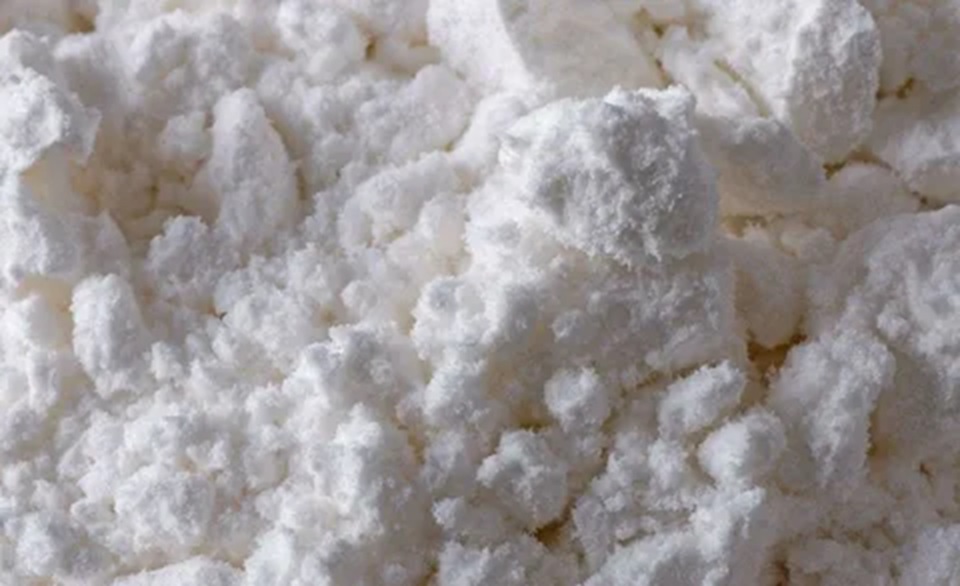
| Physical State (20°C) | Solid (white to slightly yellowish, waxy fine powder) |
| Odor | Characteristic slight |
| Taste | Not applicable (industrial additive) |
SECTION 2: PHYSICAL AND CHEMICAL PROPERTIES
| Property | Value | Test Method |
|---|---|---|
| Appearance | White to slightly yellowish, waxy fine powder | Visual |
| Odor | Characteristic slight | Olfactometric |
| Melting Range | 145 – 160°C | DSC |
| Melting Point (Typical) | ~155°C | DSC |
| Bulk Density (Loose) | ~0.25 – 0.35 g/cm³ | ASTM D1895 |
| True Density (25°C) | ~1.01 – 1.02 g/cm³ | Pycnometer |
| Solubility in Water (20°C) | Insoluble | General Method |
| Solubility in Organic Solvents |
Soluble in ethyl alcohol, benzene, turpentine, mineral oils, aliphatic and aromatic hydrocarbons (increases with temperature) |
General Method |
| Gelling Capacity | High (forms colloidal structures with hydrocarbons) | Visual / Rheometer |
| Flash Point | >162°C (closed cup) | ASTM D93 |
| Vapor Pressure (20°C) | < 0.01 hPa | Calculated |
| Fineness | >99% through 325 mesh (45 µm) | Sieve Analysis |
| Thermal Stability | Stable up to 200°C | TGA |
SECTION 3: CHEMICAL PROPERTIES AND REACTIVITY
| Parameter | Information |
|---|---|
| Chemical Character | Organometallic soap; hydrophobic; amphiphilic |
| Stability | Stable under normal conditions |
| Thermal Decomposition | Above 200°C: CO, CO₂, Al₂O₃, hydrocarbons |
| Incompatible Materials | Strong oxidizing agents, strong acids |
| Hydrophobic Character | Excellent water repellency; source of hydrophobic properties |
| Gelling Mechanism | Forms three-dimensional fibrous network in organic solvents trapping liquid phase |
| Hazardous Polymerization | Does not occur |
SECTION 4: PRODUCTION METHODS
| Method | Description |
|---|---|
| Wet Process (Precipitation) | Most common; stearic acid is saponified, then reacted with aqueous aluminum salt solution; Al distearate precipitated under controlled pH and temperature |
| Dry Process (Direct Fusion) | High-temperature reaction of stearic acid with aluminum oxide or hydroxide; less common |
| Purification | Precipitate filtered, repeatedly washed with pure water to remove by-products and impurities |
| Drying and Milling | Dried in rotary kilns or fluidized bed dryers at controlled temperature; milled to desired particle size (typically 325 mesh) |
SECTION 5: METALLIC STEARATES COMPARISON
| Property | Aluminum Distearate | Calcium Stearate | Zinc Stearate | Magnesium Stearate | Lithium Stearate |
|---|---|---|---|---|---|
| CAS Number | 300-92-5 | 1592-23-0 | 557-05-1 | 557-04-0 | 4485-12-5 |
| Primary Function | Gelling, water repellent, dispersant | Lubricant, acid scavenger, release agent | Release agent, lubricant | Glidant (pharma), lubricant | High-temp grease thickener |
| Gelling Capacity | High | Low | Medium | Low | Very High |
| Water Repellency | Excellent | Good | Medium | Good | Good |
| Melting Point (°C) | 145-160 | 150-160 | 120-130 | 140-150 | 200-220 |
| Non-Toxic / Food Contact | Yes (FDA compliant) | Yes (Common) | Yes | Yes (Gold standard in pharma) | Limited |
| Cosmetic Use | Emulsifier, texturizer | Limited (talc-like) | Limited (transparency issue) | Very common (glidant) | No |
| Cost-Performance | Excellent (Versatile) | Good (Inexpensive) | Good (Release) | Medium (High purity) | Low (High performance) |
SECTION 6: FUNCTIONAL PROPERTIES AND MECHANISM OF ACTION
| Property | Description |
|---|---|
| Gelling/Thickening Agent | Forms three-dimensional fibrous network in organic solvents and oils, creating colloidal structures that increase viscosity and provide thixotropic flow |
| Hydrophobic/Water Repellent | Creates water-repellent barrier on surfaces and within formulations; source of excellent water resistance |
| Thermal Stabilizer (PVC) | Binds liberated HCl during PVC processing, delaying thermal degradation (discoloration, strength loss) |
| External Lubricant | Forms thin film between polymer melt and hot metal surfaces (mold, screw); improves melt flow, prevents mold sticking |
| Filler/Pigment Coating Agent | Coats hydrophilic filler surfaces making them hydrophobic; ensures homogeneous dispersion in polymer matrix |
| Emulsifier (W/O) | Stabilizes water-in-oil emulsions by forming strong film around water droplets preventing coalescence |
| Anti-settling Agent | Prevents pigment settling during storage in paints and inks |
| Matting Agent | Creates microscopic surface roughness scattering light; provides desired matte effect |
| Corrosion Inhibitor | Forms protective film on metal surfaces preventing rust and oxidation |
SECTION 7: PRIMARY APPLICATION AREAS AND DOSAGE
| Sector / Application | Function | Typical Dosage |
|---|---|---|
| Plastics - PVC Stabilization | Heat stabilizer, external lubricant | 0.5 – 1.5 phr |
| Plastics - Filler Coating | Filler/pigment dispersant, coating agent | 1 – 3% of filler weight |
| Paints - Oil-Based Paints | Thickener, thixotrope, anti-settling | Up to 2% of formulation |
| Paints - Solvent-Based Coatings | Flow control, water repellency | 0.5 – 2.0% of formulation |
| Paints - Matte Varnishes | Matting agent, surface modifier | 1 – 3% of formulation |
| Cosmetics - W/O Creams & Lotions | Emulsifier, stabilizer, thickener | 1 – 5% |
| Cosmetics - Lipsticks | Structuring agent, release agent, pigment binder | 2 – 8% |
| Cosmetics - Waterproof Mascara | Water repellent, film former | 1 – 4% |
| Cosmetics - Pressed Powders | Binder, glidant | 2 – 5% |
| Construction - Cement, Mortar, Grout | Water repellent, efflorescence preventer | 0.2 – 0.5% of dry mix |
| Greases - Lithium-Free Greases | Thickener (gelling agent) | 5 – 15% of base oil |
| Metalworking - Cutting Fluids | Corrosion inhibitor, lubricity enhancer | 0.5 – 2% |
| Oil & Gas - Drilling Fluids | Viscosifier, filtration control, defoamer | 0.5 – 2% |
| Textile & Leather | Water repellent, lubricant (softening) | Application dependent |
SECTION 8: QUALITY SPECIFICATIONS (TECHNICAL GRADE)
| Parameter | Specification | Test Method |
|---|---|---|
| Appearance | White to slightly yellowish fine powder | Visual |
| Aluminum Content (as Al₂O₃) | 6.0 – 8.5% | Gravimetric / AAS |
| Free Fatty Acid (as Stearic Acid) | ≤ 1.0% | Titrimetric |
| Moisture Content | ≤ 1.0% | Gravimetric (105°C) |
| Melting Range | 145 – 160°C | DSC |
| Fineness (through 325 mesh) | ≥ 99.0% | Sieve Analysis |
| Bulk Density | 0.25 – 0.35 g/cm³ | ASTM D1895 |
| Heavy Metals (as Pb) | ≤ 10 ppm | ICP-MS |
| Lead (Pb) | ≤ 2 ppm | ICP-MS |
| Arsenic (As) | ≤ 3 ppm | ICP-MS |
SECTION 9: TOXICOLOGICAL PROFILE
| Parameter | Value |
|---|---|
| Acute Oral Toxicity (LD50, Rat) | > 5,000 mg/kg (low toxicity) |
| Skin Irritation | Not irritating |
| Eye Irritation | Mechanical irritant (dust) |
| Respiratory Irritation | Inhalation of dust may cause mechanical irritation |
| Carcinogenicity | Not classified |
| Mutagenicity | Negative in standard tests |
| FDA Status | Compliant for food contact applications |
| Cosmetic Safety | CIR approved; safe for cosmetic use |
SECTION 10: GHS CLASSIFICATION AND LABELING
GHS Classification (compliant with 1272/2008/EC):
| Hazard Class | Category | H-Statement |
|---|---|---|
| Not classified | - | Not classified as hazardous according to current regulations |
Signal Word: No signal word
Hazard Pictograms: No pictograms required
Precautionary Statements:
| Code | Statement |
|---|---|
| P261 | Avoid breathing dust |
| P280 | Wear protective goggles (in dusty environments) |
SECTION 11: FIRST AID MEASURES
| Exposure Route | Action to Take |
|---|---|
| Inhalation | Move to fresh air. Seek medical attention if respiratory irritation persists. |
| Skin Contact | Wash with plenty of water and soap. |
| Eye Contact | Rinse immediately with plenty of water for at least 15 minutes. Remove contact lenses if present. Seek medical attention if irritation persists. |
| Ingestion | Rinse mouth with water. Drink plenty of water. Seek medical attention if you feel unwell. |
SECTION 12: FIREFIGHTING MEASURES
| Parameter | Information |
|---|---|
| Fire Hazard | Combustible organic powder |
| Flash Point | >162°C |
| Hazards During Fire | CO, CO₂, Al₂O₃ |
| Suitable Extinguishing Media | Water mist, CO₂, dry chemical powder, foam |
| Special Protective Equipment | Self-contained breathing apparatus (SCBA), full protective clothing |
SECTION 13: STORAGE AND SHELF LIFE
| Parameter | Information |
|---|---|
| Storage Conditions | Cool (15-25°C), dry, well-ventilated area |
| Container Requirements | Tightly closed, moisture-proof containers |
| Keep Away From | Strong oxidizing agents, strong acids, moisture |
| Shelf Life | 36 months (unopened original packaging under appropriate storage conditions) |
| Stability Note | Stable under normal conditions |
SECTION 14: PACKAGING OPTIONS
| Packaging Type | Quantity | Material |
|---|---|---|
| Kraft bag with PE inner liner | 20-25 kg | Kraft paper + PE |
| PP woven bag with PE inner liner | 25 kg | PP woven + PE |
| Big-Bag | 500-1000 kg | Polypropylene (with PE inner liner) |
| Fiber drum | 25-50 kg | Fiberboard + PE |
SECTION 15: TRANSPORTATION INFORMATION
| Parameter | Information |
|---|---|
| UN Number | Not regulated (not hazardous) |
| Hazard Class | Not applicable |
| Packing Group | Not applicable |
| ADR/RID | Not regulated |
| IMDG Code | Not regulated |
| IATA (Air) | Not regulated |
| Marine Pollutant | No |
| Transport Temperature | Ambient |
SECTION 16: REGULATORY STATUS
| Region / Authority | Status |
|---|---|
| European Union | REACH registered; industrial chemical |
| USA (FDA) | Compliant for food contact applications (21 CFR) |
| USA (TSCA) | Listed |
| Turkey | Industrial chemical; subject to chemical registration regulations |
| Cosmetics (CIR) | Approved; safe for cosmetic use |
| Halal / Kosher | Available |
SECTION 17: OTHER NAMES AND SYNONYMS
| Type | Name |
|---|---|
| Common Names | Aluminum Distearate, Aluminum Stearate, Aluminium Distearate, Metallic Soap |
| Chemical Names | Hydroxybis(octadecanoato-O)-aluminium, Aluminum Hydroxy Distearate, Aluminum Di-stearate |
| CAS Number | 300-92-5 |
| EC Number | 206-101-8 |
SECTION 18: APPLICATION METHOD GUIDELINES
| Sector | Recommended Incorporation Method |
|---|---|
| Plastics | Dry blend with resin in high-speed mixer (hot mixer) at 100-120°C; disperses homogeneously upon polymer melting |
| Paints/Coatings | Pre-disperse as pre-gel in solvent or oil portion; add to main batch under high-speed dissolver; heating to 50-70°C may be required for optimal results |
| Cosmetics | Add to oil phase; heat oil phase to 70-85°C until completely dissolved before emulsification with water phase |
| Construction | Dry mix homogeneously with other dry components (cement, sand, additives) before water addition |
| Greases | Heat base oil with Al distearate above 100-120°C until completely dissolved; cool rapidly under controlled conditions to form gel structure |
SECTION 19: SUMMARY TABLE
| Parameter | Value |
|---|---|
| Product | Aluminum Distearate |
| CAS Number | 300-92-5 |
| Molecular Formula | C₃₆H₇₁AlO₅ |
| Molecular Weight | 610.93 g/mol |
| Appearance | White to slightly yellowish, waxy fine powder |
| Melting Range | 145 – 160°C |
| Primary Functions | Gelling agent, water repellent, thermal stabilizer, dispersant, emulsifier |
| Shelf Life | 36 months |
| GHS Signal Word | Not classified |
SECTION 20: CRITICAL SUCCESS FACTORS AND BEST PRACTICES
CRITICAL SUCCESS FACTORS:
-
Temperature Control: Dissolution/gelation typically requires heating to 60-120°C depending on application. Avoid prolonged heating above 200°C.
-
Homogeneous Dispersion: Prepare pre-gel or masterbatch to prevent powder agglomeration, especially in cold systems.
-
Synergy: Can be combined with Zinc Stearate or Calcium Stearate for enhanced performance in plastics and paint applications.
-
Hydrophobic Activation: Maximum water repellency achieved when product is properly dissolved/dispersed in the organic phase before application.
BEST PRACTICE RECOMMENDATIONS:
-
Plastics: Use at 0.5-1.5 phr for PVC stabilization; pre-coat fillers at 1-3% of filler weight for improved dispersion.
-
Paints: Pre-disperse as pre-gel in solvent portion; avoid over-grinding in matte varnishes as this may reduce matting effect.
-
Cosmetics: Always add to oil phase and heat to 70-85°C before emulsification for optimal emulsion stability.
-
Greases: Use rapid cooling after high-temperature dissolution to achieve desired gel structure.
-
Construction: Use at very low dosage (0.2-0.5% of dry mix); homogeneous dry blending is essential.
LEGAL DISCLAIMER:
The information provided in this document is presented in good faith based on our current knowledge and experience; however, since all usage conditions are beyond our control, it does not constitute a binding specification or warranty. This Technical Data Sheet is for informational purposes only. Users are obligated to test the suitability for their own applications. For complete safety, storage, handling, transportation, disposal, and regulatory compliance information, refer to the official Safety Data Sheet (SDS/MSDS) provided by the manufacturer/supplier.