We unleash your business potential by maximize the business innovation.
Send EmailMelamine, Cyanuramide, Triaminotriazine, S-Triazinetriamine, 108-78-1, 94977-27-2
MELAMINE
Melamine / Cyanuramide / Triaminotriazine / s-Triazinetriamine
CAS Number: 108-78-1 (primary); 94977-27-2 (secondary/alternate)
EC Number: 203-615-4
1. PRODUCT IDENTIFICATION AND CHEMICAL IDENTITY
| Parameter | Description |
|---|---|
| Chemical Name (IUPAC) | 1,3,5-Triazine-2,4,6-triamine |
| Common Names | Melamine, Cyanuramide, Triaminotriazine, s-Triazinetriamine |
| CAS Number | 108-78-1 (primary/official); 94977-27-2 (secondary/alternate) |
| EC Number (EINECS) | 203-615-4 |
| Molecular Formula | C₃H₆N₆ |
| Molecular Weight | 126.12 g/mol |
| Chemical Class | Heterocyclic organic compound (triazine derivative) |
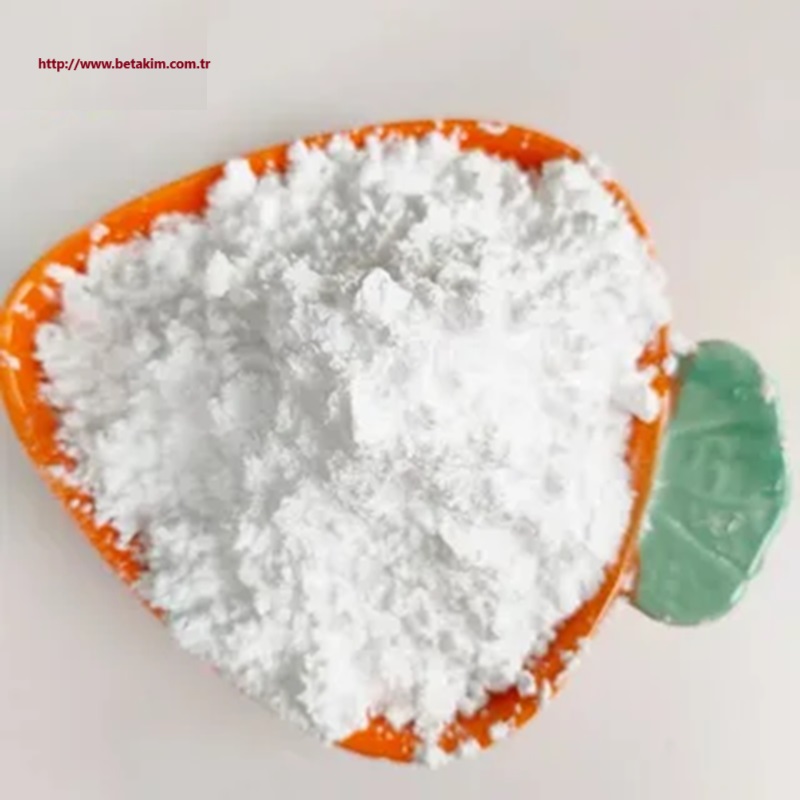
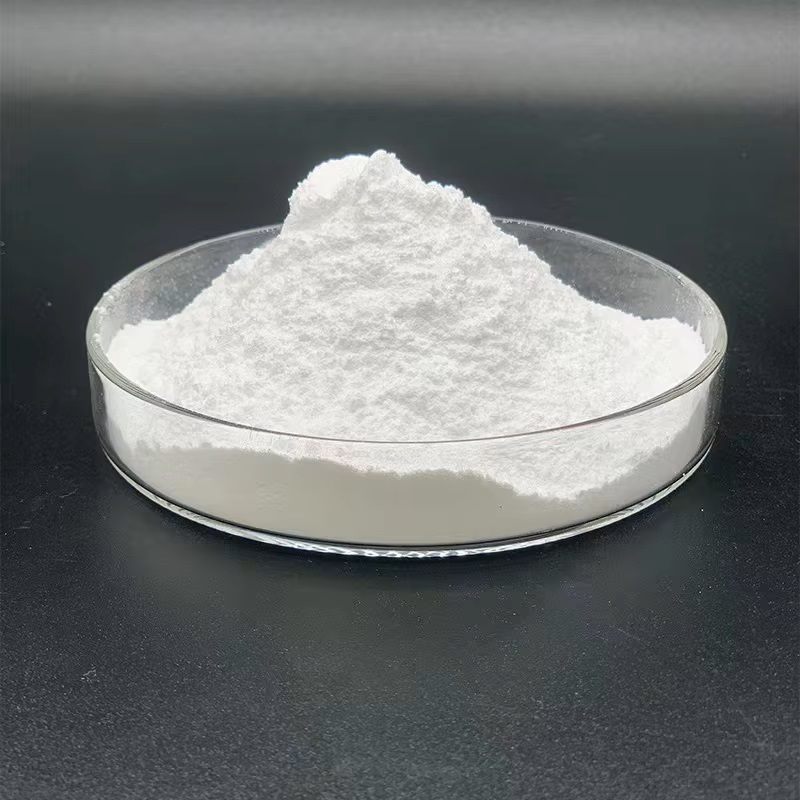
| Appearance | White crystalline powder |
| Odor | Odorless |
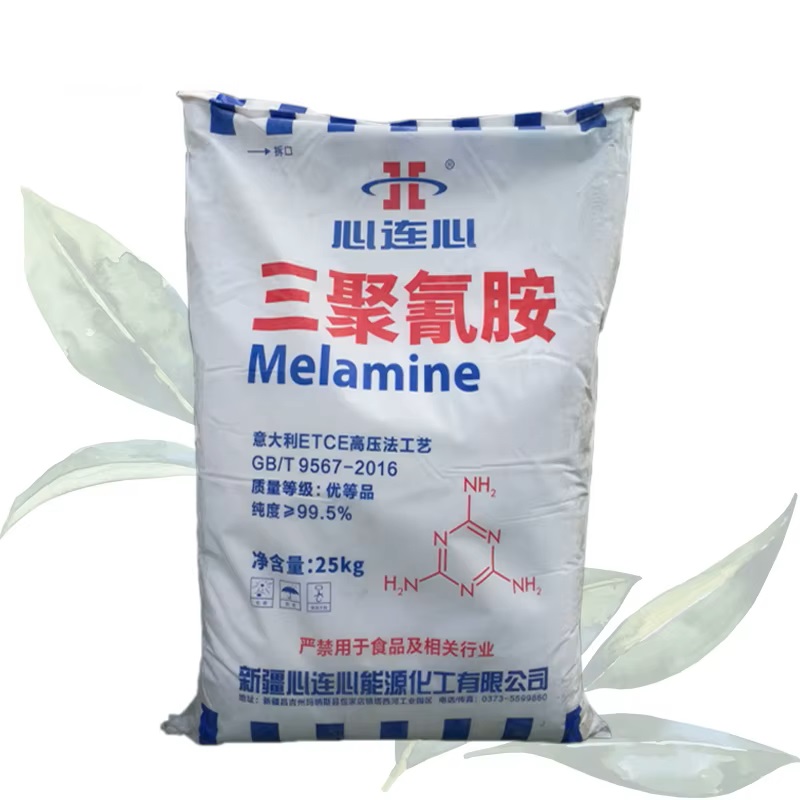
Melamine is a nitrogen-rich organic compound belonging to the triazine family. Its chemical structure consists of a 1,3,5-triazine ring with three amino groups (-NH₂) attached at the 2, 4, and 6 positions. This highly stable, symmetric structure gives melamine its unique properties, including high thermal stability, chemical resistance, and the ability to form thermosetting resins with formaldehyde. Melamine is primarily used as a raw material for the production of melamine-formaldehyde (MF) resins, which are thermosetting polymers known for their hardness, durability, chemical resistance, and flame retardancy. It is a white, odorless, crystalline powder with a high nitrogen content (approximately 66% by weight), making it valuable in flame retardant systems and certain chemical applications. The compound is synthesized industrially from urea through thermal conversion at 350-400°C, with ammonia released as a byproduct. It is commercially available in 25 kg bags as the standard industrial packaging.
2. PHYSICAL AND CHEMICAL PROPERTIES
| Property | Value |
|---|---|
| Molecular Formula | C₃H₆N₆ |
| Molecular Weight | 126.12 g/mol |
| Appearance | White crystalline powder |
| Odor | Odorless |
| Density (20°C) | 1.574 g/cm³ |
| Bulk Density | 0.7-0.9 g/cm³ (typical for powder) |
| Melting Point | ~354 °C (345-355 °C range for technical grades; decomposes) |
| Boiling Point | Not applicable (decomposes before boiling; sublimes at high temperature) |
| Sublimation Temperature | ~250-300 °C (under vacuum) |
| Decomposition Temperature | >345 °C |
| Solubility in Water (20°C) | 3.24 g/L (low solubility) |
| Solubility in Hot Water (100°C) | 53 g/L (moderate solubility) |
| Solubility in Organic Solvents | Sparingly soluble in most organic solvents; slightly soluble in glycols |
| pH (saturated aqueous solution) | ~7.5-8.0 (slightly basic) |
| Nitrogen Content | ~66.6% by weight |
| Flash Point | Not applicable (does not burn, but decomposes at high temperatures) |
| Autoignition Temperature | >500 °C |
| pKa | ~5.1 (25°C) |
| Heat of Formation | -38.6 kJ/mol |
| Specific Heat Capacity | ~1.2 kJ/(kg·K) |
| Electrical Resistivity | High (insulating material) |
Melamine is a white, odorless, crystalline powder with a density of 1.574 g/cm³ at 20°C. It has a high melting point of approximately 354°C, but it does not truly melt; instead, it decomposes at temperatures above 345°C. It sublimes (transitions directly from solid to vapor) under vacuum at temperatures of 250-300°C. The compound has low solubility in water at room temperature (3.24 g/L at 20°C), but solubility increases significantly in hot water (53 g/L at 100°C). It is sparingly soluble in most organic solvents but slightly soluble in glycols such as ethylene glycol and glycerol. The high nitrogen content of approximately 66.6% by weight is a key characteristic of melamine, making it valuable in flame retardant applications and as a nitrogen source in certain chemical processes. The aqueous solution is slightly basic with a pH of 7.5-8.0. Melamine has a low electrical conductivity and is considered an insulating material, which is useful in electrical applications.
3. CHEMICAL PROPERTIES AND REACTIONS
Melamine's chemical behavior is dominated by its highly stable triazine ring and the three reactive amino groups (-NH₂) attached to the ring. These functional groups enable a wide range of chemical reactions.
Resin Formation (Reaction with Formaldehyde):
The most important chemical reaction of melamine is its polycondensation with formaldehyde to form melamine-formaldehyde (MF) thermosetting resins:
C₃H₆N₆ + 6 HCHO → C₃H₆N₆·(CH₂OH)₆ (methylol melamine formation)
The methylol derivatives then undergo condensation to form cross-linked three-dimensional polymer networks:
~NH-CH₂OH + H₂N~ → ~NH-CH₂-NH~ + H₂O (methylene bridge formation)
~NH-CH₂OH + HO-CH₂NH~ → ~NH-CH₂-O-CH₂-NH~ + H₂O (ether bridge formation)
The resulting MF resins are hard, thermoset, chemically resistant, and thermally stable.
Reaction with Acids:
Melamine forms salts with acids due to its basic nature (the amino groups can accept protons):
C₃H₆N₆ + HCl → C₃H₇N₆Cl (melamine hydrochloride)
C₃H₆N₆ + HNO₃ → C₃H₇N₆NO₃ (melamine nitrate)
Reaction with Metal Ions:
Melamine can form complexes with metal ions such as Ag⁺, Cu²⁺, and Zn²⁺ through coordination with its amino groups and ring nitrogen atoms.
Hydrolysis:
Under strongly acidic or alkaline conditions at high temperatures, melamine can undergo hydrolysis to form ammeline, ammelide, and ultimately cyanuric acid and ammonia:
C₃H₆N₆ + 3 H₂O → C₃H₃N₃O₃ + 3 NH₃ (cyanuric acid formation)
Thermal Decomposition:
At temperatures above 345°C, melamine decomposes to form cyanuric acid, ammonia, and other volatile nitrogen-containing compounds:
C₃H₆N₆ → C₃H₃N₃O₃ + 3 NH₃ (thermal decomposition)
4. PRODUCTION METHODS
Melamine is produced industrially primarily from urea through thermal conversion. The most common process involves the reaction of urea at elevated temperatures (350-400°C) under pressure, with ammonia released as a byproduct.
| Method | Raw Materials | Process Description |
|---|---|---|
| Urea Thermal Conversion (High-Pressure Process) | Urea (CO(NH₂)₂) | Urea is heated to 350-400°C under high pressure (10-100 atm). Urea decomposes to isocyanic acid and ammonia, which then polymerizes to form melamine. The melamine is cooled, crystallized, and purified. Ammonia is recovered and recycled. |
| Urea Thermal Conversion (Low-Pressure Process) | Urea (CO(NH₂)₂) | Similar to the high-pressure process but operated at lower pressure (1-10 atm). Requires a catalyst and typically produces lower-quality product requiring additional purification. |
| Dicyandiamide Process (Historical) | Dicyandiamide | Older, less common method. Dicyandiamide is heated to produce melamine. Not widely used in modern industrial production. |
Detailed Production Process (High-Pressure Urea Process):
-
Urea Feed: Urea is melted and fed into a reactor operating at 350-400°C and 10-100 atm pressure.
-
Thermal Conversion: Urea undergoes thermal decomposition to form isocyanic acid and ammonia:
CO(NH₂)₂ → HNCO + NH₃ (isocyanic acid formation)
Isocyanic acid then polymerizes to form melamine:
6 HNCO → C₃H₆N₆ + 3 CO₂ (melamine formation)
-
Quenching and Cooling: The melamine-containing gas stream is rapidly cooled to prevent further decomposition and to solidify the melamine.
-
Crystallization: The crude melamine is crystallized from solution to remove impurities.
-
Purification: The crystallized melamine is purified through recrystallization or by dissolution and reprecipitation to achieve the desired purity.
-
Drying: The purified melamine crystals are dried to remove residual moisture.
-
Grinding and Packaging: The dried melamine is ground to the desired particle size and packaged in 25 kg bags, FIBCs, or bulk containers.
Chemical Reactions:
The overall reaction for melamine production from urea can be summarized as:
6 CO(NH₂)₂ → C₃H₆N₆ + 6 NH₃ + 3 CO₂
5. MELAMINE CONCENTRATIONS AND GRADES
| Grade | Purity | Application |
|---|---|---|
| Industrial Grade | ≥ 99.0% | General MF resin production, laminates, coatings |
| High-Purity Grade | ≥ 99.8% | High-quality resins, electrical applications, specialty coatings |
| Surface-Modified Grade | ≥ 99.5% | Improved dispersibility in specific resin systems |
| Fine Powder Grade | ≥ 99.5% | Pigment and coating applications requiring small particle size |
6. APPLICATIONS AND INDUSTRIAL USES
Melamine is a versatile chemical intermediate with applications across multiple industries. Its most important use is in the production of melamine-formaldehyde (MF) thermosetting resins, which are known for their hardness, durability, chemical resistance, and flame retardancy.
6.1. Furniture and Construction Industry
| Application | Description |
|---|---|
| Laminated Surfaces | MF resins are used to impregnate decorative paper for laminates applied to particleboard and MDF (medium-density fiberboard) for furniture, flooring, and wall panels. |
| Decorative Coatings | MF resins provide hard, scratch-resistant, and chemical-resistant surfaces for furniture and cabinetry. |
| Kitchen Worktops | MF resins are used in the production of durable, heat-resistant, and stain-resistant kitchen countertops. |
| Door Panels | MF resins provide decorative and protective coatings for interior doors. |
| Wall Panels | MF resins are used for decorative wall paneling in residential and commercial buildings. |
Melamine-formaldehyde resins are the primary material for laminated surfaces in furniture and construction. The resins are applied to decorative paper, which is then pressed onto particleboard or MDF at high temperature and pressure. The resulting surface is extremely hard, scratch-resistant, chemical-resistant, and heat-resistant. These laminates are widely used for kitchen countertops, furniture surfaces, flooring, and decorative panels. The melamine coating provides excellent resistance to moisture, stains, and abrasion, making it ideal for high-wear applications.
6.2. Household and Professional Products
| Application | Description |
|---|---|
| Tableware | Melamine-formaldehyde resins are molded into lightweight, break-resistant plates, bowls, cups, and trays. These are popular for outdoor dining and casual use. |
| Melamine Foam | Melamine-based foam is highly microporous and has excellent sound absorption and cleaning properties. Used in cleaning sponges (e.g., "magic erasers") and acoustic insulation. |
| Kitchen Utensils | MF resins are used for some kitchen utensils due to their heat resistance and durability. |
| Decorative Items | MF resins are used to create decorative items such as ashtrays, coasters, and ornaments. |
Melamine tableware is a significant application in the household products sector. The lightweight, break-resistant properties of melamine-formaldehyde resins make them ideal for plates, bowls, cups, and trays. These products are widely used in outdoor dining, casual dining, and institutional settings (e.g., schools, hospitals, prisons). Melamine foam is a unique product that is highly microporous and has excellent cleaning and sound absorption properties. Melamine foam is used in cleaning sponges for removing stubborn stains and in acoustic insulation for soundproofing applications.
6.3. Electrical and Electronics Industry
| Application | Description |
|---|---|
| Electrical Insulation | MF resins are used as electrical insulators in switches, circuit breakers, and connectors due to their excellent dielectric properties and heat resistance. |
| Flame Retardant Additives | Melamine is used as a flame retardant additive in plastics, coatings, and textiles due to its high nitrogen content (66%). |
| Encapsulation | MF resins are used for encapsulation of electronic components to provide protection from moisture and environmental damage. |
| Specialty Coatings | MF resins are used in high-performance coatings for automotive and industrial applications. |
Melamine-formaldehyde resins are valued in the electrical industry for their excellent dielectric properties (electrical insulation) and heat resistance. They are used in switches, circuit breakers, connectors, and other electrical components. Melamine is also used as a flame retardant additive in various materials, including plastics, coatings, and textiles. The high nitrogen content (66%) makes it effective in flame retardant systems where it releases nitrogen gas upon heating, diluting flammable gases and reducing combustion. MF resins are used in high-performance coatings for automotive and industrial applications, providing hardness, scratch resistance, and chemical resistance.
6.4. Chemical Industry
| Application | Description |
|---|---|
| MF Resins Production | MF resins are the primary outlet for melamine, used in adhesives, coatings, and laminates. |
| Textile Resins | MF resins are used in textiles to provide wrinkle resistance, dimensional stability, and flame retardancy. |
| Leather Processing | MF resins are used in leather processing as tanning agents and coating materials. |
| Paper Industry | MF resins are used as wet-strength additives in paper production. |
| Adhesives | MF resins are used as adhesives for wood products and other materials. |
| Specialty Chemicals | Melamine is a raw material for the production of various specialty chemicals, including melamine derivatives for the pharmaceutical and agrochemical industries. |
Melamine-formaldehyde resins are the largest application of melamine in the chemical industry. These resins are used in adhesives, coatings, and laminates. MF resins are also used in textiles to provide wrinkle resistance, dimensional stability, and flame retardancy. In leather processing, they are used as tanning agents and coating materials. In the paper industry, MF resins are used as wet-strength additives to improve paper strength when wet. Melamine is also a raw material for the production of various specialty chemicals, including certain pharmaceutical intermediates and agrochemicals.
6.5. Flame Retardant Applications
| Application | Description |
|---|---|
| Intumescent Coatings | Melamine is used in intumescent coatings for steel structures and fireproofing applications. |
| Polymer Additives | Melamine is used as a flame retardant additive in polyurethane foams, thermoplastics, and thermosets. |
| Textile Flame Retardants | Melamine is used in textile finishing to provide flame retardancy to fabrics. |
| Rubber Compounds | Melamine is used as a flame retardant filler in rubber compounds for conveyor belts, cables, and other applications. |
Melamine is widely used as a flame retardant additive due to its high nitrogen content (66%). When heated, melamine releases nitrogen gas, which dilutes flammable gases and reduces the availability of oxygen, thus suppressing combustion. Melamine is used in intumescent coatings, which expand when heated to form a protective char layer on steel structures and other materials. It is also used as a flame retardant additive in polyurethane foams, thermoplastics, and thermosets. In textile finishing, melamine provides flame retardancy to fabrics. In rubber compounds, melamine is used as a flame retardant filler in conveyor belts, cables, and other applications.
6.6. Agriculture and Food Industry
| Application | Description |
|---|---|
| Fertilizers | Melamine is NOT recommended as a nitrogen fertilizer due to its low solubility and slow nitrogen release. Conventional nitrogen fertilizers (urea, ammonium nitrate) are more effective and cost-efficient. |
| Animal Feed | Melamine is PROHIBITED in animal feed due to the 2007-2008 pet food contamination incidents and associated health risks. |
| Food Additives | Melamine is PROHIBITED in food products. The 2008 Chinese milk scandal led to global bans and strict regulations on melamine in food products. |
IMPORTANT WARNING: Melamine is strictly PROHIBITED in food products and animal feed. The 2007-2008 incidents (pet food contamination and Chinese milk powder contamination) where melamine was illegally added to mimic protein content resulted in severe health issues, including kidney stones, kidney failure, and death in animals and children. Melamine is not a suitable nitrogen source for agricultural applications (fertilizers) due to its low solubility and slow nitrogen release. Conventional nitrogen fertilizers such as urea and ammonium nitrate are far more effective and cost-efficient. All national and international regulations strictly ban the use of melamine in food products and animal feed.
7. HEALTH EFFECTS AND TOXICOLOGY
Melamine has moderate acute toxicity but serious chronic health effects, particularly on the kidneys. Its toxicity is primarily due to the formation of cyanuric acid-melamine crystals in the kidneys.
7.1. Toxicological Data
| Parameter | Value |
|---|---|
| Oral LD50 (Rat) | 3,161-3,384 mg/kg |
| Dermal LD50 (Rabbit) | > 1,000 mg/kg |
| Inhalation LC50 (Rat) | > 5.2 mg/L (4 hours) |
| Skin Irritation | Mild irritant |
| Eye Irritation | Mild irritant |
| Skin Sensitization | Not a sensitizer |
| Mutagenicity | Negative (Ames test) |
| Carcinogenicity | IARC: Group 3 (not classifiable as to carcinogenicity to humans) |
| Reproductive Toxicity | Not classified |
| ACGIH TLV-TWA | 10 mg/m³ (as total dust) |
| OSHA PEL-TWA | 15 mg/m³ (total dust); 5 mg/m³ (respirable dust) |
| NIOSH REL-TWA | 10 mg/m³ (total dust); 5 mg/m³ (respirable dust) |
7.2. Health Effects
Acute Exposure:
| Route | Effects |
|---|---|
| Inhalation | Respiratory irritation, coughing, shortness of breath at high dust concentrations |
| Skin Contact | Mild irritation, possible dermatitis with prolonged contact |
| Eye Contact | Mechanical irritation, redness, discomfort |
| Ingestion | Gastrointestinal irritation, nausea, vomiting, diarrhea; high doses may cause kidney effects |
Chronic Exposure:
-
Nephrotoxicity (Kidney Damage): Melamine's primary chronic toxicity is on the kidneys. High doses or prolonged exposure can lead to the formation of melamine-cyanurate crystals in the renal tubules, causing kidney stones, kidney damage, and potentially kidney failure.
-
Melamine-Cyanurate Crystal Formation: Melamine and cyanuric acid (a melamine-related compound) can form insoluble crystals in the kidneys. These crystals can obstruct renal tubules, leading to tubular necrosis, kidney failure, and death.
-
Human Exposures (2008 Chinese Milk Scandal): The 2008 Chinese milk powder scandal, where melamine was illegally added to milk powder to boost its apparent protein content, resulted in approximately 300,000 illnesses, 50,000 hospitalizations, and at least 6 deaths in infants. Affected infants suffered from kidney stones and kidney failure.
-
Occupational Exposure: Workers in melamine production and processing facilities should avoid inhaling melamine dust. Proper dust control measures (local exhaust ventilation, dust collection systems) and personal protective equipment (dust masks, safety goggles) are recommended.
8. FIRST AID MEASURES
| Exposure Route | Action |
|---|---|
| Inhalation | Move person to fresh air. If breathing is difficult, give oxygen. If symptoms persist, seek medical attention. |
| Skin Contact | Wash with plenty of soap and water for at least 15 minutes. Remove contaminated clothing. If irritation persists, seek medical attention. |
| Eye Contact | Rinse immediately with plenty of water for at least 15 minutes. Remove contact lenses if present. If irritation persists, seek medical attention. |
| Ingestion | Rinse mouth with water. Drink plenty of water. Do NOT induce vomiting. Seek immediate medical attention if large amounts are swallowed. |
9. SAFETY INFORMATION (GHS CLASSIFICATION)
| Hazard Class | Category |
|---|---|
| Flammable Dust | Category 1 (may form explosive dust-air mixtures) |
| Skin Irritation | Category 3 (mild irritation) |
| Eye Irritation | Category 2B (mild irritation) |
| Specific Target Organ Toxicity - Repeated Exposure (Kidney) | Category 2 (H373) |
Signal Word: WARNING
Hazard Statements (H-Codes):
| Code | Statement |
|---|---|
| H205 | May form combustible dust concentrations in air (EU-specific) |
| H315 | Causes skin irritation |
| H319 | Causes serious eye irritation |
| H335 | May cause respiratory irritation |
| H373 | May cause damage to organs (kidney) through prolonged or repeated exposure |
Precautionary Statements (P-Codes):
| Code | Statement |
|---|---|
| P210 | Keep away from heat, sparks, open flames, and other ignition sources |
| P261 | Avoid breathing dust |
| P271 | Use only outdoors or in a well-ventilated area |
| P280 | Wear protective gloves, protective clothing, eye/face protection |
| P302+P352 | IF ON SKIN: Wash with plenty of soap and water |
| P304+P340 | IF INHALED: Remove person to fresh air and keep comfortable for breathing |
| P305+P351+P338 | IF IN EYES: Rinse cautiously with water for several minutes. Remove contact lenses if present and easy to do. Continue rinsing |
| P332+P313 | If skin irritation occurs: Get medical attention |
| P337+P313 | If eye irritation persists: Get medical attention |
| P403+P233 | Store in a well-ventilated place. Keep container tightly closed |
| P501 | Dispose of contents/container in accordance with local/regional/national/international regulations |
10. FIREFIGHTING MEASURES
| Parameter | Information |
|---|---|
| Fire Hazard | Combustible dust; dust-air mixtures may be explosive |
| Extinguishing Media | Water spray, CO₂, dry chemical powder, foam |
| Special Hazards | Thermal decomposition produces toxic and irritant fumes (nitrogen oxides, ammonia, hydrogen cyanide) |
| Protective Equipment | Self-contained breathing apparatus (SCBA), full protective clothing |
| Dust Explosion | Can form explosive dust clouds; use explosion-proof equipment |
| Decomposition Temperature | >345 °C |
11. ACCIDENTAL RELEASE MEASURES
| Parameter | Information |
|---|---|
| Personal Protection | Wear appropriate PPE (dust mask, goggles, protective clothing, gloves) |
| Ventilation | Increase ventilation; evacuate area if necessary |
| Containment | Stop source if safe; contain powder to prevent spread |
| Cleaning Methods | Vacuum (with explosion-proof vacuum cleaner) or sweep carefully to avoid dust generation. Avoid dry sweeping; use wet methods or HEPA-filtered vacuum. |
| Large Spills | Contact emergency services; dust explosion risk may be present |
| Environmental Precautions | Prevent entry into drains, sewers, and water bodies |
| Waste Disposal | Dispose of according to local, state, and federal regulations |
12. STORAGE AND HANDLING
| Parameter | Information |
|---|---|
| Storage Conditions | Cool, dry, well-ventilated area; away from ignition sources |
| Container Requirements | Tightly closed containers (25 kg bags, FIBCs, bulk containers) |
| Materials to Avoid | Moisture (may cake), strong oxidizing agents, strong acids |
| Shelf Life | 24-36 months under proper storage conditions |
| Hygroscopicity | Low (slightly hygroscopic) |
| Dust Explosion | Avoid dust cloud formation; use explosion-proof equipment |
| Static Charge | Can generate static charge; use grounding |
| Packaging Options | 25 kg bags (standard), 500-1000 kg FIBCs, bulk silo tankers |
Melamine should be stored in cool, dry, well-ventilated areas, away from ignition sources and incompatible materials (strong oxidizing agents, strong acids). It is slightly hygroscopic and may cake if exposed to moisture, affecting its handling and dispersibility. Storage areas should be designed to minimize dust accumulation and prevent dust explosion hazards. Explosion-proof electrical equipment and proper grounding should be used. Containers should be kept tightly closed to prevent moisture absorption and contamination. Shelf life under proper storage conditions is typically 24-36 months.
Handling Notes:
-
Avoid dust generation (use enclosed systems, local exhaust ventilation)
-
Static electricity accumulation may occur; ground all equipment
-
Use explosion-proof equipment in dusty areas
-
Avoid breathing dust (use dust mask or respirator)
-
Avoid contact with skin and eyes (use protective gloves and goggles)
-
Keep away from ignition sources (combustible dust hazard)
-
Do not allow material to become wet (may cake and become difficult to handle)
13. TRANSPORT INFORMATION
| Parameter | Information |
|---|---|
| UN Number | Not applicable (not classified as dangerous good) |
| Hazard Class | Not a dangerous good |
| Packing Group | Not applicable |
| Proper Shipping Name | Melamine |
| Marine Pollutant | No |
| ADR/RID Label | Not applicable |
Melamine is not classified as a dangerous good for transport. It is shipped in 25 kg bags, FIBCs, or bulk containers. During transport, protect from moisture, impact, and excessive heat. Ensure proper labeling and documentation.
14. REGULATORY INFORMATION
| Region | Status |
|---|---|
| EU | REACH registered; restricted for use in food contact materials |
| Turkey (KKDİK) | Mandatory compliance; requires registration |
| USA (TSCA) | Listed |
| Canada (DSL) | Listed |
| Australia (AICS) | Listed |
| Japan (ENCS) | Listed |
| Korea (KECL) | Listed |
| China (IECSC) | Listed |
Regulatory Status:
| Status | Information |
|---|---|
| FDA Compliance | Approved for indirect food contact (food contact materials); migration limits apply |
| EU Compliance | REACH registered; restricted for use in food contact materials (EU 10/2011) |
| IARC Classification | Group 3 (not classifiable as to carcinogenicity to humans) |
| HS Code | 29336100 |
| RTECS | OS0700000 |
| WGK Germany | 1 (slight hazard to water) |
| TSCA | Yes |
| EINECS | 203-615-4 |
Food Contact Regulations:
| Region | Regulation | Limit |
|---|---|---|
| EU | EU 10/2011 | Specific migration limit (SML): 2.5 mg/kg food |
| USA | FDA 21 CFR 177.1460 | Indirect food additive for polymers |
| China | GB 9685-2016 | Specific migration limit: 2.5 mg/kg food |
15. OTHER NAMES AND SYNONYMS
| Category | Names / Identifiers |
|---|---|
| Chemical Names | 2,4,6-Triamino-1,3,5-triazine; s-Triazinetriamine; 1,3,5-Triazine-2,4,6-triamine |
| Synonyms | Melamine, Cyanuramide, Triaminotriazine |
| Trade Names | Flammex MEL, Mitsui 2020A, Micromel 325, Relugan XD, ADK Stab ZS 27, JLS Melamine, Aflammit PMN 500 |
| Abbreviations | MEL, MM |
Database Identifiers:
| Database | Identifier |
|---|---|
| CAS | 108-78-1 (primary); 94977-27-2 (secondary) |
| EC (EINECS) | 203-615-4 |
| MDL | MFCD00006055 |
| PubChem CID | 7955 |
| RTECS | OS0700000 |
| UN | Not applicable |
| HS Code | 29336100 |
| Merck | 14, 5828 |
| Beilstein | 87471 |
16. ENVIRONMENTAL INFORMATION
| Parameter | Information |
|---|---|
| Aquatic Toxicity | Low toxicity to aquatic organisms |
| Biodegradability | Slowly biodegradable |
| Bioaccumulation | Low potential |
| Mobility in Soil | Moderate (water-soluble, low sorption) |
| Environmental Fate | Slow degradation in the environment; may persist in soil and water |
| Waste Disposal | Incineration at permitted facility recommended; or landfill according to local regulations |
Melamine has low toxicity to aquatic organisms but is slowly biodegradable, meaning it may persist in the environment. It has low potential for bioaccumulation. In soil and water, melamine may persist for extended periods due to its slow degradation rate. Waste disposal should be carried out according to local, state, and federal regulations. Incineration at a permitted facility is recommended.
17. INDUSTRY SECTOR SUITABILITY TABLE
| Industry Sector | Application | Suitability | Notes |
|---|---|---|---|
| Furniture & Construction | MDF, particleboard, laminate coatings, kitchen worktops | High Suitability | Scratch-resistant, wear-resistant, decorative surfaces |
| Chemical Industry | Melamine-formaldehyde resins, coatings, adhesives | Suitable | Critical raw material for thermosetting resin production |
| Electrical & Electronics | Insulation parts, coating additives | Suitable | Heat and dielectric stress resistant |
| Automotive | Coating additives, paint hardeners | Limited | Primarily used as auxiliary additive |
| Textile | Reactive dyes, printing auxiliaries | Limited | Used in specific reactive systems |
| Agriculture | Fertilizer, feed additive (nitrogen source) | Not Suitable | Direct use prohibited/restricted due to regulations |
| Food Industry | Protein booster additive (adulteration cases) | Strictly Prohibited | Banned globally after 2008 Chinese scandal |
| Household & Professional Products | Plates, bowls, trays, cleaning sponges | Suitable | FDA approved; high temperature/acidic food limitations apply |
18. COMMON NAMES AND INDUSTRY TERMINOLOGY
| Name/Term | Description |
|---|---|
| Melamine | Primary common name |
| MF Resin | Melamine-formaldehyde resin (thermosetting polymer) |
| Melamine Laminate | Decorative laminate used in furniture and construction |
| Melamine Tableware | Dishes, cups, and bowls made from MF resin |
| Melamine Foam | Microporous foam used for cleaning and sound absorption |
| Melamine Powder | Raw material in powder form |
| Melamine Nitrate | Salt of melamine and nitric acid used in explosives |
| Melamine Cyanurate | Salt of melamine and cyanuric acid (forms kidney stones) |
| Melamine Formaldehyde | Thermosetting resin formed by condensation of melamine and formaldehyde |
19. DOWNSTREAM AND UPSTREAM PRODUCTS
19.1. Raw Materials (Upstream)
| Raw Material | Description |
|---|---|
| Urea | Primary raw material for melamine production |
| Ammonia | Byproduct of melamine production; recovered and recycled |
| Carbon Dioxide | Byproduct of melamine production |
| Formaldehyde | Raw material for MF resin production |
19.2. Derivative Products (Downstream)
| Derivative | Application |
|---|---|
| Melamine-Formaldehyde Resins | Thermosetting resins for laminates, coatings, adhesives |
| Melamine Tableware | Dishes, cups, bowls, trays |
| Melamine Foam | Cleaning sponges, acoustic insulation |
| Melamine Laminate | Furniture, flooring, wall panels |
| Melamine-Based Flame Retardants | Intumescent coatings, polymer additives |
| Melamine Nitrate | Explosives (limited use) |
| Melamine Cyanurate | Flame retardant additive |
| Melamine Derivatives | Pharmaceutical intermediates, agrochemicals |
20. SUMMARY AND CRITICAL WARNINGS
SUMMARY:
Melamine (C₃H₆N₆, CAS 108-78-1) is a nitrogen-rich heterocyclic organic compound belonging to the triazine family. It is a white, odorless, crystalline powder with a molecular weight of 126.12 g/mol, density of 1.574 g/cm³, melting point of approximately 354°C (decomposes), and low water solubility (3.24 g/L at 20°C). It has a high nitrogen content of approximately 66% by weight, making it valuable in flame retardant applications. It is produced industrially from urea through thermal conversion at 350-400°C. The most important application is in melamine-formaldehyde (MF) thermosetting resins, which are used in laminates, furniture coatings, kitchen worktops, tableware, cleaning sponges, electrical insulation, and flame retardant systems. It is also used as a flame retardant additive, in textile finishing, and in specialty chemicals. Melamine is strictly PROHIBITED in food products and animal feed due to severe health risks (kidney stones, kidney failure). The 2008 Chinese milk scandal resulted in global bans and strict regulations. Health hazards include mild skin and eye irritation, respiratory irritation, and chronic kidney damage. IARC Group 3 (not classifiable as to carcinogenicity to humans). Not classified as a dangerous good for transport. Stored in cool, dry, well-ventilated areas away from ignition sources. Packaging: 25 kg bags (standard), FIBCs, or bulk containers.
Key Properties:
| Property | Value |
|---|---|
| Appearance | White crystalline powder |
| Chemical Formula | C₃H₆N₆ |
| Molecular Weight | 126.12 g/mol |
| CAS Number | 108-78-1 (primary); 94977-27-2 (secondary) |
| Melting Point | ~354 °C (decomposes) |
| Density (20°C) | 1.574 g/cm³ |
| Water Solubility (20°C) | 3.24 g/L |
| Nitrogen Content | ~66.6% by weight |
| Primary Use | MF resins, laminates, tableware, flame retardants |
Major Application Areas:
| Industry | Applications |
|---|---|
| Furniture & Construction | Laminates, coatings, worktops, wall panels |
| Household & Professional Products | Tableware, melamine foam, cleaning sponges |
| Electrical & Electronics | Insulation parts, flame retardant additives |
| Chemical Industry | MF resins, adhesives, coatings, textile resins |
| Flame Retardants | Intumescent coatings, polymer additives, textiles |
| Automotive | Coating additives, paint hardeners (limited) |
Key Safety Points:
-
NEPHROTOXIC (KIDNEY TOXIN): Prolonged or repeated exposure may cause kidney damage
-
PROHIBITED IN FOOD: Strictly prohibited in food products and animal feed (global regulation)
-
DUST EXPLOSION: Combustible dust; may form explosive dust-air mixtures
-
MILD IRRITANT: Causes mild skin and eye irritation
-
RESPIRATORY IRRITANT: May cause respiratory irritation at high dust concentrations
-
STORAGE: Store in cool, dry, well-ventilated area away from ignition sources
-
PPE REQUIRED: Dust mask, safety goggles, protective gloves (for dust handling)
-
IARC CLASSIFICATION: Group 3 (not classifiable as to carcinogenicity to humans)
CRITICAL WARNINGS:
Prohibition in Food and Feed: Melamine is STRICTLY PROHIBITED in food products and animal feed worldwide. The 2008 Chinese milk scandal, where melamine was illegally added to infant formula and milk powder to inflate protein content, resulted in approximately 300,000 illnesses, 50,000 hospitalizations, and at least 6 deaths in infants. All national and international regulations (including FDA, EU, China, and many others) strictly ban the use of melamine in food and feed products.
Nephrotoxicity (Kidney Damage): Melamine can cause severe kidney damage through the formation of insoluble melamine-cyanurate crystals in the renal tubules. These crystals can obstruct the renal tubules, causing tubular necrosis, kidney stones, kidney failure, and death. The risk is higher with co-exposure to cyanuric acid, which can occur in certain industrial settings or through metabolic conversion in the body. Chronic occupational exposure to melamine dust requires regular medical monitoring of kidney function.
Tableware Safety: Melamine tableware is considered safe for normal household use when used appropriately. However, users should avoid:
-
Heating in microwave ovens (may cause degradation and migration of melamine into food)
-
Prolonged contact with acidic or hot foods (>70-80°C), which may increase migration of melamine into food
-
Using damaged or scratched tableware (may increase migration)
-
Using for high-temperature applications (e.g., oven use)
Food Contact Regulations: Melamine is approved for indirect food contact applications (food contact materials) in many jurisdictions. However, specific migration limits (SML) apply:
-
EU: 2.5 mg/kg food (EU 10/2011)
-
USA: FDA 21 CFR 177.1460 (indirect food additive)
-
China: 2.5 mg/kg food (GB 9685-2016)
Agricultural Applications: Melamine is NOT a suitable agricultural nitrogen source (fertilizer). Its low solubility and slow nitrogen release make it far less effective than conventional nitrogen fertilizers such as urea and ammonium nitrate. Additionally, its regulatory restrictions and high cost make it economically unviable for agricultural use.
Dust Explosion Hazard: Melamine dust can form explosive dust-air mixtures when dispersed in air at sufficient concentrations. All equipment should be grounded to prevent static charge accumulation, and dust collection systems should be used to minimize airborne dust. Explosion-proof electrical equipment is required in areas where dust may be present.
Important Disclaimer: This Technical Data Sheet (TDS) is for informational purposes only. The information provided is based on available data and is believed to be accurate. However, the user is solely responsible for determining the suitability of the product for their specific application and for complying with all applicable regulations and safety requirements. For complete safety, handling, storage, and regulatory compliance information, always refer to the official Safety Data Sheet (SDS/MSDS) provided by the manufacturer/supplier. Users are responsible for testing the product in their own processes and applications. All local, national, and international regulations must be followed when working with melamine. Melamine is strictly PROHIBITED in food products and animal feed.