We unleash your business potential by maximize the business innovation.
Send EmailLauric Acid, Dodecanoic Acid, Dodecylic Acid, Dodecoic Acid, Duodecylic Acid, Vulvic Acid, 143-07-7
LAURIC ACID - LAURİK ASİT
Dodecanoic Acid - C12:0
CAS: 143-07-7
| Product Name | Lauric Acid |
| CAS Number | 143-07-7 |
| EC Number | 205-582-1 |
| Chemical Class | Saturated Fatty Acid (Medium-Chain) |
| Synonyms | Dodecanoic Acid, Dodecylic Acid, Dodecoic Acid, Duodecylic Acid, Laurostearic Acid, Vulvic Acid, C12:0 |
ITEM 1: PRODUCT IDENTITY AND NOMENCLATURE
| Parameter | Description |
|---|---|
| IUPAC Name | Dodecanoic Acid |
| Chemical Formula | C₁₂H₂₄O₂ |
| Molecular Weight | 200.32 g/mol |
| CAS Number | 143-07-7 |
| EC Number | 205-582-1 |
| Synonyms | Lauric Acid, Dodecanoic Acid, Dodecylic Acid, Dodecoic Acid, Duodecylic Acid, Laurostearic Acid, Vulvic Acid, C12:0 |
| HS Code | 2915.90.00.00.00 |
| REACH Status | Registered and compliant |
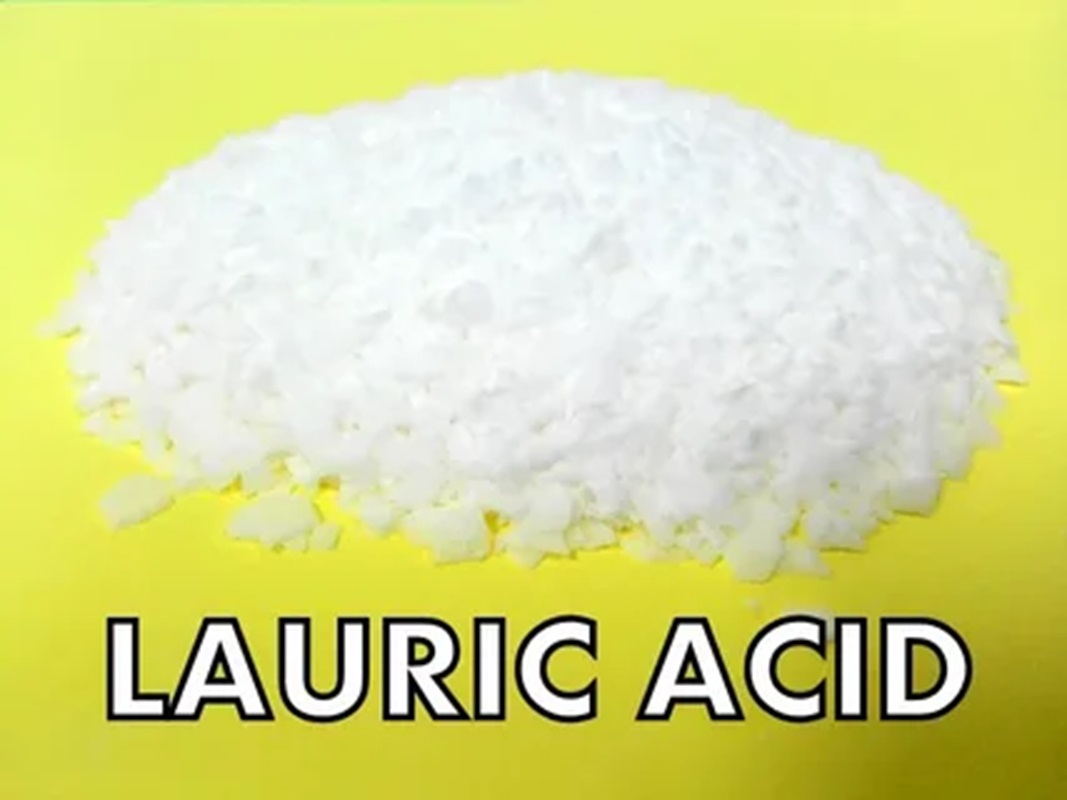
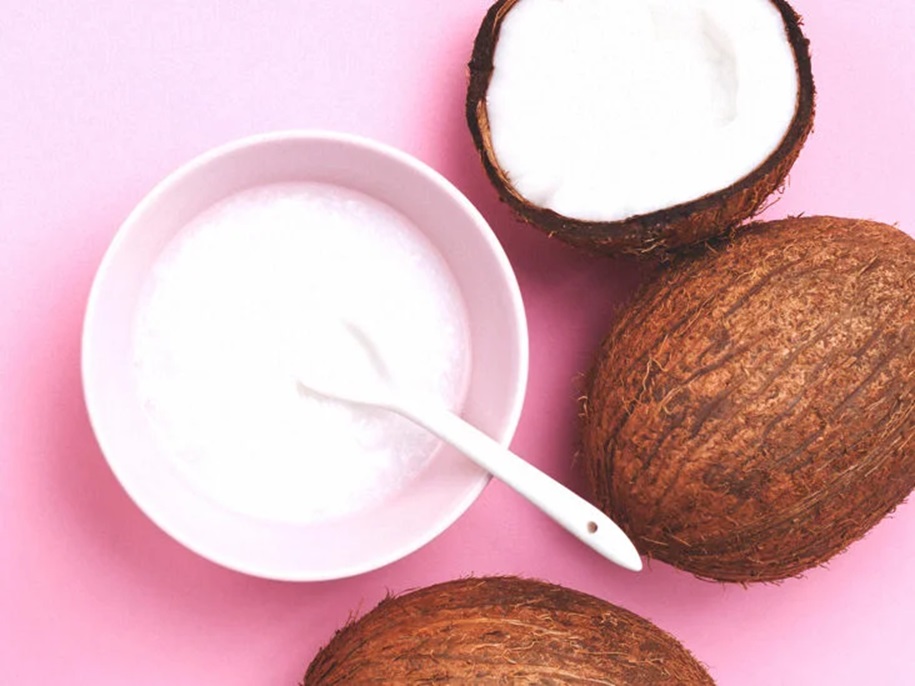
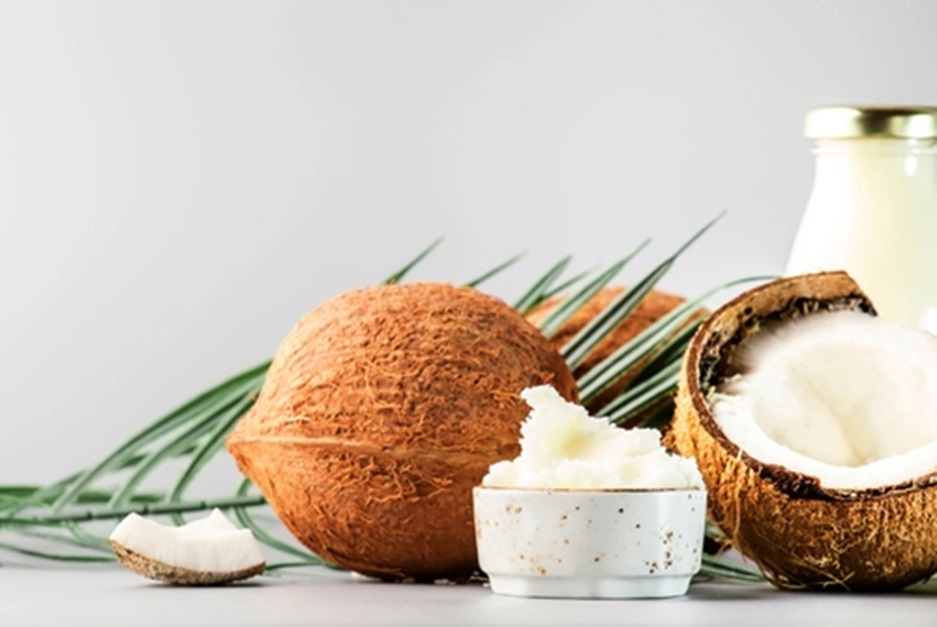
Description: Lauric acid (dodecanoic acid) is a saturated fatty acid with 12 carbon atoms. It is named after the laurel tree and is found in high concentrations in coconut oil, palm kernel oil, and milk fat. It constitutes approximately 45-52% of the fatty acids in coconut oil. This versatile raw material is supplied as a white, slightly odorous crystalline powder and is widely used in soap, cosmetics, food, and industrial applications.
ITEM 2: CHEMICAL STRUCTURE AND MOLECULAR PROPERTIES
| Parameter | Description |
|---|---|
| Chemical Family | Saturated Fatty Acid (Medium-Chain) |
| Carbon Count | 12 (C12:0) |
| Structure | Straight-chain, saturated (no double bonds) |
| Functional Group | Carboxyl (-COOH) |
| Molecular Structure | CH₃-(CH₂)₁₀-COOH |
| SMILES | CCCCCCCCCCCC(=O)O |
| InChI Key | POULHZVOKOAJMA-UHFFFAOYSA-N |
| Fatty Acid Class | Medium-Chain Triglyceride (MCT) |
Structural Formula:
text
CH₃-CH₂-CH₂-CH₂-CH₂-CH₂-CH₂-CH₂-CH₂-CH₂-CH₂-COOH
Description: Lauric acid is a saturated fatty acid with 12 carbons. Its straight-chain structure provides high chemical stability and resistance to oxidation. It belongs to the medium-chain fatty acid class (C6-C12), which distinguishes it from other long-chain fatty acids.
ITEM 3: PHYSICAL APPEARANCE AND FORM
| Parameter | Specification | Test Method |
|---|---|---|
| Appearance | White crystalline powder/flakes | Visual Inspection |
| Physical Form | Solid (crystalline) | Visual Inspection |
| Odor | Mild, characteristic (fatty acid) | Organoleptic |
| Color | White | Visual Inspection |
| Crystal Structure | Needle or flake-shaped | Microscopic |
Description: Lauric acid is supplied as a white, crystalline powder or flakes with a mild characteristic odor. The crystal structure is fine needle or flake-shaped. It is supplied in high purity and contains no visible foreign matter.
ITEM 4: THERMAL PROPERTIES
| Property | Specification / Value | Test Method |
|---|---|---|
| Melting Point | 43 – 45 °C | DSC |
| Boiling Point | 225 °C (100 mmHg) | – |
| Boiling Point | 298.9 °C (760 mmHg) | – |
| Flash Point | > 110 °C | ASTM D93 |
| Auto-ignition Temperature | ~250 °C | – |
| Vapor Pressure | Very low | – |
Description: Lauric acid melts at 43-45°C and is solid at room temperature, becoming a clear liquid above its melting point. Its high boiling point makes it suitable for distillation and processing applications.
ITEM 5: PHYSICAL PROPERTIES
| Property | Specification | Typical Value | Test Method |
|---|---|---|---|
| Density (20°C) | 0.87 – 0.88 g/cm³ | 0.883 g/cm³ | ASTM D4052 |
| Density (50°C, liquid) | 0.86 – 0.87 g/cm³ | 0.868 g/cm³ | ASTM D4052 |
| Bulk Density | 400 – 550 kg/m³ | 480 kg/m³ | ASTM D1895 |
| Refractive Index (50°C) | 1.430 – 1.435 | 1.432 | ASTM D1218 |
| Viscosity (50°C) | ~10 cP | – | – |
Description: Lauric acid is lighter than water in solid form (0.883 g/cm³). In molten form, its low viscosity facilitates pumping and processing.
ITEM 6: CHEMICAL AND SOLUBILITY PROPERTIES
| Property | Specification / Description | |
|---|---|---|
| pH | Not applicable (organic) | |
| Solubility in Water (25°C) | Very slightly soluble (~0.005 g/L) | |
| Solubility in Water | 0.006 g/L (20°C) | |
| Alcohol (Ethanol) | Soluble (hot) | |
| Ether | Readily soluble | |
| Chloroform | Readily soluble | |
| Acetone | Soluble | |
| Benzene | Soluble | |
| Oils | Soluble | |
| Acid Value (mg KOH/g) | ≥ 278 | Titration |
| Saponification Value (mg KOH/g) | 278 – 283 | Titration |
| Iodine Value | ≤ 1.0 | Titration |
Description: Lauric acid is very slightly soluble in water but readily soluble in most organic solvents (alcohol, ether, chloroform, acetone, benzene, oils). High acid value (≥278) indicates high purity. Very low iodine value (≤1.0) indicates saturated structure and high oxidative stability.
ITEM 7: PURITY AND ANALYTICAL SPECIFICATIONS
| Parameter | Specification | Typical Value | Test Method |
|---|---|---|---|
| Purity (GC) | ≥ 99.0% | 99.5% | GC |
| Purity | ≥ 98.0% (industrial) | 99.0% | GC |
| Melting Point | 43 – 45 °C | 44.0 °C | DSC |
| Acid Value | ≥ 278 mg KOH/g | 279 – 280 | Titration |
| Saponification Value | 278 – 283 mg KOH/g | 280 | Titration |
| Iodine Value | ≤ 1.0 | 0.5 | Titration |
| Water Content | ≤ 0.5% | 0.1% | Karl Fischer |
| Color | White | White | Visual |
| Heavy Metals (Pb) | ≤ 10 ppm | <5 ppm | ICP-MS |
| Arsenic (As) | ≤ 2 ppm | <1 ppm | ICP-MS |
| Ash Content | ≤ 0.1% | 0.02% | – |
Description: Lauric acid is supplied in high purity (>99%). Melting point and acid value are important indicators of purity. Low iodine value provides high oxidative stability and long shelf life.
ITEM 8: COSMETIC INDUSTRY APPLICATIONS
| Application | Function / Description |
|---|---|
| Soap Making | Primary component in hard soap production; provides lather and hardness |
| Shampoos | Foam booster, cleansing surfactant |
| Skin Creams | Emollient, moisturizer, softener |
| Lotions | Viscosity builder, moisturizer |
| Cleaning Products | Surfactant, foam booster |
| Detergents | Surfactant raw material |
| Hair Conditioners | Moisturizer, hair softener |
| Makeup Products | Emulsifier, viscosity builder |
| Shaving Creams | Lubricity provider, foam booster |
| Toothpastes | Foam booster, surfactant |
Description: In the cosmetic industry, lauric acid is widely used in soaps, shampoos, creams, lotions, detergents, and other personal care products. It functions as a surfactant, emollient, moisturizer, and foam booster. It cleanses oils from the skin while maintaining natural moisture balance.
ITEM 9: SKIN CARE BENEFITS
| Benefit | Description |
|---|---|
| Moisturization | Deeply moisturizes the skin, provides softness |
| Antimicrobial | Protective effect against bacteria and fungi |
| Acne & Pimples | Antimicrobial properties help fight acne and pimples |
| Cell Aging | Prevents damage caused by free radicals |
| Skin Irritation | Soothes the skin, reduces irritation |
| Dry Skin | Ideal moisturizer for dry skin |
Description: Lauric acid helps eliminate bacteria on the skin due to its antimicrobial benefits. It also helps prevent damage caused by free radicals and slows down skin cell aging. It moisturizes, softens, and reduces skin irritation. It is particularly ideal for dry skin.
ITEM 10: FOOD INDUSTRY APPLICATIONS
| Application | Function / Description |
|---|---|
| Margarine | Emulsifier, viscosity builder |
| Chocolate | Fat crystallization regulator |
| Liquid Oils | Oxidative stability enhancer |
| Dairy Products | Emulsifier, viscosity builder |
| Meat Products | Preservative, emulsifier |
| Mayonnaise | Emulsifier, stabilizer |
| Sauces | Emulsifier, viscosity builder |
| Bakery Products | Viscosity builder, lubricant |
| Food Additive | Extends shelf life of oils |
Description: In the food industry, lauric acid is used in margarine, chocolate, liquid oils, dairy products, and meat products. It functions as an emulsifier, viscosity builder, and oxidative stability enhancer. It is used to extend the shelf life of oils.
ITEM 11: PHARMACEUTICAL APPLICATIONS
| Application | Function / Description |
|---|---|
| Topical Creams | Excipient, emollient |
| Ointments | Base, carrier |
| Oral Medications | Excipient |
| Suppositories | As base |
| Antimicrobial | Infection prevention |
| Monolaurin Production | Raw material for antimicrobial component |
Description: In the pharmaceutical industry, lauric acid is frequently used due to its antimicrobial benefits. It functions as an excipient, emollient, and carrier in topical creams, ointments, and other pharmaceutical formulations. It is also used as a raw material in monolaurin production.
ITEM 12: CHEMICAL INDUSTRY APPLICATIONS
| Application | Function / Description |
|---|---|
| Plastic Production | Stabilizer, lubricant |
| Lubricant Formulations | Industrial lubricant additive |
| Surfactant Production | Raw material for SLS, SLES |
| Ester Production | Plasticizers, lubricant esters |
| Chemical Synthesis | Intermediate in organic synthesis |
| Polymer Additives | Processing aid |
Description: In the chemical industry, lauric acid is used as a stabilizer and lubricant in plastic production, in lubricant formulations, and as a key raw material for surfactant production (SLS, SLES). It is also used in ester production for plasticizers and lubricants.
ITEM 13: AGRICULTURE AND PESTICIDE APPLICATIONS
| Application | Function / Description |
|---|---|
| Pesticide Formulations | Adjuvant, emulsifier |
| Herbicides | Surfactant, wetting agent |
| Fungicides | Adjuvant |
| Agricultural Chemicals | Emulsifier, wetting agent |
Description: In the agricultural industry, lauric acid is used as an adjuvant, emulsifier, and wetting agent in pesticide, herbicide, and fungicide formulations. It improves the efficacy and application properties of agricultural chemicals.
ITEM 14: SECTOR COMPATIBILITY MATRIX
| Industry | Suitability | Application | Notes |
|---|---|---|---|
| Cosmetics | High | Soap, shampoo, creams, lotions | Widespread use |
| Food | High | Margarine, chocolate, oils | As food additive |
| Pharmaceutical | High | Topical creams, ointments | As excipient |
| Chemical | High | Plastics, lubricants, surfactants | As raw material |
| Agriculture | Medium | Pesticides, herbicides | As adjuvant |
| Cleaning | High | Detergents, cleaners | As surfactant raw material |
ITEM 15: SAFETY AND TOXICOLOGICAL PROFILE
| Parameter | Description |
|---|---|
| Acute Oral Toxicity (LD50) | ~1000 – 2000 mg/kg (rat) |
| Acute Dermal Toxicity | Low |
| Skin Irritation | Mild irritant |
| Eye Irritation | Mild irritant |
| Skin Sensitization | May cause sensitization |
| Inhalation | Dust inhalation may cause irritation |
| Carcinogenicity | Not classified |
| Mutagenicity | Not classified |
| Reproductive Toxicity | Not classified |
| Biodegradability | Readily biodegradable |
Description: Lauric acid has low toxicity. However, inhalation of dust or eye contact may cause irritation. It is not classified as carcinogenic, mutagenic, or reproductive toxicant. It is readily biodegradable.
ITEM 16: HANDLING AND PERSONAL PROTECTIVE EQUIPMENT (PPE)
| Parameter | Recommendation |
|---|---|
| Dust Control | Minimize dust formation |
| Ventilation | Adequate general ventilation |
| Gloves | Nitrile or neoprene gloves |
| Eye Protection | Safety goggles |
| Respiratory Protection | Dust mask (N95) |
| Skin Contact | Wash with soap and water |
| Eye Contact | Rinse with plenty of water for 15 minutes |
| Inhalation | Move to fresh air |
Description: Standard industrial hygiene practices should be followed when handling lauric acid. Dust formation should be minimized and adequate ventilation provided.
ITEM 17: STORAGE AND SHELF LIFE
| Parameter | Description |
|---|---|
| Storage Temperature | 15 – 30°C |
| Storage Conditions | Cool, dry, well-ventilated area |
| Moisture | Keep away from moisture; store in tightly closed containers |
| Light | Protect from direct sunlight |
| Shelf Life | 24 months (under proper storage) |
| Signs of Degradation | Color change, caking, odor change |
| Packaging | Closed bags or containers |
Description: Lauric acid should be stored in a cool, dry place in tightly closed containers, protected from direct sunlight. It remains stable for 24 months under proper storage conditions.
ITEM 18: SPILL CLEANUP AND DISPOSAL
| Parameter | Description |
|---|---|
| Dry Spills | Sweep or vacuum |
| Wet Spills | Collect with absorbent material |
| Do Not | Discharge to sewers or water sources |
| Waste Disposal | Dispose according to local regulations |
| Environmental Classification | Not hazardous |
| Biodegradability | Readily biodegradable |
ITEM 19: REGULATORY AND CERTIFICATION STATUS
| Certificate / Standard | Status |
|---|---|
| REACH (EC 1907/2006) | Registered and compliant |
| TSCA (USA) | Listed |
| EINECS (EU) | 205-582-1 |
| FDA 21 CFR | Approved as food additive |
| Cosmetics | Permitted |
| Halal | Available (select grades) |
| ISO 9001:2015 | Certified manufacturing |
| GMP | Available (select grades) |
ITEM 20: SYNONYMS AND ALIASES
| Name | Description |
|---|---|
| Lauric Acid | Most common name |
| Dodecanoic Acid | IUPAC name |
| Dodecylic Acid | Chemical name |
| Dodecoic Acid | Chemical name |
| Duodecylic Acid | Historical name |
| Laurostearic Acid | Historical name |
| Vulvic Acid | Historical name |
| C12:0 | Fatty acid code |
| Lauric Acid | CAS name |
QUALITY AND CERTIFICATION SUMMARY
| Certificate / Standard | Status |
|---|---|
| ISO 9001:2015 | Certified manufacturing sites |
| ISO 14001:2015 | Environmental Management System |
| REACH (EC 1907/2006) | Registered and compliant |
| FDA 21 CFR | Approved as food additive |
| Halal | Available upon request |
| GMP | Available upon request |
Disclaimer: This Technical Data Sheet provides typical values for reference purposes only. All values are based on standard laboratory measurements and do not constitute a binding specification. For binding properties, please request the Certificate of Analysis (COA) for each specific batch. The user is solely responsible for determining product suitability for their intended application and for compliance with all applicable regulations. Safety Data Sheet (SDS) must be requested from the supplier before use.