We unleash your business potential by maximize the business innovation.
Send EmailDicyclohexylamine, Dicyclo Hexyl Amine, Dicyclo Hexyl Amine, Dodecahydro Diphenyl Amine, DCHA, 101-83-7
DICYCLOHEXYLAMINE (DCHA)
Dicyclohexylamine / Dicyclo Hexyl Amine / Dodecahydro Diphenyl Amine / DCHA
CAS Number: 101-83-7
EC Number: 202-980-7
1. PRODUCT IDENTIFICATION AND CHEMICAL IDENTITY
| Parameter | Description |
|---|---|
| Chemical Name (IUPAC) | N-cyclohexylcyclohexanamine |
| Common Names | Dicyclohexylamine, DCHA, Dicyclo Hexyl Amine, Dodecahydro Diphenyl Amine, Bis(cyclohexyl)amine |
| CAS Number | 101-83-7 |
| EINECS | 202-980-7 |
| Molecular Formula | C₁₂H₂₃N |
| Molecular Weight | 181.32 g/mol |
| Chemical Class | Secondary amine (alicyclic amine) |
| Appearance | Pale yellow liquid (at room temperature) or white to off-white crystalline powder (at lower temperatures) |
| Odor | Characteristic amine odor, strong penetrating ammonia-like smell |
| pH (1g/L water, 20°C) | 11 (strongly alkaline) |
| pKa (25°C) | 10.4 |
Dicyclohexylamine (DCHA) is a secondary alicyclic amine consisting of two cyclohexyl groups attached to a nitrogen atom. It is a colorless to pale yellow liquid at room temperature with a strong, penetrating, ammonia-like amine odor. Due to its relatively high melting point (-0.1 to -2°C), it can solidify at slightly below room temperature, appearing as a white to off-white crystalline mass. It is a strongly basic compound with a pKa of 10.4, making it a useful reagent for salt formation and as a catalyst in various organic reactions. DCHA is an important industrial chemical with applications in rubber and plastics, corrosion inhibition, agrochemicals, textiles, and the production of artificial sweeteners. Its common name "boiler protection amine" reflects its widespread use as a corrosion inhibitor in steam boiler systems.
2. PHYSICAL AND CHEMICAL PROPERTIES
| Property | Value |
|---|---|
| Physical State (20°C) | Liquid (pale yellow) |
| Appearance | Pale yellow liquid or white to off-white crystalline powder (near room temperature) |
| Odor | Strong, penetrating amine odor |
| Molecular Formula | C₁₂H₂₃N |
| Molecular Weight | 181.32 g/mol |
| Density (20°C) | 0.912 g/mL |
| Melting Point | -2 °C to -0.1 °C |
| Boiling Point | 255-256 °C (decomposes) |
| Flash Point | 96 °C (205°F) |
| Refractive Index (n20/D) | 1.4842 |
| Vapor Pressure (37.7°C) | 12 mm Hg |
| Vapor Density (Air=1) | 6 (heavier than air) |
| Water Solubility (20°C) | ~0.8-1 g/L (slightly soluble) |
| Solubility in Organic Solvents | Soluble in most organic solvents (ethanol, ether, benzene, chloroform, etc.) |
| pH (1g/L water, 20°C) | 11 |
| pKa (25°C) | 10.4 |
| Explosive Limits (Lower/Upper) | 0.8% / 4.6% (by volume) |
| Flash Point (Open Cup) | 96°C |
| Autoignition Temperature | >300°C (estimated) |
| LogP | ~3.9 (estimated) |
Dicyclohexylamine is a pale yellow liquid at room temperature with a strong, penetrating, ammonia-like amine odor. It has a density of 0.912 g/mL at 20°C, making it slightly lighter than water. The melting point ranges from -2°C to -0.1°C, meaning it can solidify at slightly below room temperature and appear as a white to off-white crystalline mass. The boiling point is 255-256°C, with decomposition occurring at this temperature. The flash point is 96°C (205°F), indicating that it is a combustible liquid but has a relatively high flash point compared to many other organic solvents. The vapor pressure at 37.7°C is 12 mm Hg, indicating moderate volatility. The vapor density of 6 (air=1) means its vapor is approximately 6 times heavier than air and may accumulate in low-lying areas. It is slightly soluble in water (~0.8-1 g/L at 20°C) but soluble in most organic solvents including ethanol, ether, benzene, chloroform, and other organic solvents. The pH of a 1 g/L aqueous solution is 11, indicating strong basicity, consistent with its pKa of 10.4. The lower explosive limit is 0.8% and the upper explosive limit is 4.6% by volume in air.
3. CHEMICAL PROPERTIES AND REACTIONS
As a secondary amine, dicyclohexylamine exhibits the characteristic reactions of amines, including salt formation, alkylation, acylation, and complexation with metal ions.
Salt Formation with Acids:
Dicyclohexylamine reacts with acids to form salts. The most important salts include:
-
Dicyclohexylamine Hydrochloride (DCHA·HCl): Formed by reaction with hydrochloric acid. Used in the production of dicyclohexylamine salts for various applications.
DCHA + HCl → DCHA·HCl
-
Dicyclohexylamine Nitrite: Formed by reaction with nitrous acid. Used as a corrosion inhibitor.
DCHA + HNO₂ → DCHA·HNO₂
-
Dicyclohexylamine Sulfamate: Formed by reaction with sulfamic acid. Used in the production of artificial sweeteners (cyclamate).
DCHA + HSO₃NH₂ → DCHA·HSO₃NH₂
Alkylation:
The secondary amine group can undergo alkylation reactions to form tertiary amines:
DCHA + R-X → N-alkyl dicyclohexylamine + HX
Acylation:
Dicyclohexylamine reacts with acid chlorides and anhydrides to form amides:
DCHA + R-COCl → R-CON(C₆H₁₁)₂ + HCl
Reaction with Carbon Disulfide:
Dicyclohexylamine reacts with carbon disulfide to form dicyclohexylammonium dithiocarbamates, which are important as rubber accelerators and antioxidants:
2 DCHA + CS₂ → (DCHA-H)⁺(S₂CN(C₆H₁₁)₂)⁻
Complex Formation:
Dicyclohexylamine forms complexes with metal ions and can act as a ligand in coordination chemistry. This property is utilized in its corrosion inhibition applications.
Oxidation:
Dicyclohexylamine can be oxidized to form N,N-dicyclohexylhydroxylamine or other oxidation products under strong oxidizing conditions.
4. PRODUCTION METHODS
Dicyclohexylamine is produced industrially by several methods, all based on the hydrogenation of suitable aromatic precursors or reductive amination of cyclohexanone.
| Method | Raw Materials | Process Description |
|---|---|---|
| Aniline Hydrogenation | Aniline (C₆H₅NH₂), Hydrogen | Aniline is hydrogenated in the presence of a catalyst (typically nickel or cobalt-based) at high temperature and pressure to produce cyclohexylamine. Further alkylation with cyclohexylamine or cyclohexanol yields dicyclohexylamine. |
| Cyclohexanone Reductive Amination | Cyclohexanone, Cyclohexylamine, Hydrogen | Cyclohexanone is reacted with cyclohexylamine in the presence of hydrogen and a catalyst (typically Pd/C or Raney nickel). The imine intermediate is hydrogenated to yield dicyclohexylamine. |
| Diphenylamine Hydrogenation | Diphenylamine, Hydrogen | Diphenylamine is hydrogenated in the presence of a ruthenium catalyst at high temperature and pressure to yield dicyclohexylamine. This is an alternative production method, particularly useful for producing high-purity DCHA. |
Detailed Production Process (Aniline Hydrogenation Method):
-
Aniline Hydrogenation: Aniline is reacted with hydrogen in the presence of a catalyst (nickel, cobalt, or ruthenium-based) at temperatures of 150-250°C and pressures of 10-50 atm to produce cyclohexylamine.
C₆H₅NH₂ + 3 H₂ → C₆H₁₁NH₂ (cyclohexylamine)
-
Alkylation: The cyclohexylamine is further reacted with additional cyclohexylamine or cyclohexanol to produce dicyclohexylamine. This can be achieved by:
-
Reaction with Cyclohexylamine: Cyclohexylamine is reacted with itself in the presence of a dehydrogenation catalyst.
2 C₆H₁₁NH₂ → (C₆H₁₁)₂NH + NH₃
-
Reaction with Cyclohexanol: Cyclohexylamine is reacted with cyclohexanol in the presence of a catalyst.
C₆H₁₁NH₂ + C₆H₁₁OH → (C₆H₁₁)₂NH + H₂O
-
-
Purification: The crude dicyclohexylamine is purified by distillation under reduced pressure to remove unreacted starting materials and byproducts. The product is obtained as a pale yellow liquid with a typical amine odor.
Detailed Production Process (Cyclohexanone Reductive Amination Method):
-
Imine Formation: Cyclohexanone is reacted with cyclohexylamine to form the imine intermediate (N-cyclohexylidenecyclohexylamine).
C₆H₁₀O + C₆H₁₁NH₂ → C₆H₁₀=NC₆H₁₁ + H₂O
-
Hydrogenation: The imine is hydrogenated in the presence of a catalyst (Pd/C or Raney nickel) at moderate temperature and pressure to yield dicyclohexylamine.
C₆H₁₀=NC₆H₁₁ + H₂ → (C₆H₁₁)₂NH
-
Purification: The product is purified by distillation to obtain high-purity dicyclohexylamine.
5. APPLICATIONS AND INDUSTRIAL USES
Dicyclohexylamine is a versatile chemical intermediate with applications in multiple industries. Its strong basicity, ability to form salts, and reactivity make it useful in a wide range of applications.
5.1. Rubber and Plastics Industry
| Application | Description |
|---|---|
| Rubber Vulcanization Accelerators | Used in the production of dithiocarbamate and thiuram accelerators for rubber vulcanization. DCHA-based accelerators (e.g., DCHA-DTC, DCHA-TMTD) provide good processing safety and moderate cure rates. |
| Antioxidants | Used as an intermediate in the production of amine-based antioxidants for rubber and plastic stabilization. |
| Plasticizers | Used as an intermediate in the production of certain plasticizers and stabilizers for PVC and other polymers. |
Dicyclohexylamine is a key raw material in the production of rubber vulcanization accelerators, particularly dithiocarbamate and thiuram accelerators. These accelerators improve the efficiency of the vulcanization process, reducing cure time and improving the physical properties of the final rubber product. DCHA-based accelerators provide good processing safety and moderate cure rates, making them suitable for a wide range of rubber applications including tires, conveyor belts, hoses, and molded goods. Typical usage levels in rubber formulations range from 0.5-2% in accelerator systems.
5.2. Corrosion Inhibition
| Application | Description |
|---|---|
| Boiler Water Treatment | Used as a volatile corrosion inhibitor in steam boiler systems. DCHA neutralizes carbonic acid formed from CO₂ in steam condensate systems, protecting metal surfaces from corrosion. |
| Steam Condensate Systems | Used as a neutralizing amine to prevent corrosion in steam and condensate return lines. |
| Oil and Gas Industry | Used as a corrosion inhibitor in oil and gas production and refining operations. |
| Vapor Phase Corrosion Inhibitors | Used as a vapor phase corrosion inhibitor for protection of metal surfaces in closed systems. |
Dicyclohexylamine is widely used as a corrosion inhibitor, particularly in steam boiler systems and steam condensate return lines. In steam boiler systems, CO₂ present in the steam dissolves in condensate to form carbonic acid, which is corrosive to metal surfaces. DCHA, being volatile, is carried with the steam and condenses with the water, neutralizing the carbonic acid and forming a protective film on metal surfaces. Its common name "boiler protection amine" reflects this important application. It is also used as a vapor phase corrosion inhibitor for protecting metal surfaces in closed systems such as pipelines and storage tanks. Typical usage levels in corrosion inhibition applications are at the ppm level.
5.3. Agrochemicals
| Application | Description |
|---|---|
| Pesticide Intermediates | Used as an intermediate in the synthesis of various pesticides (insecticides, fungicides, herbicides). |
| Herbicide Production | Used as a starting material for the synthesis of certain herbicides. |
| Plant Growth Regulators | Used in the production of plant growth regulators and related compounds. |
Dicyclohexylamine is an important intermediate in the synthesis of various agrochemicals, including pesticides, herbicides, and fungicides. Its strong basicity and reactivity make it useful for the production of active ingredients that contain amine or amide functional groups. Several commercial agrochemicals are synthesized from dicyclohexylamine or its derivatives.
5.4. Artificial Sweetener Production (Cyclamate)
| Application | Description |
|---|---|
| Cyclamate Production | Used as an intermediate in the production of sodium cyclamate, a widely used artificial sweetener. DCHA is reacted with sulfamic acid to form dicyclohexylamine sulfamate, which is then converted to sodium cyclamate. |
Dicyclohexylamine is a key raw material in the production of sodium cyclamate, a widely used artificial sweetener. The production process involves the reaction of DCHA with sulfamic acid to form dicyclohexylamine sulfamate, which is then converted to sodium cyclamate through a neutralization reaction. Cyclamate is used as a low-calorie sweetener in beverages, foods, and pharmaceuticals. This application represents a significant use of dicyclohexylamine.
Cyclamate Production Reaction:
DCHA + HSO₃NH₂ → DCHA·HSO₃NH₂ (dicyclohexylamine sulfamate)
DCHA·HSO₃NH₂ + NaOH → NaSO₃NH₂ (sodium cyclamate) + DCHA + H₂O
5.5. Polyurethane Production
| Application | Description |
|---|---|
| Catalyst for Flexible Foams | Used as a catalyst in the production of flexible polyurethane foams. |
| Urethane Catalyst | Acts as a tertiary amine catalyst for the reaction between isocyanates and polyols. |
| Foam Stabilization | Contributes to foam stabilization and cell structure control in polyurethane formulations. |
Dicyclohexylamine can be used as a catalyst in polyurethane production, particularly in the production of flexible polyurethane foams. It acts as a tertiary amine catalyst for the reaction between isocyanates and polyols, promoting the formation of urethane linkages. Its catalytic activity and volatility profile can be tailored for specific foam formulations. However, other amines and catalysts are more commonly used in modern polyurethane production.
5.6. Textile Chemicals
| Application | Description |
|---|---|
| Fabric Softeners | Used as an intermediate in the production of cationic fabric softeners. |
| Processing Aids | Used as a processing aid in textile finishing and treatment processes. |
| Dyeing Assistants | Used in the production of dyeing assistants and leveling agents. |
Dicyclohexylamine is used in the textile industry as an intermediate in the production of cationic fabric softeners, processing aids, and dyeing assistants. Its strong basicity and ability to form salts make it useful for the production of quaternary ammonium compounds and other cationic surfactants used in textile processing.
5.7. Other Applications
| Application | Description |
|---|---|
| Organic Synthesis | Used as a reagent and intermediate in various organic synthesis reactions. |
| Pharmaceutical Intermediates | Used in the production of certain pharmaceutical compounds and intermediates. |
| Dye Intermediates | Used in the production of dye intermediates and colorants. |
| Nitrocellulose Paints | Used as a solvent and stabilizer in nitrocellulose paint formulations. |
| Fuel Antioxidant Additives | Used as an intermediate in the production of fuel antioxidant additives. |
| Acid Gas Absorbent | Used as an absorbent for acid gases (CO₂, H₂S, SO₂) in gas purification processes. |
6. SALTS AND DERIVATIVES
Dicyclohexylamine forms various salts and derivatives that have important industrial applications.
| Salt/Derivative | Formula | Application |
|---|---|---|
| Dicyclohexylamine Hydrochloride | (C₆H₁₁)₂NH·HCl | Organic synthesis, pharmaceutical intermediates |
| Dicyclohexylamine Nitrite | (C₆H₁₁)₂NH·HNO₂ | Corrosion inhibitor |
| Dicyclohexylamine Sulfamate | (C₆H₁₁)₂NH·HSO₃NH₂ | Cyclamate production intermediate |
| Dicyclohexylamine Dithiocarbamate | (C₆H₁₁)₂NH·(S₂CN(C₆H₁₁)₂)⁻ | Rubber vulcanization accelerator |
| Dicyclohexylamine Tetrathiuram | (C₆H₁₁)₂N-C(=S)-S-S-C(=S)-N(C₆H₁₁)₂ | Rubber vulcanization accelerator |
7. ALTERNATIVES AND COMPARABLE COMPOUNDS
| Compound | Formula | Comparison with DCHA |
|---|---|---|
| Cyclohexylamine | C₆H₁₁NH₂ | Lower molecular weight, higher volatility, similar basicity, used as a precursor |
| Morpholine | C₄H₉NO | Lower molecular weight, water-soluble, used as corrosion inhibitor in boiler systems |
| Diethylamine | (C₂H₅)₂NH | Lower molecular weight, higher volatility, stronger odor, used in organic synthesis |
| Isopropylamine | (CH₃)₂CHNH₂ | Lower molecular weight, higher volatility, used in agrochemicals and pharmaceuticals |
| Triethylamine | (C₂H₅)₃N | Tertiary amine, stronger base, used as a catalyst and acid scavenger |
| Piperidine | C₅H₁₁N | Cyclic secondary amine, lower molecular weight, used in organic synthesis |
8. HEALTH EFFECTS AND TOXICOLOGY
Dicyclohexylamine is classified as a highly toxic substance with significant health hazards. It has a strong penetrating odor, which makes it relatively easy to detect at low concentrations.
8.1. Toxicological Data
| Parameter | Value |
|---|---|
| Oral LD50 (Mouse) | ~2,000 mg/kg |
| Oral LD50 (Rat) | ~3,490 mg/kg |
| Skin Absorption | Absorbed through skin; can cause skin allergy and gangrene |
| Vapor Effects | Can cause nausea and anesthesia; does not cause blood poisoning |
| Carcinogenicity | Reported to cause cancer (limited evidence) |
| Maximum Allowable Concentration in Workplace Air | 10 mg/m³ |
8.2. Health Effects
Acute Exposure:
| Route | Effects |
|---|---|
| Inhalation | Strong penetrating odor; can cause nausea, headache, dizziness, anesthesia at high concentrations |
| Skin Contact | Can be absorbed through skin; causes irritation, redness, and allergic reactions; may cause gangrene in severe cases |
| Eye Contact | Causes severe irritation, burning, and potential corneal damage |
| Ingestion | Causes burns to mouth, throat, and gastrointestinal tract; nausea, vomiting, abdominal pain; may be fatal |
Chronic Exposure:
-
Skin Sensitization: Repeated or prolonged skin contact can cause allergic skin reactions and dermatitis.
-
Nervous System Effects: Long-term exposure may cause neurological effects including headache, dizziness, and fatigue.
-
Carcinogenicity: Limited evidence suggests potential carcinogenicity; handle with appropriate precautions.
8.3. First Aid Measures
| Exposure Route | Action |
|---|---|
| Inhalation | Move person to fresh air immediately. If breathing is difficult, give oxygen. If breathing has stopped, perform artificial respiration. Seek immediate medical attention. |
| Skin Contact | Remove contaminated clothing. Wash affected area with plenty of soap and water for at least 15 minutes. If irritation persists, seek medical attention. |
| Eye Contact | Rinse immediately with plenty of water for at least 15 minutes. Remove contact lenses if present. Keep eyelids open. Seek immediate medical attention. |
| Ingestion | Do NOT induce vomiting. Rinse mouth with water. Seek immediate medical attention. |
9. SAFETY INFORMATION (GHS CLASSIFICATION)
| Hazard Class | Category |
|---|---|
| Acute Toxicity - Oral | Category 4 (H302) |
| Acute Toxicity - Dermal | Category 3 (H311) |
| Skin Corrosion/Irritation | Category 1B (H314) |
| Aquatic Acute Toxicity | Category 1 (H400) |
| Aquatic Chronic Toxicity | Category 1 (H410) |
| Specific Target Organ Toxicity - Single Exposure | Category 3 (H335) |
Signal Word: DANGER
Hazard Statements (H-Codes):
| Code | Statement |
|---|---|
| H302 | Harmful if swallowed |
| H311 | Toxic in contact with skin |
| H314 | Causes severe skin burns and eye damage |
| H335 | May cause respiratory irritation |
| H400 | Very toxic to aquatic life |
| H410 | Very toxic to aquatic life with long-lasting effects |
Precautionary Statements (P-Codes):
| Code | Statement |
|---|---|
| P260 | Do not breathe dust, fumes, gas, vapor, or spray |
| P261 | Avoid breathing dust, fumes, gas, vapor, or spray |
| P264 | Wash thoroughly after handling |
| P270 | Do not eat, drink, or smoke when using this product |
| P271 | Use only outdoors or in a well-ventilated area |
| P280 | Wear protective gloves, protective clothing, eye/face protection |
| P301+P310 | IF SWALLOWED: Immediately call a POISON CENTER or doctor |
| P302+P352 | IF ON SKIN: Wash with plenty of soap and water |
| P305+P351+P338 | IF IN EYES: Rinse cautiously with water for several minutes. Remove contact lenses if present and easy to do. Continue rinsing |
| P310 | Immediately call a POISON CENTER or doctor |
| P314 | Get medical advice/attention if you feel unwell |
| P363 | Wash contaminated clothing before reuse |
| P403+P233 | Store in a well-ventilated place. Keep container tightly closed |
| P405 | Store locked up |
| P501 | Dispose of contents/container in accordance with local/regional/national/international regulations |
10. FIREFIGHTING MEASURES
| Parameter | Information |
|---|---|
| Fire Hazard | Combustible liquid; decomposes on heating producing toxic and irritant fumes |
| Flash Point | 96°C (205°F) |
| Explosive Limits (Lower/Upper) | 0.8% / 4.6% (by volume) |
| Extinguishing Media | Water spray, CO₂, dry chemical powder, alcohol-resistant foam |
| Special Hazards | Thermal decomposition produces toxic and irritant fumes (nitrogen oxides, carbon monoxide, carbon dioxide) |
| Protective Equipment | Self-contained breathing apparatus (SCBA), full protective clothing |
11. ACCIDENTAL RELEASE MEASURES
| Parameter | Information |
|---|---|
| Personal Protection | Wear appropriate PPE (chemical-resistant gloves, goggles, protective clothing, respiratory protection) |
| Ventilation | Increase ventilation; evacuate area if necessary |
| Containment | Stop source if safe; dike or absorb to prevent spread |
| Absorption Materials | Inert absorbent materials (sand, vermiculite, commercial absorbents) |
| Large Spills | Contact emergency services |
| Environmental Precautions | Prevent entry into drains, sewers, and water bodies; very toxic to aquatic organisms |
| Waste Disposal | Dispose of according to local, state, and federal regulations; incineration at permitted facility recommended |
12. STORAGE AND HANDLING
| Parameter | Information |
|---|---|
| Storage Conditions | Store below +30°C; cool, dry, well-ventilated area; away from ignition sources |
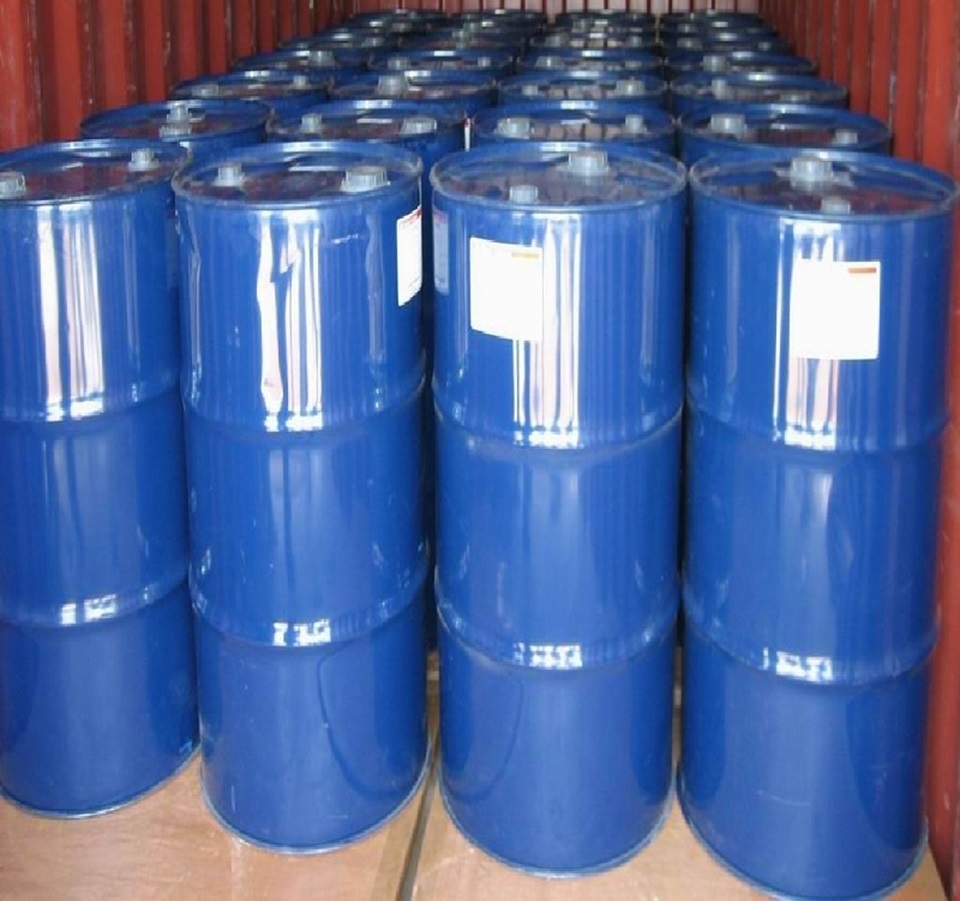
| Container Requirements | Tightly closed containers; iron drums with net weight of 150 kg for transport |
| Materials to Avoid | Strong acids, strong oxidizing agents |
| Stability | Stable under normal conditions; sensitive to air |
| Shelf Life | 24-36 months under proper storage conditions |
| Sensitivity | Air sensitive (may absorb CO₂ from air to form carbonate salt) |
| Handling Precautions | Avoid skin contact; use in well-ventilated areas; handle with appropriate personal protective equipment |
Dicyclohexylamine should be stored below +30°C in cool, dry, well-ventilated areas, away from ignition sources and incompatible materials. Containers should be tightly closed to prevent absorption of CO₂ from air, which can lead to carbonate formation. It is sensitive to air and should be protected from prolonged exposure. It is incompatible with strong acids and strong oxidizing agents. Storage should be in a cool, ventilated, dry place, isolated from fire and oxidizing agents. For transportation, it should be sealed in iron drums with a net weight of 150 kg. Handling and transportation should be in accordance with the regulations for flammable and toxic chemicals.
Handling Notes:
-
Use in well-ventilated areas
-
Avoid skin contact (can be absorbed through skin)
-
Avoid eye contact
-
Avoid inhalation of vapors
-
Use appropriate personal protective equipment
-
Ground and bond containers when transferring
-
Keep away from ignition sources
-
Do not allow to freeze (melting point ~ -2°C to -0.1°C)
13. TRANSPORT INFORMATION
| Parameter | Information |
|---|---|
| UN Number | 2565 |
| Hazard Class | 8 (Corrosive) |
| Packing Group | III |
| Proper Shipping Name | Dicyclohexylamine |
| Marine Pollutant | Yes |
| ADR/RID Class | 8 |
| IATA-DGR | Class 8, Packing Group III |
| IMDG Code | Class 8, Packing Group III |
Dicyclohexylamine is classified as a dangerous good with UN number 2565. Hazard class is 8 (Corrosive) and Packing Group III. Transport should be in properly labeled, closed containers. It is classified as a marine pollutant. During transport, keep away from strong acids and strong oxidizing agents. Proper labeling and documentation are required.
14. REGULATORY INFORMATION
| Region | Status |
|---|---|
| EU | REACH registered |
| Turkey (KKDİK) | Mandatory compliance; requires registration |
| USA (TSCA) | Listed |
| Canada (DSL) | Listed |
| Australia (AICS) | Listed |
| Japan (ENCS) | Listed |
| Korea (KECL) | Listed |
| China (IECSC) | Listed |
Regulatory Status:
| Status | Information |
|---|---|
| IARC Classification | Not classified (limited evidence of carcinogenicity) |
| HS Code | 29213000 |
| UN Number | 2565 |
| Hazard Class | 8 (Corrosive) |
| Packing Group | III |
| RTECS | HY4025000 |
| WGK Germany | 2 (hazard to water) |
| TSCA | Yes |
| EINECS | 202-980-7 |
| Maximum Allowable Concentration in Workplace Air | 10 mg/m³ |
15. OTHER NAMES AND DATABASE IDENTIFIERS
| Category | Names / Identifiers |
|---|---|
| Common Names | Dicyclohexylamine, DCHA, Dicyclo Hexyl Amine |
| Synonyms | Dodecahydro Diphenyl Amine, Dodecahydrodiphenylamine, Bis(cyclohexyl)amine, N-Cyclohexylcyclohexanamine |
| Trade/Product Names | AURORA KA-7610, Dicyclohexylamine nitrite |
| Common Names in Industry | "Boiler protection amine", "Rubber accelerator base", "Cyclamate raw material" |
Database Identifiers:
| Database | Identifier |
|---|---|
| CAS | 101-83-7 |
| EC (EINECS) | 202-980-7 |
| MDL | MFCD00003856 |
| PubChem CID | 7582 |
| RTECS | HY4025000 |
| UN | 2565 |
| HS Code | 29213000 |
| Merck | 14, 3095 |
| BRN | 605923 |
16. PHYSICAL AND CHEMICAL PROPERTIES (ISOMERS AND COMPARABLE COMPOUNDS)
| Property | Dicyclohexylamine | Cyclohexylamine | Piperidine |
|---|---|---|---|
| Formula | C₁₂H₂₃N | C₆H₁₃N | C₅H₁₁N |
| Molecular Weight | 181.32 | 99.17 | 85.15 |
| Boiling Point | 256°C | 134°C | 106°C |
| Melting Point | -2°C to -0.1°C | -17°C | -10°C |
| Density (20°C) | 0.912 g/mL | 0.867 g/mL | 0.862 g/mL |
| pKa (25°C) | 10.4 | 10.6 | 11.2 |
| Flash Point | 96°C | 28°C | 16°C |
| Water Solubility | 1 g/L | 100 g/L | Miscible |
17. ENVIRONMENTAL INFORMATION
| Parameter | Information |
|---|---|
| Aquatic Toxicity | Very toxic to aquatic organisms; may cause long-term adverse effects in aquatic environments |
| Biodegradability | Expected to be biodegradable (amine compounds) |
| Bioaccumulation | Moderate potential (LogP ~3.9) |
| Mobility in Soil | Moderate (slightly water-soluble, volatile) |
| Environmental Fate | Degraded by photochemical oxidation in atmosphere; biodegraded in soil and water |
| Waste Disposal | Incineration at permitted facility recommended; hazardous waste disposal required |
Dicyclohexylamine is very toxic to aquatic organisms and may cause long-term adverse effects in aquatic environments. It should not be released into the environment. It has a moderate potential for bioaccumulation (LogP ~3.9). It is expected to be biodegradable but should still be handled with care to prevent environmental contamination. Waste disposal should be carried out according to local, state, and federal regulations. Incineration at a permitted facility is recommended.
18. COMMON NAMES AND INDUSTRY TERMINOLOGY
| Name/Term | Description |
|---|---|
| Boiler protection amine | Common name reflecting its use as a corrosion inhibitor in steam boiler systems |
| Rubber accelerator base | Common name reflecting its use in rubber vulcanization accelerator production |
| Cyclamate raw material | Common name reflecting its use in artificial sweetener production |
| DCHA | Common abbreviation for dicyclohexylamine |
| Kazan koruyucu amin | Turkish common name meaning "boiler protection amine" |
| Kauçuk hızlandırıcı baz | Turkish common name meaning "rubber accelerator base" |
| Siklamat hammaddesi | Turkish common name meaning "cyclamate raw material" |
19. DOWNSTREAM AND UPSTREAM PRODUCTS
19.1. Raw Materials (Upstream)
| Raw Material | Description |
|---|---|
| Aniline | Primary raw material for the hydrogenation route |
| Cyclohexanone | Raw material for the reductive amination route |
| Cyclohexylamine | Intermediate for the alkylation route |
| Hydrogen | Required for hydrogenation reactions |
| Diphenylamine | Alternative raw material for the hydrogenation route |
19.2. Derivative Products (Downstream)
| Derivative | Application |
|---|---|
| Rubber Vulcanization Accelerators | Dithiocarbamates, thiurams for rubber industry |
| Sodium Cyclamate | Artificial sweetener |
| Corrosion Inhibitors | Steam boiler treatment, oil and gas production |
| Pesticides and Herbicides | Agrochemical intermediates |
| Dye Intermediates | Textile and pigment applications |
| Pharmaceutical Intermediates | Drug synthesis |
| Dicyclohexylamine Hydrochloride | Organic synthesis, pharmaceutical intermediates |
| Dicyclohexylamine Nitrite | Corrosion inhibitor |
20. SUMMARY AND CRITICAL WARNINGS
SUMMARY:
Dicyclohexylamine (DCHA, C₁₂H₂₃N, CAS 101-83-7) is a secondary alicyclic amine consisting of two cyclohexyl groups attached to a nitrogen atom. It appears as a pale yellow liquid or white to off-white crystalline powder, with a strong, penetrating amine odor. The molecular weight is 181.32 g/mol, density is 0.912 g/mL, melting point is -2°C to -0.1°C, boiling point is 256°C, and flash point is 96°C. It is slightly soluble in water (~1 g/L) but soluble in most organic solvents. It is strongly basic with a pKa of 10.4. It is produced by catalytic hydrogenation of aniline, reductive amination of cyclohexanone, or hydrogenation of diphenylamine. Major applications include rubber and plastic industry (vulcanization accelerators, antioxidants), corrosion inhibition (steam boiler systems, vapor phase inhibitors), agrochemicals (pesticide and herbicide intermediates), artificial sweetener production (cyclamate), polyurethane catalysts, textile chemicals, and organic synthesis. It is classified as a highly toxic substance with significant health hazards. It is a combustible liquid with a relatively high flash point (96°C) and moderately volatile. It is very toxic to aquatic organisms with long-lasting effects. Classified as UN 2565 (Class 8 - Corrosive, Packing Group III).
Key Properties:
| Property | Value |
|---|---|
| Appearance | Pale yellow liquid or white crystalline powder |
| Chemical Formula | C₁₂H₂₃N |
| Molecular Weight | 181.32 g/mol |
| Boiling Point | 256°C |
| Melting Point | -2°C to -0.1°C |
| Flash Point | 96°C (205°F) |
| Density (20°C) | 0.912 g/mL |
| pKa (25°C) | 10.4 |
| pH (1g/L water) | 11 |
| Water Solubility (20°C) | ~1 g/L |
| Primary Use | Rubber accelerators, corrosion inhibitors, cyclamate production |
Major Application Areas:
| Industry | Applications |
|---|---|
| Rubber and Plastics | Vulcanization accelerators, antioxidants, plasticizers |
| Corrosion Inhibition | Boiler water treatment, steam condensate systems, vapor phase inhibitors |
| Agrochemicals | Pesticides, herbicides, plant growth regulators |
| Artificial Sweeteners | Cyclamate production intermediate |
| Polyurethane | Catalyst for flexible foams |
| Textile Chemicals | Fabric softeners, processing aids, dyeing assistants |
| Other | Organic synthesis, pharmaceutical intermediates, fuel antioxidant additives |
Key Safety Points:
-
HIGHLY TOXIC: Toxic in contact with skin and if swallowed; causes severe burns
-
CORROSIVE: Causes severe skin burns and eye damage
-
ENVIRONMENTAL HAZARD: Very toxic to aquatic life with long-lasting effects
-
COMBUSTIBLE: Flash point 96°C; keep away from ignition sources
-
AIR SENSITIVE: Store under inert atmosphere if possible
-
PENETRATING ODOR: Strong amine odor; good warning property
-
CARCINOGENICITY: Limited evidence of carcinogenicity; handle with care
-
STORAGE: Store below +30°C; cool, dry, well-ventilated area; separate from acids and oxidizers
-
PPE REQUIRED: Chemical-resistant gloves, goggles, protective clothing, respiratory protection if ventilation is inadequate
CRITICAL WARNINGS:
Industrial Importance: Dicyclohexylamine is a versatile chemical intermediate with multiple industrial applications. Its most significant uses are in rubber vulcanization accelerator production, corrosion inhibition in steam boiler systems, and cyclamate production for artificial sweeteners. The rubber industry uses DCHA-based accelerators for tire and rubber product manufacturing. The corrosion inhibition application, where DCHA is known as "boiler protection amine," is crucial for maintaining the integrity of steam boiler systems and condensate return lines in power plants and industrial facilities. The cyclamate production application, while significant, has been affected by regulatory restrictions on artificial sweeteners in some regions.
Health Hazards: Dicyclohexylamine is highly toxic and corrosive. It is absorbed through the skin and can cause skin allergy and gangrene in severe cases. Vapors can cause nausea and anesthesia. Limited evidence suggests it may cause cancer. The maximum allowable concentration in workplace air is 10 mg/m³. Production equipment should be sealed to prevent leaks. The operation site should be force-ventilated, and operators should wear protective equipment. In case of contact with eyes or skin, rinse immediately with plenty of water and seek medical advice.
Corrosive Properties: Dicyclohexylamine is classified as a corrosive substance (Class 8). It can cause severe skin burns and eye damage. It reacts with acids to form salts, which can be corrosive as well. Contact with skin and eyes should be avoided at all costs. Proper personal protective equipment (PPE) is mandatory when handling this substance.
Environmental Impact: Dicyclohexylamine is very toxic to aquatic organisms and may cause long-term adverse effects in aquatic environments. Its release into the environment should be prevented. It has moderate potential for bioaccumulation (LogP ~3.9). Waste disposal should be carried out in accordance with local, state, and federal regulations. Incineration at a permitted facility is recommended.
Storage and Handling: Dicyclohexylamine should be stored below +30°C in cool, dry, well-ventilated areas, away from ignition sources and incompatible materials. It is sensitive to air and should be protected from prolonged exposure. It is incompatible with strong acids and strong oxidizing agents. Containers should be tightly closed to prevent absorption of CO₂ from air, which can lead to carbonate formation. For transportation, it should be sealed in iron drums with a net weight of 150 kg. Handling and transportation should be in accordance with the regulations for flammable and toxic chemicals.
Reactivity: As a secondary amine, dicyclohexylamine undergoes salt formation with acids, alkylation, acylation, and reaction with carbon disulfide. It forms complexes with metal ions. It should be kept away from strong acids and strong oxidizing agents, as it can react violently with them. It can absorb CO₂ from air to form carbonate salts, so containers should be kept tightly closed.
Important Disclaimer: This Technical Data Sheet (TDS) is for informational purposes only. The information provided is based on available data and is believed to be accurate. However, the user is solely responsible for determining the suitability of the product for their specific application and for complying with all applicable regulations and safety requirements. For complete safety, handling, storage, and regulatory compliance information, always refer to the official Safety Data Sheet (SDS/MSDS) provided by the manufacturer/supplier. Users are responsible for testing the product in their own processes and applications. All local, national, and international regulations must be followed when working with dicyclohexylamine.