We unleash your business potential by maximize the business innovation.
Send EmailXylene, Xylol, Mixed Xylene, Dimethylbenzene, Xylene Low Cumene, 1330-20-7
XYLENE MIXTURE
Xylene / Xylol / Dimethylbenzene / Xylene Mixture (m-xylene, o-xylene, p-xylene) / Xylene Low Cumene
CAS Number: 1330-20-7
EC Number: 215-535-7
1. PRODUCT IDENTIFICATION AND CHEMICAL IDENTITY
| Parameter | Description |
|---|---|
| Chemical Name | Xylene Mixture (m-xylene, o-xylene, p-xylene) |
| Other Names | Xylol, Dimethylbenzene, Total Xylenes, Mixed Xylenes, NAPHTHA SOLVENT |
| CAS Number | 1330-20-7 |
| EINECS | 215-535-7 |
| Molecular Formula | C₈H₁₀ |
| Molecular Weight | 106.17 g/mol |
| Chemical Class | Aromatic hydrocarbon |
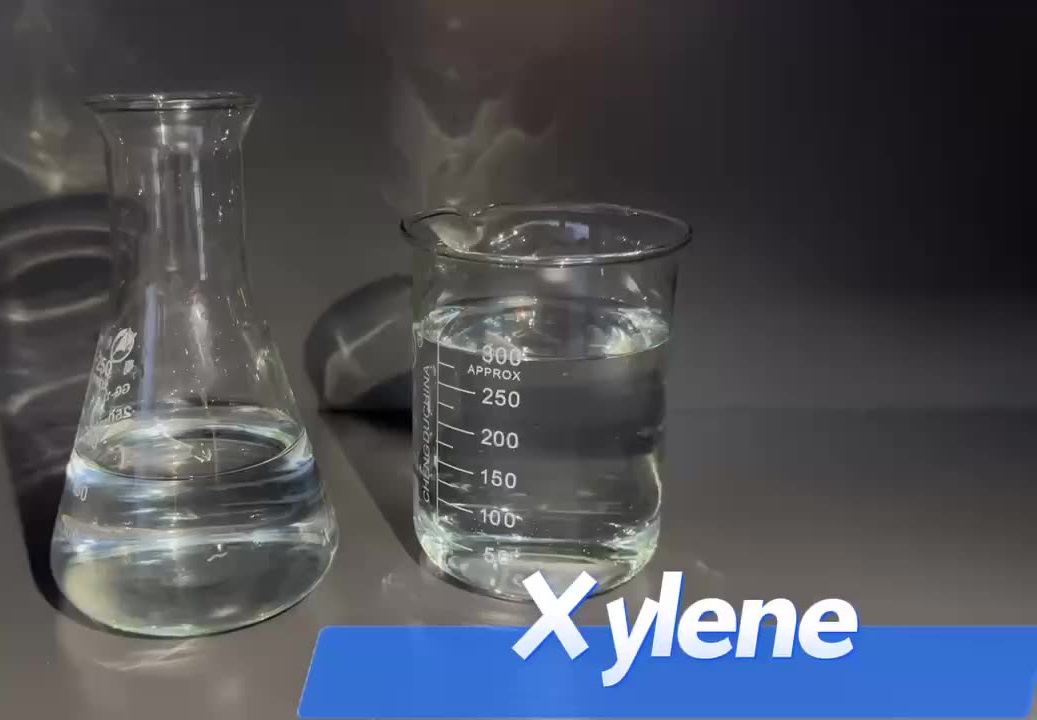
| Appearance | Colorless, clear liquid |
| Odor | Characteristic aromatic odor |
Xylene is an aromatic hydrocarbon formed by the substitution of two hydrogen atoms on the benzene ring with methyl groups. It consists of three isomers (ortho-xylene, meta-xylene, and para-xylene) and ethylbenzene. Commercial xylene generally refers to a mixture of these three isomers and ethylbenzene in varying proportions. It is a colorless, clear liquid with a characteristic aromatic odor. It is miscible with ethanol, ether, chloroform, and other organic solvents, but insoluble in water. Xylene, together with benzene and toluene, is one of the most important aromatic hydrocarbons and is among the fundamental building blocks of the chemical industry. Although the chemical properties of the three isomers are similar, their physical properties and industrial applications differ. A typical commercial xylene mixture contains approximately 50-60% meta-xylene, 20-25% ortho-xylene, 20-25% para-xylene, and 5-15% ethylbenzene.
2. PHYSICAL AND CHEMICAL PROPERTIES
| Property | Value |
|---|---|
| Physical State | Liquid |
| Appearance | Colorless, clear liquid |
| Odor | Characteristic aromatic odor |
| Molecular Formula | C₈H₁₀ |
| Molecular Weight | 106.17 g/mol |
| Density (25°C) | 0.86 g/mL |
| Melting Point | -34 °C |
| Boiling Point | 137-140 °C (lit.) |
| Flash Point | 25 °C (77°F) (lit.) |
| Autoignition Temperature | 464 °C (867 °F) |
| Explosive Limit (Upper) | 7% (by volume) |
| Vapor Pressure (37.7°C) | 18 mm Hg |
| Vapor Density (Air=1) | 3.7 (heavier than air) |
| Refractive Index (n20/D) | 1.497 (lit.) |
| Water Solubility | Insoluble |
| Solubility | Miscible with ethanol, ether, chloroform, and other organic solvents |
| Color (APHA) | ≤10 |
| LogP (20°C) | 3.16 |
Xylene is a colorless, clear liquid with a characteristic aromatic odor. It has a density of 0.86 g/mL at 25°C, making it lighter than water. The melting point is -34°C, and the boiling point ranges from 137-140°C. The flash point is 25°C (77°F), which classifies it as a moderately flammable liquid, though less flammable than benzene and toluene. The autoignition temperature is 464°C (867°F), which is important for fire safety. The upper explosive limit is 7% by volume; the lower explosive limit is typically around 1.1%. The vapor pressure is 18 mm Hg at 37.7°C, indicating moderate volatility. The vapor density is 3.7 (air=1), meaning its vapor is approximately 3.7 times heavier than air and may accumulate in low-lying areas. The refractive index is 1.497. It is insoluble in water but completely miscible with ethanol, ether, chloroform, and other organic solvents. The LogP value of 3.16 indicates moderate lipophilicity and potential for accumulation in fatty tissues.
3. XYLENE ISOMERS
Xylene consists of three isomers based on the position of the two methyl groups on the benzene ring. Ethylbenzene also has the same molecular formula and is considered an isomer of xylene. Commercial xylene is a mixture of these four compounds in varying proportions.
| Isomer | Chemical Name | Structure | Boiling Point | Melting Point | Density (20°C) | Application |
|---|---|---|---|---|---|---|
| o-Xylene | 1,2-Dimethylbenzene | Methyl groups adjacent | 144.4°C | -25.2°C | 0.880 g/mL | Phthalic anhydride production |
| m-Xylene | 1,3-Dimethylbenzene | Methyl groups spaced | 139.1°C | -47.9°C | 0.864 g/mL | Isophthalic acid, dyes, fragrances |
| p-Xylene | 1,4-Dimethylbenzene | Methyl groups opposite | 138.4°C | 13.3°C | 0.861 g/mL | Terephthalic acid, polyester fiber (PET) |
| Ethylbenzene | Ethylbenzene | Ethyl group | 136.2°C | -95.0°C | 0.867 g/mL | Styrene monomer production |
The chemical properties of the three xylene isomers are similar, but their physical properties and reactivities differ. These differences play a determining role in industrial separation processes and specific applications. The significantly higher melting point of p-xylene (13.3°C) compared to other isomers makes separation by crystallization possible. The higher boiling point of o-xylene compared to others allows separation by distillation. m-Xylene is the most abundant isomer and typically constitutes 50-60% of the mixture.
Isomer Chemical Reactivity:
The aromatic ring of all three isomers can undergo electrophilic substitution reactions in the presence of catalysts. The methyl groups on the side chain can be converted to carboxylic acids (phthalic acid, isophthalic acid, terephthalic acid) by catalytic oxidation. m-Xylene and p-Xylene produce isophthalic acid and terephthalic acid respectively upon oxidation, while o-Xylene produces phthalic anhydride. All three isomers can react with ammonia and oxygen to form phthalonitrile derivatives. o-Xylene, m-Xylene, and p-Xylene can be isomerized with each other. During thermal condensation, poly-p-dimethylbenzene is formed. All three can form complexes and are combustible.
4. DETAILED PHYSICAL AND CHEMICAL PROPERTIES
| Property | Value |
|---|---|
| Molecular Formula | C₈H₁₀ |
| Molecular Weight | 106.17 g/mol |
| Melting Point Range | -47.9°C (m) to 13.3°C (p) |
| Boiling Point Range | 136-144°C (depending on isomer) |
| Flash Point (Closed Cup) | 25°C (77°F) |
| Autoignition Temperature | 464°C (867°F) |
| Explosive Limits (Lower/Upper) | 1.1% / 7.0% (by volume) |
| Vapor Pressure (20°C) | ~6-9 mm Hg |
| Vapor Pressure (37.7°C) | 18 mm Hg |
| Vapor Density (Air=1) | 3.7 |
| Refractive Index (n20/D) | 1.497 |
| Dielectric Constant (25°C) | 2.4 |
| Surface Tension | 28.8 mN/m (20°C) |
| Viscosity (20°C) | 0.62 mPa·s |
| Specific Heat | 1.72 J/g·K |
| Heat of Vaporization | ~36 kJ/mol |
| Water Solubility (25°C) | ~175 mg/L (very slight) |
| Organic Solvent Solubility | Completely miscible with ethanol, ether, acetone, benzene, chloroform |
| LogP (20°C) | 3.16 |
| Henry's Law Constant (25°C) | 0.7-1.0 atm·m³/mol |
| Odor Threshold | 0.2-1.0 ppm |
The physical properties of xylene show slight variations depending on the isomeric composition. The boiling point of commercial xylene mixture ranges from 137-140°C, reflecting the boiling points of the isomers. The flash point is 25°C (77°F), indicating that xylene is less flammable than benzene and toluene but still requires careful handling. Vapor pressure increases with temperature, reaching 18 mm Hg at 37.7°C. The vapor density of 3.7 indicates that its vapor is heavier than air and can accumulate at ground level in enclosed spaces. Viscosity is low (0.62 mPa·s), making it easy to pump and mix. Water solubility is very low (175 mg/L), but it is completely miscible with most organic solvents. The LogP value of 3.16 indicates moderate lipophilicity and potential for accumulation in fatty tissues.
5. CHEMICAL PROPERTIES AND REACTIONS
Xylene, as an aromatic hydrocarbon, exhibits the characteristic reactions of the benzene ring. The presence of methyl groups increases electron density on the ring, facilitating electrophilic substitution reactions.
Oxidation Reactions:
Xylene isomers can be converted to carboxylic acids or anhydrides by catalytic oxidation. These reactions form the basis of xylene's most important industrial applications:
-
o-Xylene → Phthalic Anhydride: o-Xylene is oxidized with atmospheric oxygen in the presence of vanadium pentoxide (V₂O₅) catalyst to produce phthalic anhydride. This is the primary production method for phthalic anhydride.
-
m-Xylene → Isophthalic Acid: m-Xylene is converted to isophthalic acid by catalytic oxidation. Isophthalic acid is an important raw material for polyester resins and coatings.
-
p-Xylene → Terephthalic Acid: p-Xylene is converted to terephthalic acid by catalytic oxidation. Terephthalic acid is the primary raw material for PET (polyethylene terephthalate) production and is used in polyester fiber, bottle, and film production.
Sulfonation:
Xylene reacts with sulfuric acid to form sulfonic acid derivatives. This reaction is one of the methods used for separating isomers. m-Xylene is more easily sulfonated than p-Xylene, and this property is utilized in the separation of m-xylene.
Nitration:
Xylene can be nitrated with a mixture of nitric acid and sulfuric acid to produce nitroxylene derivatives. These derivatives are used in the synthesis of dyes, explosives, and pharmaceutical intermediates.
Halogenation:
Xylene reacts with chlorine or bromine to form halogenated derivatives. This reaction can occur on the side chain or on the ring, depending on UV light or catalyst presence.
Friedel-Crafts Alkylation and Acylation:
Xylene undergoes Friedel-Crafts reactions to add alkyl or acyl groups. These reactions are used in the synthesis of various alkylbenzene and acylbenzene derivatives.
6. PRODUCTION METHODS
Xylene is obtained primarily from two main sources: petroleum refining and coal tar.
| Method | Raw Material | Process Description |
|---|---|---|
| Petroleum Refining (Catalytic Reforming) | Naphtha (petroleum fraction) | Naphtha is passed over a platinum catalyst for catalytic reforming. The resulting reformate is fractionated by distillation. The C₈ fraction contains xylene isomers and ethylbenzene. This fraction is purified by liquid-liquid extraction or distillation. |
| Coal Tar Distillation | Coal tar (coke production byproduct) | Coal tar is fractionated by distillation. The middle oil fraction contains benzene, toluene, and xylene. This fraction is purified by acid and alkali washing, followed by distillation to obtain xylene. |
| Petroleum Cracking | Petroleum fractions | Xylene is obtained from pyrolysis gasoline, a byproduct of petroleum cracking processes. |
Detailed Production Process (Petroleum Refining):
-
Catalytic Reforming: Naphtha (boiling point approximately 138°C) is passed over a platinum-containing catalyst to convert it to aromatic hydrocarbons. This process produces benzene, toluene, and xylene.
-
Distillation: The reformate is fractionated by distillation. C₆ fraction (benzene), C₇ fraction (toluene), and C₈ fraction (xylene and ethylbenzene) are obtained.
-
Extraction: The C₈ fraction is separated into aromatic and aliphatic components by liquid-liquid extraction. The aromatic fraction contains xylene and ethylbenzene.
-
Purification: The aromatic fraction is separated into xylene isomers and ethylbenzene by distillation. o-Xylene can be separated by distillation due to its higher boiling point. p-Xylene can be separated by crystallization due to its lower melting point. m-Xylene can be separated by methods such as sulfonation or adsorption.
Coal Tar Method:
Coal tar is a byproduct of coke production. The tar is fractionated by distillation into various fractions. The middle oil fraction (200-230°C) contains benzene, toluene, and xylene. This fraction is purified by acid and alkali washing, followed by distillation to obtain xylene. Xylene from coal tar generally contains a higher proportion of m-xylene compared to that from petroleum refining.
7. APPLICATIONS AND INDUSTRIAL USES
Xylene is a versatile organic solvent and chemical intermediate with a wide range of applications. Its most important applications include the paint and coating industry, plastics and synthetic fiber production, and pharmaceutical and agricultural chemicals.
7.1. Solvent Applications
| Application | Description |
|---|---|
| Paints and Coatings | Widely used as a solvent for paints, varnishes, lacquers, and enamels. Used in automotive paints, industrial coatings, and colored metal applications. |
| Printing Inks | Used as a solvent in offset and gravure printing inks. |
| Adhesives | Used as a solvent for rubber-based adhesives and industrial adhesives. |
| Cleaning Agents | Used for cleaning electronic components, precision optical instruments, and metal parts. |
| Leather and Textile | Used as a finishing agent in leather processing and in textile degreasing operations. |
7.2. Chemical Intermediate Applications
| Isomer | Derivative | Application |
|---|---|---|
| o-Xylene | Phthalic Anhydride | Plasticizers, alkyd resins, polyester resins, dyes, pharmaceuticals |
| m-Xylene | Isophthalic Acid | Polyester resins, coatings, dyes, adhesives |
| m-Xylene | Musk Xylene (synthetic fragrance) | Perfume and cosmetic industry |
| p-Xylene | Terephthalic Acid | PET (polyethylene terephthalate), polyester fiber, bottles, film |
| p-Xylene | Dimethyl Terephthalate | Polyester production |
| Ethylbenzene | Styrene | Polystyrene, ABS, SBR, rubber, plastics |
p-Xylene and Terephthalic Acid: p-Xylene is the primary raw material for terephthalic acid production. Terephthalic acid is used in PET (polyethylene terephthalate) production, which is used in polyester fiber, bottles, film, and packaging materials. PET is one of the world's most widely used polymers with a massive market in textiles, packaging, and bottle industries.
o-Xylene and Phthalic Anhydride: o-Xylene is the primary raw material for phthalic anhydride production. Phthalic anhydride is used in the production of plasticizers (especially PVC plasticizers), alkyd resins, polyester resins, and dyes.
m-Xylene: m-Xylene is used in isophthalic acid production. Isophthalic acid is used in the production of polyester resins, coatings, dyes, and adhesives. Additionally, m-xylene is nitrated and reduced to produce 4,6-dimethyl-1,3-phenylenediamine, which is used in dye synthesis.
7.3. Other Applications
| Application | Description |
|---|---|
| Aviation Fuels | Used as an octane enhancer in aviation gasoline. |
| Pharmaceutical Industry | Used as a solvent and intermediate in the synthesis of certain drugs. |
| Agricultural Chemicals | Used as a solvent and intermediate in pesticide and herbicide production. |
| Laboratory Applications | Used as a microscope cleaner, chromatography solvent, and reagent. |
| Rubber Industry | Used as a solvent in rubber processing. |
8. HEALTH EFFECTS AND TOXICOLOGY
Xylene is less toxic than benzene and toluene but still presents significant health risks. It is classified as moderately toxic, and its percutaneous absorption is minimal.
8.1. Toxicological Data
| Parameter | Value |
|---|---|
| Oral LD50 (Rat) | 4,300 mg/kg |
| Oral LD50 (Mouse) | 2,119 mg/kg |
| Inhalation LC50 (Mouse) | 6,000 ppm |
| Skin Irritation (Rabbit) | Moderate (500 mg/24 hours) |
| Eye Irritation (Rabbit) | Severe (5 mg/24 hours) |
| ACGIH TLV-TWA | 100 ppm |
| ACGIH TLV-STEL | 150 ppm |
| OSHA PEL-TWA | 100 ppm (435 mg/m³) |
| IARC Classification | Group 3 (not classifiable as to carcinogenicity to humans) |
8.2. Health Effects
Acute Exposure:
| Concentration | Effects |
|---|---|
| 100-200 ppm | Eye, nose, and throat irritation, headache, dizziness |
| 200-500 ppm | Nausea, vomiting, coordination impairment, confusion |
| >500 ppm | Anesthesia, loss of consciousness, respiratory depression |
| >5,000 ppm | Potentially fatal |
Inhalation of high concentrations of xylene vapor causes irritation to the eyes and upper respiratory tract, headache, dizziness, nausea, vomiting, and coordination impairment. At very high concentrations, it exhibits anesthetic effects on the central nervous system and can lead to loss of consciousness. Contact of liquid xylene with the eyes can cause severe irritation and corneal damage. Skin contact can cause dryness, cracking, and dermatitis.
Chronic Exposure:
Long-term occupational exposure (≥100 ppm) can cause the following chronic health effects:
-
Neurasthenia Syndrome: Headache, fatigue, sleep disturbances, memory and concentration difficulties.
-
Autonomic Nervous System Dysfunction: Sweating disorders, heart palpitations, dizziness.
-
Liver and Kidney Effects: Impaired liver and kidney function with prolonged high-level exposure.
-
Menstrual Disorders in Women: Long-term exposure may cause menstrual irregularities in women.
-
Skin Effects: Dry skin, cracking, dermatitis.
8.3. Metabolism and Excretion
Xylene enters the body primarily through the respiratory tract. Lung absorption is 60-70% for all isomers. Xylene can also be absorbed through the skin; the absorption rate of liquid xylene through the skin averages 2.25 µg/(cm³·min). Absorption of xylene vapor through the skin is negligible compared to direct liquid contact.
All three isomers of xylene are metabolized in the body to the corresponding methylbenzoic acids (60% of o-xylene, 80-90% of m- and p-xylene). These acids are conjugated with glucuronic acid and glycine to form methylhippuric acids, which are excreted in urine. 3-6% of inhaled xylene is exhaled directly. A small amount (less than 2%) may be converted to the corresponding xylenol (phenol) and hydrogenated 2-methyl-3-hydroxybenzoic acid.
The half-life of xylene is approximately 0.5-1 hour, and nearly all of it is eliminated from the body within 18 hours after exposure ceases. Determination of methylhippuric acid in urine is the best biological monitoring method for xylene exposure.
9. COMPARISON OF BENZENE, TOLUENE, AND XYLENE
| Property | Benzene | Toluene | Xylene |
|---|---|---|---|
| Formula | C₆H₆ | C₇H₈ | C₈H₁₀ |
| Molecular Weight | 78.11 | 92.14 | 106.17 |
| Boiling Point | 80.1°C | 110.6°C | 137-140°C |
| Flash Point | -11°C | 4°C | 25°C |
| Toxicity | High | Moderate | Low-Moderate |
| IARC Classification | Group 1 (Carcinogenic) | Group 3 (Not classifiable) | Group 3 (Not classifiable) |
| Applications | Chemical intermediate | Solvent, intermediate | Solvent, intermediate |
Benzene, toluene, and xylene have similar physical properties but differ significantly in toxicity and applications. Benzene is the most toxic and is a known human carcinogen (IARC Group 1), causing leukemia. Therefore, the use of benzene-containing products is strictly regulated. Toluene has toxicity levels between benzene and xylene and has been used in recent years as a substitute for benzene as a solvent for rubber and resins. Xylene has the lowest toxicity among the three and is widely used as a solvent in paints, pesticides, and other applications.
10. ENVIRONMENTAL INFORMATION
| Parameter | Information |
|---|---|
| Aquatic Toxicity | Toxic to aquatic organisms; may cause long-term adverse effects |
| Biodegradability | Biodegradable under aerobic conditions (slower than volatilization) |
| Bioaccumulation | Low-moderate potential (LogP 3.16) |
| Mobility in Soil | Moderate (volatile, slightly water-soluble) |
| Environmental Fate | Strong volatilization tendency in water; not persistent in surface water; photolysis in atmosphere; biological degradation |
| Waste Disposal | According to local regulations; incineration recommended; hazardous waste disposal required |
Xylene is a substance that requires careful environmental management. It is toxic to aquatic organisms and may cause long-term adverse effects in aquatic environments. Due to its strong volatilization tendency in water, it is not considered a persistent pollutant in surface water. Xylene released to the atmosphere is degraded by photolysis. Biodegradation of xylene in the environment is possible, but this process is much slower than volatilization.
Environmental Standards:
| Standard | Value |
|---|---|
| China (TJ36-79) - Workplace Air | 100 mg/m³ (xylene) |
| China - Residential Area Air | 0.30 mg/m³ (daily average) |
| China - Drinking Water Sources | 0.5 mg/L (xylene) |
| China - Surface Water Quality Standard | 0.5 mg/L (Class I, II, III waters) |
| China - Wastewater Discharge Standard (Class I) | 0.4 mg/L |
| China - Wastewater Discharge Standard (Class II) | 0.6 mg/L |
| China - Wastewater Discharge Standard (Class III) | 1.0 mg/L |
Waste containing xylene should be disposed of according to local regulations. Incineration is generally the recommended disposal method. Discharge to sewers, drains, and water bodies should be avoided.
11. SAFETY INFORMATION (GHS CLASSIFICATION)
| Hazard Class | Category |
|---|---|
| Flammable Liquid | Category 3 (H226) |
| Acute Toxicity - Inhalation | Category 4 (H332) |
| Skin Irritation | Category 2 (H315) |
| Eye Irritation | Category 2 (H319) |
| Aspiration Hazard | Category 1 (H304) |
| Specific Target Organ Toxicity - Single Exposure | Category 3 (H335) |
| Aquatic Chronic Toxicity | Category 2 (H411) |
Signal Word: WARNING
Hazard Statements (H-Codes):
| Code | Statement |
|---|---|
| H226 | Flammable liquid and vapor |
| H304 | May be fatal if swallowed and enters airways |
| H315 | Causes skin irritation |
| H319 | Causes serious eye irritation |
| H332 | Harmful if inhaled |
| H335 | May cause respiratory irritation |
| H411 | Toxic to aquatic life with long-lasting effects |
12. PRECAUTIONARY STATEMENTS (P-CODES)
| Code | Statement |
|---|---|
| P210 | Keep away from heat, hot surfaces, sparks, open flames and other ignition sources. No smoking |
| P233 | Keep container tightly closed |
| P240 | Ground and bond container and receiving equipment |
| P241 | Use explosion-proof electrical, ventilating, and lighting equipment |
| P261 | Avoid breathing dust, fumes, gas, vapor, or spray |
| P271 | Use only outdoors or in a well-ventilated area |
| P280 | Wear protective gloves, protective clothing, eye/face protection |
| P301+P310 | IF SWALLOWED: Immediately call a POISON CENTER or doctor |
| P303+P361+P353 | IF ON SKIN (or hair): Remove immediately all contaminated clothing. Rinse skin with water/shower |
| P304+P340 | IF INHALED: Remove person to fresh air and keep comfortable for breathing |
| P331 | Do NOT induce vomiting |
| P332+P313 | If skin irritation occurs: Get medical attention |
| P337+P313 | If eye irritation persists: Get medical attention |
| P403+P233 | Store in a well-ventilated place. Keep container tightly closed |
| P403+P235 | Store in a well-ventilated place. Keep cool |
| P405 | Store locked up |
| P501 | Dispose of contents/container in accordance with local/regional/national/international regulations |
13. FIRST AID MEASURES
| Exposure Route | Action |
|---|---|
| Inhalation | Move person to fresh air immediately. If breathing is difficult, give oxygen. If breathing has stopped, perform artificial respiration. Seek immediate medical attention. |
| Skin Contact | Remove contaminated clothing. Wash affected area with plenty of soap and water for at least 15 minutes. If irritation persists, seek medical attention. |
| Eye Contact | Rinse immediately with plenty of water for at least 15 minutes. Remove contact lenses if present. Keep eyelids open. Seek immediate medical attention. |
| Ingestion | Do NOT induce vomiting. Aspiration hazard may cause chemical pneumonia. Rinse mouth with water. Seek immediate medical attention. Liquid paraffin may be recommended (under medical supervision). |
| Note to Physicians | Aspiration of liquid xylene into the lungs can cause chemical pneumonitis. Supportive care is the primary treatment. |
14. FIREFIGHTING MEASURES
| Parameter | Information |
|---|---|
| Fire Hazard | Flammable liquid; vapor-air mixtures may be explosive |
| Flash Point | 25°C (77°F) |
| Autoignition Temperature | 464°C (867°F) |
| Explosive Limits (Lower/Upper) | 1.1% / 7.0% (by volume) |
| Extinguishing Media | Dry chemical powder, carbon dioxide (CO₂), alcohol-resistant foam, water fog, sand |
| Special Hazards | Vapors are heavier than air and may travel to ignition sources; thermal decomposition produces irritating smoke |
| Protective Equipment | Self-contained breathing apparatus (SCBA), full protective clothing |
| Firefighting Instructions | Cool containers with water spray from a safe distance. Do not use direct water jet (can spread fire). Do not inhale vapors, fumes, or gases during fire. |
15. ACCIDENTAL RELEASE MEASURES
| Parameter | Information |
|---|---|
| Personal Protection | Wear appropriate PPE (chemical-resistant gloves, goggles, protective clothing, respiratory protection) |
| Ventilation | Increase ventilation; evacuate area if necessary |
| Ignition Sources | Eliminate all ignition sources; use explosion-proof equipment |
| Containment | Stop source if safe; dike or absorb to prevent spread |
| Absorption Materials | Inert absorbent materials (sand, vermiculite, commercial absorbents) |
| Large Spills | Contact emergency services; use foam to suppress vapors |
| Environmental Precautions | Prevent entry into drains, sewers, and water bodies; toxic to aquatic organisms |
| Waste Disposal | Dispose of according to local regulations; incineration recommended |
16. STORAGE AND HANDLING
| Parameter | Information |
|---|---|
| Storage Conditions | Cool, dry, well-ventilated area; fire-protected area |
| Container Requirements | Tightly closed containers; grounded containers |
| Materials to Avoid | Heat, sparks, open flames, strong oxidizing agents |
| Temperature | Storage temperature: room temperature (below 25°C) |
| Shelf Life | 24-36 months under proper conditions |
| Static Charge | Grounding required to prevent static electricity accumulation |
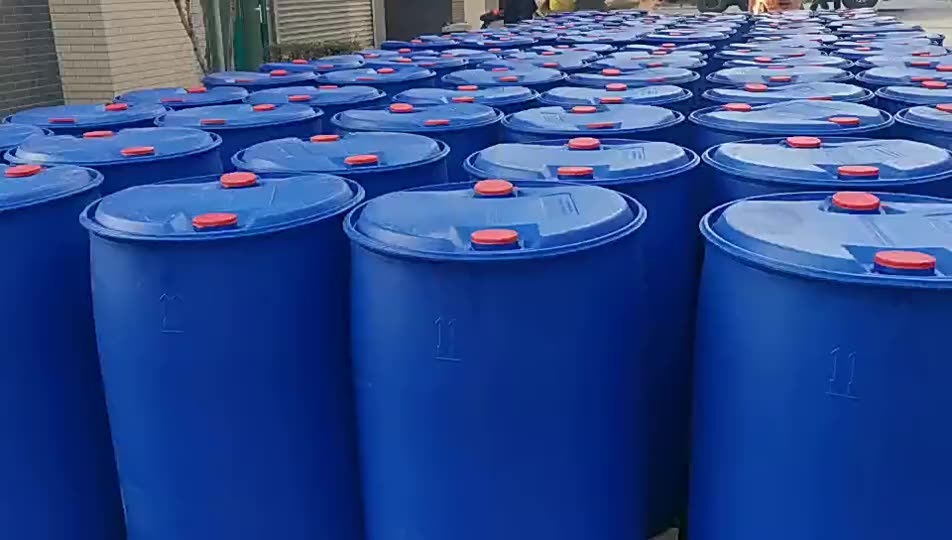
| Packaging | Steel drums, plastic containers, IBC tanks, tankers |
Xylene should be stored in cool, dry, well-ventilated areas, away from heat, sparks, open flames, and other ignition sources. Storage should be in fire-protected areas. It should be stored separately from strong oxidizing agents. All containers and equipment should be grounded to prevent static electricity accumulation. Explosion-proof electrical equipment should be used. Containers should be kept tightly closed and properly labeled. Empty containers may contain vapors and present fire and explosion hazards.
Handling Notes:
-
Use in well-ventilated areas
-
Keep away from ignition sources
-
Avoid static electricity accumulation
-
Avoid contact with eyes, skin, and clothing
-
Avoid breathing mist, vapor, or spray
-
Use only with appropriate personal protective equipment
-
Avoid release to the environment
17. TRANSPORT INFORMATION
| Parameter | Information |
|---|---|
| UN Number | 1307 |
| Hazard Class | 3 (Flammable Liquid) |
| Packing Group | II |
| Proper Shipping Name | Xylenes |
| Marine Pollutant | Yes |
| ADR/RID Class | 3 |
| IATA-DGR | Class 3, Packing Group II |
| IMDG Code | Class 3, Packing Group II |
Xylene is classified as a dangerous good with UN number 1307. Hazard class is 3 (Flammable Liquid) and Packing Group II. During transport, it should be kept away from heat, sparks, open flames, and other ignition sources. Containers should be grounded and bonded. It is classified as a marine pollutant. Proper labeling and documentation are required during transport.
18. REGULATORY INFORMATION
| Region | Status |
|---|---|
| EU | REACH registered |
| Turkey (KKDİK) | Mandatory compliance; requires registration |
| USA (TSCA) | Listed |
| Canada (DSL) | Listed |
| Australia (AICS) | Listed |
| Japan (ENCS) | Listed |
| Korea (KECL) | Listed |
| China (IECSC) | Listed |
Regulatory Status:
| Status | Information |
|---|---|
| IARC Classification | Group 3 (not classifiable as to carcinogenicity to humans) |
| HS Code | 29024400 |
| UN Number | 1307 |
| Hazard Class | 3 (Flammable Liquid) |
| Packing Group | II |
| RTECS | ZE2100000 |
| WGK Germany | 2 (hazard to water) |
| TSCA | Yes |
| EINECS | 215-535-7 |
19. OTHER NAMES AND DATABASE IDENTIFIERS
| Category | Names / Identifiers |
|---|---|
| Common Names | Xylene, Xylol, Dimethylbenzene, Mixed Xylenes |
| Synonyms | Total Xylenes, m-,p-,o-Xylene, o-,m-,p-Xylene, NAPHTHA SOLVENT, SEALIT SEALANT, SCINTILENE COCKTAIL, SCINTIVERSE COCKTAIL |
| Trade/Product Names | Xylene Low Cumene, Xylene Mixture, Socal aquatic solvent 3501 |
Database Identifiers:
| Database | Identifier |
|---|---|
| CAS | 1330-20-7 |
| EC (EINECS) | 215-535-7 |
| MDL | MFCD00077264 |
| PubChem CID | 7237 |
| RTECS | ZE2100000 |
| UN | 1307 |
| HS Code | 29024400 |
| Merck | 14, 10081 |
| BRN | 1901563 |
20. SUMMARY AND CRITICAL WARNINGS
SUMMARY:
Xylene (C₈H₁₀, CAS 1330-20-7) is an aromatic hydrocarbon consisting of a mixture of three isomers (o-xylene, m-xylene, p-xylene) and ethylbenzene. It is a colorless, clear liquid with a characteristic aromatic odor. The molecular weight is 106.17 g/mol, density is 0.86 g/mL, boiling point is 137-140°C, and flash point is 25°C. It is miscible with ethanol, ether, chloroform, and other organic solvents, but insoluble in water. It is produced by petroleum refining and coal tar distillation. Its most important applications include paint and coating solvent, chemical intermediate (phthalic anhydride, terephthalic acid, isophthalic acid), plastics and synthetic fiber production, and pharmaceutical and agricultural chemicals. From a health perspective, it is moderately toxic; acute exposure causes respiratory tract irritation, headache, dizziness, and nausea, while chronic exposure can lead to neurasthenia syndrome and autonomic nervous system dysfunction. It is classified as IARC Group 3 (not classifiable as to carcinogenicity to humans). It is a flammable liquid and toxic to aquatic organisms. It is classified as UN 1307 (Class 3 - Flammable Liquid).
Key Properties:
| Property | Value |
|---|---|
| Appearance | Colorless, clear liquid |
| Chemical Formula | C₈H₁₀ |
| Molecular Weight | 106.17 g/mol |
| Boiling Point | 137-140°C |
| Flash Point | 25°C (77°F) |
| Density (25°C) | 0.86 g/mL |
| Vapor Density (Air=1) | 3.7 |
| Water Solubility | Insoluble |
| Primary Use | Solvent, chemical intermediate |
Major Application Areas:
| Industry | Applications |
|---|---|
| Paints and Coatings | Solvent for paints, varnishes, lacquers, enamels |
| Plastics and Fibers | PET, polyester, phthalic anhydride, terephthalic acid production |
| Chemical Industry | Organic synthesis, intermediates |
| Pharmaceutical | Drug synthesis, solvent |
| Agriculture | Pesticide and herbicide production |
| Cleaning | Electronics, metal, precision instrument cleaning |
Toxicological Summary:
| Parameter | Value |
|---|---|
| ACGIH TLV-TWA | 100 ppm |
| OSHA PEL-TWA | 100 ppm (435 mg/m³) |
| Oral LD50 (Rat) | 4,300 mg/kg |
| IARC Classification | Group 3 |
| Primary Health Effect | Respiratory irritation, headache, dizziness, narcotic effects |
Key Safety Points:
-
FLAMMABLE: Flash point 25°C; keep away from all ignition sources
-
EXPLOSIVE MIXTURES: Forms explosive mixtures with air (1.1-7.0%); use explosion-proof equipment
-
IRRITANT: Causes irritation to skin, eyes, and respiratory tract
-
ASPIRATION HAZARD: May be fatal if swallowed and enters airways; do NOT induce vomiting
-
ENVIRONMENTAL HAZARD: Toxic to aquatic life with long-lasting effects
-
STORAGE: Store in cool, well-ventilated area away from ignition sources
-
PPE REQUIRED: Protective gloves, goggles, protective clothing, respiratory protection if ventilation is inadequate
CRITICAL WARNINGS:
Industrial Importance: Xylene is one of the most important intermediates in the chemical industry. p-Xylene is used in the production of terephthalic acid, the primary raw material for PET (polyethylene terephthalate), which forms the foundation of the textile, packaging, and bottle industries. o-Xylene is used in phthalic anhydride production, which is used in the production of plasticizers, resins, and dyes. m-Xylene is used in isophthalic acid production, which is important for polyester resins and coatings.
Health Risks: Xylene is less toxic than benzene and toluene but still presents significant health risks. Acute exposure causes respiratory tract irritation, headache, dizziness, and nausea. At high concentrations, it exhibits narcotic effects on the central nervous system. Chronic exposure can lead to neurasthenia syndrome, autonomic nervous system dysfunction, and liver and kidney effects. Determination of methylhippuric acid in urine is used for biological monitoring of xylene exposure.
Flammability and Explosion Risk: With a flash point of 25°C, xylene is a moderately flammable liquid. Vapors are heavier than air (vapor density 3.7) and may travel to ignition sources, causing flashback. Explosive limits range from 1.1-7.0% by volume. Static electricity accumulation can cause ignition. Use explosion-proof electrical equipment, proper grounding, and non-sparking tools.
Isomer Separation: The similar physical properties of the three xylene isomers make industrial separation processes challenging. p-Xylene can be separated by crystallization due to its high melting point (13.3°C). o-Xylene can be separated by distillation due to its higher boiling point (144.4°C). m-Xylene can be separated by methods such as sulfonation or adsorption. Ethylbenzene is difficult to separate due to its boiling point (136.2°C) being close to p-xylene (138.4°C), requiring superfractionation or extractive distillation.
Environment: Xylene is toxic to aquatic organisms and may cause long-term adverse effects in aquatic environments. Due to its strong volatilization tendency in water, it is not considered a persistent pollutant in surface water. Xylene released to the atmosphere is degraded by photolysis. Biodegradation of xylene in the environment is possible but slower than volatilization. Waste containing xylene should be disposed of according to local regulations; incineration is generally the recommended disposal method. Discharge to sewers, drains, and water bodies should be avoided.
Important Disclaimer: This Technical Data Sheet (TDS) is for informational purposes only. The information provided is based on available data and is believed to be accurate. However, the user is solely responsible for determining the suitability of the product for their specific application and for complying with all applicable regulations and safety requirements. For complete safety, handling, storage, and regulatory compliance information, always refer to the official Safety Data Sheet (SDS/MSDS) provided by the manufacturer/supplier. Users are responsible for testing the product in their own processes and applications. All local, national, and international regulations must be followed when working with xylene.