We unleash your business potential by maximize the business innovation.
Send EmailGamma Butyrolactone, Butyrolacton, Oxolanone, GBL, BLO, 96-48-0
GAMMA-BUTYROLACTONE (GBL)
PRODUCT IDENTIFICATION INFORMATION
| Parameter | Information |
|---|---|
| Product Name | Gamma-Butyrolactone |
| Chemical Name | γ-Butyrolactone |
| Synonyms (Turkish) | Gamabütirolakton, Gama Butirolakton, Butirolakton, GBL |
| Synonyms (English) | Gamma-Butyrolactone, GBL, γ-Butyrolactone, 4-Hydroxybutyric Acid Lactone, 1,4-Lactone, Dihydrofuran-2(3H)-one, Oxolan-2-one, BLO |
| CAS Number | 96-48-0 |
| EC Number | 202-509-5 |
| Molecular Formula | C₄H₆O₂ |
| Molecular Weight | 86.09 g/mol |
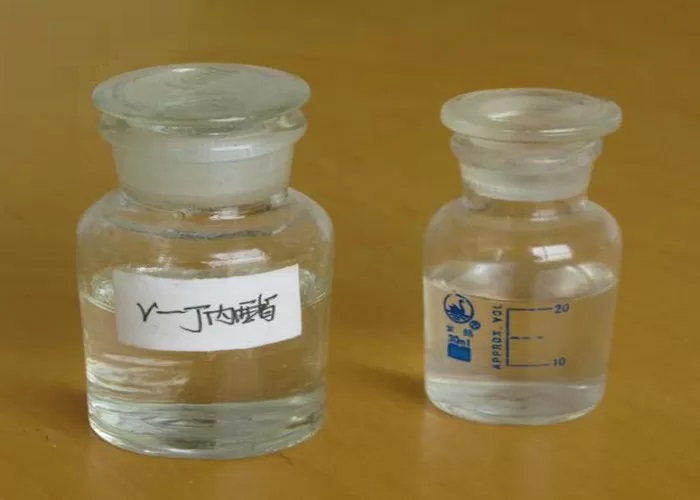
| Appearance | Colorless, clear liquid |
| Odor | Mild, characteristic, ester-like odor |
CHEMICAL STRUCTURE
Gamma-Butyrolactone Structure:
        O
        ||
    H₂C — C
    |       |
    H₂C — CH₂
        \
         O
Structure Description:
-
Cyclic ester (lactone) with a four-membered carbon ring.
-
Simplest 4-carbon lactone (γ-lactone).
-
Colorless, hygroscopic liquid.
-
Miscible with water and many organic solvents.
-
Used as a precursor to other chemicals (NMP, PVP).
-
Metabolizes to gamma-hydroxybutyrate (GHB) in the body.
SECTION 1: CHEMICAL IDENTITY AND DESCRIPTION
| Parameter | Information |
|---|---|
| Product Name | Gamma-Butyrolactone |
| Chemical Name | γ-Butyrolactone |
| Synonyms (Turkish) | Gamabütirolakton, Gama Butirolakton, Butirolakton, GBL |
| Synonyms (English) | Gamma-Butyrolactone, GBL, γ-Butyrolactone, 4-Hydroxybutyric Acid Lactone, 1,4-Lactone, Dihydrofuran-2(3H)-one, Oxolan-2-one, BLO, 2-Oxotetrahydrofuran |
| CAS Number | 96-48-0 |
| EC Number | 202-509-5 |
| Molecular Formula | C₄H₆O₂ |
| Molecular Weight | 86.09 g/mol |
| Chemical Class | Lactone; Cyclic ester; Organic solvent; Chemical intermediate |
| Source | Synthetic (hydrogenation of maleic anhydride or succinic acid) |
| Physical State (20°C) | Liquid |
| Odor | Mild, characteristic, ester-like odor |
| Color | Colorless, clear |
SECTION 2: PHYSICAL AND CHEMICAL PROPERTIES
| Property | Value | Test Method / Note |
|---|---|---|
| Appearance | Colorless, clear liquid | Visual |
| Odor | Mild, characteristic, ester-like odor | Olfactometric |
| Molecular Weight | 86.09 g/mol | Calculated |
| Density (20°C) | ~1.12 g/cm³ | ASTM D4052 |
| Density (15°C) | 1.1286 g/mL | – |
| Melting Point | -44°C | DSC |
| Boiling Point | 204 – 205°C | – |
| Flash Point | 98 – 101°C (closed cup) | – |
| Autoignition Temperature | ~455°C | – |
| Explosive Limits | ~16% (v/v) | – |
| Vapor Pressure (20°C) | ~0.34 hPa | – |
| Solubility in Water | Miscible (in all proportions) | General Method |
| Solubility in Ethanol | Miscible | General Method |
| Solubility in Acetone | Miscible | General Method |
| Solubility in Benzene | Miscible | General Method |
| Refractive Index (n20/D) | 1.436 | – |
| pH (100 g/L in water) | 4 – 5 | pH Meter |
| Hygroscopicity | High (absorbs moisture) | – |
| Stability | Stable under normal conditions | – |
| Acid Value | ≤ 1.0 mg KOH/g | Titrimetric |
| Water Content | ≤ 0.1% | Karl Fischer |
| Purity | ≥ 99.5% | GC |
| Heavy Metals | ≤ 10 ppm | AAS / ICP |
SECTION 3: GBL vs OTHER LACTONES AND SOLVENTS
| Property | Gamma-Butyrolactone (GBL) | 2-Pyrrolidone | NMP | Propylene Carbonate |
|---|---|---|---|---|
| CAS Number | 96-48-0 | 616-45-5 | 872-50-4 | 108-32-7 |
| Molecular Weight | 86.09 g/mol | 85.11 g/mol | 99.13 g/mol | 102.09 g/mol |
| Boiling Point | 204-205°C | 245°C | 202°C | 240°C |
| Density (20°C) | 1.12 g/cm³ | 1.12 g/cm³ | 1.03 g/cm³ | 1.20 g/cm³ |
| Solubility in Water | Miscible | Miscible | Miscible | Slightly soluble |
| Viscosity (25°C) | 1.7 cP | 13 cP | 1.7 cP | 2.5 cP |
| Dielectric Constant | 39 | 28 | 32 | 65 |
| Primary Use | Solvent, intermediate | Intermediate | Solvent, intermediate | Battery electrolyte, solvent |
| Regulatory Status | Restricted | Less restricted | Less restricted | Less restricted |
SECTION 4: MECHANISM OF ACTION
| Property | Description |
|---|---|
| Lactone Ring Opening (Hydrolysis) | Ring opens in acidic or basic conditions; Hydrolyzes to 4-hydroxybutyric acid; Reversible reaction (lactonization); Forms salts (e.g., sodium gamma-hydroxybutyrate). |
| Metabolism to GHB | Rapidly absorbed and metabolized to gamma-hydroxybutyrate (GHB) in the body; GHB is a central nervous system (CNS) depressant; Acts on GABA receptors; Can cause sedation, euphoria, and amnesia at higher doses. |
| Ammonolysis | Reacts with ammonia or amines to form pyrrolidone derivatives (e.g., 2-pyrrolidone, N-methylpyrrolidone - NMP); Forms corresponding amides and salts. |
| Polymerization | Acts as a monomer in some polymerization reactions; Used as a comonomer in specialty polymers; Ring-opening polymerization to produce polyesters. |
| Solvent Action | Dissolves a wide range of organic compounds (resins, polymers); Excellent solvent for many polar and non-polar compounds; Used in coatings, inks, and cleaning formulations. |
| Electrochemical Stability | High dielectric constant; Excellent solvent for lithium salts; Used in battery electrolytes; Electrochemically stable at high voltages. |
SECTION 5: PRODUCTION PROCESS
Industrial Production Methods:
Method 1: Hydrogenation of Maleic Anhydride
Process Flow:
Maleic Anhydride → Hydrogenation (Catalyst: Pd or Cu-based) → Gamma-Butyrolactone → Distillation → Purification → Final Product
Description: Maleic anhydride is hydrogenated in the presence of a palladium or copper-based catalyst. The reaction is carried out at high temperature and pressure. GBL is recovered by distillation and purified to ≥ 99.5% purity.
Method 2: Hydrogenation of Succinic Acid
Process Flow:
Succinic Acid → Hydrogenation (Catalyst: Cu-based) → Gamma-Butyrolactone → Distillation → Purification → Final Product
Description: Succinic acid is hydrogenated in the presence of a copper-based catalyst. GBL is recovered by distillation and purified.
Method 3: Dehydration of 1,4-Butanediol
Process Flow:
1,4-Butanediol → Dehydration → Gamma-Butyrolactone → Distillation → Purification → Final Product
Description: 1,4-Butanediol is dehydrated under specific conditions to form GBL. This is a less common method.
SECTION 6: FUNCTIONAL PROPERTIES
| Property | Description |
|---|---|
| Solvent | Excellent solvent for a wide range of organic compounds; Dissolves resins, polymers, and many polar compounds; Used in coatings, inks, adhesives, and cleaning products. |
| Chemical Intermediate | Key precursor for pyrrolidone derivatives; Used in production of 2-pyrrolidone, NMP (N-methyl-2-pyrrolidone), NVP (N-vinylpyrrolidone), and PVP (polyvinylpyrrolidone). |
| Electrolyte Solvent | High dielectric constant; Used in lithium battery electrolytes; Stabilizes lithium salts; Improves battery performance. |
| Extractant | Used in petroleum processing as an extractant; Used for separation of aromatics from hydrocarbons. |
| Dispersant | Used in casting binders and coating systems; Improves dispersion of pigments and fillers; Enhances coating properties. |
| Flavor/Fragrance | Found in cheese flavors and wine extracts (low concentrations); Used as a flavoring agent in some food applications (regulated). |
SECTION 7: MAIN APPLICATION AREAS
| Industry / Application | Function | Typical Use |
|---|---|---|
| Chemical Industry | Chemical intermediate, solvent | Production of 2-pyrrolidone, NMP, NVP, PVP; Solvent for resins and polymers; Chemical synthesis intermediate. |
| Electronics & Energy | Electrolyte solvent, cleaner | Lithium battery electrolytes; Capacitor formulations; Electronic component cleaning; Conductive polymer formulations. |
| Pharmaceutical | Intermediate, excipient | GHB precursor (regulated); Pharmaceutical intermediate; Excipient in some formulations (limited). |
| Coatings & Adhesives | Solvent, dispersant | Photoresist formulations; Specialty inks; Coating systems; Adhesive formulations; Casting binders. |
| Petrochemical | Extractant | Aromatic extraction; Petroleum processing; Hydrocarbon separation. |
| Flavors & Fragrances | Flavoring agent | Cheese flavors; Wine extracts; Fruit flavors (low concentrations, regulated). |
| Polymers & Plastics | Solvent, monomer | Polymerization solvent; Monomer for specialty polymers; Plastic additive. |
SECTION 8: SAMPLE FORMULATIONS
Lithium Battery Electrolyte Formulation:
| Component | Amount |
|---|---|
| Gamma-Butyrolactone (GBL) | 5 – 20% |
| Lithium Salt (LiPF₆, LiBF₄) | 1 – 2 M |
| Co-solvents (EC, DEC, PC) | To 100% |
Instructions: Mix GBL with co-solvents under an inert atmosphere; Add lithium salt slowly with stirring; Store in a dry, inert environment.
Coating/Solvent Formulation:
| Component | Amount |
|---|---|
| Gamma-Butyrolactone (GBL) | 2 – 10% |
| Resin (e.g., Polyurethane, Epoxy) | As required |
| Fillers, Pigments | As required |
| Other Solvents | To 100% |
Instructions: Add GBL to the formulation as a solvent/dispersant; Mix thoroughly; Apply as a coating.
SECTION 9: QUALITY SPECIFICATIONS
| Parameter | Technical Grade | High Purity Grade | Battery Grade | Test Method |
|---|---|---|---|---|
| Appearance | Colorless clear liquid | Colorless clear liquid | Colorless clear liquid | Visual |
| Purity (GBL) | ≥ 99.0% | ≥ 99.5% | ≥ 99.9% | GC |
| Water Content | ≤ 0.1% | ≤ 0.05% | ≤ 0.02% | Karl Fischer |
| Acid Value | ≤ 1.0 mg KOH/g | ≤ 0.5 mg KOH/g | ≤ 0.1 mg KOH/g | Titrimetric |
| Color (APHA) | ≤ 20 | ≤ 10 | ≤ 5 | Colorimetric |
| Density (20°C) | 1.12 – 1.13 g/cm³ | 1.12 – 1.13 g/cm³ | 1.12 – 1.13 g/cm³ | ASTM D4052 |
| Refractive Index | 1.435 – 1.437 | 1.435 – 1.437 | 1.435 – 1.437 | – |
| Heavy Metals | ≤ 10 ppm | ≤ 5 ppm | ≤ 2 ppm | AAS / ICP |
SECTION 10: TOXICOLOGICAL PROFILE
| Parameter | Value |
|---|---|
| Acute Oral Toxicity (LD50, Rat) | ~ 1,100 – 1,500 mg/kg (moderate toxicity) |
| Acute Dermal Toxicity | Low toxicity; May cause mild irritation |
| Skin Irritation | May cause irritation |
| Eye Irritation | May cause serious eye irritation (H318) |
| Inhalation Toxicity | May cause respiratory irritation (H335) |
| Chronic Toxicity | May cause liver and kidney damage (high exposure) |
| Carcinogenicity | Not classified as carcinogenic |
| Mutagenicity | Not mutagenic |
| Reproductive Toxicity | No reproductive toxicity at normal levels |
| Special Toxicity Note | Harmful if swallowed (H302); Causes serious eye irritation (H318); May cause respiratory irritation (H335); Metabolized to GHB (CNS depressant) in the body; Risk of serious health effects at high doses; Use with appropriate ventilation and PPE. |
SECTION 11: GHS CLASSIFICATION AND LABELING
GHS Classification (in accordance with CLP and UN GHS):
| Hazard Class | Category | H-Statement |
|---|---|---|
| Acute Toxicity (Oral) | Category 4 | H302 |
| Skin Irritation | Category 2 | H315 |
| Eye Irritation | Category 2 | H319 |
| Specific Target Organ Toxicity (Single) | Category 3 | H335 |
| Eye Damage | Category 1 | H318 |
| Flammable Liquids | Category 4 | H227 |
Signal Word: DANGER (H318)
Hazard Pictograms: GHS05 (Corrosive), GHS07 (Exclamation Mark)
Hazard Statements (H-Codes):
| Code | Statement |
|---|---|
| H227 | Combustible liquid |
| H302 | Harmful if swallowed |
| H315 | Causes skin irritation |
| H318 | Causes serious eye damage |
| H319 | Causes serious eye irritation |
| H335 | May cause respiratory irritation |
NFPA 704 Hazard Classification:
| Health | Flammability | Reactivity | Special |
|---|---|---|---|
| 2 | 2 | 0 | - |
| (Moderate health hazard) | (Moderate fire hazard) | (Stable) | (None) |
SECTION 12: PRECAUTIONARY STATEMENTS (P-CODES)
| Code | Statement |
|---|---|
| P210 | Keep away from heat/sparks/open flames/hot surfaces — No smoking |
| P233 | Keep container tightly closed |
| P240 | Ground/bond container and receiving equipment |
| P241 | Use explosion-proof electrical/ventilating/lighting equipment |
| P242 | Use only non-sparking tools |
| P243 | Take precautionary measures against static discharge |
| P264 | Wash hands thoroughly after handling |
| P270 | Do not eat, drink, or smoke when using this product |
| P280 | Wear protective gloves/protective clothing/eye protection/face protection |
| P301+P312 | IF SWALLOWED: Call a POISON CENTER/doctor if you feel unwell |
| P302+P352 | IF ON SKIN: Wash with plenty of soap and water |
| P304+P340 | IF INHALED: Remove person to fresh air and keep comfortable for breathing |
| P305+P351+P338 | IF IN EYES: Rinse cautiously with water for several minutes. Remove contact lenses if present and continue rinsing |
| P310 | Immediately call a POISON CENTER/doctor |
| P332+P313 | If skin irritation occurs: Get medical advice/attention |
| P337+P313 | If eye irritation persists: Get medical advice/attention |
| P362+P364 | Take off contaminated clothing and wash it before reuse |
| P403+P233 | Store in a well-ventilated place. Keep container tightly closed |
| P501 | Dispose of contents/container in accordance with local/regional/national/international regulations |
SECTION 13: FIRST AID MEASURES
| Exposure Route | Action to Take |
|---|---|
| Inhalation | Remove to fresh air immediately. If respiratory irritation develops, seek medical attention. |
| Skin Contact | Wash with plenty of soap and water. Remove contaminated clothing. If irritation persists, get medical attention. |
| Eye Contact | Rinse immediately with plenty of water for at least 15 minutes. Keep eyelids open. Remove contact lenses if present. Seek immediate medical attention. |
| Ingestion | DO NOT INDUCE VOMITING. Rinse mouth. Drink plenty of water (only if conscious). Seek immediate medical attention. |
| Note | May metabolize to GHB (CNS depressant); ingestion may cause sedation, respiratory depression, coma; emergency medical attention required. |
SECTION 14: FIREFIGHTING MEASURES
| Parameter | Information |
|---|---|
| Fire Hazard | Combustible liquid. Vapors may form explosive mixtures with air. |
| Hazards Arising from Fire | Thermal decomposition produces carbon monoxide, carbon dioxide, and irritating fumes. |
| Suitable Extinguishing Media | Water spray, CO₂, dry chemical powder, foam (alcohol-resistant). |
| Unsuitable Extinguishing Media | Water jet (may spread burning liquid) |
| Special Protective Equipment | Self-contained breathing apparatus (SCBA), full protective clothing, firefighting goggles. |
| Special Precautions | Evacuate area; Prevent fire-fighting water from entering waterways; Cool fire-exposed containers with water spray; Stop leak if safe. |
SECTION 15: STORAGE AND SHELF LIFE
| Parameter | Information |
|---|---|
| Storage Conditions | Store in a cool, dry, well-ventilated area; PROTECT FROM MOISTURE and HEAT; Keep away from direct sunlight and high temperatures. |
| Container Requirements | Tightly closed, inert containers (stainless steel, HDPE, glass); Avoid contact with moisture. |
| Materials to Protect From | Moisture, heat, strong oxidizing agents, strong acids, strong bases |
| Shelf Life | 12 – 24 months (under proper storage conditions). |
| Stability Note | Stable under recommended storage conditions; Hygroscopic (absorbs moisture); Hydrolyzes in presence of water; Protect from moisture. |
| Special Storage Requirements | Store in a dry, cool place; Avoid exposure to air and moisture; Opened containers must be resealed immediately; Keep away from sources of ignition. |
SECTION 16: PACKAGING OPTIONS
| Packaging Type | Quantity | Material |
|---|---|---|
| HDPE Drum | 25 kg, 50 kg, 100 kg, 200 kg | HDPE (chemical-resistant, sealed) |
| Steel Drum | 50 kg, 100 kg, 200 kg | Stainless steel or lined steel drum |
| IBC Container | 500 L, 1000 L | HDPE or stainless steel IBC |
| Glass Bottle | 1 L, 5 L, 10 L | Amber glass bottle (light protection) |
SECTION 17: TRANSPORT INFORMATION
| Parameter | Information |
|---|---|
| UN Number | UN 2810 (Toxic liquid, organic, N.O.S.) |
| Hazard Class | Class 6.1 - Toxic Substances / Class 3 - Flammable (depending on concentration) |
| Packing Group | III |
| ADR/RID | Class 6.1; UN 2810; Packing Group III |
| IMDG Code | Class 6.1; UN 2810; Marine pollutant: No |
| IATA (Air) | Class 6.1; UN 2810; Packing Group III |
| Transport Label | Toxic, Flammable |
| Marine Pollutant | No |
| Special Transport Requirements | Restricted substance in many countries; Requires specialized transport; Emergency response plan required; Driver must have hazardous materials endorsement; Segregation from oxidizing agents and acids. |
SECTION 18: REGULATORY STATUS
| Region / Authority | Status |
|---|---|
| European Union | REACH registered; Regulated as precursor for GHB; Listed as a controlled substance (Regulation (EC) No 273/2004). |
| USA (TSCA) | Listed (TSCA Inventory) |
| USA (DEA) | Listed as a List I Chemical (precursor for GHB); Subject to strict controls and reporting requirements. |
| Turkey | Regulated as controlled chemical precursor; Subject to KKDIK regulation; Ministry of Health and Ministry of Interior controls; Strict reporting and licensing requirements apply. |
| IARC | Not classified (non-carcinogenic) |
| NTP | Not listed |
| OSHA | Regulated as toxic and irritant |
| California (Prop 65) | Not listed |
SECTION 19: OTHER NAMES AND SYNONYMS
| Type | Name |
|---|---|
| Turkish Names | Gamabütirolakton, Gama Butirolakton, Butirolakton, GBL |
| English Names | Gamma-Butyrolactone, γ-Butyrolactone, GBL, BLO, 2-Oxotetrahydrofuran, 4-Hydroxybutyric Acid Lactone, 1,4-Lactone, Dihydrofuran-2(3H)-one, Oxolan-2-one |
| CAS Number | 96-48-0 |
| EC Number | 202-509-5 |
| HS Code | 2932.20 |
SECTION 20: SUMMARY TABLE
| Parameter | Value |
|---|---|
| Product | Gamma-Butyrolactone (GBL) |
| CAS Number | 96-48-0 |
| Molecular Formula | C₄H₆O₂ |
| Molecular Weight | 86.09 g/mol |
| Appearance | Colorless, clear liquid |
| Density (20°C) | ~1.12 g/cm³ |
| Boiling Point | 204-205°C |
| Flash Point | 98-101°C |
| Solubility | Miscible with water, ethanol, acetone, benzene |
| Primary Functions | Solvent, chemical intermediate, electrolyte solvent |
| Main Application Areas | Chemical industry, electronics, pharmaceuticals, coatings, petrochemical, flavors |
| Shelf Life | 12 – 24 months |
| GHS Signal Word | DANGER |
| UN Number | 2810 |
| Hazard Class | 6.1 / 3 |
| Packing Group | III |
| Special Properties | Lactone; Hygroscopic; Miscible with water; Metabolizes to GHB (CNS depressant); Regulated as a controlled chemical precursor; Strict reporting and licensing requirements. |
SECTION 21: CRITICAL WARNINGS AND BEST PRACTICES
CRITICAL WARNINGS:
-
HARMFUL IF SWALLOWED (H302): Toxic; Metabolizes to GHB (CNS depressant) in the body; Can cause sedation, respiratory depression, and coma.
-
CAUSES SERIOUS EYE DAMAGE (H318): Eye contact is extremely dangerous. EYE PROTECTION IS MANDATORY.
-
MAY CAUSE RESPIRATORY IRRITATION (H335): Avoid inhalation of vapors.
-
COMBUSTIBLE LIQUID (H227): Keep away from heat/sparks/open flames/hot surfaces.
-
HYGROSCOPIC: Absorbs moisture from air; hydrolyzes in water. Store in tightly closed containers.
-
RESTRICTED SUBSTANCE: Listed as a controlled chemical precursor in many countries (US DEA List I, EU); Strict reporting and licensing requirements apply.
-
IRRITANT: Causes skin and eye irritation.
-
HIGH SOLVENT POWER: Excellent solvent; dissolves many polymers and resins.
-
PRECURSOR TO GHB: Metabolized to GHB in the body; ingestion may cause intoxication, amnesia, and respiratory depression.
-
POTENTIALLY FATAL: Overdose can be fatal; medical supervision required for ingestion.
BEST PRACTICE RECOMMENDATIONS:
-
Chemical Industry: Use as intermediate and solvent; Production of NMP, 2-pyrrolidone, PVP; Chemical synthesis; Dosage: Stochiometric conversions; Use in closed systems.
-
Electronics & Energy: Use as electrolyte solvent in lithium batteries; Dosage: 5-20% of solvent blend; Dry electrolyte formulations; Use with appropriate lithium salts.
-
Coatings & Adhesives: Use as solvent and dispersant; Photoresist formulations, inks, coatings; Dosage: 2-10% of formulation; Dissolve in oil phase or organic phase.
-
Pharmaceutical: Use as intermediate or excipient (limited); GHB precursor (regulated); Strict regulatory compliance required.
-
Handling: Use in well-ventilated areas; Avoid inhalation of vapors; Use explosion-proof equipment; Grounding and bonding required; Avoid static discharge; Use closed systems.
-
Personal Protective Equipment: MANDATORY: Chemical-resistant gloves (nitrile, neoprene), safety goggles or face shield, protective clothing, vapor/gas respirator (organic vapor cartridge), fire-retardant clothing.
-
Hygiene: Wash hands thoroughly after handling; Do not eat, drink, or smoke while using; Remove contaminated clothing and wash before reuse.
-
Storage: Store in tightly closed, inert containers; Store in cool, dry, well-ventilated area; Protect from moisture and heat; Keep away from sources of ignition; Opened containers must be resealed immediately; Shelf life: 12-24 months under proper conditions.
-
Spill Management: Eliminate all ignition sources; Use spark-proof equipment; Absorb with inert material (sand, vermiculite); Collect in suitable sealed container; Do not allow entry into drains or waterways; Report large spills to authorities.
-
Disposal: Dispose of in accordance with local, regional, and national regulations; Hazardous waste (toxic, flammable); Use authorized disposal facilities; Incineration with energy recovery possible.
DETECTION METHODS:
| Method | Description | Advantages | Disadvantages |
|---|---|---|---|
| GC (Gas Chromatography) | Quantitative analysis of GBL | High sensitivity, accurate, standard method | High cost, requires expertise |
| HPLC | High-performance liquid chromatography | High sensitivity, specific | High cost, requires expertise |
| FTIR | Functional group identification | Fast, non-destructive | Requires reference spectra |
| GC-MS | Confirmation and identification | Definitive identification, high sensitivity | High cost, requires expertise |
| Refractometry | Purity indication | Simple, rapid | Not specific |
| Density Measurement | Purity indication | Simple, rapid | Not specific |
GBL vs ALTERNATIVES COMPARISON:
| Product | Chemical Name / E Code | Application | Strength | Weakness | Status |
|---|---|---|---|---|---|
| Gamma-Butyrolactone (GBL) | C₄H₆O₂ | Solvent, intermediate, electrolyte | Versatile, good solvent, high dielectric | Toxic, regulated, GHB precursor | Restricted/Controlled |
| NMP | N-methyl-2-pyrrolidone | Solvent, intermediate | Good solvent, high boiling point | Toxicity concerns | Less restricted |
| 2-Pyrrolidone | C₄H₇NO | Intermediate | More reactive | Higher viscosity | Less restricted |
| Propylene Carbonate | C₄H₆O₃ | Electrolyte solvent | Safer, high dielectric | Lower solvency | Less restricted |
| Ethyl Lactate | C₅H₁₀O₃ | Bio-based solvent | Renewable, safer | Lower solvent power | Less restricted |
LEGAL DISCLAIMER:
The information provided in this document is based on our current knowledge and experience and is presented in good faith. However, as all conditions of use are beyond our control, it does not constitute a binding specification or warranty. This Technical Data Sheet is for informational purposes only. Users are responsible for testing the suitability for their own applications and for complying with all local, regional, and national regulations. For complete safety, storage, use, handling, waste, and regulatory compliance information, please refer to the official Safety Data Sheet (SDS/MSDS) provided by the manufacturer/supplier. Gamma-Butyrolactone (GBL) is a regulated chemical precursor and a toxic substance; strict handling and safety protocols must be followed at all times. This substance is subject to strict controls in many jurisdictions.