We unleash your business potential by maximize the business innovation.
Send EmailSodium Chloride, Common Salt, 7647-14-5, 14762-51-7
SODIUM CHLORIDE (NaCl)
PRODUCT IDENTIFICATION INFORMATION
| Parameter | Information |
|---|---|
| Product Name | Sodium Chloride |
| Chemical Name | Sodium Chloride |
| Synonyms (Turkish) | Sodyum Klorür, Tuz, Sofra Tuzu, Göl Tuzu, Deniz Tuzu, Rafine Tuz, İyotlu Tuz, İyotsuz Tuz |
| Synonyms (English) | Sodium Chloride, Salt, Table Salt, Sea Salt, Rock Salt, Halite, Common Salt |
| E Number | Not applicable |
| CAS Number | 7647-14-5 (Primary) / 14762-51-7 (Alternative) |
| EC Number | 231-598-3 |
| Molecular Formula | NaCl |
| Molecular Weight | 58.44 g/mol |
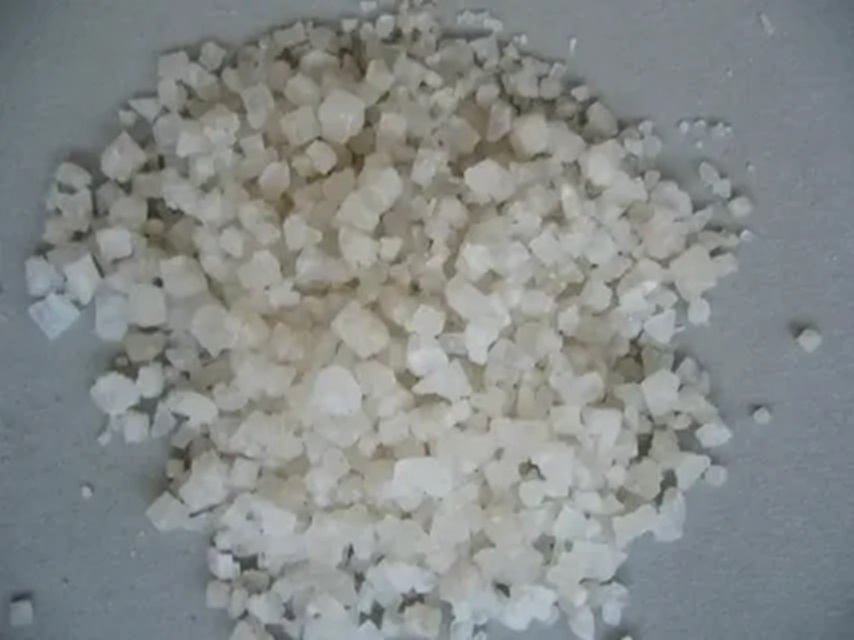
| Appearance | White crystalline solid (granules or powder) |
| Odor | Odorless |
| Taste | Salty |
CHEMICAL STRUCTURE
Sodium Chloride Structure:
Na⁺ Cl⁻
Structure Description:
-
Ionic compound composed of sodium cation (Na⁺) and chloride anion (Cl⁻).
-
White, crystalline solid.
-
Salty taste.
-
Highly soluble in water.
-
Dissociates completely in water into Na⁺ and Cl⁻ ions.
-
Natural occurrence in seawater, salt lakes, and rock salt deposits.
SECTION 1: CHEMICAL IDENTITY AND DESCRIPTION
| Parameter | Information |
|---|---|
| Product Name | Sodium Chloride |
| Chemical Name | Sodium Chloride |
| Synonyms (Turkish) | Sodyum Klorür, Tuz, Sofra Tuzu, Göl Tuzu, Deniz Tuzu, Rafine Tuz, İyotlu Tuz, İyotsuz Tuz |
| Synonyms (English) | Sodium Chloride, Salt, Table Salt, Sea Salt, Rock Salt, Halite, Common Salt |
| E Number | Not applicable |
| CAS Number | 7647-14-5 (Primary) / 14762-51-7 (Alternative) |
| EC Number | 231-598-3 |
| Molecular Formula | NaCl |
| Molecular Weight | 58.44 g/mol |
| Chemical Class | Inorganic salt; Halide; Electrolyte |
| Source | Natural (seawater, salt lakes, rock salt deposits) or synthetic |
| Physical State (20°C) | Solid (crystalline) |
| Odor | Odorless |
| Color | White |
| Taste | Salty |
SECTION 2: PHYSICAL AND CHEMICAL PROPERTIES
| Property | Value | Test Method / Note |
|---|---|---|
| Appearance | White crystalline solid | Visual |
| Odor | Odorless | Olfactometric |
| Taste | Salty | – |
| Molecular Weight | 58.44 g/mol | Calculated |
| Density | 2.165 g/cm³ | ASTM D4052 |
| Melting Point | 801°C | DSC |
| Boiling Point | 1413°C | – |
| Solubility in Water (20°C) | ~35.9 g/100 g (high solubility) | General Method |
| Solubility in Ethanol | Slightly soluble | General Method |
| pH (Saturated Solution) | ~7.0 (neutral) | pH Meter |
| Conductivity (25°C) | 0.01 S/cm (in solution) | – |
| Refractive Index | 1.544 (solid) | – |
| Hygroscopicity | Low to moderate | – |
| Stability | Stable under normal conditions | – |
| Heavy Metals (as Pb) | ≤ 10 ppm | AAS / ICP |
| Arsenic (As) | ≤ 2 ppm | AAS / ICP |
| Lead (Pb) | ≤ 2 ppm | AAS / ICP |
| Loss on Drying | ≤ 0.5% | Gravimetric |
| Assay (NaCl) | ≥ 99.0 – 99.9% (grade dependent) | Titrimetric |
| Chloride Content | ~60.66% | – |
| Sodium Content | ~39.34% | – |
SECTION 3: SODIUM CHLORIDE vs OTHER SALTS
| Property | Sodium Chloride (NaCl) | Potassium Chloride (KCl) | Calcium Chloride (CaCl₂) | Magnesium Chloride (MgCl₂) |
|---|---|---|---|---|
| CAS Number | 7647-14-5 | 7447-40-7 | 10043-52-4 | 7786-30-3 |
| Molecular Weight | 58.44 g/mol | 74.55 g/mol | 110.98 g/mol | 95.21 g/mol |
| Taste | Salty | Salty-bitter | Bitter | Bitter |
| Solubility in Water (20°C) | 35.9 g/100 mL | 34.2 g/100 mL | 74.5 g/100 mL | 54.3 g/100 mL |
| pH (Solution) | 7.0 | 7.0 | 8.0-9.0 | 6.0-7.0 |
| Hygroscopicity | Low | Low | High | High |
| Freezing Point Depression | Moderate | Moderate | High | High |
| Primary Use | Food, medical, chemical | Salt substitute, fertilizer | De-icing, drying | De-icing, tofu coagulant |
SECTION 4: MECHANISM OF ACTION
| Property | Description |
|---|---|
| Electrolyte Balance | Provides essential sodium (Na⁺) and chloride (Cl⁻) ions; Maintains osmotic balance in cells; Regulates fluid balance; Supports nerve impulse transmission; Essential for muscle function. |
| Flavor Enhancement | Activates salt taste receptors on the tongue; Enhances and balances flavors; Reduces bitterness; Suppresses off-flavors; Essential for food palatability. |
| Preservation | Reduces water activity; Creates hypertonic environment; Inhibits microbial growth; Prevents spoilage; Extends shelf life of foods. |
| Osmotic Effect | Creates osmotic pressure difference; Used in osmotic dehydration; Draws water out of cells; Used in food preservation (curing). |
| Electrolysis | Provides sodium and chloride ions for electrochemical processes; Used in chlor-alkali production; Used in water electrolysis; Essential for chlorine and sodium hydroxide production. |
SECTION 5: PRODUCTION PROCESS
Industrial Production Methods:
Method 1: Evaporation of Seawater or Salt Brines
Process Flow:
Seawater / Salt Brine → Solar Evaporation → Crystallization → Harvesting → Washing → Drying → Screening → Final Product (Sea Salt)
Description: Seawater or salt brine is collected in evaporation ponds. Solar energy evaporates the water, causing sodium chloride to crystallize. Crystals are harvested, washed, dried, and screened.
Method 2: Rock Salt Mining
Process Flow:
Rock Salt Deposits → Underground Mining / Solution Mining → Crushing → Screening → Washing → Drying → Final Product (Rock Salt)
Description: Rock salt is mined from underground deposits using conventional mining (room and pillar) or solution mining (water injection). The salt is crushed, screened, washed, and dried.
Method 3: Vacuum Evaporation
Process Flow:
Brine → Purification → Vacuum Evaporation → Crystallization → Centrifugation → Drying → Final Product (High-Purity Salt)
Description: Brine is purified to remove impurities. It is evaporated under vacuum to produce high-purity sodium chloride crystals. The crystals are separated, washed, and dried.
SECTION 6: FUNCTIONAL PROPERTIES
| Property | Description |
|---|---|
| Flavor Enhancer | Essential for food palatability; Enhances and balances flavors; Reduces bitterness; Suppresses off-flavors; Essential for human nutrition. |
| Preservative | Reduces water activity; Inhibits microbial growth; Used in meat curing, fish preservation, and vegetable pickling; Extends food shelf life. |
| Electrolyte | Essential for nerve function and muscle contraction; Maintains fluid balance and blood pressure; Used in medical and sports drinks. |
| De-icing Agent | Lowers freezing point of water; Melts ice and snow; Used on roads and sidewalks; Effective down to -21°C (with additives). |
| Water Softener | Used in ion exchange systems; Regenerates water softening resins; Removes hardness ions (Ca²⁺, Mg²⁺). |
| Chemical Raw Material | Used in chlor-alkali industry; Produces chlorine gas (Cl₂) and sodium hydroxide (NaOH); Used in production of sodium carbonate and other chemicals. |
SECTION 7: MAIN APPLICATION AREAS
| Industry / Application | Function | Typical Use |
|---|---|---|
| Food Industry | Flavor enhancer, preservative, texturizer | Table salt; Food processing (meat, fish, cheese, canned goods); Bakery products; Sauces and condiments; Snack foods; Fermentation processes. |
| Medical / Pharmaceutical | Electrolyte, IV fluid, isotonic solution | IV fluids (0.9% saline); Electrolyte replacement; Wound cleansing; Nasal irrigation; Dialysis solutions; Pharmaceutical formulations. |
| Chemical Industry | Raw material, feedstock | Chlorine (Cl₂) production; Sodium hydroxide (NaOH) production; Soda ash (Na₂CO₃) production; Sodium bicarbonate production; Chemical synthesis. |
| Water Treatment | Water softener regeneration, disinfection | Ion exchange resin regeneration; Sodium hypochlorite production (disinfection); Softening of hard water; Wastewater treatment. |
| De-icing & Ice Control | De-icing agent, anti-icing agent | Road and sidewalk de-icing; Airport runway de-icing; Parking lot ice control; Pre-treatment for snow/ice. |
| Agriculture | Animal feed, fertilizer supplement | Livestock mineral supplement; Feed additive; Salt licks; Soil amendment (limited). |
| Cosmetics | Thickener, abrasive, preservative | Scrubs (exfoliant); Mouthwashes (flavor, preservative); Shampoos and conditioners; Skin care products. |
| Household | Cleaning, preservation | Table salt; Food preservation (pickling, brining); Cleaning (scouring, de-icing); Home water softeners. |
SECTION 8: SAMPLE FORMULATIONS
Isotonic Saline Solution (0.9% NaCl):
| Component | Amount |
|---|---|
| Sodium Chloride | 9.0 g |
| Water for Injection | To 1000 mL |
Instructions: Dissolve sodium chloride in water for injection; Sterilize by autoclaving; Package in sterile IV bags or vials.
Brine for Food Preservation (Pickling Brine):
| Component | Amount |
|---|---|
| Sodium Chloride | 5 – 20% |
| Water | To 100% |
| Vinegar, Spices | As required |
Instructions: Dissolve sodium chloride in water; Add vinegar and spices as desired; Use for pickling vegetables, meats, or fish.
SECTION 9: QUALITY SPECIFICATIONS
| Parameter | Food Grade | Pharmaceutical Grade | Industrial Grade | Test Method |
|---|---|---|---|---|
| Appearance | White crystalline powder | White crystalline powder | White crystalline powder | Visual |
| Assay (NaCl) | ≥ 99.5% | ≥ 99.5% | ≥ 99.0% | Titrimetric |
| Loss on Drying | ≤ 0.5% | ≤ 0.3% | ≤ 0.5% | Gravimetric |
| pH (1% Solution) | 6.0 – 8.0 | 6.0 – 8.0 | 6.0 – 8.0 | pH Meter |
| Calcium (Ca) | ≤ 0.05% | ≤ 0.01% | ≤ 0.1% | AAS / ICP |
| Magnesium (Mg) | ≤ 0.05% | ≤ 0.01% | ≤ 0.1% | AAS / ICP |
| Sulfate (SO₄) | ≤ 0.05% | ≤ 0.01% | ≤ 0.1% | Gravimetric |
| Heavy Metals (as Pb) | ≤ 10 ppm | ≤ 5 ppm | – | AAS / ICP |
| Arsenic (As) | ≤ 2 ppm | ≤ 1 ppm | – | AAS / ICP |
| Lead (Pb) | ≤ 2 ppm | ≤ 1 ppm | – | AAS / ICP |
| Insoluble Matter | ≤ 0.05% | ≤ 0.02% | ≤ 0.1% | Gravimetric |
SECTION 10: TOXICOLOGICAL PROFILE
| Parameter | Value |
|---|---|
| Acute Oral Toxicity (LD50, Rat) | ~ 3,000 – 5,000 mg/kg (low toxicity) |
| Acute Dermal Toxicity | Non-toxic; Non-irritating |
| Skin Irritation | Non-irritating |
| Eye Irritation | Mildly irritating |
| Inhalation Toxicity | May cause respiratory irritation (dust) |
| Chronic Toxicity | Excessive intake may contribute to hypertension (salt sensitivity); Sodium overload may cause edema |
| Carcinogenicity | Not classified as carcinogenic |
| Mutagenicity | Not mutagenic |
| Reproductive Toxicity | No reproductive toxicity at normal levels |
| Allergenicity | Low allergenicity (iodized salt may cause iodine allergy) |
| Acceptable Daily Intake (ADI) | Not specified (essential nutrient; recommended limit: <5 g/day) |
| Special Toxicity Note | Essential nutrient for human health; Sodium and chloride are essential electrolytes; Excessive intake may contribute to hypertension in salt-sensitive individuals; Generally recognized as safe (GRAS) for food use; Safe at normal dietary levels; Avoid excessive consumption; Iodized salt contains potassium iodide (iodine supplementation). |
SECTION 11: GHS CLASSIFICATION AND LABELING
GHS Classification (in accordance with CLP and UN GHS):
| Hazard Class | Category | H-Statement |
|---|---|---|
| Not classified as hazardous according to CLP criteria | – | – |
Signal Word: None (Not classified as hazardous)
Hazard Pictograms: None
NFPA 704 Hazard Classification:
| Health | Flammability | Reactivity | Special |
|---|---|---|---|
| 0 | 0 | 0 | - |
| (Minimal health hazard) | (Non-flammable) | (Stable) | (None) |
SECTION 12: PRECAUTIONARY STATEMENTS (P-CODES)
| Code | Statement |
|---|---|
| P264 | Wash hands thoroughly after handling |
| P271 | Use only outdoors or in a well-ventilated area |
| P280 | Wear protective gloves/protective clothing/eye protection/face protection |
| P302+P352 | IF ON SKIN: Wash with plenty of soap and water |
| P304+P340 | IF INHALED: Remove person to fresh air and keep comfortable for breathing |
| P305+P351+P338 | IF IN EYES: Rinse cautiously with water for several minutes. Remove contact lenses if present and continue rinsing |
| P332+P313 | If skin irritation occurs: Get medical advice/attention |
| P337+P313 | If eye irritation persists: Get medical advice/attention |
| P362+P364 | Take off contaminated clothing and wash it before reuse |
| P403+P233 | Store in a well-ventilated place. Keep container tightly closed |
| P501 | Dispose of contents/container in accordance with local/regional/national/international regulations |
SECTION 13: FIRST AID MEASURES
| Exposure Route | Action to Take |
|---|---|
| Inhalation | Remove to fresh air immediately. If respiratory irritation develops, seek medical attention. |
| Skin Contact | Wash with plenty of soap and water. Remove contaminated clothing. If irritation persists, get medical attention. |
| Eye Contact | Rinse immediately with plenty of water for at least 15 minutes. Keep eyelids open. Remove contact lenses if present. If irritation persists, seek medical attention. |
| Ingestion | Rinse mouth. Drink plenty of water. Seek medical attention if large quantities are ingested or if feeling unwell. |
SECTION 14: FIREFIGHTING MEASURES
| Parameter | Information |
|---|---|
| Fire Hazard | Non-flammable organic material. May burn with thick smoke at high temperatures. |
| Hazards Arising from Fire | Thermal decomposition produces no toxic products (NaCl is stable). |
| Suitable Extinguishing Media | Water spray, CO₂, dry chemical powder, foam. |
| Unsuitable Extinguishing Media | None |
| Special Protective Equipment | Self-contained breathing apparatus (SCBA), full protective clothing. |
| Special Precautions | Prevent dust from entering sewers and waterways. Avoid dust cloud formation. |
SECTION 15: STORAGE AND SHELF LIFE
| Parameter | Information |
|---|---|
| Storage Conditions | Store in a cool, dry, well-ventilated area; PROTECT FROM MOISTURE; Keep away from direct sunlight. |
| Container Requirements | Tightly closed, moisture-proof containers (PE-lined bags, HDPE containers). |
| Materials to Protect From | Moisture, strong acids (reacts to form HCl gas) |
| Shelf Life | 36 – 60 months (3-5 years) in unopened original packaging, under proper storage conditions. |
| Stability Note | Stable under recommended storage conditions; May cake if exposed to high humidity; Protect from moisture. |
| Special Storage Requirements | Store in a dry place; Avoid exposure to air and moisture; Opened containers must be resealed immediately. |
SECTION 16: PACKAGING OPTIONS
| Packaging Type | Quantity | Material |
|---|---|---|
| PE-Lined Paper Bag | 10 kg, 20 kg, 25 kg | PE-lined kraft paper bag (moisture-proof) |
| Plastic Bag | 1 kg, 5 kg, 10 kg, 25 kg | PE bag (inner-lined, sealed, moisture-proof) |
| Fiber Drum | 20 kg, 25 kg | PE-lined fiberboard drum |
| Plastic Drum | 25 kg, 50 kg | HDPE / Polypropylene (moisture-proof) |
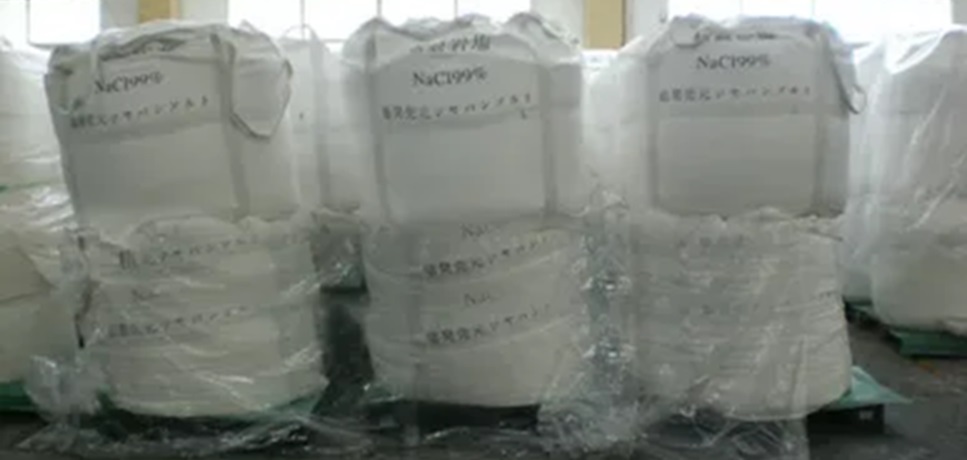
| FIBC / Big Bag | 500 kg, 1000 kg | PE-lined, moisture-resistant PP woven bag |
SECTION 17: TRANSPORT INFORMATION
| Parameter | Information |
|---|---|
| UN Number | Not regulated (non-hazardous) |
| Hazard Class | Not applicable |
| Packing Group | Not applicable |
| ADR/RID | Not regulated |
| IMDG Code | Not regulated (non-hazardous) |
| IATA (Air) | Not regulated (non-hazardous) |
| Marine Pollutant | No |
| Transport Temperature | Ambient temperature; Protect from moisture and heat. |
SECTION 18: REGULATORY STATUS
| Region / Authority | Status |
|---|---|
| European Union | Approved for food use; Not classified as food additive (no E number); REACH registered. |
| USA (TSCA) | Listed (TSCA Inventory) |
| USA (FDA) | GRAS (Generally Recognized as Safe) ; 21 CFR 184.1622; Approved for food use. |
| Turkey | Approved for food and industrial use; Ministry of Agriculture approval for food grade; KKDIK regulation compliance required. |
| EFSA | Approved for food use; Essential nutrient; No ADI specified. |
| JECFA | Approved; Specifications included; No ADI specified. |
| USP/NF | Sodium Chloride monograph listed. |
| EP (European Pharmacopoeia) | Sodium Chloride monograph listed. |
| IARC | Not classified (non-carcinogenic) |
| NTP | Not listed |
| OSHA | Regulated as nuisance dust |
| California (Prop 65) | Not listed |
| Halal | Yes (with certification) |
| Kosher | Yes (with certification) |
| Vegan | Yes (mineral, no animal ingredients) |
SECTION 19: OTHER NAMES AND SYNONYMS
| Type | Name |
|---|---|
| Turkish Names | Sodyum Klorür, Tuz, Sofra Tuzu, Göl Tuzu, Deniz Tuzu, Rafine Tuz, İyotlu Tuz, İyotsuz Tuz |
| English Names | Sodium Chloride, Salt, Table Salt, Sea Salt, Rock Salt, Halite, Common Salt, Marine Salt |
| CAS Number | 7647-14-5 (Primary) / 14762-51-7 (Alternative) |
| EC Number | 231-598-3 |
| HS Code | 2501.00 |
SECTION 20: SUMMARY TABLE
| Parameter | Value |
|---|---|
| Product | Sodium Chloride (NaCl) |
| CAS Number | 7647-14-5 |
| Molecular Formula | NaCl |
| Molecular Weight | 58.44 g/mol |
| Appearance | White crystalline powder |
| Melting Point | 801°C |
| Solubility in Water (20°C) | 35.9 g/100 g |
| pH (Saturated Solution) | ~7.0 |
| Primary Functions | Flavor enhancer, preservative, electrolyte, chemical raw material |
| Main Application Areas | Food, medical, chemical, water treatment, de-icing, agriculture, cosmetics |
| Shelf Life | 36 – 60 months |
| GHS Signal Word | None (Not classified as hazardous) |
| UN Number | Not regulated |
| Special Properties | Essential nutrient; Electrolyte; GRAS; Non-toxic; Stable; Abundant; Essential for human health; Versatile industrial uses. |
SECTION 21: CRITICAL WARNINGS AND BEST PRACTICES
CRITICAL WARNINGS:
-
GRAS Status: FDA GRAS (21 CFR 184.1622); EFSA approved; Safe for food and pharmaceutical use.
-
Essential Nutrient: Sodium and chloride are essential electrolytes; Required for nerve function, muscle contraction, and fluid balance.
-
Excessive Intake: May contribute to hypertension in salt-sensitive individuals; Recommended limit: <5 g/day.
-
Iodized Salt: Contains potassium iodide (iodine supplementation); Essential for thyroid function.
-
Non-Toxic: Non-toxic at normal use levels; Safe for consumption.
-
Hygroscopic: May absorb moisture from air; Store in tightly closed containers.
-
Corrosive: Aqueous solutions are corrosive to some metals (especially aluminum and iron).
-
Incompatibilities: Reacts with strong acids to form hydrochloric acid (HCl).
-
Environmental: Salt runoff may affect soil and freshwater ecosystems; Use with care.
-
Abundant Resource: One of the most abundant and inexpensive chemicals globally.
BEST PRACTICE RECOMMENDATIONS:
-
Food Industry: Use as flavor enhancer and preservative; Table salt, food processing, curing, pickling; Dosage: 0.5-5% depending on product; Use food-grade material; Monitor sodium levels in finished products.
-
Medical/Pharmaceutical: Use as electrolyte and isotonic solution; IV fluids (0.9% saline); Wound cleansing; Pharmaceutical grade required; Sterile filtration and autoclaving required.
-
Chemical Industry: Use as raw material for chlorine, sodium hydroxide, and sodium carbonate production; Chlor-alkali process; Use industrial-grade material; Follow safety protocols for electrolysis.
-
Water Treatment: Use as regenerant for ion exchange resins; Dosage: 10-20% brine solution; Monitor hardness and conductivity; Use industrial-grade material.
-
De-icing: Use as de-icing agent on roads and sidewalks; Effective down to -21°C (with additives); Apply at moderate temperatures; Avoid excessive use near vegetation and water bodies.
-
Handling: Use in well-ventilated areas; Avoid dust formation; Use dust masks when handling powder; Use gloves and safety goggles.
-
Personal Protective Equipment: Dust mask (N95/FFP2) if dust is generated, safety goggles, chemical-resistant gloves, protective clothing.
-
Hygiene: Wash hands thoroughly after handling; Do not eat, drink, or smoke while using; Remove contaminated clothing and wash before reuse.
-
Storage: Store in tightly closed, moisture-proof containers; Store in cool, dry, well-ventilated area; Protect from moisture; Opened containers must be resealed immediately; Shelf life: 36-60 months under proper conditions.
-
Spill Management: Sweep or vacuum (HEPA) and place in suitable sealed container; Avoid dust formation; Do not allow entry into drains or waterways; Dissolve in water if necessary.
-
Disposal: Dispose of in accordance with local, regional, and national regulations; Non-hazardous waste; Can be dissolved and discharged (check local regulations).
DETECTION METHODS:
| Method | Description | Advantages | Disadvantages |
|---|---|---|---|
| Titrimetric (Mohr Method) | Argentometric titration with silver nitrate | Simple, accurate, standard method | Requires indicator |
| Ion Chromatography | Quantitative analysis of sodium and chloride | High sensitivity, accurate | High cost, requires expertise |
| AAS / ICP | Sodium determination | High sensitivity, accurate | High cost, requires expertise |
| Conductivity Measurement | Electrical conductivity of solution | Rapid, simple | Not specific |
| Refractometry | Refractive index measurement | Rapid, simple | Not specific |
| pH Meter | pH of solution | Simple, rapid | Indicative only |
SODIUM CHLORIDE vs ALTERNATIVES COMPARISON:
| Product | Chemical Name / E Code | Application | Strength | Weakness | Status |
|---|---|---|---|---|---|
| Sodium Chloride (NaCl) | NaCl | Food, medical, chemical | Essential electrolyte, cheap, abundant, GRAS | Contributes to hypertension (excess) | Widely approved |
| Potassium Chloride (KCl) | KCl | Salt substitute | Low sodium, potassium source | Bitter taste, high cost | Widely approved |
| Sea Salt | NaCl + Minerals | Food | Natural, mineral content | Variable composition | Widely approved |
| Himalayan Salt | NaCl + Minerals | Food | Natural, mineral content | High cost | Widely approved |
| Low-Sodium Salt | NaCl + KCl | Food | Reduced sodium | Bitter taste | Widely approved |
LEGAL DISCLAIMER:
The information provided in this document is based on our current knowledge and experience and is presented in good faith. However, as all conditions of use are beyond our control, it does not constitute a binding specification or warranty. This Technical Data Sheet is for informational purposes only. Users are responsible for testing the suitability for their own applications and for complying with all local, regional, and national regulations. For complete safety, storage, use, handling, waste, and regulatory compliance information, please refer to the official Safety Data Sheet (SDS/MSDS) provided by the manufacturer/supplier.