We unleash your business potential by maximize the business innovation.
Send EmailLinseed Oil, Flaxseed Oil, 8001-26-1
Linseed Oil (Flaxseed Oil)
1. Product Identity
| Property | Details |
|---|---|
| Product Name | Linseed Oil / Flaxseed Oil |
| CAS Number | 8001-26-1 |
| Botanical Source | Linum Usitatissimum (Linseed / Flax plant) |
| Latin Name Meaning | "Linum Usitatissimum" translates to "very useful" |
| Production Method | Cold-pressed from flax seeds |
| Type | 100% natural, fixed vegetable oil |
| Additives | Contains no additives or preservatives |
2. Introduction and History
Linseed oil is a natural vegetable oil obtained from the seeds of the flax plant (Linum Usitatissimum) through the cold-pressing method.
-
Historical Use: The benefits of linseed oil have been known since ancient times, and it is widely used in the world of alternative medicine. The plant was initially cultivated in America for fiber to produce clothing and paper.
-
Nutritional Focus: Over the last 20 years, it has gained significant attention in the field of nutrition due to the potential health benefits of its components.
-
Source: It is extracted from the seeds of the flax plant, whose Latin name aptly means "very useful."
3. Physicochemical Properties
| Property | Details |
|---|---|
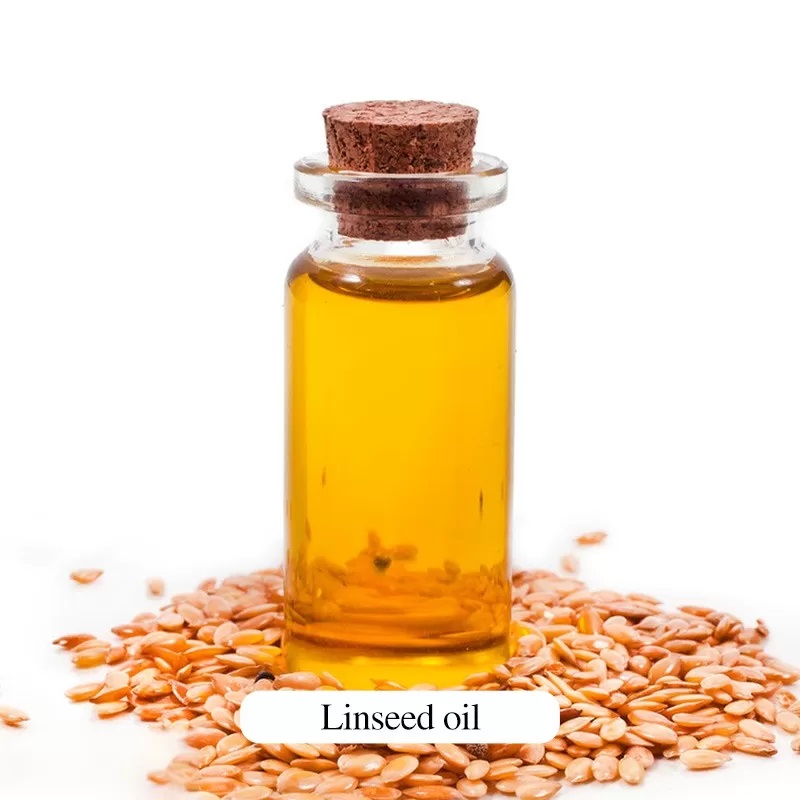
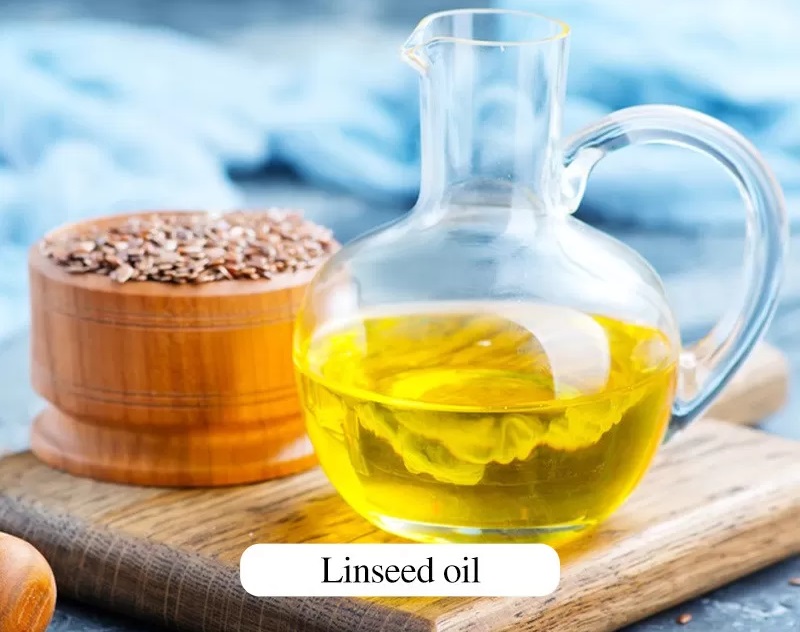
| Appearance | Clear, pale yellow to golden liquid |
| Odor | Characteristic, slightly nutty odor |
| Production Method | Cold-pressed (recommended to preserve nutrients) |
| Heat Sensitivity | Sensitive to heat; should not be used for cooking at high temperatures. Cold use is recommended. |
| Solubility | Insoluble in water, soluble in organic solvents (e.g., oils, fats) |
4. Nutritional Composition and Active Ingredients
The health benefits of linseed oil are derived from its rich and unique nutritional profile.
1. Omega-3 Fatty Acids (ALA - Alpha-Linolenic Acid):
-
Linseed oil is exceptionally rich in Alpha-Linolenic Acid (ALA), the plant-based form of omega-3 fatty acids.
-
Content: One tablespoon (approximately 15 ml) contains an average of 196 mg of ALA.
-
Conversion: Once ingested, ALA can be converted in the body into the active omega-3 forms, Eicosapentaenoic Acid (EPA) and Docosahexaenoic Acid (DHA). These are the same fatty acids found in fish oil and are crucial for heart and brain health.
-
Importance: It serves as an excellent alternative omega-3 source for individuals who do not consume fish, such as vegans and vegetarians.
2. Other Polyunsaturated Fatty Acids (PUFAs):
-
Contains short-chain polyunsaturated fatty acids that contribute to various bodily functions.
3. Lignans:
-
Flax seeds are the richest dietary source of lignans, which are phytoestrogens (plant compounds with weak estrogen-like effects).
4. Protein and Fiber:
-
While the oil itself is fat-based, the seeds are a good source of protein and fiber, which contribute to the oil's reputation for digestive health.
5. Antioxidants:
-
Contains antioxidant components that help protect the body from oxidative stress.
5. Health Benefits
The benefits of linseed oil are numerous and supported by both traditional use and modern science.
1. Supports Heart Health:
-
The high ALA (omega-3) content helps lower bad cholesterol (LDL) levels and maintain healthy blood pressure. Omega-3s are essential for maintaining cardiovascular function.
2. Reduces Inflammation:
-
Omega-3 fatty acids are well-known for their potent anti-inflammatory properties. Regular consumption may help reduce the risk of chronic diseases associated with inflammation.
3. Improves Digestive Health:
-
The oil, often associated with the fiber content of the seed, can help regulate the digestive system and promote gut health.
4. Supports Skin Health:
-
Linseed oil helps reduce skin inflammation and maintain the skin's moisture balance, contributing to a healthy and supple complexion.
5. Promotes Hormonal Balance:
-
The lignans in linseed oil can help balance hormone levels. They are particularly noted for their potential to alleviate menopausal symptoms in women due to their phytoestrogen activity.
6. Applications and Uses
Dietary and Nutritional Use:
-
Salad Dressings: An excellent addition to salads for a nutty flavor and nutritional boost.
-
Smoothies: Can be added to smoothies to increase healthy fat and omega-3 intake.
-
Direct Consumption: Can be taken by the spoonful as a daily supplement.
-
Important Note: It should not be used for cooking or frying at high temperatures, as heat can damage the beneficial fatty acids and create harmful compounds. It is best used in cold dishes or added to food after cooking.
Industrial and Other Uses:
-
Historically used in the production of fiber for clothing and paper.
-
Used in some wood finishing products (as a drying oil), although this typically involves processed linseed oil, not the cold-pressed food-grade oil.
7. Potential Side Effects and Harms
While linseed oil is very beneficial for most people, it can cause side effects in some individuals, especially when consumed in excess.
| Side Effect / Harm | Description |
|---|---|
| Allergic Reactions | Individuals with an allergy to flaxseed may experience rashes, itching, or other allergic symptoms. |
| Digestive Issues | Consuming excessive amounts can lead to gastrointestinal problems, particularly diarrhea. |
| Drug Interactions | May affect blood clotting. Individuals taking blood thinners (anticoagulants like warfarin or aspirin) should consult a doctor before use. |
| Hormonal Effects | Due to its lignan content, it may affect hormone levels. It is generally not recommended for individuals with hormone-sensitive cancers (e.g., certain breast or prostate cancers) without medical advice. |
Contraindications:
-
Pregnancy and lactation (consult a doctor).
-
Known allergy to flaxseed.
-
Bleeding disorders.
-
Upcoming surgery (stop use at least two weeks prior due to bleeding risk).
8. How to Use and Dosage Recommendations
-
General Use: 1 to 2 tablespoons (15-30 ml) per day is generally considered a beneficial amount.
-
Storage: It is highly perishable and sensitive to light and heat. Store in a dark, airtight bottle in the refrigerator after opening and consume within a few weeks.
-
Incorporation: Drizzle over salads, mix into yogurt or oatmeal, or blend into smoothies. Never use it as cooking oil.
9. Conclusion
Linseed (Flaxseed) Oil (CAS: 8001-26-1) is a remarkable natural product obtained by cold-pressing the seeds of the Linum Usitatissimum plant. It is a powerhouse of omega-3 fatty acids (ALA) , making it a crucial supplement for those seeking plant-based sources of essential fats. Its benefits range from supporting heart health and reducing inflammation to promoting digestive health, skin health, and hormonal balance.
However, due to its potential side effects and interactions with medications, it should be consumed with caution and ideally under the guidance of a healthcare professional. As a 100% natural product free from additives, it serves as a valuable component of a balanced, healthy lifestyle when used correctly and stored properly.