We unleash your business potential by maximize the business innovation.
Send EmailIsopropyl Myristate, Isopropyl Tetradecanoate, IPM, IPM-R, IPM-EX, IPM 100, 110-27-0
Isopropyl Myristate (IPM)
CAS Number: 110-27-0
Chemical Formula: C₁₇H₃₄O₂
Molecular Weight: 270.45 – 270.5 g/mol
EC Number: 203-751-4
Synonyms: Isopropyl Tetradecanoate, Myristic Acid Isopropyl Ester, IPM, Propan-2-yl tetradecanoate, 1-Methylethyl tetradecanoate, Estergel, Radia 7730, IPM-R, IPM-EX, IPM 100
1. CHEMICAL IDENTITY
| Parameter | Information |
|---|---|
| Product Name | Isopropyl Myristate |
| IUPAC Name | Propan-2-yl tetradecanoate |
| CAS Number | 110-27-0 |
| Molecular Formula | C₁₇H₃₄O₂ |
| Molecular Weight | 270.45 – 270.5 g/mol |
| EC Number | 203-751-4 |
| Chemical Class | Fatty Acid Ester, Emollient |
| Synonyms | Isopropyl Tetradecanoate, Myristic Acid Isopropyl Ester, IPM, Propan-2-yl tetradecanoate, 1-Methylethyl tetradecanoate, Estergel, Radia 7730, IPM-R, IPM-EX, IPM 100 |
2. PHYSICAL PROPERTIES
| Parameter | Value |
|---|---|
| Physical State (20°C) | Liquid |
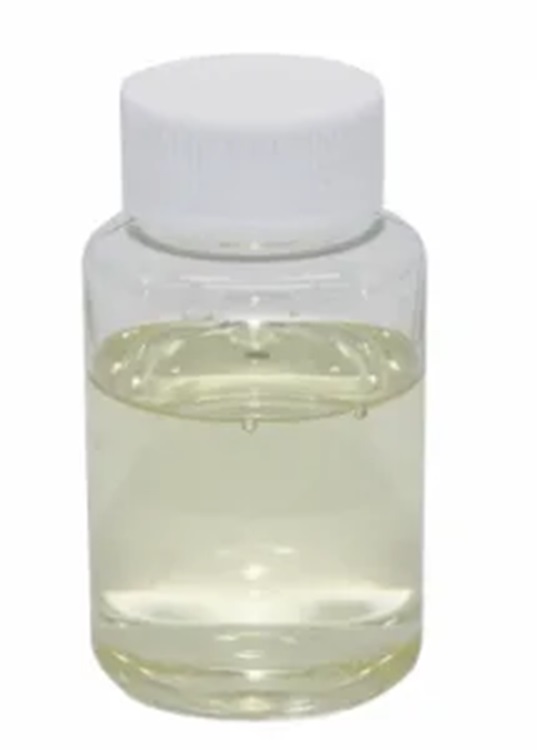
| Color | Colorless to light yellow, clear |
| Appearance | Oily, low-viscosity liquid |
| Odor | Practically odorless |
| Melting Point | ~3°C (approximately 3-7°C depending on purity) |
| Boiling Point | 193°C at 20 mmHg; 140°C at 2 mmHg |
| Flash Point | >150°C (>300°F) (closed cup) |
| Density (25°C) | 0.85 g/cm³ (0.846-0.860 g/cm³ range) |
| Refractive Index (25°C) | 1.432 – 1.434 |
| Viscosity (25°C) | ~4.8 cP |
| Vapor Pressure (25°C) | 0.0001246 hPa (very low) |
| Partition Coefficient (log Pow) | 7.71 (highly lipophilic) |
3. THERMODYNAMIC PROPERTIES
| Parameter | Value |
|---|---|
| Autoignition Temperature | >300°C |
| Surface Tension | Low (contributes to high spreadability) |
| Heat of Combustion | ~11,000 kJ/mol (estimated) |
4. SOLUBILITY PROPERTIES
| Solvent | Solubility |
|---|---|
| Water | Practically insoluble |
| Ethanol | Soluble |
| Acetone | Soluble |
| Chloroform | Soluble |
| Ethyl Acetate | Soluble |
| Toluene | Soluble |
| Mineral Oil | Soluble |
| Vegetable Oil | Soluble |
| Castor Oil | Soluble |
| Cottonseed Oil | Soluble |
| Glycerol | Insoluble |
| Propylene Glycol | Insoluble |
5. PRODUCTION PROCESS
| Step | Description |
|---|---|
| Raw Materials | Myristic acid (derived from coconut oil) + Isopropyl alcohol |
| Catalyst | 98% Sulfuric acid |
| Reaction Type | Esterification |
| Process | Myristic acid and isopropyl alcohol are heated with sulfuric acid catalyst |
| Recovery | Excess isopropyl alcohol is recovered after reaction |
| Neutralization | Neutralized with sodium carbonate |
| Purification | Alcohol and water are distilled off; IPM is purified |
Reaction Equation:
C₁₃H₂₇COOH (Myristic Acid) + (CH₃)₂CHOH (Isopropyl Alcohol) → C₁₃H₂₇COOCH(CH₃)₂ (IPM) + H₂O
6. FUNCTIONAL PROPERTIES
| Function | Description |
|---|---|
| Emollient | Softens and smooths skin; provides non-greasy feel |
| Solvent | Dissolves oils, waxes, and active pharmaceutical ingredients |
| Penetration Enhancer | Enhances absorption of active ingredients through skin |
| Dispersing Agent | Helps disperse powders and pigments in formulations |
| Lubricant | Provides slip and glide in creams, lotions, and pressed powders |
| Diluent | Used as diluent for fragrance oils and pharmaceutical preparations |
| Oxidation Resistant | Does not readily become rancid |
| Non-comedogenic | Does not typically clog pores (low to medium rating) |
7. APPLICATIONS - COSMETICS AND PERSONAL CARE
| Product Category | Function |
|---|---|
| Creams and Lotions | Non-greasy emollient; light skin feel; enhances spreadability |
| Facial Moisturizers | Penetration enhancer; improves active ingredient delivery |
| Hand Creams | Softening agent; non-tacky feel |
| Body Lotions and Oils | Superior emollient for non-greasy bath and body oils |
| Baby Creams | Combined with zinc stearate, benzyl salicylate, magnesium sulfate for skin protection and care (3-5 month baby skin care) |
| Shampoos and Shower Gels | Adds gloss and shine to hair ; improves rinseability |
| Makeup Removers | Gently lifts makeup and surface dirt at high concentrations |
| Pressed Powders and Foundations | Lubricant and compression aid ; improves adhesion |
| Lipsticks and Lip Balms | Solvent for dyes; provides gloss |
| Sunscreens | Solvent for UV filters; improves spreadability |
| Hair Styling Products (Permanent Waves, Straighteners) | Used with glyceryl monostearate as nonionic surfactant |
8. APPLICATIONS - PHARMACEUTICAL INDUSTRY
| Application | Function |
|---|---|
| Topical Ointments and Creams | Base component; solvent for active ingredients |
| Transdermal Drug Delivery | Penetration enhancer for drug absorption through skin |
| Suppositories | Vehicle for fat-soluble drugs |
| Sterility Testing | Diluent for oils, ointments, and creams (USP, EP, JP compliant) |
| Biologic Formulations | Solvent and penetration enhancer for poorly soluble compounds |
| Testosterone Gels | Diffusion enhancer in modified gel formulations |
| Medical Device Coatings | Protective coating for modified polyether urethane in post-surgical devices |
9. APPLICATIONS - OTHER INDUSTRIES
| Industry | Application |
|---|---|
| Head Lice Treatment | Alternative to toxic chemicals; suffocates head lice (non-toxic option) |
| Industrial Lubricants | Base for specialty lubricants |
| Printing Inks | Carrier and solvent |
| Plasticizers | Plasticizer for various polymers |
| Fragrance Industry | Diluent for fragrance oils |
| Veterinary Products | Ingredient in veterinary formulations |
| Agricultural Products | Solvent and carrier for pesticides and other active ingredients |
10. SAFETY AND TOXICOLOGICAL PROFILE
| Parameter | Value |
|---|---|
| Acute oral toxicity (rat, LD₅₀) | >10,000 mg/kg to >2,000 mg/kg (very low toxicity) |
| Acute dermal toxicity (rabbit, LD₅₀) | >5,000 mg/kg |
| Acute inhalation (rat) | No significant hazard due to low vapor pressure |
| Skin irritation | Mild irritation (slight to moderate in animal studies; minimal in humans) |
| Eye irritation | Mild irritation |
| Skin sensitization | Negative (not a sensitizer) |
| Germ cell mutagenicity | Negative (Ames test negative) |
| Carcinogenicity | Not classified as carcinogenic by IARC |
| Reproductive toxicity | No significant effects observed |
GHS Classification: Not classified as a hazardous substance under most regulatory systems
Human Sensitization Data: Clinical patch tests (8,117 subjects at 20%, 4,554 at 10%) showed positive reactions in 0.099% and 0.18% of subjects, respectively .
11. POTENTIAL HEALTH EFFECTS
| Route of Exposure | Effect |
|---|---|
| Inhalation | Negligible under normal conditions (low vapor pressure). Aerosol/mist may cause mild respiratory irritation. |
| Skin Contact | May cause mild irritation with prolonged contact. Generally well-tolerated in cosmetic formulations. |
| Eye Contact | May cause mild irritation. Rinse thoroughly. |
| Ingestion | Low oral toxicity. Large amounts may cause gastrointestinal discomfort. |
| Chronic Exposure | No significant adverse effects reported at typical exposure levels. |
12. FIRST AID MEASURES
| Exposure | First Aid Procedure |
|---|---|
| Inhalation | Remove to fresh air. If symptoms develop, seek medical attention. |
| Skin Contact | Wash with plenty of soap and water. Remove contaminated clothing. |
| Eye Contact | Rinse with plenty of water for at least 15 minutes. Remove contact lenses. Seek medical attention if irritation persists. |
| Ingestion | Do NOT induce vomiting. Rinse mouth. Drink 1-2 glasses of water. Seek medical attention if large amount ingested or discomfort develops. |
13. FIRE FIGHTING MEASURES
| Parameter | Information |
|---|---|
| Flash Point | >150°C (>300°F) (closed cup) |
| Autoignition Temperature | >300°C |
| Flammability | Combustible liquid. Forms explosive mixtures with air on intense heating. |
| Suitable Extinguishing Media | Dry chemical powder, CO₂, alcohol-resistant foam, water spray |
| Unsuitable Extinguishing Media | High-pressure water jet (may spread fire) |
| Firefighter PPE | Self-contained breathing apparatus (SCBA) |
| Combustion Products | Carbon monoxide (CO), carbon dioxide (CO₂) |
| Special Hazard | Vapors are heavier than air and may spread along floors |
14. ACCIDENTAL RELEASE MEASURES
| Step | Procedure |
|---|---|
| Personal Protection | Wear appropriate PPE (gloves, safety glasses) |
| Small Spills | Absorb with inert absorbent material (sand, vermiculite, diatomaceous earth) |
| Large Spills | Dike far ahead of spill to contain. Pump into salvage drums if possible. Cover drains. |
| Environmental Precautions | Do not let product enter drains or waterways |
| Disposal | Dispose of in accordance with local regulations |
15. PERSONAL PROTECTIVE EQUIPMENT (PPE)
| Protection Type | Requirement |
|---|---|
| Respiratory Protection | Not normally required (low vapor pressure). Use NIOSH-approved mask if mist/aerosol is generated. |
| Hand Protection | Nitrile rubber gloves (minimum thickness 0.4 mm, breakthrough time >480 min) |
| Eye Protection | Safety glasses |
| Skin Protection | Protective clothing as needed; wash hands after handling |
| Engineering Controls | Local exhaust ventilation if mist/aerosol is generated |
| Hygiene Measures | Wash hands after handling. Do not eat, drink, or smoke in work area. |
16. STORAGE CONDITIONS
| Parameter | Requirement |
|---|---|
| Storage Temperature | 2-8°C (refrigerated) or room temperature (15-25°C) in cool, dark place |
| Container Material | Stainless steel, HDPE, glass |
| Incompatible Materials | Strong oxidizing agents |
| Protection | Keep container tightly closed; protect from light; store in dry, well-ventilated area |
| Conditions to Avoid | Strong heating; open flames |
| Storage Class | Combustible liquids |
| Freezing Note | Solidifies at approximately 3°C; warm gently to liquefy |
| Shelf Life | 24-36 months under proper storage |
17. TRANSPORT INFORMATION
| Parameter | Information |
|---|---|
| UN Number | Not regulated (non-hazardous for transport) |
| Transport Class | Not classified as dangerous goods |
| Packing Group | Not applicable |
| Marine Pollutant | No |
| ADR/RID | Not dangerous goods |
| IATA (Air) | Not restricted |
| IMDG (Sea) | Not regulated |
18. ENVIRONMENTAL INFORMATION
| Parameter | Assessment |
|---|---|
| Biodegradability | Readily biodegradable (63-91% within 28 days) |
| Ecotoxicity (Fish LC₅₀, 96 hours) | 8,400 mg/L (Danio rerio) ; >1,000 mg/L (Lepomis macrochirus) |
| Daphnia magna EC₅₀ (48 hours) | >100 mg/L to <100 mg/L |
| Algae EC₅₀ (72 hours) | >100 mg/L |
| Bioaccumulation Potential | Moderate (log Pow = 7.71) |
| PBT Assessment | Not considered PBT or vPvB |
| Environmental Precautions | Avoid release to waterways; may cause long-lasting effects to aquatic life |
| GHS Aquatic Hazard | H413: May cause long-lasting harmful effects to aquatic life |
19. REGULATORY STATUS
| Region/Agency | Status |
|---|---|
| USA (FDA) | Approved for use in cosmetics and topical pharmaceuticals |
| USP/NF | Listed as pharmaceutical primary standard |
| EP (European Pharmacopoeia) | Approved |
| JP (Japanese Pharmacopoeia) | Approved |
| JECFA (WHO) | No safety concerns at current intake levels; ADI not specified |
| IARC | Not classified as carcinogen |
| TSCA (USA) | Listed |
| EINECS (EU) | Listed (203-751-4) |
| REACH | Registered |
20. SUMMARY AND CRITICAL INFORMATION
Description: Isopropyl Myristate (IPM, CAS 110-27-0) is a fatty acid ester produced by the esterification of myristic acid (derived from coconut oil) with isopropyl alcohol. It is a colorless to light yellow, practically odorless, low-viscosity oily liquid with excellent spreading properties. IPM is widely used as an emollient, solvent, penetration enhancer, and dispersing agent in cosmetic and pharmaceutical formulations .
Key Advantages:
-
Superior emollient with non-greasy, light skin feel
-
Excellent spreading capacity due to low viscosity and density
-
Penetration enhancer for improved active ingredient delivery
-
Resistant to oxidation (does not become rancid)
-
Dissolves many waxes, cholesterol, and lanolin
-
Compatible with most surfactants across wide pH range
-
Non-toxic alternative for head lice treatment
-
Low acute toxicity profile (LD₅₀ oral >10,000 mg/kg)
-
Not classified as hazardous substance under most regulations
-
Readily biodegradable
Key Limitations/Considerations:
-
Insoluble in water, glycerol, and propylene glycol
-
Solidifies at approximately 3°C (requires warming in cold conditions)
-
Flammable liquid (combustible above flash point)
-
May cause mild skin/eye irritation with prolonged contact
-
Can cause allergic skin reactions in some individuals (low incidence)
-
Avoid release to aquatic environment (H413)
Major Applications by Industry:
| Industry | Applications |
|---|---|
| Cosmetics | Creams, lotions, makeup removers, shampoos, pressed powders, sunscreens |
| Pharmaceutical | Topical ointments, transdermal patches, suppositories, sterility testing diluent |
| Personal Care | Baby creams, bath oils, hair styling products |
| Other | Head lice treatment, fragrance diluent, industrial lubricants |
Safety Summary:
-
Low acute toxicity (LD₅₀ oral >10,000 mg/kg)
-
Non-carcinogenic (IARC not classified)
-
Non-sensitizing in standard tests (low incidence of allergic reactions in humans)
-
Non-mutagenic (Ames test negative)
-
Generally recognized as safe for use in cosmetics and topical pharmaceuticals
-
Minimal skin/eye irritation potential
Recommended Storage: Tightly closed container in cool, dark, well-ventilated area; protect from oxidizing agents. Store at 2-8°C for long-term stability .
Conclusion: Isopropyl Myristate is a versatile, safe, and effective ingredient essential to the cosmetics and pharmaceutical industries. Its unique combination of emollient properties, penetration enhancement, solvent capabilities, and oxidation resistance makes it valuable in creams, lotions, makeup removers, pressed powders, topical medications, and transdermal drug delivery systems. With low toxicity and high biodegradability, IPM remains a sustainable choice for modern formulations.