We unleash your business potential by maximize the business innovation.
Send EmailGlycine, Glycine, L-Glycine, Glycocoll, H-Gly-OH, Gly, 56-40-6
GLYCINE
Glycine / Aminoacetic Acid / Glycocoll / 2-Aminoacetic acid / H-Gly-OH
CAS Number: 56-40-6
EC Number: 200-272-2
1. PRODUCT IDENTIFICATION AND CHEMICAL IDENTITY
| Parameter | Description |
|---|---|
| Chemical Name (IUPAC) | 2-Aminoacetic acid |
| Other Names | Glycine, Aminoacetic acid, Glycocoll, H-Gly-OH, Aminoethanoic acid |
| CAS Number | 56-40-6 |
| EC Number (EINECS) | 200-272-2 |
| Molecular Formula | C₂H₅NO₂ |
| Molecular Weight | 75.07 g/mol |
| Chemical Class | Amino acid (non-essential, simplest amino acid) |
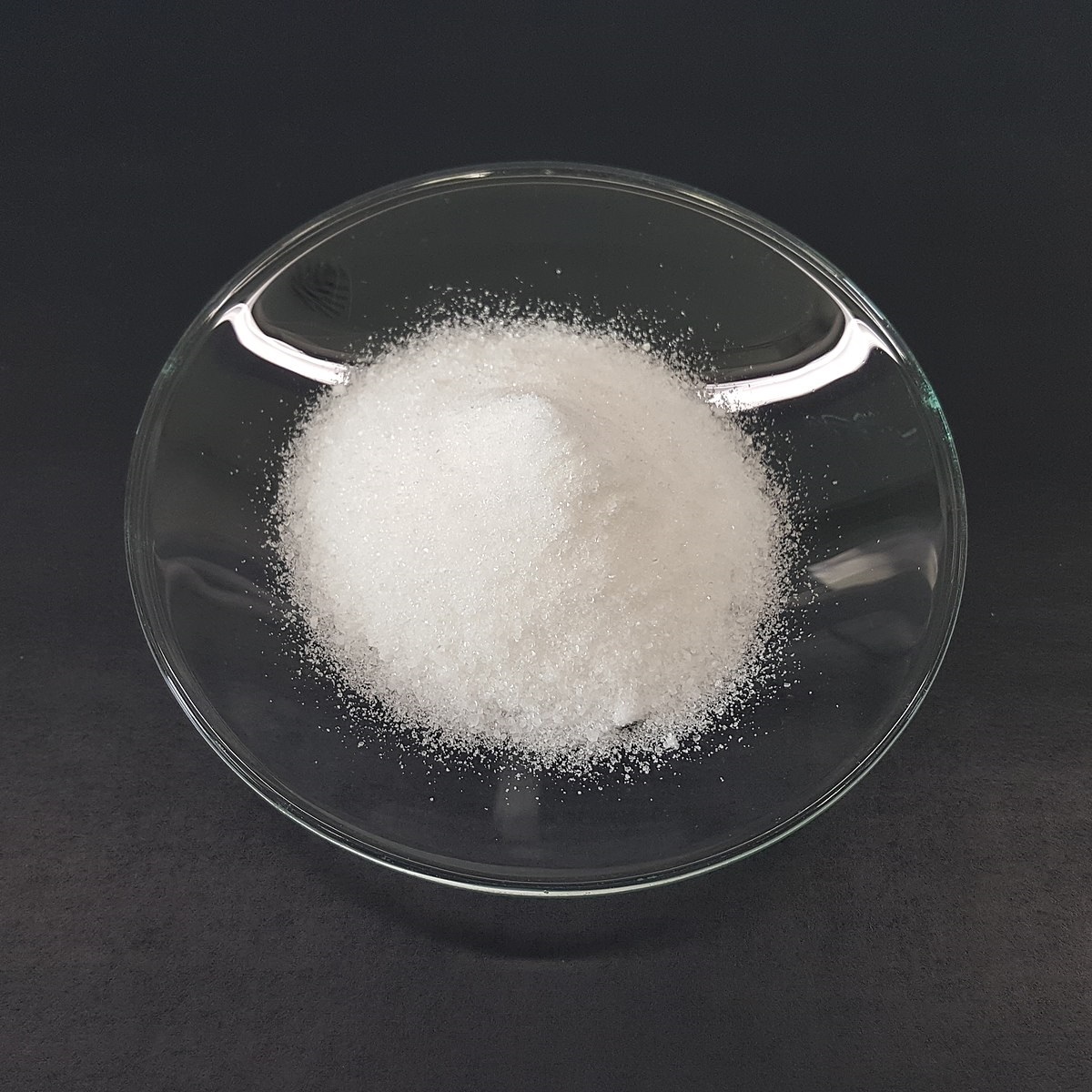
| Appearance | White crystalline powder (white monoclinic/hexagonal crystals) |
| Odor | Odorless |
| Taste | Characteristic sweet taste |
Glycine is the smallest and simplest of the 20 standard amino acids. Its side chain consists of a single hydrogen atom, which allows it to fit into tight spaces within protein structures, such as the collagen helix. As a non-essential amino acid, glycine can be synthesized by the human body. In aqueous solution, glycine acts as a strong electrolyte (zwitterion) with both acidic and basic functional groups. It appears as a white crystalline powder, is odorless, and has a characteristic sweet taste. It has high water solubility (25 g/100 mL at 25°C), is slightly soluble in ethanol, and practically insoluble in acetone and ether. Glycine is a versatile amino acid with extensive applications in the pharmaceutical, food, feed, chemical, agricultural, and biochemical research industries.
2. PHYSICAL AND CHEMICAL PROPERTIES
| Property | Value |
|---|---|
| Molecular Formula | C₂H₅NO₂ |
| Molecular Weight | 75.07 g/mol |
| Appearance | White crystalline powder (white monoclinic/hexagonal crystals) |
| Odor | Odorless |
| Taste | Characteristic sweet taste |
| Density | 1.595 g/cm³ |
| Melting Point | 240°C (decomposes) |
| Boiling Point | 233°C |
| Flash Point | 176.67°C |
| pH (0.2 M aqueous solution) | 4.0 |
| pKa (25°C) | 2.35 (carboxyl); 9.60 (amino) |
| Vapor Pressure (25°C) | 0.0000171 Pa |
| Refractive Index | 1.4264 (estimated) |
| UV Maximum (λmax) | 260 nm: Amax ≤ 0.05; 280 nm: Amax ≤ 0.05 |
| Stability | Stable. Combustible. Incompatible with strong oxidizing agents. |
| Storage Condition | 2-8°C |
| Shelf Life | 24-36 months (under proper storage) |
| Hygroscopicity | Slightly hygroscopic |
3.1. Solubility Profile
| Solvent | Solubility | Conditions |
|---|---|---|
| Water | 25 g/100 mL | At 25°C |
| Water | 39.1 g/100 mL | At 50°C |
| Water | 54.4 g/100 mL | At 75°C |
| Water | 67.2 g/100 mL | At 100°C |
| Anhydrous Ethanol | ~0.06 g/100g | Very slightly soluble |
| Pyridine | 164 g/100 mL | Soluble |
| Acetone | Practically insoluble | - |
| Ether | Practically insoluble | - |
Glycine is a white crystalline powder with a characteristic sweet taste. It is known for its high water solubility (25 g/100 mL at 25°C, 67.2 g/100 mL at 100°C). Its aqueous solution is slightly acidic (pH 4.0). The pKa values are 2.35 (carboxyl group) and 9.60 (amino group), explaining its zwitterionic structure. It is slightly soluble in ethanol and practically insoluble in acetone and ether. It melts and decomposes at 240°C.
3. CHEMICAL PROPERTIES AND REACTIONS
Glycine is the simplest amino acid with a side chain consisting of a single hydrogen atom. Its chemical behavior is determined by its amino and carboxyl groups.
Acid-Base Properties:
Glycine has a zwitterionic structure. pKa values: 2.35 (carboxyl) and 9.60 (amino).
Esterification:
Glycine can be esterified with alcohols to form glycine esters (e.g., glycine ethyl ester hydrochloride).
Acylation:
Glycine reacts with acid chlorides or anhydrides to form N-acyl derivatives.
Metal Chelation:
Glycine forms chelate complexes with metal ions such as magnesium, iron, copper, gold, and silver. This property is used in the food industry as an antioxidant and in electroplating.
Maillard Reaction:
Glycine participates in Maillard reactions with reducing sugars to form brown pigments and flavor compounds.
Thermal Decomposition:
Above its melting point, glycine decomposes to form ammonia, carbon dioxide, and various nitrogen-containing compounds.
Strecker Synthesis (Reverse Reaction):
Glycine can react with formaldehyde, hydrogen cyanide, and ammonia to form glycine derivatives.
4. PRODUCTION METHODS
Glycine can be produced by various industrial methods. The most common method is monochloroacetic acid amination, widely used in China.
| Method | Raw Materials | Process Description |
|---|---|---|
| Monochloroacetic Acid Amination (Most Common) | Chloroacetic acid, Ammonia, Ammonium bicarbonate, Urotropine (hexamine), Methanol | Ammonia water and ammonium bicarbonate are mixed and heated. Chloroacetic acid solution is added dropwise. The mixture is reacted, cooled, and crystallized. The crude product is recrystallized from water/methanol. Yield: ~42% (traditional) or up to 92-94% with urotropine catalyst. |
| Strecker Method | Formaldehyde, Sodium cyanide (or Potassium cyanide), Ammonium chloride, Sulfuric acid, Barium hydroxide | Formaldehyde reacts with sodium cyanide and ammonium chloride to form methylene amino acetonitrile. Decomposed with sulfuric acid in ethanol. Barium hydroxide is added, followed by sulfuric acid to precipitate barium. The filtrate is concentrated to obtain glycine crystals. |
| Biosynthetic Method | Ethanolamine, Glycine amine, Microorganisms (Agrobacterium, Brevibacterium, Corynebacterium) | Selected microorganisms convert ethanolamine or glycine amine to glycine. High selectivity and environmentally friendly, but still in development. |
| Extraction from Natural Sources | Waste silk, Gelatin, Hydrochloric acid | Hydrolysis of waste silk or gelatin with hydrochloric acid, followed by purification using ion exchange columns. |
| Bucherer Method | Trioxymethylene, Ammonium carbonate, Sodium cyanide | Hydantoin is formed using trioxymethylene, ammonium carbonate, and sodium cyanide, followed by alkaline hydrolysis and ion exchange. |
Detailed Production Process (Monochloroacetic Acid Amination - Most Common):
-
Reaction: Ammonia water and ammonium bicarbonate are mixed and heated. Chloroacetic acid solution is added dropwise in the presence of urotropine (hexamine) catalyst.
ClCH₂COOH + 2 NH₃ → NH₂CH₂COOH + NH₄Cl
-
Crystallization: The reaction mixture is cooled, and glycine crystals are precipitated.
-
Purification: Crude glycine is recrystallized from water/methanol.
-
Drying: Purified glycine crystals are dried.
Raw Material Consumption (per ton): Chloroacetic acid (95%): 1600 kg; Liquid ammonia: 880 kg; Urotropine: 350 kg; Methanol (95%): 1100 kg.
5. PHYSIOLOGICAL FUNCTIONS AND HEALTH BENEFITS
Glycine is a non-essential amino acid that plays numerous critical physiological roles in the body. Approximately one-third of collagen is composed of glycine.
5.1. Collagen Synthesis and Tissue Health
| Benefit | Description |
|---|---|
| Collagen Synthesis | Approximately one-third of collagen is glycine; essential for skin, bone, tendon, and joint health. |
| Tissue Repair | Supports wound healing and tissue repair. |
| Joint Health | Supports cartilage and joint health. |
Glycine constitutes approximately one-third of collagen and is therefore essential for skin, bone, tendon, cartilage, and joint health. It supports wound healing and tissue repair.
5.2. Neurotransmitter and Nervous System
| Benefit | Description |
|---|---|
| Inhibitory Neurotransmitter | Acts as an inhibitory neurotransmitter in the central nervous system, promoting calmness. |
| Sleep Quality | May improve sleep quality. |
| Cognitive Function | May support cognitive function. |
Glycine acts as an inhibitory neurotransmitter in the central nervous system. It promotes calmness, may improve sleep quality, and may support cognitive function.
5.3. Detoxification and Antioxidant Support
| Benefit | Description |
|---|---|
| Detoxification | Helps the liver eliminate toxins. |
| Glutathione Precursor | Plays a role in the synthesis of glutathione (with cysteine and glutamic acid), one of the body's major antioxidants. |
| Metabolic Balance | Supports metabolic balance. |
Glycine helps the liver eliminate toxins and plays a role in the synthesis of glutathione, one of the body's major antioxidants. It supports metabolic balance.
5.4. Metal Chelation and Mineral Absorption
| Benefit | Description |
|---|---|
| Mineral Absorption | Binds to minerals such as magnesium and iron, improving their absorption and bioavailability. |
Glycine forms chelate complexes with metal ions such as magnesium, iron, copper, gold, and silver, improving the absorption and bioavailability of minerals.
6. APPLICATIONS AND INDUSTRIAL USES
6.1. Pharmaceutical Industry (Pharmaceutical Grade)
| Application | Description |
|---|---|
| Myasthenia Gravis Treatment | Used in the treatment of myasthenia gravis and progressive muscular atrophy. |
| Antacid | Used as an antacid for hyperacidity and chronic enteritis (often combined with antacids). |
| Buffering Agent | Used as a buffer for chlortetracycline and other antibiotics. |
| Raw Material | Used as a raw material for the synthesis of L-dopa (Parkinson's disease drug) and threonine. |
| Amino Acid Solutions | Used as a nitrogen source in parenteral nutrition. |
| Gastric Irritation Reduction | Reduces gastric irritation when combined with aspirin. |
6.2. Food Industry (Food Grade)
| Application | Description |
|---|---|
| Flavor Enhancer | Adds sweetness and masks the bitter aftertaste of saccharin (limited to 0.2% in beverages). |
| Seasoning | Used in soy sauce, soups, meat products, and alcoholic beverages (wine: 0.4%; champagne: 1.0%). |
| Preservative | Inhibits Bacillus subtilis and E. coli in surimi products and peanut butter (1-2%). |
| Buffering Agent | Stabilizes salt and vinegar flavors in pickled products (0.05-0.5%). |
| Antioxidant | Extends the shelf life of cream, cheese, and margarine by metal chelation (3-4 times). |
| Bakery Products | Stabilizes lard in baked goods (with glucose). |
6.3. Feed Industry (Feed Grade)
| Application | Description |
|---|---|
| Feed Additive | Used as a nutritional supplement in poultry and livestock feed to promote growth. |
6.4. Chemical and Agricultural Industry (Technical Grade)
| Application | Description |
|---|---|
| Glyphosate Synthesis | Used as an intermediate in the synthesis of the herbicide glyphosate. |
| Pesticide Synthesis | Used as an intermediate in the synthesis of iprodione (fungicide) and pyrethroid insecticides. |
| Fertilizer | Used as a non-toxic solvent for removing carbon dioxide in the nitrogen fertilizer industry. |
| Electroplating | Added as a pH adjuster and complexing agent in plating solutions. |
6.5. Biochemistry and Research
| Application | Description |
|---|---|
| Electrophoresis | An essential component of Tris-glycine and Tris-glycine-SDS running buffers for polyacrylamide gel electrophoresis (PAGE). |
| Western Blot | Used in transfer buffers. |
| Tissue Culture | Used in the preparation of culture media. |
| Analytical Reagent | Used in tests for copper, gold, and silver. |
7. DOSAGE AND ADMINISTRATION
| Parameter | Information |
|---|---|
| General Supplementation | 500-3,000 mg per day |
| Sleep Support | 1,000-3,000 mg per day (before bedtime) |
| Pharmaceutical Use | Medical supervision required |
| Food Additive (Flavor Enhancer) | Varies by food type (up to 0.2% in beverages; 0.15% in sausages) |
| Feed Additive | Varies by feed formulation |
| Forms | Tablets, capsules, powders |
| Disclaimer | Dosages may vary based on individual needs and health status. Consult a healthcare professional before use. |
8. POTENTIAL SIDE EFFECTS AND WARNINGS
| Side Effect | Description |
|---|---|
| Gastrointestinal Distress | Nausea, diarrhea, abdominal cramps (at high doses) |
| Drowsiness | May cause drowsiness at high doses (inhibitory neurotransmitter effect) |
| Drug Interactions | May interact with antipsychotic medications and clozapine |
| Pregnancy and Lactation | Generally safe at recommended doses; consult healthcare professional before use |
9. SAFETY AND TOXICOLOGY
| Parameter | Value |
|---|---|
| Oral LD50 (Rat) | 7,930 mg/kg |
| Oral LD50 (Guinea Pig) | 6.8 – 8.0 g/kg |
| Skin Irritation | Non-irritant |
| Eye Irritation | Mild irritant |
| Skin Sensitization | Not a sensitizer |
| Mutagenicity | Negative (Ames test) |
| Carcinogenicity | Not classified |
| GRAS Status | Generally Recognized as Safe (GRAS) by FDA |
| WGK Germany | 2 (hazard to water) |
10. FIRST AID MEASURES
| Exposure Route | Action |
|---|---|
| Inhalation | Move person to fresh air. If irritation persists, seek medical attention. |
| Skin Contact | Wash with plenty of soap and water. If irritation persists, seek medical attention. |
| Eye Contact | Rinse immediately with plenty of water for at least 15 minutes. Remove contact lenses if present. If irritation persists, seek medical attention. |
| Ingestion | Rinse mouth with water. Drink plenty of water. Do NOT induce vomiting. Seek medical attention if large amounts are swallowed. |
11. SAFETY INFORMATION (GHS CLASSIFICATION)
| Hazard Class | Category |
|---|---|
| Skin Irritation | Category 3 (mild irritation) |
| Eye Irritation | Category 2B (mild irritation) |
| Specific Target Organ Toxicity - Single Exposure | Category 3 (respiratory irritation) |
Signal Word: WARNING
Hazard Statements (H-Codes):
| Code | Statement |
|---|---|
| H315 | Causes skin irritation (mild) |
| H319 | Causes serious eye irritation (mild) |
| H335 | May cause respiratory irritation (dust) |
Precautionary Statements (P-Codes):
| Code | Statement |
|---|---|
| P261 | Avoid breathing dust |
| P271 | Use only outdoors or in a well-ventilated area |
| P280 | Wear protective gloves, protective clothing, eye/face protection |
| P302+P352 | IF ON SKIN: Wash with plenty of soap and water |
| P304+P340 | IF INHALED: Remove person to fresh air and keep comfortable for breathing |
| P305+P351+P338 | IF IN EYES: Rinse cautiously with water for several minutes. Remove contact lenses if present and easy to do. Continue rinsing |
| P332+P313 | If skin irritation occurs: Get medical attention |
| P337+P313 | If eye irritation persists: Get medical attention |
| P403+P233 | Store in a well-ventilated place. Keep container tightly closed |
| P501 | Dispose of contents/container in accordance with local/regional/national/international regulations |
12. FIREFIGHTING MEASURES
| Parameter | Information |
|---|---|
| Fire Hazard | Combustible dust; dust-air mixtures may be explosive at high concentrations |
| Extinguishing Media | Water spray, CO₂, dry chemical powder, foam |
| Special Hazards | Thermal decomposition produces toxic and irritant fumes (nitrogen oxides, carbon monoxide, carbon dioxide) |
| Protective Equipment | Self-contained breathing apparatus (SCBA), full protective clothing |
13. ACCIDENTAL RELEASE MEASURES
| Parameter | Information |
|---|---|
| Personal Protection | Wear appropriate PPE (dust mask, goggles, protective clothing, gloves) |
| Ventilation | Increase ventilation; evacuate area if necessary |
| Containment | Stop source if safe; contain powder to prevent spread |
| Cleaning Methods | Vacuum or sweep carefully to avoid dust generation; use wet methods to suppress dust |
| Environmental Precautions | Prevent entry into drains, sewers, and water bodies |
| Waste Disposal | Dispose of according to local, state, and federal regulations |
14. STORAGE AND HANDLING
| Parameter | Information |
|---|---|
| Storage Conditions | Cool, dry, well-ventilated area; store at 2-8°C; protect from moisture |
| Container Requirements | Tightly closed containers (bags, drums, boxes) |
| Materials to Avoid | Strong oxidizing agents |
| Shelf Life | 24-36 months under proper storage conditions |
| Hygroscopicity | Slightly hygroscopic |
| Handling Notes | Avoid dust generation; avoid contact with skin and eyes |
| Packaging Options | 25 kg bags (standard), 25 kg drums, 500-1000 kg FIBCs |
Glycine should be stored at 2-8°C in cool, dry, well-ventilated areas, protected from moisture. It is slightly hygroscopic. It should be kept away from strong oxidizing agents. Shelf life under proper storage conditions is typically 24-36 months.
Handling Notes:
-
Avoid dust generation (use enclosed systems, local exhaust ventilation)
-
Avoid contact with skin and eyes (use protective gloves and goggles)
-
Avoid breathing dust (use dust mask or respirator)
-
Keep away from ignition sources
-
Do not allow material to become wet
15. TRANSPORT INFORMATION
| Parameter | Information |
|---|---|
| UN Number | Not applicable (not classified as dangerous good) |
| Hazard Class | Not a dangerous good |
| Packing Group | Not applicable |
| Proper Shipping Name | Glycine |
| Marine Pollutant | No |
| ADR/RID Label | Not applicable |
Glycine is not classified as a dangerous good for transport. It is shipped in 25 kg bags, drums, or FIBCs. During transport, protect from moisture, impact, and excessive heat.
16. REGULATORY INFORMATION
| Region | Status |
|---|---|
| EU | REACH registered; approved as food additive |
| Turkey (KKDİK) | Mandatory compliance; requires registration |
| USA (TSCA) | Listed; GRAS by FDA |
| Canada (DSL) | Listed |
| Australia (AICS) | Listed |
| Japan (ENCS) | Listed |
| Korea (KECL) | Listed |
| China (IECSC) | Listed |
Regulatory Status:
| Status | Information |
|---|---|
| FDA Compliance | GRAS (Generally Recognized as Safe) - Permitted as a source of amino acids (up to 3.5% of total protein in food, §172.320). Permitted as a bitter masking agent for saccharin (up to 0.2% in finished beverages, §172.812). |
| EU Compliance | Approved food additive |
| IARC Classification | Not classified |
| HS Code | 29224910 |
| RTECS | MB7600000 |
| WGK Germany | 2 (hazard to water) |
| TSCA | Yes |
| EINECS | 200-272-2 |
| FEMA Number | 3287 |
| JECFA Number | 1421 |
| Merck Index | 14, 4491 |
| BRN | 635782 |
17. OTHER NAMES AND DATABASE IDENTIFIERS
| Category | Names / Identifiers |
|---|---|
| Common Names | Glycine, Aminoacetic acid, Glycocoll |
| Chemical Synonyms | H-Gly-OH, Aminoethanoic acid, 2-Aminoacetic acid |
| Grade-Based Names | Glycine BP, Glycine USP, USP24 GLYCINE USP24, Food Grade Glycine, Feed Grade Glycine, Technical Grade Glycine, Pharmaceutical Grade Glycine |
| Laboratory Names | Blotting Buffer, Glycine, Free Base |
Database Identifiers:
| Database | Identifier |
|---|---|
| CAS | 56-40-6 |
| EC (EINECS) | 200-272-2 |
| MDL | MFCD00008131 |
| PubChem CID | 750 |
| RTECS | MB7600000 |
| UN | Not applicable |
| HS Code | 29224910 |
| Merck | 14, 4491 |
| BRN | 635782 |
| FEMA | 3287 |
| JECFA | 1421 |
18. SUMMARY AND CRITICAL WARNINGS
SUMMARY:
Glycine (C₂H₅NO₂, CAS 56-40-6) is the smallest and simplest of the 20 standard amino acids. Its side chain consists of a single hydrogen atom. It appears as a white crystalline powder, is odorless, and has a characteristic sweet taste. The molecular weight is 75.07 g/mol, density is 1.595 g/cm³, melting point is 240°C (decomposes), and water solubility at 25°C is 25 g/100 mL. It has high water solubility, is slightly soluble in ethanol, and practically insoluble in acetone and ether. As a non-essential amino acid, it plays critical roles in collagen synthesis, neurotransmission, detoxification, and antioxidant support. It has extensive applications in the pharmaceutical, food, feed, chemical, agricultural, and biochemical research industries. It is considered GRAS by the FDA. It is stored at 2-8°C in cool, dry, well-ventilated areas, protected from moisture. Packaging: 25 kg bags, drums, or FIBCs.
Key Properties:
| Property | Value |
|---|---|
| Appearance | White crystalline powder |
| Chemical Formula | C₂H₅NO₂ |
| Molecular Weight | 75.07 g/mol |
| CAS Number | 56-40-6 |
| Melting Point | 240°C (decomposes) |
| Water Solubility (25°C) | 25 g/100 mL |
| pH (0.2 M solution) | 4.0 |
| pKa | 2.35 (carboxyl); 9.60 (amino) |
| Primary Use | Pharmaceutical, food additive, feed additive, research |
Major Application Areas:
| Industry | Applications |
|---|---|
| Pharmaceutical | Myasthenia gravis treatment, antacid, buffer, raw material |
| Food | Flavor enhancer, seasoning, preservative, antioxidant, buffering agent |
| Feed | Growth-promoting feed additive |
| Agriculture & Chemistry | Glyphosate and pesticide synthesis, fertilizer, electroplating |
| Biochemistry/Research | Electrophoresis buffers, Western blot, tissue culture, analytical reagent |
Key Safety Points:
-
LOW TOXICITY: GRAS by FDA; LD50 (Rat) > 7,930 mg/kg
-
SLIGHTLY HYGROSCOPIC: Protect from moisture; store in tightly closed containers
-
MILD IRRITANT: May cause mild skin and eye irritation
-
STORAGE: Store at 2-8°C in cool, dry, well-ventilated area, protected from moisture
-
PPE RECOMMENDED: Dust mask, safety goggles, protective gloves (for handling powder)
-
FOOD ADDITIVE: FDA GRAS; approved as food additive in many countries
CRITICAL WARNINGS:
Simplest Amino Acid: Glycine is the smallest and simplest of the 20 standard amino acids. Its side chain is a single hydrogen atom, which allows it to fit into tight spaces within protein structures, such as the collagen helix. Approximately one-third of collagen is glycine.
Zwitterionic Structure: Glycine acts as a strong electrolyte (zwitterion) in water with both acidic and basic functional groups. Its aqueous solution is slightly acidic (pH 4.0).
Food Additive Use: Glycine is GRAS by the FDA. It is permitted as a source of amino acids in food (up to 3.5% of total protein, §172.320). It is permitted as a bitter masking agent for saccharin (up to 0.2% in finished beverages, §172.812). As FEMA 3287, it is approved as a flavor enhancer in beverages, confectionery, baked goods, meat, sausages, broth, and seasonings (typical use: 150 mg/kg).
JECFA and EU Compliance: It is evaluated and accepted as a food additive by JECFA (1421). It is an approved food additive in the EU.
Flavor Enhancer: Glycine adds sweetness to foods and masks the bitter aftertaste of saccharin. It is used in soy sauce, soups, meat products, and alcoholic beverages (wine: 0.4%; champagne: 1.0%).
Antioxidant Use: Glycine extends the shelf life of cream, cheese, and margarine by metal chelation (3-4 times). It also acts as a preservative in surimi products and peanut butter by inhibiting Bacillus subtilis and E. coli (1-2%).
Neurotransmitter Effect: Glycine acts as an inhibitory neurotransmitter in the central nervous system. It promotes calmness and may improve sleep quality. High doses may cause drowsiness.
Metal Chelation: Glycine forms chelate complexes with metal ions such as magnesium, iron, copper, gold, and silver. This property is used as an antioxidant in the food industry, as a complexing agent in electroplating, and to improve mineral absorption.
Parkinson's Disease and Other Drug Syntheses: Glycine is used as a raw material for the synthesis of L-dopa (Parkinson's disease drug) and threonine.
Important Disclaimer: This Technical Data Sheet (TDS) is for informational purposes only. The information provided is based on available data and is believed to be accurate. However, the user is solely responsible for determining the suitability of the product for their specific application and for complying with all applicable regulations and safety requirements. For complete safety, handling, storage, and regulatory compliance information, always refer to the official Safety Data Sheet (SDS/MSDS) provided by the manufacturer/supplier. Users are responsible for testing the product in their own processes and applications. All local, national, and international regulations must be followed when working with glycine.