We unleash your business potential by maximize the business innovation.
Send EmailErythritol, meso-Erythritol, Erythrit, E968, 149-32-6
1. Product Identity and Basic Information
Erythritol is a sugar alcohol (polyol) that has become one of the most popular sugar substitutes in recent years. The names in your list represent its various commercial and chemical identifiers.
-
Common Names: Erythritol, meso-Erythritol, Erythrit, E968 (European food additive code) .
-
Chemical Name: (2R,3S)-butane-1,2,3,4-tetrol or 1,2,3,4-Butanetetrol .
-
CAS Number: 149-32-6 (The unique universal identifier for this chemical) .
-
Molecular Formula: C₄H₁₀O₄.
-
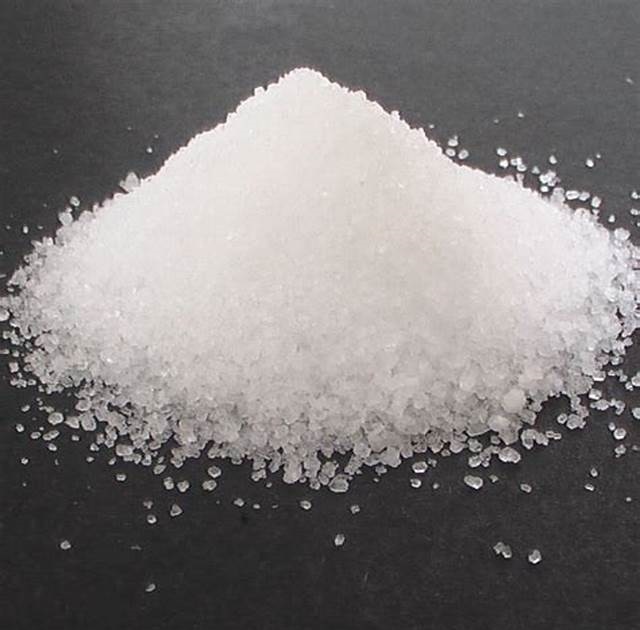
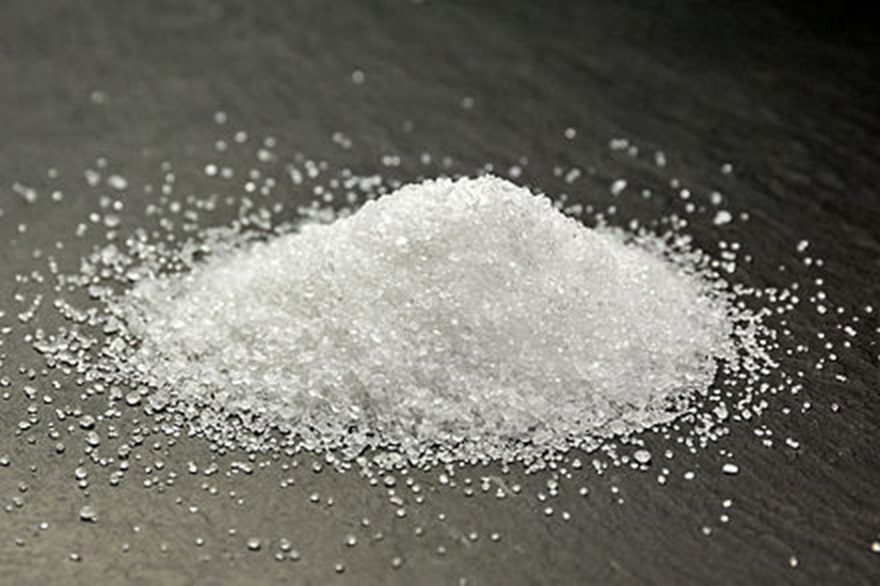
Appearance: White, crystalline powder or granules.
2. Physical and Sensory Properties (Forms)
Erythritol is available in two main physical forms on the market, each with different advantages for specific applications:
1. Powder Form
-
Market Share (2024): ~68% (The largest share)
-
Usage Advantages: Easy to mix, ideal as a binder in pharmaceutical tablets, suitable for bakery products and beverage powder mixes.
-
Key Sectors: Pharmaceuticals, bakery products, powdered beverages .
2. Granular Form
-
Market Share (2024): ~32%
-
Usage Advantages: Appearance and texture similar to table sugar, produces less dust during handling.
-
Key Sectors: Tabletop sweeteners, certain confectionery applications .
Sweetness and Taste Profile:
-
Sweetness Level: It is approximately 70% as sweet as sugar (sucrose).
-
Cooling Effect: It creates a distinct, refreshing cooling sensation in the mouth (endothermic dissolution). This is an advantage in products like mint chocolate but may need to be masked in other applications .
3. Health and Nutritional Advantages
As noted in your information, the primary reason for Erythritol's popularity lies in its unique metabolic properties.
-
Zero Calories: Regulatory bodies like the FDA (USA) and EFSA (EU) recognize it as providing 0 kcal/g. This is because it is absorbed by the body but excreted in urine unchanged, meaning it is not metabolized for energy .
-
No Effect on Blood Sugar (Low Glycemic Index): It does not raise blood glucose or insulin levels after consumption. This makes it a safe sweetener for diabetics .
-
Digestive Tolerance: Compared to other sugar alcohols (like xylitol or maltitol), it is much better tolerated by the digestive system. Because it is rapidly absorbed in the small intestine, it does not reach the large intestine to be fermented by gut bacteria. Therefore, the risk of experiencing gas, bloating, or laxative effects is very low .
-
Dental Health (Non-cariogenic): Oral bacteria cannot ferment erythritol. Therefore, it does not contribute to tooth decay and is commonly used in oral care products like toothpaste and mouthwash .
4. Applications and Uses
Erythritol's versatility allows it to be used across many industries.
**Food and Beverage (Largest Market - ~55% Share) **
-
Confectionery: Sugar-free chocolate, gum, hard and soft candies.
-
Bakery Products: Cakes, cookies, pastries. It is heat-stable and non-hygroscopic (does not attract moisture), which helps extend the shelf life of baked goods .
-
Beverages: Diet drinks, flavored waters, sports drinks.
-
Dairy Products: Ice cream, flavored yogurt, pudding .
-
Tabletop Sweeteners: Used as a "natural sweetener" in powder or tablet form.
**Pharmaceuticals **
-
Excipient: Used as a sweetener and texture enhancer in chewable tablets, effervescent tablets, lozenges, and syrups. It is particularly good at masking the bitter taste of active ingredients in children's medications.
**Personal Care and Cosmetics **
-
Oral Care: Used as a sweetener and for its antibacterial properties in toothpaste and mouthwash .
-
Skin Care: Used in creams and lotions as a humectant (moisture retainer), despite not being hygroscopic itself .
5. Market Status and Trends (2024-2034)
To assess the commercial potential, current market data is essential.
-
Global Market Size: In 2024, the market was valued at approximately $275 - $350 million, with steady growth .
-
Expected Growth: The market is projected to grow at a compound annual growth rate (CAGR) of 4% to 10% through 2030-2034 .
-
Key Markets: North America and Europe are the largest consumer markets. The Asia-Pacific region (especially China) is the fastest-growing center for both production and consumption .
-
Market Drivers:
-
Rising global rates of obesity and diabetes.
-
The popularity of keto, paleo, and low-carb diets .
-
Increasing consumer demand for clean-label and natural ingredients .
-
-
Market Challenges:
-
Higher Production Cost: It is more expensive to produce compared to some other sweeteners. Pharmaceutical-grade erythritol can be 40-60% more costly than food-grade .
-
Competition: It faces competition from other natural sweeteners like stevia and monk fruit, as well as other polyols like xylitol .
-
6. Safety and Regulatory Approvals
-
GRAS Status: It is classified as "Generally Recognized as Safe" (GRAS) by the FDA in the United States .
-
Global Approvals: It is approved for use as a food additive in the European Union (EFSA), Japan, and more than 38 other countries worldwide .