We unleash your business potential by maximize the business innovation.
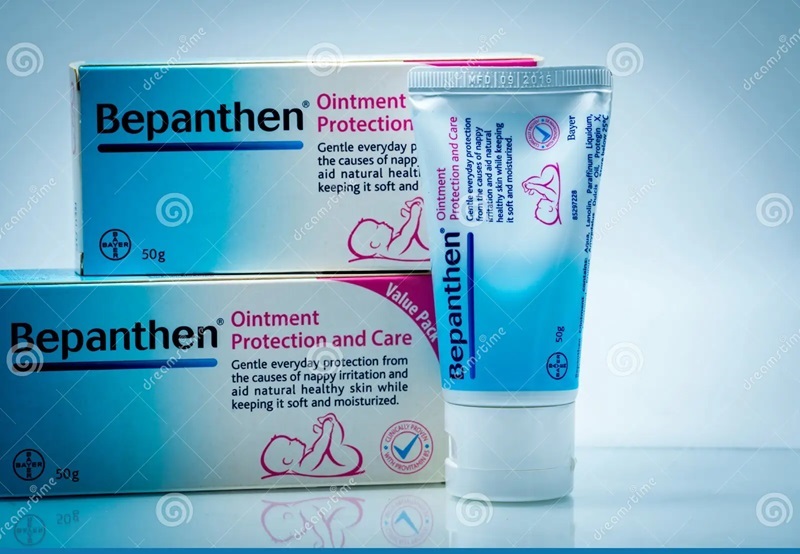
Send EmailDexpanthenol, D-Panthenol, Provitamin B5, Pantothenol, D-Pantothenyl Alcohol, 81-13-0
DEXPANTHENOL - DEKSPANTENOL
Provitamin B5 - D-Panthenol
CAS: 81-13-0
| Product Name | Dexpanthenol |
| CAS Number | 81-13-0 |
| EC Number | 201-327-3 |
| Chemical Class | Vitamin B5 Derivative (Alcohol) |
| Synonyms | Dexpanthenol, D-Panthenol, Provitamin B5, Pantothenol, D-Pantothenyl Alcohol, Bepanthene, Panthoderm |
| INCI Name | Panthenol |
ITEM 1: PRODUCT IDENTITY AND NOMENCLATURE
| Parameter | Description |
|---|---|
| Chemical Name | (R)-2,4-Dihydroxy-N-(3-hydroxypropyl)-3,3-dimethylbutanamide |
| Chemical Formula | C₉H₁₉NO₄ |
| Molecular Weight | 205.25 g/mol |
| CAS Number | 81-13-0 |
| EC Number | 201-327-3 |
| INCI Name | Panthenol |
| Synonyms | Dexpanthenol, D-Panthenol, Provitamin B5, Pantothenol, D-Pantothenyl Alcohol, Bepanthene, Panthoderm |
| HS Code | 2924.19.00.00.00 |
| REACH Status | Registered and compliant |
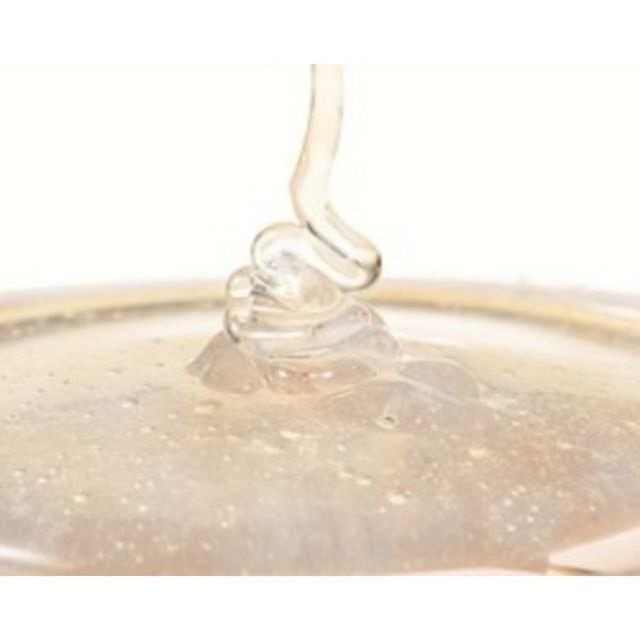
Description: Dexpanthenol is the alcohol form of pantothenic acid (Vitamin B5). It is a highly hygroscopic, viscous, colorless to slightly yellowish liquid. Upon topical application, it is rapidly absorbed and converted to pantothenic acid, which is an essential component of coenzyme A. This conversion makes dexpanthenol a provitamin that supports skin regeneration, wound healing, and moisture retention. It is widely used in cosmetics, dermatology, and pharmaceutical products for its moisturizing, soothing, and healing properties.
ITEM 2: CHEMICAL STRUCTURE AND MOLECULAR PROPERTIES
| Parameter | Description |
|---|---|
| Chemical Family | Vitamin B Complex (Provitamin B5) |
| Structure | Alcohol derivative of pantothenic acid |
| Functional Groups | Hydroxyl (-OH), Amide (-CONH) |
| Stereochemistry | D-(-)-form (optically active) |
| SMILES | CC(C)(CO)C(O)C(=O)NCCCO |
| InChI Key | SNPLKNRPJHDVJA-UHFFFAOYSA-N |
| Optical Rotation | +29° to +31.5° |
| Bioconversion | Converted to pantothenic acid in the body |
Structural Formula:
text
       CH₃
        |
HOCH₂-C-CH₂OH
    |
    CHOH
     |
    CONH-CH₂-CH₂-CH₂OH
Description: Dexpanthenol is the alcohol form of pantothenic acid. It contains a primary amide group and multiple hydroxyl groups, which contribute to its high water solubility and hygroscopic properties. The molecule is optically active, with the D-(-)-form being the biologically active isomer. Upon absorption, it is converted to pantothenic acid, which is essential for coenzyme A synthesis and cellular metabolism.
ITEM 3: PHYSICAL APPEARANCE AND FORM
| Parameter | Specification | Test Method |
|---|---|---|
| Appearance | Clear, viscous liquid | Visual Inspection |
| Physical Form | Liquid (viscous) | Visual Inspection |
| Color | Colorless to slightly yellowish | Visual Inspection |
| Odor | Slight characteristic odor | Organoleptic |
| Optical Activity | +29° to +31.5° | Polarimetry |
Description: Dexpanthenol is a clear, viscous, colorless to slightly yellowish liquid with a slight characteristic odor. It is supplied as a high-purity, high-viscosity liquid that is readily soluble in water and alcohol. Due to its hygroscopic nature, it absorbs moisture from the air and should be stored in tightly sealed containers.
ITEM 4: PHYSICAL PROPERTIES
| Property | Specification | Typical Value | Test Method |
|---|---|---|---|
| Density (20°C) | ~1.19 g/cm³ | 1.19 g/cm³ | ASTM D4052 |
| Density (25°C) | ~1.17 g/cm³ | 1.17 g/cm³ | ASTM D4052 |
| Viscosity (25°C) | ~10,000 – 15,000 cP | 12,000 cP | – |
| Refractive Index (20°C) | 1.496 – 1.499 | 1.497 | ASTM D1218 |
| Melting Point | ~67 °C | 67 °C | DSC |
| Boiling Point | ~118 °C (0.4 mmHg) | – | – |
| Optical Rotation (20°C) | +29° to +31.5° | +30.5° | Polarimetry |
| pH (5% Aqueous Solution) | 5.0 – 7.0 | 6.0 | pH Meter |
| Flash Point | > 110 °C | – | ASTM D93 |
| Hygroscopicity | High | – | – |
Description: Dexpanthenol is a highly viscous liquid with a density of approximately 1.19 g/cm³. Its high viscosity requires warming for easier handling in many applications. It is highly hygroscopic, absorbing moisture from the air, which necessitates storage in tightly sealed containers. Its pH in aqueous solution is neutral to slightly acidic (5.0-7.0).
ITEM 5: THERMAL PROPERTIES
| Property | Specification / Value | Test Method |
|---|---|---|
| Melting Point | ~67 °C | DSC |
| Boiling Point | ~118 °C (0.4 mmHg) | – |
| Boiling Point | Decomposes at higher temperatures | – |
| Flash Point | > 110 °C | ASTM D93 |
Description: Dexpanthenol melts at approximately 67°C and decomposes at higher temperatures. The low boiling point at reduced pressure (118°C at 0.4 mmHg) indicates it can be distilled under vacuum. Its high flash point (>110°C) indicates it is not readily flammable.
ITEM 6: PURITY AND ANALYTICAL SPECIFICATIONS
| Parameter | Specification | Typical Value | Test Method |
|---|---|---|---|
| Purity (Assay) | ≥ 99.0% | 99.5% | HPLC |
| Water Content (Karl Fischer) | ≤ 0.5% | 0.1% | Karl Fischer |
| Optical Rotation (20°C) | +29° to +31.5° | +30.5° | Polarimetry |
| pH (5% Solution) | 5.0 – 7.0 | 6.0 | pH Meter |
| Color (APHA) | ≤ 20 | <10 | – |
| Refractive Index (20°C) | 1.496 – 1.499 | 1.497 | ASTM D1218 |
| Heavy Metals (Pb) | ≤ 10 ppm | <5 ppm | ICP-MS |
| Arsenic (As) | ≤ 2 ppm | <1 ppm | ICP-MS |
| Aminopropanol | ≤ 0.5% | <0.1% | HPLC |
| Pantolactone | ≤ 0.5% | <0.1% | HPLC |
Description: Dexpanthenol is supplied in high purity (>99.0%). Optical rotation is a key quality parameter, with the D-(-)-form being the biologically active isomer. Low water content and low levels of impurities (aminopropanol, pantolactone) ensure high quality for pharmaceutical and cosmetic applications.
ITEM 7: COSMETIC APPLICATIONS (INCI: Panthenol)
| Application Category | Function / Benefit |
|---|---|
| Moisturizers | Humectant, skin conditioning agent |
| Skin Creams | Moisturizing, soothing, barrier strengthening |
| Anti-aging Formulations | Supports skin regeneration, reduces fine lines |
| After-Sun Products | Soothing, cooling, anti-inflammatory |
| Eye Creams | Soothing, moisturizing, anti-inflammatory |
| Body Lotions | Moisturizing, skin conditioning |
| Hand Creams | Nourishing, healing, barrier repair |
| Sensitive Skin Products | Calming, anti-irritant |
| Acne Formulations | Soothing, anti-inflammatory |
| Shaving Products | Soothing, anti-irritant |
| Baby Care Products | Gentle, soothing, barrier repair |
| Wound Care | Promotes healing, reduces scarring |
| Makeup | Skin conditioning in color cosmetics |
| Soaps | Gentle cleansing, skin conditioning |
Key Benefits:
| Benefit | Description |
|---|---|
| Moisturization | Attracts and retains moisture in the skin |
| Skin Barrier | Strengthens the skin barrier function |
| Soothes Irritation | Reduces inflammation and redness |
| Wound Healing | Accelerates wound closure and tissue regeneration |
| Anti-aging | Supports cell renewal and reduces fine lines |
Description: In cosmetics, dexpanthenol (INCI: Panthenol) is valued as a multifunctional ingredient. It is a powerful humectant that attracts and retains moisture in the skin. It strengthens the skin barrier, soothes irritation, and promotes wound healing. It is particularly effective for sensitive skin, after-sun care, and anti-aging formulations.
ITEM 8: SKIN CARE BENEFITS
| Benefit | Description |
|---|---|
| Wound Healing | Accelerates healing of minor wounds, burns, and abrasions |
| Moisturization | Provides deep and long-lasting hydration |
| Skin Barrier | Strengthens the skin barrier function |
| Soothing | Reduces inflammation, redness, and irritation |
| Anti-aging | Supports cell renewal; reduces fine lines |
| Sunburn Relief | Soothes sunburned skin |
| Scalp Care | Soothes irritated scalp, reduces flaking |
| Dermatitis & Eczema | Reduces symptoms of dermatitis and eczema |
| Post-Procedure | Supports healing after dermatological procedures |
Description: Dexpanthenol provides comprehensive skin care benefits. It supports the natural healing process of the skin, providing deep hydration and soothing irritation. Its anti-inflammatory properties reduce redness and discomfort. By strengthening the skin barrier, it helps protect against environmental stressors and prevents moisture loss.
ITEM 9: HAIR CARE APPLICATIONS
| Application | Function / Benefit |
|---|---|
| Shampoos | Moisturizing, scalp soothing |
| Conditioners | Strengthens hair, moisturizes |
| Hair Masks | Deep conditioning, repairing |
| Leave-in Products | Moisturizing, strengthening |
| Hair Serums | Shine enhancement, moisturizing |
| Scalp Treatments | Soothing, anti-inflammatory |
| Anti-dandruff | Soothes scalp, reduces flaking |
| Hair Growth Products | Supports scalp health and hair growth |
Description: In hair care, dexpanthenol is used for its moisturizing and strengthening properties. It penetrates the hair shaft, providing deep hydration and improving hair elasticity. It helps prevent split ends, reduces breakage, and gives hair a healthier, shinier appearance. It also soothes the scalp and helps reduce flaking and irritation.
ITEM 10: PHARMACEUTICAL APPLICATIONS
| Application | Function / Description |
|---|---|
| Wound Healing Ointments | Active ingredient, promotes tissue regeneration |
| Burn Treatments | Soothing, anti-inflammatory, promotes healing |
| Skin Irritation | Soothes irritated skin and rashes |
| Dermatological Preparations | Anti-inflammatory, skin barrier support |
| Hemorrhoid Treatments | Soothing, anti-inflammatory |
| Oral Ulcer Treatments | Soothing, healing, anti-inflammatory |
| Topical Analgesics | Anti-inflammatory, soothing |
| Creams and Ointments | Base ingredient, soothing agent |
| Eye Drops | Moisturizing, soothing |
| Nasal Sprays | Moisturizing, soothing |
| Suppositories | Soothing, healing |
Description: In pharmaceutical applications, dexpanthenol is valued for its wound-healing and anti-inflammatory properties. It is used in ointments for minor wounds, burns, and skin irritations. Its ability to promote epithelialization makes it effective for treating skin conditions and post-procedural healing.
ITEM 11: MEDICAL AND DERMATOLOGICAL APPLICATIONS
| Application | Function / Benefit |
|---|---|
| Minor Wounds | Accelerates healing, reduces scarring |
| Burns | Soothes and promotes healing of burns |
| Dermatitis & Eczema | Reduces symptoms and soothes skin |
| Skin Irritations | Soothes and calms irritated skin |
| Post-Surgical Wounds | Supports healing after surgery |
| Diabetic Ulcers | Supports healing of diabetic ulcers |
| Chapped Lips | Moisturizes and heals dry, cracked lips |
| Breastfeeding Nipples | Soothes and heals cracked nipples |
| Hemorrhoids | Soothes and reduces inflammation |
Description: In dermatology, dexpanthenol is a well-established ingredient for promoting skin healing and regeneration. It is used in products designed for wound care, burn treatment, and management of skin conditions like dermatitis and eczema. It is also effective for soothing and healing chapped lips, cracked nipples, and hemorrhoids.
ITEM 12: RECOMMENDED DOSAGE AND USAGE LEVELS
| Application | Recommended Level | Notes |
|---|---|---|
| Cosmetics (Skin Care) | 0.5 – 5.0% | Moisturizing, soothing |
| Cosmetics (Hair Care) | 0.5 – 3.0% | Moisturizing, strengthening |
| Pharmaceutical Ointments | 1.0 – 5.0% | Active ingredient |
| Baby Care Products | 0.5 – 2.0% | Gentle, soothing |
| After-Sun Products | 1.0 – 5.0% | Soothing, healing |
| Wound Care Products | 2.0 – 5.0% | Promotes healing |
Description: The recommended usage levels of dexpanthenol vary by application. Typical levels in cosmetics are 0.5-5.0% for moisturizing and soothing effects. In wound care products, higher levels (2.0-5.0%) are used as the active ingredient.
ITEM 13: SAFETY AND TOXICOLOGICAL PROFILE
| Parameter | Description |
|---|---|
| Acute Oral Toxicity (LD50) | > 10,000 mg/kg (very low toxicity) |
| Acute Dermal Toxicity | Very low |
| Skin Irritation | Non-irritating |
| Eye Irritation | Mild irritation possible |
| Skin Sensitization | Non-sensitizing |
| Carcinogenicity | Not classified |
| Mutagenicity | Not classified |
| Reproductive Toxicity | Not classified |
| FDA Status | Approved for use |
| EFSA Status | Approved |
| Allergen Potential | Very low |
Description: Dexpanthenol has very low toxicity and is considered safe for use in cosmetics and pharmaceutical products. It is non-irritating and non-sensitizing to the skin. It is not classified as carcinogenic, mutagenic, or reproductive toxicant.
ITEM 14: STORAGE AND SHELF LIFE
| Parameter | Description |
|---|---|
| Storage Temperature | 15 – 30°C |
| Storage Conditions | Cool, dry, well-ventilated area |
| Moisture | Keep away from moisture; store in tightly closed containers |
| Light | Protect from direct sunlight |
| Shelf Life | 24 months (unopened, recommended conditions) |
| Signs of Degradation | Color change, crystallization, viscosity change |
| Packaging | HDPE containers, drums, or bottles |
Description: Dexpanthenol is hygroscopic and should be stored in tightly closed containers in a cool, dry place. Protect from direct sunlight. The shelf life is typically 24 months when stored under recommended conditions. Signs of degradation include color change, crystallization, or viscosity change.
ITEM 15: QUALITY AND CERTIFICATION SUMMARY
| Certificate / Standard | Status |
|---|---|
| ISO 9001:2015 | Certified manufacturing sites |
| ISO 14001:2015 | Environmental Management System |
| REACH (EC 1907/2006) | Registered and compliant |
| FDA 21 CFR | Approved for use |
| USP/EP | Compliant with standards |
| Halal | Available upon request |
| Kosher | Available upon request |
| Vegan | Suitable |
ITEM 16: SYNONYMS AND ALIASES
| Name | Description |
|---|---|
| Dexpanthenol | Most common name |
| D-Panthenol | Chemical name |
| Provitamin B5 | Vitamin B5 precursor |
| Pantothenol | Chemical name |
| D-Pantothenyl Alcohol | Chemical name |
| Bepanthene | Trade name |
| Panthoderm | Trade name |
| Vitamin B5 Alcohol | Description |
| D-(-)-Pantothenyl Alcohol | Chemical name |
| (R)-2,4-Dihydroxy-N-(3-hydroxypropyl)-3,3-dimethylbutanamide | IUPAC name |
QUALITY AND CERTIFICATION SUMMARY
| Certificate / Standard | Status |
|---|---|
| ISO 9001:2015 | Certified manufacturing sites |
| ISO 14001:2015 | Environmental Management System |
| REACH (EC 1907/2006) | Registered and compliant |
| FDA 21 CFR | Approved for use |
| USP/EP | Compliant with standards |
| Halal / Kosher | Available upon request |
| Vegan | Suitable |
Disclaimer: This Technical Data Sheet provides typical values for reference purposes only. All values are based on standard laboratory measurements and do not constitute a binding specification. For binding properties, please request the Certificate of Analysis (COA) for each specific batch. The user is solely responsible for determining product suitability for their intended application and for compliance with all applicable regulations. Safety Data Sheet (SDS) must be requested from the supplier before use.