We unleash your business potential by maximize the business innovation.
Send EmailDenatonium Benzoate, Lidocaine Benzyl Benzoate, Bitrex, 3734-33-6
DENATONIUM BENZOATE (BITREX)
PRODUCT IDENTIFICATION INFORMATION
| Parameter | Information |
|---|---|
| Product Name | Denatonium Benzoate |
| Chemical Name | Denatonium Benzoate |
| Synonyms (Turkish) | Denatonyum Benzoat, Bitreks, Lidocaine Benzyl Benzoate |
| Synonyms (English) | Denatonium Benzoate, Bitrex, Denatonium Benzoate Monohydrate, N-Benzyl-2-[(2,6-dimethylphenyl)amino]-N,N-diethyl-2-oxoethanaminium benzoate, Lignocaine Benzyl Benzoate, THS-839, Aversion |
| CAS Number | 3734-33-6 |
| EC Number | 223-095-2 |
| Molecular Formula | C₂₈H₃₄N₂O₃ |
| Molecular Weight | 446.58 g/mol |
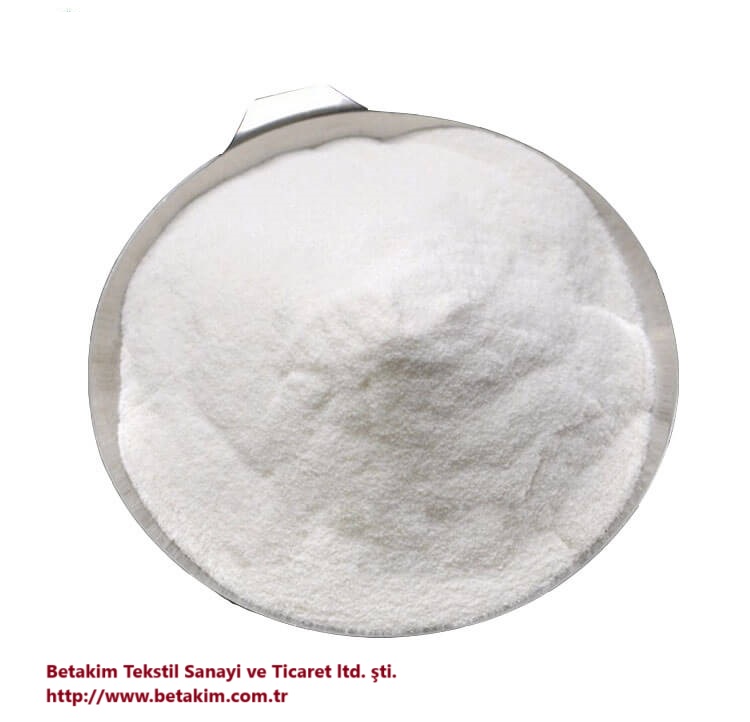
| Appearance | White, crystalline powder |
| Odor | Odorless or slight characteristic odor |
| Taste | Extremely bitter (the most bitter substance known) |
CHEMICAL STRUCTURE
Denatonium Benzoate Structure:
        O                 CH₂CH₃
        ||                   |
    C₆H₅—C—O⁻       N⁺—CH₂—C—NH—C₆H₃(CH₃)₂
                    |       ||
                   CH₂     O
                   |
                 C₆H₅
Structure Description:
-
Quaternary ammonium salt.
-
Contains a denatonium cation and a benzoate anion.
-
The most bitter compound known to science.
-
Approximately 1000 times more bitter than quinine.
-
Detectable at concentrations as low as 10 ppm (parts per million).
-
White, crystalline, odorless powder.
SECTION 1: CHEMICAL IDENTITY AND DESCRIPTION
| Parameter | Information |
|---|---|
| Product Name | Denatonium Benzoate |
| Chemical Name | Denatonium Benzoate |
| Synonyms (Turkish) | Denatonyum Benzoat, Bitreks, Lidocaine Benzyl Benzoate |
| Synonyms (English) | Denatonium Benzoate, Bitrex, Denatonium Benzoate Monohydrate, N-Benzyl-2-[(2,6-dimethylphenyl)amino]-N,N-diethyl-2-oxoethanaminium benzoate, Lignocaine Benzyl Benzoate, THS-839, Aversion, Denatrol |
| CAS Number | 3734-33-6 |
| EC Number | 223-095-2 |
| Molecular Formula | C₂₈H₃₄N₂O₃ |
| Molecular Weight | 446.58 g/mol |
| Chemical Class | Quaternary ammonium salt; Denaturant; Bittering agent |
| Source | Synthetic |
| Physical State (20°C) | Solid (crystalline powder) |
| Odor | Odorless or slight characteristic odor |
| Color | White |
| Taste | Extremely bitter (the most bitter substance known) |
SECTION 2: PHYSICAL AND CHEMICAL PROPERTIES
| Property | Value | Test Method / Note |
|---|---|---|
| Appearance | White, crystalline powder | Visual |
| Odor | Odorless or slight characteristic odor | Olfactometric |
| Molecular Weight | 446.58 g/mol | Calculated |
| Melting Point | ~164 – 168°C | DSC |
| Boiling Point | Not applicable (decomposes) | – |
| Solubility in Water | Soluble (~25 g/L at 20°C) | General Method |
| Solubility in Ethanol | Soluble | General Method |
| Solubility in Propylene Glycol | Soluble | General Method |
| Solubility in Glycols | Soluble | General Method |
| Solubility in Organic Solvents | Soluble (methanol, chloroform) | General Method |
| pH (1% Solution) | ~5.0 – 6.5 | pH Meter |
| Bitter Index (vs. Quinine) | ~1000x | – |
| Detection Threshold | ~10 ppm (0.001%) | – |
| Stability | Stable under normal conditions | – |
| Hygroscopicity | Slightly hygroscopic | – |
| Heavy Metals (as Pb) | ≤ 10 ppm | AAS / ICP |
| Arsenic (As) | ≤ 2 ppm | AAS / ICP |
| Lead (Pb) | ≤ 2 ppm | AAS / ICP |
| Loss on Drying | ≤ 0.5% | Gravimetric |
| Purity | ≥ 99.5% | HPLC |
| Residue on Ignition | ≤ 0.2% | Gravimetric |
SECTION 3: DENATONIUM BENZOATE vs OTHER BITTERING AGENTS
| Property | Denatonium Benzoate | Quinine | Sucrose Octaacetate | Bitrex (Liquid Form) |
|---|---|---|---|---|
| Bitter Index | ~1000 | 1 | ~100 | ~1000 |
| Detection Threshold | ~10 ppm | ~10,000 ppm | ~100 ppm | ~10 ppm |
| Chemical Class | Quaternary ammonium salt | Alkaloid | Sugar derivative | Quaternary ammonium salt |
| Solubility in Water | Soluble | Slightly soluble | Insoluble | Soluble (prepared) |
| Stability | Very stable | Light sensitive | Stable | Stable |
| Toxicity | Very low | Moderate | Very low | Very low |
| Primary Use | Denaturant, deterrent | Medicinal, tonic | Bittering agent | Denaturant, deterrent |
| Cost | Moderate | Moderate-High | Low | Moderate |
SECTION 4: MECHANISM OF ACTION
| Property | Description |
|---|---|
| Bitter Taste Response | Activates bitter taste receptors (TAS2R) on the human tongue; Extremely potent agonist for multiple bitter receptors; Triggers aversive response; Prevents ingestion of toxic substances. |
| Deterrent Effect | Creates an unpleasant sensory experience; Discourages accidental or deliberate ingestion; Effective at very low concentrations; Acts as a safety measure. |
| Denaturant | Renders alcohol and other substances unfit for consumption; Prevents misuse of industrial products; Provides visual/taste marker for non-food products. |
| Mask Detection | Used in N95 masks to verify proper fit; If the mask seals correctly, the user does not taste the bitter compound; If the mask leaks, the user detects the bitter taste. |
| Animal Deterrent | Effective against mammals (dogs, cats, livestock) and birds; Discourages chewing, biting, and consumption; Used in agriculture and pest control. |
SECTION 5: PRODUCTION PROCESS
Industrial Production Method:
Process Flow:
Lidocaine Synthesis → Benzylation → Denatonium Cation Formation → Salt Formation with Benzoic Acid → Crystallization → Purification → Drying → Milling → Final Product
Step-by-Step Description:
-
Synthesis of Lidocaine Intermediate: Lidocaine is synthesized from 2,6-dimethylaniline and chloroacetic acid.
-
Benzylation: The lidocaine intermediate is benzylated with benzyl chloride to form the denatonium cation.
-
Salt Formation: The denatonium cation is reacted with benzoic acid to form denatonium benzoate.
-
Crystallization: The product is crystallized from solution.
-
Purification: Crystals are purified to remove impurities.
-
Drying: Purified crystals are dried to achieve the desired moisture content.
-
Milling: Dried product is milled to achieve the desired particle size.
-
Final Product: White crystalline powder (≥ 99.5% purity).
SECTION 6: FUNCTIONAL PROPERTIES
| Property | Description |
|---|---|
| Bittering Agent | Extremely bitter taste; Effective at very low concentrations (10 ppm); Deters accidental ingestion; Safe and non-toxic at use levels. |
| Denaturant | Renders alcohol unfit for consumption; Prevents misuse of industrial alcohol; Complies with alcohol denaturation regulations. |
| Deterrent | Discourages chewing and biting in animals; Prevents ingestion of toxic substances; Protects children and pets from household chemicals. |
| Safety Marker | Used in N95 mask fit testing; Indicates proper mask seal; Provides immediate user feedback. |
| Pest Deterrent | Discourages rodents and birds from consuming seeds and crops; Used in agriculture and pest control; Effective against mammals. |
| Quality Control Indicator | Used as a tracer in industrial processes; Allows detection of contamination or dilution. |
SECTION 7: MAIN APPLICATION AREAS
| Industry / Application | Function | Typical Use |
|---|---|---|
| Industrial Alcohol Denaturation | Denaturant | Prevents consumption of denatured alcohol; Complies with regulations (e.g., EU, FDA); Used in ethanol, methanol, and industrial spirits; Dosage: 10 – 50 ppm. |
| Household Chemicals | Deterrent, safety agent | Antifreeze (ethylene glycol); Windshield washer fluid; Cleaning products; Detergents; Paints and solvents; Dosage: 10 – 50 ppm. |
| Personal Care Products | Deterrent | Nail biting prevention polishes; Shampoos and liquid soaps; Mouthwashes (limited); Hand sanitizers; Dosage: 10 – 50 ppm. |
| Respiratory Protection (N95 Masks) | Fit testing agent | N95 mask fit testing; Verifies proper seal; Indicates mask leaks; Dosage: Applied to mask interior. |
| Agriculture | Pest deterrent, seed coating | Prevents birds and rodents from consuming seeds; Seed coatings and dressings; Rodenticide formulations; Animal deterrent sprays. |
| Pharmaceutical | Denaturant, deterrent | Liquid medication denaturation; Animal repellent formulations; Safety applications. |
| Cosmetics | Denaturant, deterrent | Alcohol-based cosmetics (denaturation); Hand sanitizers (denaturation); Perfumes and fragrances. |
| Laboratory & Research | Reference standard, tracer | Analytical standards (HPLC); Chemical tracer; Quality control applications. |
SECTION 8: SAMPLE FORMULATIONS
Alcohol Denaturant Solution (For Industrial Ethanol):
| Component | Amount |
|---|---|
| Denatonium Benzoate (Powder) | 10 – 50 g |
| Ethanol | To 1000 L |
Instructions: Dissolve denatonium benzoate in a small amount of ethanol; Add to the bulk ethanol with mixing; Ensure uniform distribution; Check concentration by HPLC.
Antifreeze Deterrent Blend:
| Component | Amount |
|---|---|
| Denatonium Benzoate (Powder) | 5 – 15 ppm |
| Ethylene Glycol | To 100% |
| Other Additives | As required |
Instructions: Dissolve denatonium benzoate in a compatible solvent (propylene glycol); Add to the antifreeze formulation with mixing; Ensure uniform distribution.
Nail Biting Prevention Polish:
| Component | Amount |
|---|---|
| Denatonium Benzoate | 0.1 – 0.5% |
| Nail Polish Base | To 100% |
| Colorants, Thickeners | As required |
Instructions: Dissolve denatonium benzoate in the nail polish base; Mix thoroughly; Package in appropriate containers.
SECTION 9: QUALITY SPECIFICATIONS
| Parameter | Pharmaceutical Grade | Industrial Grade | Cosmetic Grade | Test Method |
|---|---|---|---|---|
| Appearance | White crystalline powder | White crystalline powder | White crystalline powder | Visual |
| Purity | ≥ 99.5% | ≥ 99.0% | ≥ 99.0% | HPLC |
| Loss on Drying | ≤ 0.5% | ≤ 0.5% | ≤ 0.5% | Gravimetric |
| Residue on Ignition | ≤ 0.2% | ≤ 0.5% | ≤ 0.2% | Gravimetric |
| Melting Point | 164 – 168°C | 164 – 168°C | 164 – 168°C | DSC |
| pH (1% Solution) | 5.0 – 6.5 | 5.0 – 6.5 | 5.0 – 6.5 | pH Meter |
| Heavy Metals (as Pb) | ≤ 10 ppm | ≤ 20 ppm | ≤ 10 ppm | AAS / ICP |
| Arsenic (As) | ≤ 2 ppm | – | ≤ 2 ppm | AAS / ICP |
| Lead (Pb) | ≤ 2 ppm | – | ≤ 2 ppm | AAS / ICP |
| Related Substances | Complies | – | Complies | HPLC |
| Particle Size | Customer requirement | Customer requirement | Customer requirement | Sieve |
SECTION 10: TOXICOLOGICAL PROFILE
| Parameter | Value |
|---|---|
| Acute Oral Toxicity (LD50, Rat) | ~ 500 – 700 mg/kg (moderate toxicity) |
| Acute Dermal Toxicity | Low toxicity; Non-irritating |
| Skin Irritation | Non-irritating |
| Eye Irritation | Mildly irritating |
| Inhalation Toxicity | May cause respiratory irritation (dust) |
| Chronic Toxicity | Low toxicity at normal use levels |
| Carcinogenicity | Not classified as carcinogenic |
| Mutagenicity | Not mutagenic |
| Reproductive Toxicity | No reproductive toxicity at normal levels |
| Allergenicity | Low allergenicity |
| Acceptable Daily Intake (ADI) | Not established (safe at intended use levels) |
| Special Toxicity Note | Very low toxicity at intended use levels (10-50 ppm); GRAS (Generally Recognized as Safe) for use as a denaturant and bittering agent; Safe for use in consumer products; Non-toxic at typical use concentrations; May cause mild irritation upon direct contact; Handle with standard precautions. |
SECTION 11: GHS CLASSIFICATION AND LABELING
GHS Classification (in accordance with CLP and UN GHS):
| Hazard Class | Category | H-Statement |
|---|---|---|
| Acute Toxicity (Oral) | Category 4 | H302 |
| Eye Irritation | Category 2 | H319 |
| Specific Target Organ Toxicity (Single) | Category 3 | H335 |
Signal Word: WARNING
Hazard Pictograms: GHS07 (Exclamation Mark)
Hazard Statements (H-Codes):
| Code | Statement |
|---|---|
| H302 | Harmful if swallowed |
| H319 | Causes serious eye irritation |
| H335 | May cause respiratory irritation |
NFPA 704 Hazard Classification:
| Health | Flammability | Reactivity | Special |
|---|---|---|---|
| 1 | 0 | 0 | - |
| (Slight health hazard) | (Non-flammable) | (Stable) | (None) |
SECTION 12: PRECAUTIONARY STATEMENTS (P-CODES)
| Code | Statement |
|---|---|
| P264 | Wash hands thoroughly after handling |
| P270 | Do not eat, drink, or smoke when using this product |
| P271 | Use only outdoors or in a well-ventilated area |
| P280 | Wear protective gloves/protective clothing/eye protection/face protection |
| P301+P312 | IF SWALLOWED: Call a POISON CENTER/doctor if you feel unwell |
| P302+P352 | IF ON SKIN: Wash with plenty of soap and water |
| P304+P340 | IF INHALED: Remove person to fresh air and keep comfortable for breathing |
| P305+P351+P338 | IF IN EYES: Rinse cautiously with water for several minutes. Remove contact lenses if present and continue rinsing |
| P312 | Call a POISON CENTER/doctor if you feel unwell |
| P332+P313 | If skin irritation occurs: Get medical advice/attention |
| P337+P313 | If eye irritation persists: Get medical advice/attention |
| P362+P364 | Take off contaminated clothing and wash it before reuse |
| P403+P233 | Store in a well-ventilated place. Keep container tightly closed |
| P501 | Dispose of contents/container in accordance with local/regional/national/international regulations |
SECTION 13: FIRST AID MEASURES
| Exposure Route | Action to Take |
|---|---|
| Inhalation | Remove to fresh air immediately. If respiratory irritation develops, seek medical attention. |
| Skin Contact | Wash with plenty of soap and water. Remove contaminated clothing. If irritation persists, get medical attention. |
| Eye Contact | Rinse immediately with plenty of water for at least 15 minutes. Keep eyelids open. Remove contact lenses if present. If irritation persists, seek medical attention. |
| Ingestion | Rinse mouth. Drink plenty of water. Seek medical attention if large quantities are ingested or if feeling unwell. |
SECTION 14: FIREFIGHTING MEASURES
| Parameter | Information |
|---|---|
| Fire Hazard | Non-flammable organic material. May burn with thick smoke at high temperatures. |
| Hazards Arising from Fire | Thermal decomposition produces carbon monoxide, carbon dioxide, nitrogen oxides, and irritating fumes. |
| Suitable Extinguishing Media | Water spray, CO₂, dry chemical powder, foam. |
| Unsuitable Extinguishing Media | Water jet (may spread dust) |
| Special Protective Equipment | Self-contained breathing apparatus (SCBA), full protective clothing. |
| Special Precautions | Prevent dust from entering sewers and waterways. Avoid dust cloud formation. |
SECTION 15: STORAGE AND SHELF LIFE
| Parameter | Information |
|---|---|
| Storage Conditions | Store in a cool, dry, well-ventilated area; PROTECT FROM LIGHT, HEAT, and MOISTURE; Keep away from direct sunlight. |
| Container Requirements | Tightly closed, moisture-proof containers (PE-lined bags, HDPE containers, aluminum foil bags). |
| Materials to Protect From | Light, heat, moisture, strong oxidizing agents |
| Shelf Life | 36 – 60 months (3-5 years) in unopened original packaging, under proper storage conditions. |
| Stability Note | Very stable under recommended storage conditions; Slightly hygroscopic; Protect from moisture; Highly stable in dry environments. |
| Special Storage Requirements | Store in a dark, cool, dry place; Avoid exposure to air and moisture; Opened containers must be resealed immediately. |
SECTION 16: PACKAGING OPTIONS
| Packaging Type | Quantity | Material |
|---|---|---|
| Aluminum Foil Bag | 25 g, 100 g, 500 g, 1 kg | Aluminum foil laminated bag (moisture and light-proof) |
| PE-Lined Paper Bag | 5 kg, 10 kg, 20 kg, 25 kg | PE-lined kraft paper bag (moisture-proof) |
| Plastic Drum | 10 kg, 25 kg | HDPE / Polypropylene (moisture-proof) |
| Fiber Drum | 20 kg, 25 kg | PE-lined fiberboard drum |
| FIBC / Big Bag | 500 kg, 1000 kg | PE-lined, moisture-resistant PP woven bag |
SECTION 17: TRANSPORT INFORMATION
| Parameter | Information |
|---|---|
| UN Number | Not regulated (non-hazardous) |
| Hazard Class | Not applicable |
| Packing Group | Not applicable |
| ADR/RID | Not regulated |
| IMDG Code | Not regulated (non-hazardous) |
| IATA (Air) | Not regulated (non-hazardous) |
| Marine Pollutant | No |
| Transport Temperature | Ambient temperature; Protect from moisture and heat. |
SECTION 18: REGULATORY STATUS
| Region / Authority | Status |
|---|---|
| European Union | Approved for use as a denaturant; REACH registered; Approved for use in alcohol denaturation (EU Regulation 2019/1148). |
| USA (TSCA) | Listed (TSCA Inventory) |
| USA (FDA) | GRAS (Generally Recognized as Safe) for use as a denaturant and bittering agent ; 21 CFR 172.160; Approved for use in denatured alcohol. |
| Turkey | Approved for use as a denaturant and bittering agent; Ministry of Agriculture and Health approvals required; KKDIK regulation compliance required. |
| EFSA | Approved for use as a denaturant; Safety established. |
| IARC | Not classified (non-carcinogenic) |
| NTP | Not listed |
| OSHA | Regulated as nuisance dust |
| California (Prop 65) | Not listed |
| Halal | Yes (with certification) |
| Kosher | Yes (with certification) |
| Vegan | Yes (synthetic, non-animal source) |
SECTION 19: OTHER NAMES AND SYNONYMS
| Type | Name |
|---|---|
| Turkish Names | Denatonyum Benzoat, Bitreks, Lidocaine Benzyl Benzoate |
| English Names | Denatonium Benzoate, Bitrex, Denatonium Benzoate Monohydrate, N-Benzyl-2-[(2,6-dimethylphenyl)amino]-N,N-diethyl-2-oxoethanaminium benzoate, Lignocaine Benzyl Benzoate, THS-839, Aversion, Denatrol |
| Trade Names | Bitrex, Denatrol, Aversion, Anispray, Gori, BitterANT-b, Bitter+Plus, WIN 16568 |
| CAS Number | 3734-33-6 |
| EC Number | 223-095-2 |
| UNII | M5BA6GAF1O |
| PubChem CID | 19518 |
| MDL Number | MFCD00031578 |
| HS Code | 2923.90 |
SECTION 20: SUMMARY TABLE
| Parameter | Value |
|---|---|
| Product | Denatonium Benzoate (Bitrex) |
| CAS Number | 3734-33-6 |
| Molecular Formula | C₂₈H₃₄N₂O₃ |
| Molecular Weight | 446.58 g/mol |
| Appearance | White, crystalline powder |
| Melting Point | 164 – 168°C |
| Solubility | Soluble in water, ethanol, propylene glycol |
| Bitter Index | ~1000x (vs. quinine) |
| Detection Threshold | ~10 ppm |
| Primary Functions | Denaturant, bittering agent, deterrent, safety marker |
| Main Application Areas | Alcohol denaturation, household chemicals, personal care, N95 mask fit testing, agriculture, cosmetics |
| Shelf Life | 36 – 60 months |
| GHS Signal Word | WARNING |
| UN Number | Not regulated |
| Special Properties | Most bitter substance known; Effective at extremely low concentrations; GRAS status; FDA approved; Safe at intended use levels; Very stable; Vegan; Halal. |
SECTION 21: CRITICAL WARNINGS AND BEST PRACTICES
CRITICAL WARNINGS:
-
EXTREMELY BITTER: The most bitter substance known to science; Effective at 10 ppm; AVOID CONTACT WITH MOUTH, EYES, AND FOOD.
-
HARMFUL IF SWALLOWED (H302): Toxic at high concentrations; Low toxicity at intended use levels.
-
CAUSES EYE IRRITATION (H319): May cause serious eye irritation; Avoid eye contact.
-
MAY CAUSE RESPIRATORY IRRITATION (H335): Avoid inhalation of dust.
-
POTENT DENATURANT: Very effective at low concentrations; Can contaminate food processing lines; Thorough cleaning required if accidentally mixed.
-
HYGROSCOPIC: Slightly absorbs moisture; Store in tightly closed containers.
-
NON-FLAMMABLE: Stable and non-combustible.
-
GRAS Status: FDA GRAS as denaturant and bittering agent; Safe at intended use levels.
-
HIGH POTENCY: A small amount goes a long way; Use extreme care in measuring and handling.
BEST PRACTICE RECOMMENDATIONS:
-
Alcohol Denaturation: Use as denaturant for ethanol, methanol, and other industrial alcohols; Dosage: 10-50 ppm; Dissolve in a small amount of alcohol before adding to bulk; Ensure uniform distribution; Comply with local regulations.
-
Household Chemicals: Use as deterrent in antifreeze, cleaning products, and solvents; Dosage: 10-50 ppm; Dissolve in a compatible solvent before adding; Ensure uniform distribution; Protect children and pets.
-
Personal Care Products: Use in nail biting prevention polishes and hand sanitizers; Dosage: 10-50 ppm; Dissolve in the formulation; Ensure uniform distribution; Label appropriately.
-
N95 Mask Fit Testing: Apply to the mask interior; Follow standardized fit test protocols; Use at recommended concentrations; Ensure proper disposal after testing.
-
Agriculture: Use as seed coating and rodent deterrent; Dosage: 10-50 ppm; Apply as a coating or spray; Protect seeds from birds and rodents.
-
Handling: Use in well-ventilated areas; Avoid dust formation; Use dust masks (N95/FFP2) when handling powder; Use gloves and safety goggles; Avoid contact with eyes and skin; Handle with extreme care to avoid contamination.
-
Personal Protective Equipment: Dust mask (N95/FFP2) if dust is generated, safety goggles, chemical-resistant gloves, protective clothing.
-
Hygiene: Wash hands thoroughly after handling; Do not eat, drink, or smoke while using; Remove contaminated clothing and wash before reuse; Avoid cross-contamination with food products.
-
Storage: Store in tightly closed, moisture-proof containers; Store in cool, dry, well-ventilated area; Protect from moisture and heat; Opened containers must be resealed immediately; Shelf life: 36-60 months under proper conditions.
-
Spill Management: Sweep or vacuum (HEPA) and place in suitable sealed container; Avoid dust formation; Do not allow entry into drains or waterways; Clean spill area thoroughly to avoid contamination.
-
Disposal: Dispose of in accordance with local, regional, and national regulations; Non-hazardous waste; Can be incinerated in compliance with regulations.
DETECTION METHODS:
| Method | Description | Advantages | Disadvantages |
|---|---|---|---|
| HPLC-UV | Standard method for quantitative analysis | High sensitivity, accurate, USP method | High cost, requires expertise |
| LC-MS/MS | Ultra-high sensitivity detection | Very low detection limits | High cost, requires expertise |
| TLC | Qualitative detection | Simple, rapid, low cost | Semi-quantitative |
| UV-Vis Spectrophotometry | Absorption at 260 nm | Rapid, simple | Less specific |
| Taste Panel | Sensory evaluation | Direct detection | Subjective, not quantitative |
| Ion Chromatography | Salt determination | Specific | Complex sample preparation |
DENATONIUM BENZOATE vs ALTERNATIVES COMPARISON:
| Product | Chemical Name / E Code | Application | Strength | Weakness | Status |
|---|---|---|---|---|---|
| Denatonium Benzoate | C₂₈H₃₄N₂O₃ | Denaturant, deterrent | Most bitter, very low detection, GRAS | Higher cost | Widely approved |
| Quinine | C₂₀H₂₄N₂O₂ | Bittering agent, tonic | Natural, historical use | Less bitter, photosensitive | Limited use |
| Sucrose Octaacetate | C₂₈H₃₈O₁₉ | Bittering agent | Moderate bitter | Less potent, insoluble | Limited use |
| Bitrex (Liquid) | Denatonium solution | Denaturant, deterrent | Ready-to-use, easy handling | Higher cost, solvent included | Widely approved |
LEGAL DISCLAIMER:
The information provided in this document is based on our current knowledge and experience and is presented in good faith. However, as all conditions of use are beyond our control, it does not constitute a binding specification or warranty. This Technical Data Sheet is for informational purposes only. Users are responsible for testing the suitability for their own applications and for complying with all local, regional, and national regulations. For complete safety, storage, use, handling, waste, and regulatory compliance information, please refer to the official Safety Data Sheet (SDS/MSDS) provided by the manufacturer/supplier. Denatonium benzoate is an extremely bitter substance; handle with extreme care to avoid contamination of food, beverages, and personal care products.