We unleash your business potential by maximize the business innovation.
Send EmailCurcumin, Turmeric Yellow, Diferuloylmethane, Natural Yellow 3, E100, 458-37-7
Curcumin (E100)
CAS Number: 458-37-7
Molecular Formula: C₂₁H₂₀O₆
Molecular Weight: 368.38 g/mol
Chemical Name: Curcumin
E Number: E100
General Information and Description
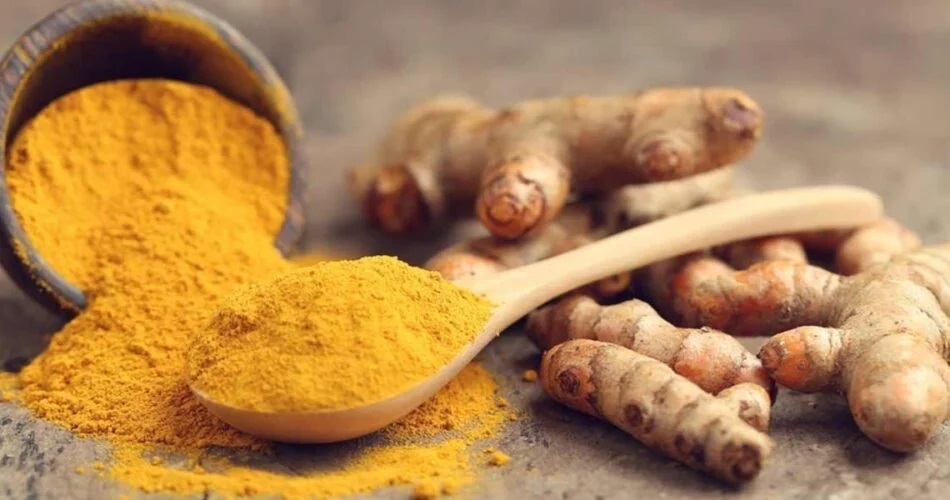
Curcumin is a natural food additive used as a coloring agent in foods. It is obtained from the roots of the turmeric plant (Curcuma longa) and provides food with an orange-yellow hue. It belongs to the class of natural colorants and is extracted from certain beet varieties and turmeric roots.
E100 is the code for curcumin (the active compound of turmeric) used as a food colorant. It has a strong odor and a sharp, pungent taste. Curcumin is notable for its antioxidant and anti-inflammatory properties and is known for its positive health effects.
Other Names (Synonyms)
-
Turmeric Yellow
-
Diferuloylmethane
-
Natural Yellow 3
-
CI 75300
-
458-37-7
Physical and Chemical Properties
-
Physical Appearance: Orange-yellow crystalline powder.
-
Odor: Characteristic, strong, spicy odor.
-
Taste: Sharp, bitter, and spicy taste.
-
Melting Point: 183 °C
-
Solubility:
-
Water: Insoluble.
-
Acids: Insoluble.
-
Ethanol: Soluble.
-
Acetic Acid: Soluble.
-
-
Light Sensitivity: Sensitive to light. Therefore, its use in foods is more limited compared to some synthetic colorants.
-
pH Sensitivity: It maintains its color well in acidic and neutral environments. Due to this property, it is particularly preferred in dairy products.
Applications and Uses
Curcumin (E100) is used in the food industry as a natural alternative to synthetic yellow colorants to provide a natural yellow color.
Food Applications:
| Category | Examples |
|---|---|
| Dairy Products | Yogurt, cheese, margarine, butter |
| Instant Soups and Sauces | Powdered soups, ready-made sauces |
| Desserts and Confectionery | Candies, puddings, ice creams |
| Bakery Products | Biscuits, cakes, cookies |
| Spice Blends | Curry, pickling spices, other seasoning mixes |
| Processed Meat Products | Sausages, salami |
| Fats and Oils | Margarine and similar fats |
| Processed Potato Products | Chips, mashed potatoes |
Additionally, due to its positive health effects, it is also used in dietary supplements and healthy snacks.
Health Effects
Safety Assessment:
E100 (curcumin) is considered a natural and generally safe colorant. It has been found safe and approved by many health authorities worldwide (EFSA, FDA, JECFA). According to the Turkish Food Codex, its use is permitted in processed cheeses, fats and oils, spreadable fruit and vegetable products, processed potato products, and meat products.
According to research, curcumin has no known side effects. However, it is accepted to have no harmful effects as long as it is not consumed in very high doses.
Health Benefits:
-
Antioxidant Property: A powerful antioxidant that provides protection against free radicals.
-
Anti-inflammatory Effect: Can reduce inflammation in the body; therefore, it is beneficial for joint health.
-
Immune System Support: May strengthen the immune system and be protective against certain diseases.
-
Digestive Health: Can support the digestive system in small doses.
Potential Side Effects and Precautions:
| Condition | Description |
|---|---|
| Allergic Reactions | In very rare cases, some individuals may experience allergic reactions (skin rash, mild stomach discomfort). |
| Stomach Issues | When consumed in high amounts (especially as a supplement), it may cause digestive problems such as nausea, indigestion, or diarrhea. |
| Blood Thinning Effect | It has blood-thinning (anticoagulant) properties. Individuals taking blood-thinning medications are advised not to consume high-dose curcumin products. |
| Gallbladder Issues | As it may increase bile flow, individuals with gallbladder conditions such as gallstones should consume it with caution. |