We unleash your business potential by maximize the business innovation.
Send EmailCurcumin, Turmeric Yellow, Diferuloylmethane, Natural Yellow 3, CI 75300, E100, 458-37-7
Curcumin (E100) – Turmeric Yellow (Natural Yellow 3)
| Property | Detail |
|---|---|
| Common Names | Curcumin, Turmeric Yellow, Diferuloylmethane, Natural Yellow 3, CI 75300 |
| Food Code | E100 |
| Color Shade | Orange-yellow |
| CAS Number | 458-37-7 |
| Chemical Formula | C₂₁H₂₀O₆ |
| Molecular Weight | 368.38 g/mol |
| Chemical Name | Curcumin |
| Source | Natural (turmeric root - Curcuma longa) |
| Chemical Class | Natural polyphenol (curcuminoid) |
General Information and Definition
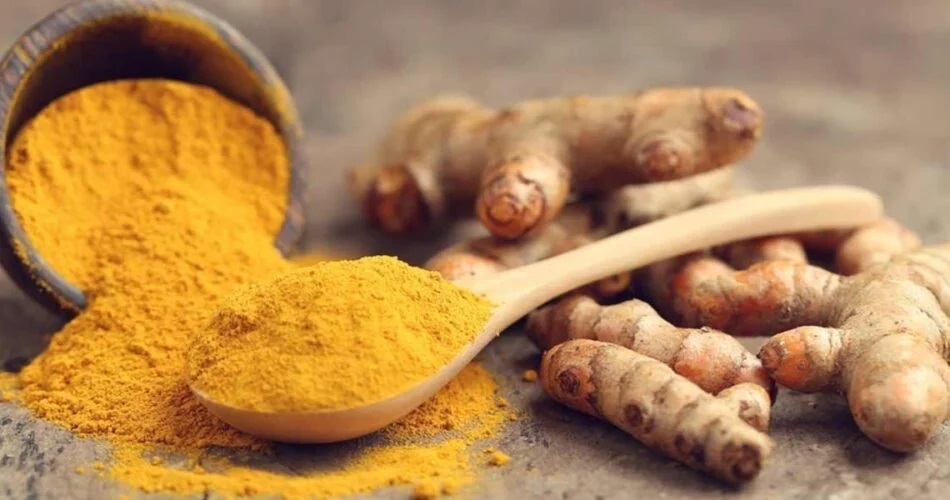
Curcumin is a natural food additive used as a colorant in foods. It is obtained from the roots of the turmeric plant (Curcuma longa) and provides an orange-yellow color to foods. It belongs to the class of natural colorants and is extracted from turmeric roots.
E100 is the code for curcumin (the active compound of turmeric) used as a food colorant. It has a strong odor and a pungent taste. Curcumin is known for its antioxidant and anti-inflammatory properties, as well as its positive health effects.
Note: Curcumin is one of the most widely used natural yellow colorants globally, offering a natural alternative to synthetic yellow dyes (E102, E104, E110).
Other Names (Synonyms)
| Name | Description |
|---|---|
| Turmeric Yellow | Common name derived from turmeric |
| Diferuloylmethane | Chemical name |
| Natural Yellow 3 | Natural color index name |
| CI 75300 | Colour Index number |
| Turmeric Extract | Extract form |
Physical and Chemical Properties
| Property | Value |
|---|---|
| Physical Appearance | Orange-yellow crystalline powder |
| Odor | Characteristic, strong, spicy (turmeric) odor |
| Taste | Pungent, slightly bitter, spicy taste |
| Melting Point | 183 °C |
| Solubility in Water | Insoluble |
| Solubility in Acids | Insoluble |
| Solubility in Ethanol | Soluble |
| Solubility in Acetic Acid | Soluble |
| Light Sensitivity | Sensitive to light (fades upon exposure) |
| pH Stability | Stable in acidic and neutral conditions |
Key Characteristics:
-
Water Insolubility: Curcumin does not dissolve in water, which can limit its use in some applications. Oil-soluble or emulsion formulations are available.
-
Light Sensitivity: Light sensitivity means products containing curcumin require opaque or light-protective packaging.
-
pH Stability: Stable in acidic and neutral conditions (pH 3-7), making it ideal for dairy products.
Source and Production
| Source Type | Details |
|---|---|
| Natural Source | Turmeric root (Curcuma longa), some beet varieties |
| Extraction Method | Solvent extraction from turmeric roots |
| Active Compounds | Curcumin, demethoxycurcumin, bisdemethoxycurcumin (curcuminoids) |
| Content in Turmeric | 2-5% curcuminoids in turmeric powder |
Applications and Usage Areas
Curcumin (E100) is used as a natural alternative to synthetic yellow colorants (tartrazine, sunset yellow, quinoline yellow) in the food industry.
Food Industry Applications
| Category | Examples |
|---|---|
| Dairy Products | Yogurt, cheese, margarine, butter, cream cheese |
| Ready Soups & Sauces | Powdered soups, instant sauces, broth cubes |
| Desserts & Confectionery | Candies, puddings, ice cream, custards, gelatin desserts |
| Bakery Products | Biscuits, cakes, cookies, pastries, bread |
| Spice Blends | Curry powder, pickling spices, seasoning mixes, mustard |
| Processed Meat Products | Sausages, salami, hot dogs, pâtés |
| Oils & Fats | Margarine, cooking oils (for yellow color) |
| Processed Potato Products | Chips (crisps), instant mashed potatoes |
| Rice Products | Colored rice, pilaf mixes, paella |
| Pickles & Relishes | Pickled vegetables, chutneys |
Other Applications
| Sector | Application |
|---|---|
| Dietary Supplements | Antioxidant supplements, joint health, anti-inflammatory formulations |
| Cosmetics | Skin care products (anti-aging, brightening), soaps, creams |
| Pharmaceuticals | Capsules, tablets, topical creams |
| Textiles | Natural fabric dyeing (historical use) |
Safety and Health Effects
Safety Assessment
Curcumin (E100) is considered a natural and generally safe colorant. It has been approved by health authorities worldwide, including:
| Authority | Status |
|---|---|
| EFSA (European Union) | Permitted and safe |
| FDA (USA) | GRAS (Generally Recognized as Safe) |
| JECFA (FAO/WHO) | ADI established |
| Turkey | Permitted under Turkish Food Codex |
ADI (Acceptable Daily Intake): 0-3 mg/kg body weight/day (JECFA/EFSA)
Health Benefits (As a Natural Compound)
| Benefit | Description |
|---|---|
| Antioxidant | Powerful antioxidant; protects against free radicals and oxidative stress |
| Anti-inflammatory | Reduces inflammation in the body; beneficial for joint health (arthritis) |
| Immune System Support | May strengthen the immune system and provide protective effects against certain diseases |
| Digestive Health | Supports the digestive system in small doses |
| Brain Health | May improve cognitive function and reduce risk of neurodegenerative diseases |
| Heart Health | May improve cardiovascular health markers |
Note: These health benefits apply to curcumin as a natural compound. As a food additive (E100), it is used for coloring purposes, but may provide incidental health benefits.
Potential Side Effects and Precautions
| Condition | Description |
|---|---|
| Allergic Reactions | Very rare. Some individuals may experience skin rash or mild stomach discomfort. |
| Digestive Issues | High doses (especially as a supplement) may cause nausea, indigestion, or diarrhea. |
| Blood Thinning Effect | Curcumin has mild anticoagulant (blood-thinning) properties. Individuals taking blood-thinning medications (e.g., warfarin) should avoid high-dose curcumin supplements. |
| Gallbladder Issues | May increase bile flow. Individuals with gallbladder problems (e.g., gallstones) should consult a doctor before consuming high doses. |
| Iron Absorption | May reduce iron absorption. Iron-deficient individuals should take curcumin separately from iron supplements. |
Important: At the concentrations used in foods, curcumin is considered safe and has no known adverse effects. The side effects mentioned above typically occur only with high-dose supplements, not with normal food consumption.
Physical and Chemical Properties (Detailed)
| Property | Value |
|---|---|
| Appearance | Orange-yellow to yellow crystalline powder |
| Odor | Characteristic, spicy (turmeric) |
| Taste | Pungent, bitter, spicy |
| Melting Point | 183 °C |
| Solubility in Water | Insoluble (~0.0004 mg/L at 25°C) |
| Solubility in Ethanol | Soluble (~10 g/L) |
| Solubility in Oils | Slightly soluble |
| Light Stability | Low (degrades in light) |
| Heat Stability | Moderate (stable at typical cooking temperatures) |
| pH Stability | Stable at pH 3-7 |
| Absorption Maximum | 420-430 nm (in ethanol) |
pH Color Behavior:
| pH Level | Color |
|---|---|
| Acidic (pH < 7) | Yellow |
| Neutral (pH = 7) | Yellow |
| Alkaline (pH > 7) | Reddish-orange to red-brown (degrades) |
Curcumin vs. Synthetic Yellow Dyes
| Feature | E100 (Curcumin) | E102 (Tartrazine) | E104 (Quinoline Yellow) | E110 (Sunset Yellow) |
|---|---|---|---|---|
| Source | Natural (turmeric) | Synthetic (azo) | Synthetic (quinoline) | Synthetic (azo) |
| Color Shade | Orange-yellow | Lemon yellow | Yellow-green | Orange-yellow |
| Water Solubility | Insoluble | Soluble | Soluble | Soluble |
| Health Benefits | Yes (antioxidant, anti-inflammatory) | No | No | No |
| EU Warning Label | No | Yes | Yes | Yes |
| Allergy Risk | Very low | Moderate | Moderate | Moderate |
| Light Stability | Low | Good | Good | Good |
| Cost | Moderate | Low | Low | Low |
| Halal/Vegan | Yes (plant-derived) | Yes | Yes | Yes |
Comparison of Curcumin and Other Natural Yellows
| Feature | E100 (Curcumin) | E101 (Riboflavin) | E160a (Beta-Carotene) |
|---|---|---|---|
| Source | Turmeric root | Yeast/fermentation | Plants (carrots, etc.) |
| Color Shade | Orange-yellow | Yellow | Orange to red |
| Water Solubility | Insoluble | Slightly soluble | Insoluble (oil-soluble) |
| Health Benefits | Anti-inflammatory, antioxidant | Vitamin B2 | Provitamin A, antioxidant |
| Light Stability | Low | Low | Moderate |
| Heat Stability | Moderate | Good | Good |
| Cost | Moderate | Moderate | Low to moderate |
Natural Alternatives to Curcumin (for specific shades)
| Desired Color | Alternative Natural Colorant |
|---|---|
| Bright Yellow | Riboflavin (E101) – Vitamin B2 |
| Orange-Yellow | Beta-carotene (E160a), Paprika extract (E160c) |
| Yellow-Green | Chlorophyll (E140), Chlorophyllin (E141) |
| Golden Yellow | Saffron (no E code), Turmeric itself |
Compatibility with Dietary Restrictions
| Group | Status | Explanation |
|---|---|---|
| Halal | ✅ Permitted | Plant-derived (turmeric root) |
| Kosher | ✅ Permitted | Kosher-certified versions available |
| Vegan | ✅ Permitted | Plant-derived, not animal-derived |
| Vegetarian | ✅ Permitted | Suitable for all vegetarians |
| Allergens | ✅ No common allergens | Does not contain common allergens |
Note: Curcumin is suitable for all dietary groups. It is a plant-derived natural colorant with no animal ingredients.
Regulatory Status
| Region | Status | Notes |
|---|---|---|
| European Union | Permitted | ADI: 0-3 mg/kg body weight/day |
| Turkey | Permitted | Permitted in processed cheese, oils, potato products, meat products |
| United States (FDA) | Permitted | GRAS (Generally Recognized as Safe) status |
| Japan | Permitted | Natural colorant approved |
| Canada | Permitted | |
| Worldwide | Permitted | Accepted globally as a natural food colorant |
Storage and Handling
| Requirement | Recommendation |
|---|---|
| Light Protection | Store in opaque, light-protective containers (light-sensitive) |
| Temperature | Store in a cool, dry place |
| Moisture | Protect from moisture |
| Container | Airtight, dark glass or plastic containers |
| Shelf Life | Typically 24-36 months when stored properly |
| Degradation Signs | Color fading indicates degradation |
Summary
| Question | Answer |
|---|---|
| What is E100? | Curcumin, a natural orange-yellow colorant derived from turmeric root. |
| Is it natural? | Yes, it is a plant-derived natural colorant. |
| What color does it produce? | Orange-yellow (similar to turmeric). |
| Is it safe? | Yes, generally recognized as safe. ADI: 0-3 mg/kg body weight/day. |
| What is the ADI? | 0-3 mg/kg body weight/day (JECFA/EFSA). |
| Is it water-soluble? | No, curcumin is insoluble in water. Oil-soluble or emulsion forms are available. |
| What products contain it? | Dairy products, soups, sauces, baked goods, spice blends, supplements. |
| Does it have health benefits? | Yes – antioxidant, anti-inflammatory, immune support. |
| Is it halal/vegan? | Yes (plant-derived). |
| How is it listed on labels? | E100, Curcumin, Turmeric Yellow, Natural Yellow 3. |
Key Takeaway
Curcumin (E100) is a natural orange-yellow food colorant derived from turmeric root (Curcuma longa). It provides a warm, natural yellow color and is widely used as a natural alternative to synthetic yellow dyes (E102, E104, E110).
Advantages:
-
Natural (plant-derived)
-
No warning label required
-
Health benefits (antioxidant, anti-inflammatory)
-
Suitable for all dietary groups
-
Stable in acidic and neutral conditions
Disadvantages:
-
Insoluble in water (requires oil or emulsion formulations)
-
Sensitive to light (requires opaque packaging)
-
Less stable than synthetic dyes
-
Higher cost than synthetic alternatives
Best Used For: Products where a natural, warm yellow-orange color is desired, especially in dairy products, baked goods, sauces, and spice blends. Must be protected from light. For water-based products, use emulsified or water-dispersible formulations.