We unleash your business potential by maximize the business innovation.
Send EmailAluminum Oxide, Dialuminium Trioxide, Aluminium Trioxide, 1344-28-1, 11092-32-3, 1302-74-5
ALUMINUM OXIDE (ALUMINA - Al₂O₃)
PRODUCT IDENTIFICATION INFORMATION
| Parameter | Information |
|---|---|
| Product Name | Aluminum Oxide |
| Chemical Name (IUPAC) | Aluminum Oxide |
| CAS Number | 1344-28-1 |
| EC Number (EINECS) | 215-691-6 |
| Molecular Formula | Al₂O₃ |
| Molecular Weight | 101.96 g/mol |
CHEMICAL STRUCTURE
    Aluminum Oxide (Al₂O₃) Structure

    Alumina Crystal Structure
    (Corundum / Alpha-Alumina)

    Al³⁺ — O²⁻ — Al³⁺
     |         |
    O²⁻       O²⁻
     |         |
    Al³⁺ — O²⁻ — Al³⁺
Molecular Formula: Al₂O₃
SMILES: O=[Al]O[Al]=O
InChI: InChI=1S/2Al.3O
Crystal Systems: Hexagonal (Corundum - α-Al₂O₃); Cubic (γ-Al₂O₃); Various other polymorphs
SECTION 1: CHEMICAL IDENTITY AND DEFINITION
| Parameter | Information |
|---|---|
| Product Name | Aluminum Oxide |
| Chemical Name (IUPAC) | Aluminum Oxide |
| Synonyms (English) | Aluminum Oxide, Alumina, Dialuminium Trioxide, Aluminium Trioxide, Aloxite, Alundum, Corundum, Activated Alumina, Alpha Alumina, Gamma Alumina |
| Synonyms (Turkish) | Alüminyum Oksit, Alümina, Dialüminyum Trioksit, Alüminyum (III) Oksit, Aloksit, Alundum, Korindon |
| CAS Number | 1344-28-1 (Primary); 11092-32-3; 1302-74-5 |
| EC Number (EINECS) | 215-691-6 |
| Molecular Formula | Al₂O₃ |
| Molecular Weight | 101.96 g/mol |
| Chemical Class | Inorganic compound; metal oxide; ceramic material |
| Physical State (20°C) | Solid powder or crystalline |
| Odor | Odorless |
| Color | White to off-white powder; Colorless to various colors in crystalline form (gemstones) |
| Taste | Tasteless |
SECTION 2: PHYSICAL AND CHEMICAL PROPERTIES
| Property | Value | Test Method / Note |
|---|---|---|
| Appearance | White to off-white powder or crystalline solid | Visual |
| Odor | Odorless | Olfactometric |
| Molecular Weight | 101.96 g/mol | Calculated |
| Density (20°C) | 3.987 g/cm³ (α-Al₂O₃); 3.65-3.75 g/cm³ (γ-Al₂O₃) | ASTM D4052 |
| Melting Point | 2,072°C | DSC |
| Boiling Point | 2,977°C | - |
| Solubility in Water | Insoluble | General Method |
| Solubility in Acids | Soluble (in hot acids) | General Method |
| Solubility in Bases | Soluble (in strong bases) | General Method |
| pH (Suspension) | Neutral to slightly alkaline | pH Meter |
| Crystal System | Hexagonal (α-Al₂O₃ - Corundum); Cubic (γ-Al₂O₃); Various polymorphs | XRD |
| Hardness (Mohs) | 9 (Corundum - α-Al₂O₃) | Mohs Scale |
| Hardness (Vickers) | ~2,000 - 3,000 HV | Vickers |
| Thermal Conductivity | ~30 W/m·K (α-Al₂O₃) | - |
| Electrical Resistivity | 10¹² - 10¹⁴ Ω·cm (insulator) | - |
| Dielectric Constant | 9.0 - 10.5 | - |
| Refractive Index | 1.76 - 1.77 | - |
| Specific Surface Area (BET) | 5-300 m²/g (depending on grade) | BET Analysis |
| Hygroscopicity | Slightly hygroscopic (activated alumina) | - |
| Thermal Expansion Coefficient | ~8.0 × 10⁻⁶ /°C | - |
SECTION 3: CHEMICAL PROPERTIES AND REACTIVITY
| Parameter | Information |
|---|---|
| Chemical Character | Amphoteric oxide; reacts with both acids and bases; Chemically inert in most environments; Highly stable |
| Stability | Stable under normal conditions; Thermally stable up to high temperatures; Chemically inert and non-reactive |
| Reactivity | Reacts with strong acids to form aluminum salts; Reacts with strong bases to form aluminates; Amphoteric behavior: Al₂O₃ + 6HCl → 2AlCl₃ + 3H₂O; Al₂O₃ + 2NaOH → 2NaAlO₂ + H₂O |
| Incompatible Materials | Strong acids, strong bases, fluorine, chlorine trifluoride, perchloric acid |
| Polymerization | Will not polymerize |
| Decomposition Products (Heating) | Does not decompose (stable up to high temperatures) |
| Hazardous Reactions | Reacts with strong acids and bases (corrosive reactions); May react vigorously with fluorine and other halogens |
| Amphoteric Nature | Reacts as both acid and base: With acids → aluminum salts; With bases → aluminates |
| Hydration | Absorbs water as a desiccant (activated alumina form); Forms aluminum hydroxide upon hydration |
| Carbothermal Reduction | Al₂O₃ + 3C → 2Al + 3CO (high temperature) |
| Hall-Héroult Process | Electrolytic reduction of alumina to aluminum metal |
SECTION 4: COMPARISON OF ALUMINUM OXIDE TYPES
| Property | Tabular Alumina | White Fused Alumina (WFA) | Calcined Alumina | Reactive Alumina | Activated Alumina |
|---|---|---|---|---|---|
| Primary Form | α-Al₂O₃ | α-Al₂O₃ | α-Al₂O₃ | α-Al₂O₃ | γ-Al₂O₃ |
| Production Method | Sintered at high temp | Electric arc fusion | Calcination | Fine grinding | Controlled dehydration |
| Purity | ~99% | ~99.5% | ~99% | ~99.8% | ~92-94% |
| Crystal Size | Large grains | Polycrystalline | Fine crystals | Very fine (<1µm) | Porous structure |
| Surface Area (m²/g) | Low (<1) | Low (<1) | 5-15 | 50-150 | 150-350 |
| Density (g/cm³) | 3.5-3.6 | 3.9-4.0 | 3.4-3.7 | 3.7-3.9 | 2.5-3.0 |
| Primary Use | Refractories | Abrasives, ceramics | Fillers, ceramics | Technical ceramics | Desiccant, catalyst |
SECTION 5: PRODUCTION METHODS
Method 1: Bayer Process (Most Common Industrial Method)
-
Process: Bauxite ore → Digestion with NaOH → Precipitation of Al(OH)₃ → Calcination → Al₂O₃
-
Reactions: Al₂O₃ (in bauxite) + 2NaOH + 3H₂O → 2NaAl(OH)₄; 2NaAl(OH)₄ + H₂O → Al(OH)₃ + NaOH; 2Al(OH)₃ → Al₂O₃ + 3H₂O (calcination at ~1,000°C)
-
Description: Bauxite ore is digested with sodium hydroxide solution; Sodium aluminate solution is formed; Alumina trihydrate is precipitated by seeding and cooling; Calcination at high temperature produces aluminum oxide; Most common industrial production method
Method 2: Calcination of Aluminum Hydroxide
-
Reaction: 2Al(OH)₃ → Al₂O₃ + 3H₂O (at high temperature)
-
Temperature: ~1,000-1,200°C
-
Description: Aluminum hydroxide (Al(OH)₃) is heated to high temperatures; Dehydrates to form aluminum oxide; Produces various grades (calcined, reactive, tabular) depending on temperature and processing
Method 3: Electric Arc Fusion (White Fused Alumina)
-
Process: Calcined alumina → Electric arc furnace → Fusion → Cooling → Crushing → WFA
-
Temperature: ~2,000°C
-
Description: Calcined alumina is melted in an electric arc furnace; Molten alumina is cooled and crushed; Produces white fused alumina with high hardness and purity
Method 4: Tabular Alumina Production
-
Process: Calcined alumina → Pelletization → Sintering at ~1,900°C → Tabular alumina
-
Description: Calcined alumina is formed into pellets and sintered at very high temperatures; Produces dense, high-purity tabular alumina with low porosity
Method 5: Activated Alumina Production
-
Process: Aluminum hydroxide → Controlled dehydration (partial) → Activated alumina
-
Temperature: ~300-600°C
-
Description: Aluminum hydroxide is partially dehydrated under controlled conditions; Produces porous activated alumina with high surface area; Used as desiccant and catalyst support
SECTION 6: FUNCTIONAL PROPERTIES AND MECHANISM OF ACTION
| Property | Description |
|---|---|
| Abrasive Properties | High hardness (Mohs 9) makes it an excellent abrasive; Used in grinding wheels, sandpaper, cutting tools; White fused alumina provides superior wear resistance |
| Refractory Properties | High melting point (2,072°C); Excellent thermal stability; Used in high-temperature furnace linings, crucibles, kiln furniture; Tabular alumina provides thermal shock resistance |
| Ceramic Properties | Excellent mechanical strength; Electrical insulation; Chemical inertness; Used in technical ceramics, electronic substrates, ballistic armor |
| Catalytic Properties (Activated Alumina) | High surface area; Porous structure; Catalytic activity; Used as catalyst support in petroleum refining; Removal of impurities; VOC oxidation catalysts |
| Desiccant Properties | High affinity for water; Used as drying agent; Adsorbs moisture from gases and liquids; Regenerable by heating |
| Electrical Insulation | High dielectric strength; Electrical insulator; Used in electronic components, spark plugs, integrated circuit substrates |
| Optical Properties (Sapphire) | High transparency; Hardness; Used in optical windows, LEDs, watch crystals, smartphone screens |
| Biocompatibility | Biologically inert; Used in medical implants, dental restorations, prosthetic applications |
| Chemical Inertness | Resists corrosion; Stable in most chemical environments; Used in chemical reactors, pumps, valves |
SECTION 7: MAIN APPLICATION AREAS
| Industry / Application | Function | Typical Use | Preferred Alumina Type |
|---|---|---|---|
| Abrasives | Abrasive material | Grinding wheels; Sandpaper; Cutting tools; Blasting media; Polishing compounds | WFA, Brown Fused Alumina |
| Refractories | High-temperature lining | Furnace linings; Crucibles; Kiln furniture; Heat shields; Ceramic fiber | Tabular, WFA, Calcined |
| Ceramics | Technical ceramics | Ballistic armor; Cutting inserts; Wear parts; Electronic substrates; Spark plugs | Reactive, WFA, Calcined |
| Glass Industry | Additive | Glass fiber production; Glass strengthening; Refractory compositions | Calcined, Tabular |
| Metal Production | Electrolytic feedstock | Aluminum metal production (Hall-Héroult process); Alloy production | Smelter grade alumina |
| Electronics | Electrical insulation | IC substrates; Spark plugs; Insulators; Semiconductor components | Calcined, Reactive |
| Catalysis | Catalyst support | Petroleum refining; Chemical synthesis; VOC removal; Auto catalysts | Activated, Reactive |
| Desiccant / Drying | Moisture absorber | Air drying; Gas drying; Liquid drying; Compressor air dryers | Activated Alumina |
| Medical / Dental | Implant material | Dental implants; Orthopedic implants; Ceramic crowns; Prosthetics | Reactive, High-purity |
| Laminates | Wear layer | Decorative laminates; Flooring; Countertops; Industrial laminates | WFA, Tabular |
| Coatings | Protective coatings | Anti-scratch coatings; Wear-resistant coatings; Thermal barrier coatings | WFA, Reactive |
| Construction Materials | Additive | Concrete; Tiles; Building materials; UV-resistant coatings | WFA, Tabular |
SECTION 8: QUALITY SPECIFICATIONS
General Specifications (Al₂O₃)
| Parameter | Specification | Test Method |
|---|---|---|
| Appearance | White to off-white powder or crystalline | Visual |
| Assay (Al₂O₃) | 92.0 - 99.99% (depending on grade) | Titrimetric / ICP |
| Aluminum Content | ≥ 48.0 - 53.0% | AAS / ICP |
| Loss on Ignition | ≤ 0.5 - 5.0% (depending on grade) | Gravimetric (1,000°C) |
| Water Insoluble Matter | ≤ 0.05 - 0.5% | Gravimetric |
| Silica (SiO₂) | ≤ 0.01 - 0.5% | AAS / ICP |
| Iron Oxide (Fe₂O₃) | ≤ 0.01 - 0.5% | AAS / ICP |
| Sodium Oxide (Na₂O) | ≤ 0.01 - 0.5% | AAS / ICP |
| Calcium Oxide (CaO) | ≤ 0.01 - 0.5% | AAS / ICP |
| Magnesium Oxide (MgO) | ≤ 0.01 - 0.5% | AAS / ICP |
| Titanium Oxide (TiO₂) | ≤ 0.01 - 0.5% | AAS / ICP |
| Moisture Content | ≤ 0.5 - 5.0% | Karl Fischer / Gravimetric |
| Particle Size (D50) | 1-100 µm (as per requirement) | Laser Diffraction / Sieve |
| Specific Surface Area (BET) | 1-350 m²/g (depending on grade) | BET Analysis |
| Density | 3.5 - 4.0 g/cm³ (depending on grade) | Pycnometer |
White Fused Alumina (WFA) Specifications
| Parameter | Specification | Test Method |
|---|---|---|
| Appearance | White crystalline powder | Visual |
| Assay (Al₂O₃) | ≥ 99.5% | Titrimetric / ICP |
| Hardness (Mohs) | 9 | Mohs Scale |
| Density | 3.9 - 4.0 g/cm³ | Pycnometer |
| SiO₂ | ≤ 0.1% | AAS / ICP |
| Fe₂O₃ | ≤ 0.05% | AAS / ICP |
| Na₂O | ≤ 0.3% | AAS / ICP |
Tabular Alumina Specifications
| Parameter | Specification | Test Method |
|---|---|---|
| Appearance | White crystalline granular | Visual |
| Assay (Al₂O₃) | ≥ 99.0% | Titrimetric / ICP |
| Density | 3.5 - 3.6 g/cm³ | Pycnometer |
| Porosity | ≤ 5% | Mercury Intrusion |
| SiO₂ | ≤ 0.1% | AAS / ICP |
| Fe₂O₃ | ≤ 0.05% | AAS / ICP |
Calcined Alumina Specifications
| Parameter | Specification | Test Method |
|---|---|---|
| Appearance | White powder | Visual |
| Assay (Al₂O₃) | ≥ 99.0% | Titrimetric / ICP |
| Loss on Ignition | ≤ 0.5% | Gravimetric (1,000°C) |
| Surface Area (BET) | 5-15 m²/g | BET Analysis |
| Na₂O | ≤ 0.1% | AAS / ICP |
Reactive Alumina Specifications
| Parameter | Specification | Test Method |
|---|---|---|
| Appearance | White powder | Visual |
| Assay (Al₂O₃) | ≥ 99.8% | Titrimetric / ICP |
| Particle Size (D50) | ≤ 1 µm | Laser Diffraction |
| Surface Area (BET) | 50-150 m²/g | BET Analysis |
| Na₂O | ≤ 0.05% | AAS / ICP |
Activated Alumina Specifications
| Parameter | Specification | Test Method |
|---|---|---|
| Appearance | White spheres or powder | Visual |
| Assay (Al₂O₃) | ≥ 92% | Titrimetric / ICP |
| Surface Area (BET) | 150-350 m²/g | BET Analysis |
| Particle Size | 1-10 mm (spheres) | Sieve |
| Bulk Density | 0.7-0.9 g/cm³ | - |
| Crushing Strength | ≥ 30 N | - |
SECTION 9: TOXICOLOGICAL PROFILE
| Parameter | Value |
|---|---|
| Acute Oral Toxicity (LD50, Rat) | > 5,000 mg/kg (low toxicity) |
| Acute Dermal Toxicity | Non-irritant (low toxicity) |
| Acute Inhalation Toxicity | May cause mechanical irritation due to dust particles |
| Skin Irritation | Non-irritant; May cause mechanical irritation |
| Eye Irritation | Non-irritant; May cause mechanical irritation |
| Respiratory Irritation | May cause mechanical irritation due to dust; Inhalation of fine particles should be avoided |
| Chronic Toxicity | Low toxicity; Alumina is considered chemically and biologically inert; No known chronic toxicity |
| Carcinogenicity | Not classified as carcinogenic; IARC Group 3 (Not classifiable as to carcinogenicity to humans) |
| Mutagenicity | Not classified as mutagenic |
| Reproductive Toxicity | Not classified as reproductive toxicant |
| Target Organs | Respiratory system (dust irritation), skin (mechanical irritation) |
| Occupational Exposure Limit (8h TWA) | 10 mg/m³ (inhalable dust); 5 mg/m³ (respirable fraction) |
| Short-Term Exposure Limit (STEL) | Not established |
| Special Toxicity Note | Aluminum oxide is considered a relatively non-toxic material; Hazards are primarily due to dust (mechanical irritation); Fine particles may irritate respiratory tract; No significant systemic toxicity known |
SECTION 10: GHS CLASSIFICATION AND LABELING
GHS Classification (Compliant with CLP and UN GHS):
| Hazard Class | Category | H-Statement |
|---|---|---|
| Not classified as hazardous (bulk alumina) | - | - |
| Eye Irritation | Category 2 | H319 (optional) |
| STOT - SE (Single Exposure) | Category 3 | H335 (optional) |
Note: Aluminum oxide is generally considered non-hazardous. However, the following hazard statements are often included based on dust irritation potential:
Signal Word: WARNING (optional, based on dust irritation)
Hazard Pictograms: GHS07 (optional)
Hazard Statements (H-Codes) - if classified:
| Code | Statement |
|---|---|
| H319 | Causes serious eye irritation |
| H335 | May cause respiratory irritation |
Note: In many regions, Aluminum Oxide is not classified as hazardous under GHS, but fine dust should still be handled with care.
NFPA 704 Hazard Classification:
| Health | Flammability | Reactivity | Special |
|---|---|---|---|
| 0 | 0 | 0 | - |
| (Minimal health hazard) | (Will not burn) | (Stable) | (None) |
SECTION 11: PRECAUTIONARY STATEMENTS (P-CODES)
| Code | Statement |
|---|---|
| P261 | Avoid breathing dust/fume/gas/mist/vapors/spray |
| P264 | Wash hands thoroughly after handling |
| P271 | Use only outdoors or in a well-ventilated area |
| P280 | Wear protective gloves/protective clothing/eye protection/face protection |
| P302+P352 | IF ON SKIN: Wash with plenty of soap and water |
| P304+P340 | IF INHALED: Remove person to fresh air and keep comfortable for breathing |
| P305+P351+P338 | IF IN EYES: Rinse cautiously with water for several minutes. Remove contact lenses if present and continue rinsing |
| P312 | Call a POISON CENTER/doctor if you feel unwell |
| P332+P313 | If skin irritation occurs: Get medical advice/attention |
| P337+P313 | If eye irritation persists: Get medical advice/attention |
| P362+P364 | Take off contaminated clothing and wash it before reuse |
| P403+P233 | Store in a well-ventilated place. Keep container tightly closed |
| P501 | Dispose of contents/container in accordance with local/regional/national/international regulations |
SECTION 12: FIRST AID MEASURES
| Exposure Route | Action to Take |
|---|---|
| Inhalation | Move to fresh air immediately. Rest in a position comfortable for breathing. If symptoms persist, get medical attention. |
| Skin Contact | Wash with plenty of soap and water. Remove contaminated clothing. If skin irritation occurs, get medical advice/attention. |
| Eye Contact | Rinse immediately with plenty of water for at least 15 minutes. Keep eyelids open. Remove contact lenses if present. Continue rinsing. If eye irritation persists, get medical advice/attention. |
| Ingestion | Rinse mouth with water. Do NOT induce vomiting. Drink plenty of water. Get medical attention if symptoms occur. |
SECTION 13: FIREFIGHTING MEASURES
| Parameter | Information |
|---|---|
| Fire Hazard | Non-combustible. Does not burn. |
| Hazards During Fire | No toxic gases are generated during fire. Stable at high temperatures. |
| Suitable Extinguishers | Use appropriate extinguishing media for surrounding fire. Water fog, CO₂, dry chemical powder, foam. |
| Unsuitable Extinguishers | None. |
| Special Protective Equipment | Self-contained breathing apparatus (SCBA), full protective clothing (for surrounding fire). |
| Special Precautions | Avoid dust generation. Prevent dust from entering sewers and waterways. |
SECTION 14: STORAGE AND SHELF LIFE
| Parameter | Information |
|---|---|
| Storage Conditions | Store in a cool, dry, well-ventilated area; Keep away from moisture and incompatible substances |
| Container Requirements | Tightly closed, properly labeled containers; Use moisture-proof containers (for activated alumina) |
| Materials to Protect From | Strong acids, strong bases, moisture (for activated alumina) |
| Shelf Life | 60 months (in unopened original packaging, under proper storage conditions) |
| Stability Note | Stable under normal conditions; Inert and non-reactive; Protect from moisture for activated alumina grades |
| Special Storage Requirements | Store away from strong acids and bases; Keep containers closed to prevent contamination |
SECTION 15: PACKAGING OPTIONS
| Packaging Type | Quantity | Material |
|---|---|---|
| Plastic Bag | 5 kg, 10 kg, 25 kg | PE bag with inner liner |
| Plastic Drum | 25 kg, 50 kg, 100 kg | HDPE / Polypropylene |
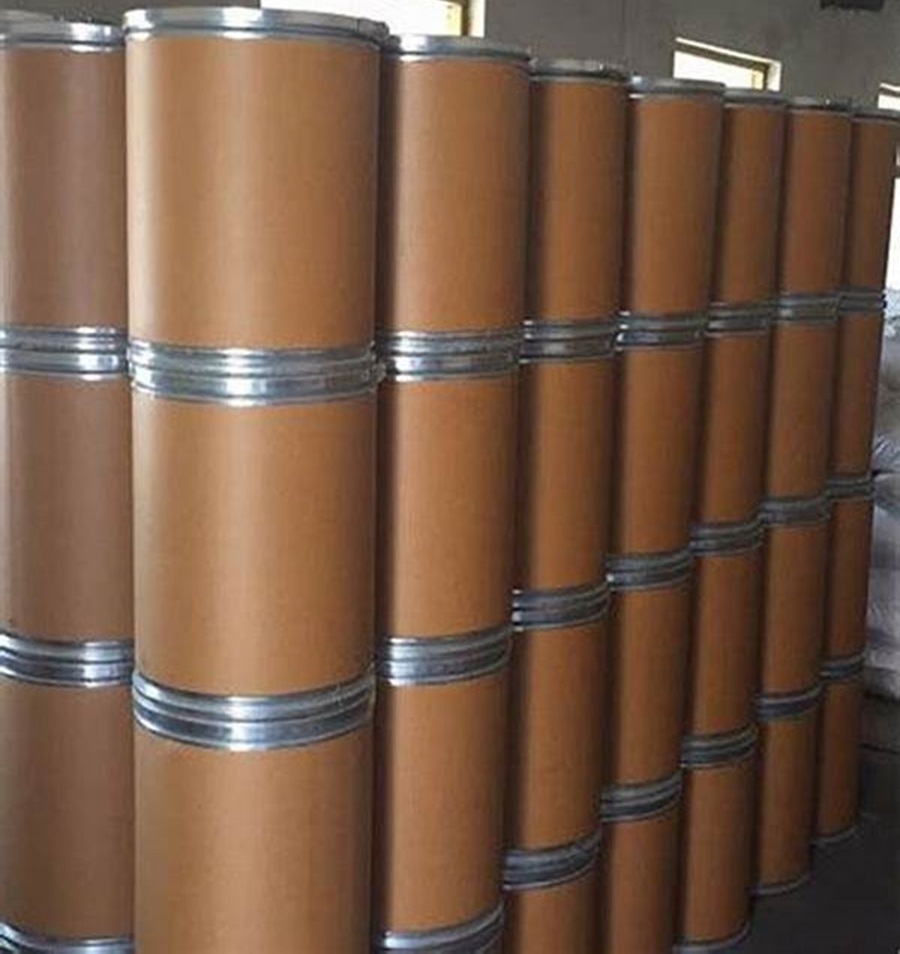
| Fiber Drum | 25 kg, 50 kg | PE-lined fiberboard |
| Steel Drum | 100 kg, 200 kg | Corrosion-resistant lined steel |
| IBC Container | 500 kg, 1000 kg | HDPE with corrosion-resistant coating |
| Big Bag (FIBC) | 500 kg, 1000 kg, 1500 kg | PE-lined woven polypropylene |
SECTION 16: TRANSPORT INFORMATION
| Parameter | Information |
|---|---|
| UN Number | Not regulated (non-hazardous) |
| Hazard Class | Not applicable |
| Packing Group | Not applicable |
| ADR/RID | Not regulated |
| IMDG Code | Not regulated (not a dangerous good) |
| IATA (Air) | Not regulated |
| Marine Pollutant | No |
| Transport Temperature | Ambient temperature; Protect from moisture |
SECTION 17: REGULATORY STATUS
| Region / Authority | Status |
|---|---|
| European Union | REACH registered; Not classified as hazardous under CLP |
| USA (TSCA) | Listed |
| USA (EPA) | Not regulated as hazardous substance |
| Turkey | Industrial chemical; Subject to KKDIK regulation; Not classified as hazardous under GHS |
| IARC | Group 3 (Not classifiable as to carcinogenicity to humans) |
| NTP | Not listed |
| OSHA | Not regulated as toxic or carcinogenic substance |
| California (Prop 65) | Not listed |
| EU Restrictions | Not restricted under REACH Annex XVII |
| FDA | Approved for certain applications (medical, food contact) |
SECTION 18: OTHER NAMES AND SYNONYMS
| Type | Name |
|---|---|
| Turkish Names | Alüminyum Oksit, Alümina, Dialüminyum Trioksit, Alüminyum (III) Oksit, Aloksit, Alundum, Korindon |
| English Names | Aluminum Oxide, Alumina, Dialuminium Trioxide, Aluminium Trioxide, Aloxite, Alundum, Corundum, Activated Alumina, Alpha Alumina, Gamma Alumina |
| Chemical Names | Aluminum Oxide; Alumina; Dialuminum Trioxide; Aluminum(III) Oxide |
| Trade Names | Aloxite, Alundum, Corundum, White Fused Alumina, Tabular Alumina, Calcined Alumina, Reactive Alumina |
| CAS Number | 1344-28-1 (Primary); 11092-32-3; 1302-74-5 |
| EC Number | 215-691-6 |
| Molecular Formula | Al₂O₃ |
| Other Names | Alumina mesh; Alpha-alumina; Activated alumina ball; Corundum, artificial; Aluminium oxide wafer |
SECTION 19: SUMMARY TABLE
| Parameter | Value |
|---|---|
| Product | Aluminum Oxide (Alumina - Al₂O₃) |
| CAS Number | 1344-28-1 |
| Molecular Formula | Al₂O₃ |
| Molecular Weight | 101.96 g/mol |
| Appearance | White to off-white powder or crystalline |
| Density | 3.987 g/cm³ (α-Al₂O₃) |
| Melting Point | 2,072°C |
| Water Solubility | Insoluble |
| Hardness (Mohs) | 9 (α-Al₂O₃ - Corundum) |
| Primary Function | Abrasive, refractory, ceramic, catalyst support |
| Main Applications | Abrasives, refractories, ceramics, electronics, catalysis, desiccants, metal production, glass, medical |
| Shelf Life | 60 months |
| GHS Signal Word | No signal word required (non-hazardous) |
| UN Number | Not regulated |
| Carcinogenicity | IARC Group 3 - Not classifiable |
| Special Feature | Amphoteric oxide; High hardness; High melting point; Chemical inertness |
SECTION 20: CRITICAL WARNINGS AND BEST PRACTICES
CRITICAL WARNINGS:
-
Non-hazardous material but fine dust may cause mechanical irritation to eyes and respiratory tract. Use appropriate dust control measures.
-
Non-combustible. Does not burn. Stable at high temperatures.
-
Avoid inhalation of fine dust. Use dust extraction systems in handling areas.
-
Amphoteric oxide. Reacts with both strong acids and strong bases.
-
Chemically inert in most environments. Excellent chemical resistance.
-
High hardness. Sharp edges of particles may cause mechanical abrasion.
-
Careful attention must be paid to the grade: Different alumina grades (tabular, WFA, calcined, reactive, activated) have different properties and applications. Incorrect selection will lead to failure.
-
Activated alumina is hygroscopic and will absorb moisture if not properly stored. Store in moisture-proof containers.
BEST PRACTICE RECOMMENDATIONS:
-
Abrasive Applications (WFA): Use white fused alumina for grinding wheels, sandpaper, cutting tools, and blasting media; High hardness (Mohs 9) provides excellent wear resistance; Control particle size for specific surface finish requirements.
-
Refractory Applications (Tabular/WFA): Use tabular alumina for high-temperature furnace linings, crucibles, and kiln furniture; Provides thermal shock resistance and high-temperature stability; Use WFA for high-temperature applications requiring chemical inertness.
-
Ceramic Applications (Reactive/WFA): Use reactive alumina for technical ceramics requiring fine microstructure control; Use WFA for wear parts, cutting inserts, ballistic armor; Sinterable binders for technical ceramic systems.
-
Catalysis Applications (Activated/Reactive): Use activated alumina as catalyst support in petroleum refining and chemical synthesis; High surface area (150-350 m²/g) provides excellent catalytic activity; Use reactive alumina for VOC oxidation catalysts.
-
Desiccant Applications (Activated Alumina): Use as drying agent for gases and liquids; Regenerable by heating to 200-300°C; Protect from moisture during storage; Replace or regenerate when saturated.
-
Electronics Applications (Calcined/Reactive): Use as electrical insulator and dielectric material; IC substrates and semiconductor components; High purity grades required for electronic applications.
-
Laminates (WFA/Tabular): Use WFA for decorative laminates requiring surface hardness and wear resistance; Tabular alumina for high-temperature press applications; Compact laminates typically use WFA for surface hardness.
-
Handling: Use in well-ventilated areas; Use dust extraction systems; Wear protective gloves, safety goggles, and respiratory protection when handling powder; Avoid dust generation.
-
Personal Protective Equipment: Safety goggles, protective clothing (dust-resistant), NIOSH-approved dust mask/respirator, protective gloves (nitrile, neoprene).
-
Hygiene: Wash hands thoroughly after handling; Do not eat, drink, or smoke when using; Remove contaminated clothing and wash before reuse.
-
Storage: Store in tightly closed, properly labeled containers in dry conditions; Keep away from strong acids and bases; Moisture-proof containers recommended for activated alumina.
-
Spill Response: Avoid dust generation; Use dust extraction systems; Vacuum or wet-sweep; Place in closed containers for disposal; Do not use dry sweeping methods that generate dust.
-
Disposal: Dispose of in accordance with local, regional, and national regulations; Alumina is considered non-hazardous waste; Recycle where possible; Do not discharge into sewers or water sources.
ALUMINA TYPE-SPECIFIC RECOMMENDATIONS:
Tabular Alumina:
-
Best for refractories and high-temperature applications
-
Low porosity, high thermal conductivity
-
High volume density
-
Use in furnace linings, crucibles, ceramic fiber
White Fused Alumina (WFA):
-
Best for abrasives, laminates, and ceramics
-
High hardness, wear resistance
-
Chemical inertness
-
Use in grinding wheels, sandpaper, cutting tools, ballistic armor
Calcined Alumina:
-
Best for fillers and binders
-
High purity, low reactivity
-
Use in ceramics, glass, electronics
Reactive Alumina:
-
Best for technical ceramics and sinterable binders
-
High surface area, chemical reactivity
-
Low-temperature sintering
-
Use in binders, microstructure control, ceramic components
Activated Alumina:
-
Best for desiccants and catalysts
-
High surface area (150-350 m²/g)
-
Porous structure
-
Use in drying, catalyst support, chemical processes
SECTOR-SPECIFIC RECOMMENDATIONS:
Ceramics Sector: Reactive and tabular alumina are ideal for sintering and microstructure control; WFA provides hardness and wear resistance for technical ceramics.
Laminate Sector: WFA and tabular alumina provide surface hardness and thermal resistance; WFA is preferred for compact laminate panels where surface hardness is critical.
Refractory Applications: Tabular and WFA excel in high-temperature resistance; Tabular alumina provides superior thermal shock resistance.
Abrasive Sector: WFA is preferred due to its Mohs hardness (9); Provides excellent abrasion resistance.
Chemical & Catalysis: Calcined and reactive alumina are suitable for high surface area and purity; Activated alumina used for desiccant and catalyst support.
Electronics: Calcined and reactive alumina are used for insulator and dielectric properties; High purity is essential.
Construction Materials: Tabular and WFA provide mechanical strength and UV resistance.
LEGAL DISCLAIMER:
The information provided in this document is based on our current knowledge and experience and is presented in good faith. However, as all conditions of use are beyond our control, this document does not constitute a binding specification or warranty. This Technical Data Sheet is for informational purposes only. Users are responsible for testing suitability for their own applications. For complete safety, storage, handling, transportation, waste, and regulatory compliance information, please refer to the official Safety Data Sheet (SDS/MSDS) provided by the manufacturer/supplier.