We unleash your business potential by maximize the business innovation.
Send EmailActivated Carbon, Carbon Powder, Pellet Active Carbon, 1333-86-4
Definition and Properties of Activated Carbon
-
Activated carbon is a porous material with a very high surface area, giving it strong adsorption capacity.
-
Typical internal surface area ranges between 500–2000 m²/g.
-
It is produced from organic raw materials such as coal, wood, coconut shells, and bamboo.
Production Process
-
Carbonization: Organic material is heated at high temperature to form carbon.
-
Activation Methods:
-
Physical activation: Carried out in an inert gas atmosphere at high temperature.
-
Chemical activation: Uses chemical reagents at lower temperatures to create porosity.
-
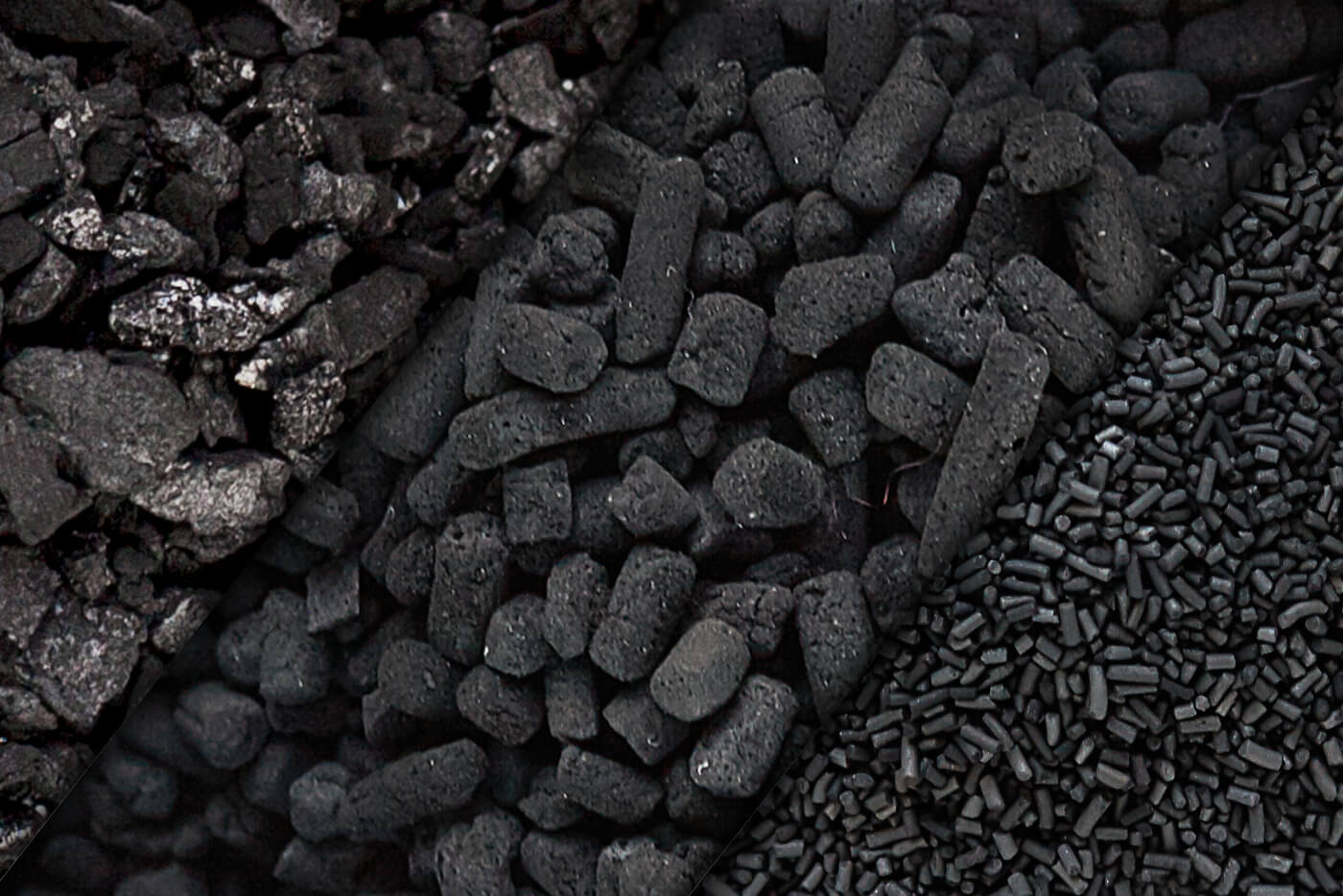
Types of Activated Carbon
| Type | Form | Main Applications |
|---|---|---|
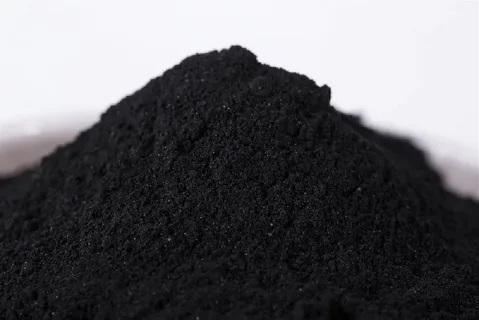
| Powdered Activated Carbon (PAC) | Fine powder | Color and odor removal, liquid/gas purification |
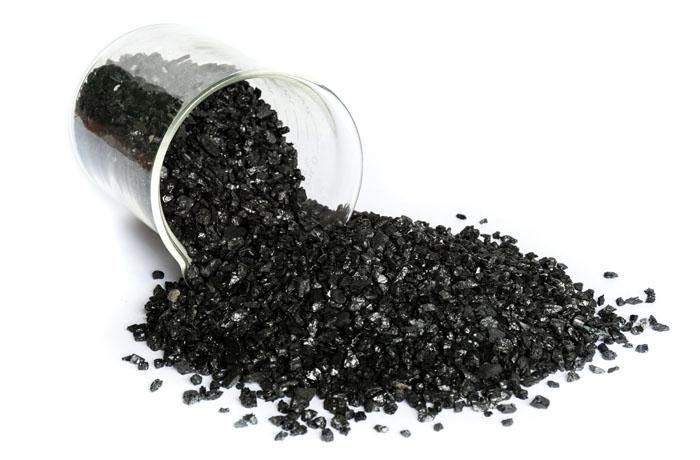
| Granular Activated Carbon (GAC) | Larger granules | Water treatment systems |
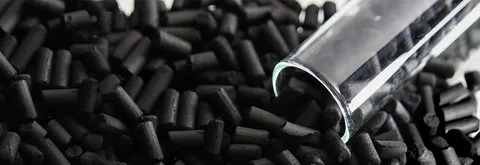
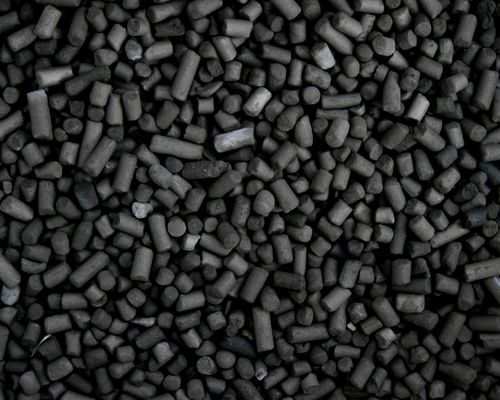
| Pellet (Cylindrical) Activated Carbon | Pressed cylindrical form | Air/gas purification, catalyst support |
Applications
-
Water and Wastewater Treatment: Removes color, odor, taste, and organic pollutants.
-
Air and Gas Filtration: Used in masks, ventilation systems, and flue gas treatment.
-
Food Industry: Decaffeination of coffee/tea, flavor and odor correction.
-
Chemical and Pharmaceutical Industry: Solvent recovery, purification of active ingredients.
-
Mining: Gold and precious metal recovery.
-
Cosmetics and Healthcare: Teeth whitening, skin cleansing, poisoning treatment.
Medical and Health Uses
-
Poisoning treatment: Effective in drug overdoses, heavy metal poisoning, and some food intoxications.
-
Oral care: Removes stains, reduces tartar, and helps eliminate bad breath.
Environmental Impact and Sustainability
-
Sustainable production using plant-based and waste materials.
-
Plays a key role in groundwater remediation and wastewater treatment.
-
Energy recovery and process optimization reduce environmental footprint.
Summary
Activated carbon is a versatile material essential in both industrial and everyday applications.
-
Its main advantage lies in its high surface area and porous structure.
-
It is widely used in water/air purification, food processing, pharmaceuticals, mining, and cosmetics.
-
Environmentally, it supports sustainable production and pollution control.
Sectoral Suitability & Usage Ratios for Activated Carbon
| Sector / Industry | Preferred Form | Typical Usage Ratio | Notes |
|---|---|---|---|
| Water & Wastewater Treatment | Granular (GAC), Powdered (PAC) | 40% | Widely used in municipal water plants, industrial wastewater, and household filters. |
| Air & Gas Filtration | Pellet (Cylindrical), GAC | 20% | Masks, HVAC systems, flue gas treatment; pellet form is favored for controlled airflow. |
| Food & Beverage | PAC, GAC | 10% | Decaffeination, sugar refining, odor/taste correction. |
| Pharmaceuticals & Medical | PAC | 8% | Poisoning treatment, drug purification, oral care products. |
| Cosmetics & Personal Care | PAC | 5% | Teeth whitening, skin cleansing, deodorizing formulations. |
| Chemical Industry | GAC, Pellet | 7% | Solvent recovery, catalyst support, hydrogen chloride production. |
| Mining (Gold Recovery) | GAC | 5% | Adsorption of gold from cyanide solutions; critical in extraction processes. |
| Environmental Remediation | PAC, GAC | 5% | Groundwater cleanup, soil remediation, sustainable waste treatment. |
Key Insights
-
Granular Activated Carbon (GAC) dominates water treatment and mining due to durability and reusability.
-
Powdered Activated Carbon (PAC) is preferred in medical, cosmetics, and food industries for fast adsorption.
-
Pellet Activated Carbon is specialized for air/gas purification and industrial catalytic processes.
-
Overall usage distribution: Water (40%) > Air/Gas (20%) > Food/Pharma/Cosmetics (23%) > Chemicals/Mining/Environment (17%).