We unleash your business potential by maximize the business innovation.
Send EmailActivated Carbon, Activated Charcoal, Activated Coal, 1333-86-4
ACTIVATED CARBON (ACTIVATED CHARCOAL)
Active Carbon / Activated Charcoal
CAS Number: 1333-86-4
EC Number: 231-153-3 (for charcoal)
1. IDENTIFICATION
| Property | Information |
|---|---|
| Product Name | Activated Carbon |
| Synonyms | Activated charcoal, Active carbon, Active charcoal, Activated coal |
| Chemical Formula | C (elemental carbon, amorphous) |
| CAS Number | 1333-86-4 |
| EC Number (EINECS) | 231-153-3 |
| Appearance | Black, fine powder or granular particles |
| Odor | Odorless |
2. PHYSICAL PROPERTIES
| Property | Typical Value |
|---|---|
| Physical State (20°C) | Solid (powder, granules, pellets) |
| Appearance | Black, odorless powder or granular particles |
| Surface Area (BET) | 500 – 2,000 m²/g (typical 800-1,500 m²/g) |
| Bulk Density | 0.2 – 0.6 g/cm³ (depends on form) |
| Particle Size | Varies by grade (µm to mm) |
| Iodine Number | 500 – 1,200 mg/g (adsorption capacity indicator) |
| Hardness (Ball Pan Hardness) | 60 – 98% (for granular forms) |
| Ash Content | 1 – 15% (depends on raw material) |
| Moisture Content (as packed) | ≤ 5 – 10% |
| pH (aqueous extract) | 5 – 10 (depends on activation method and washing) |
| Porosity | Microporous, mesoporous, macroporous (varies by grade) |
| Specific Heat | ~0.85 kJ/(kg·K) |
| Thermal Conductivity | Low (insulating) |
Key Physical Parameters:
| Parameter | Description | Significance |
|---|---|---|
| BET Surface Area | Total surface area per gram | Higher = more adsorption capacity |
| Iodine Number | Adsorption of iodine (mol/L) | Indicator of microporosity (pores <1 nm) |
| Methylene Blue Number | Adsorption of methylene blue | Indicator of mesoporosity (pores 2-50 nm) |
| Tannin Number | Adsorption of tannic acid | Indicator of macroporosity (pores >50 nm) |
| Apparent Density | Mass per unit volume | For reactor sizing and handling |
| Hardness | Resistance to attrition | Important for fixed-bed applications |
3. PRODUCTION PROCESS
| Stage | Description |
|---|---|
| 1. Raw Material Preparation | Carbonaceous raw material is dried and crushed |
| 2. Carbonization | Raw material is heated to 400-600°C in inert atmosphere (no oxygen) to remove volatiles |
| 3. Activation | Carbonized material is treated to create porous structure |
Raw Materials:
-
Coconut shell (highest hardness, premium grade)
-
Wood (soft, high mesoporosity)
-
Coal (bituminous, sub-bituminous, lignite)
-
Peat
-
Olive pits
-
Nut shells (walnut, almond, pecan)
-
Bamboo
-
Petroleum coke
Activation Methods:
| Method | Temperature | Process | Pore Structure | Applications |
|---|---|---|---|---|
| Physical Activation | 800-1,000°C | Steam (H₂O) or CO₂ gasification | Microporous (dominant) | Water treatment, gas purification |
| Chemical Activation | 400-600°C | Chemical impregnation (H₃PO₄, ZnCl₂, KOH, K₂CO₃) | Mesoporous (dominant) | Specialty applications, high adsorption |
Chemical Activation Agents:
-
Phosphoric acid (H₃PO₄) – wood-based carbons
-
Zinc chloride (ZnCl₂) – less common (environmental concerns)
-
Potassium hydroxide (KOH) – ultra-high surface area (supercapacitors)
-
Potassium carbonate (K₂CO₃) – environmentally friendly
4. TYPES & GRADES
| Type | Form | Particle Size | Bulk Density | Primary Applications |
|---|---|---|---|---|
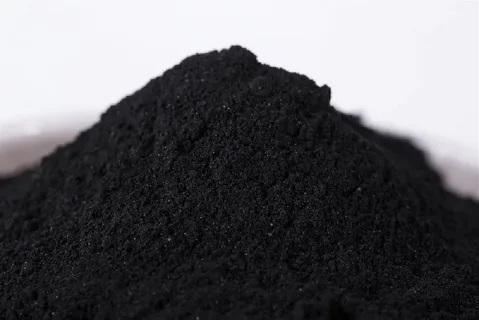
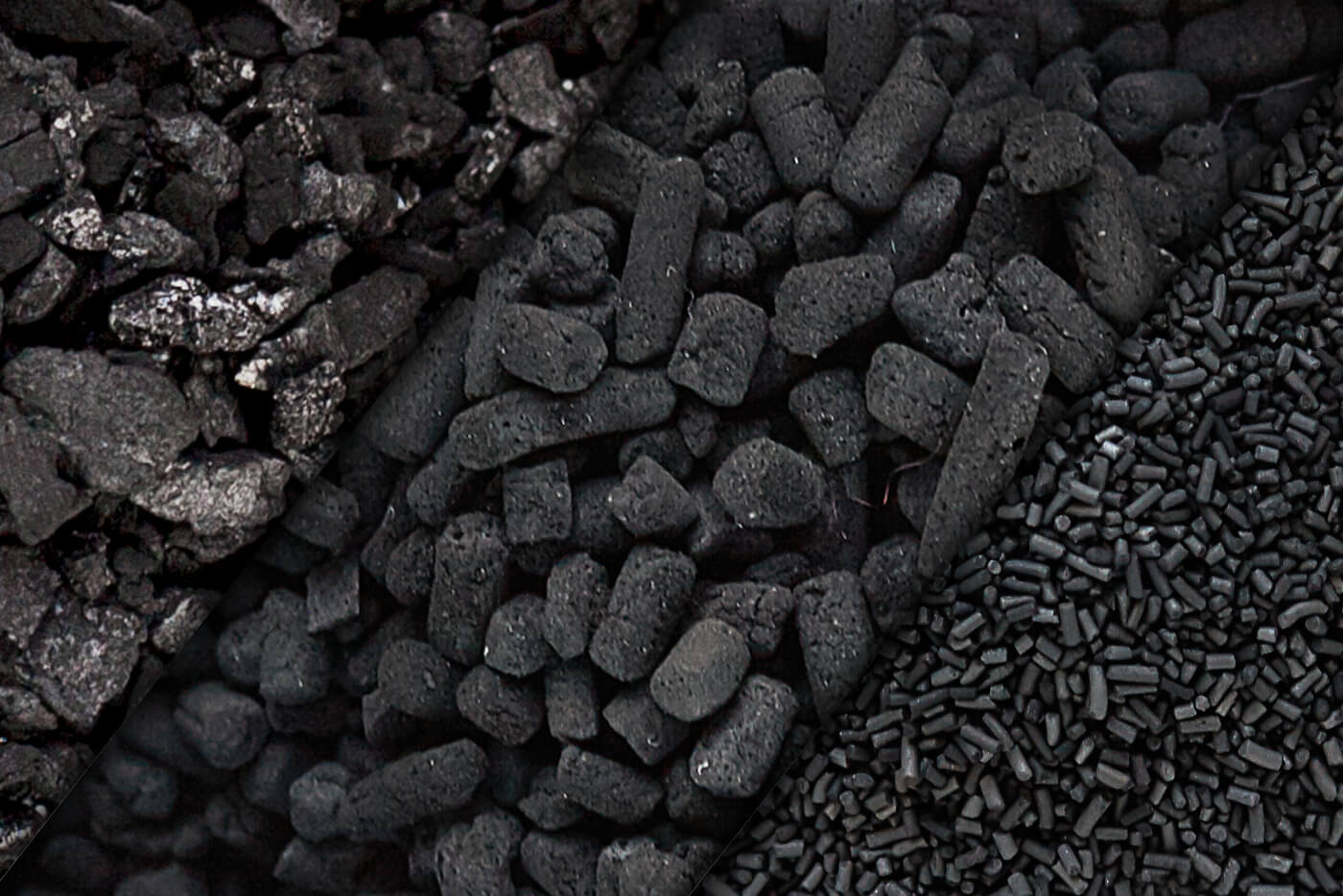
| Powdered Activated Carbon (PAC) | Fine powder | 1 – 150 µm | 0.2 – 0.5 g/cm³ | Liquid phase adsorption (batch processes), color removal, pharmaceutical |
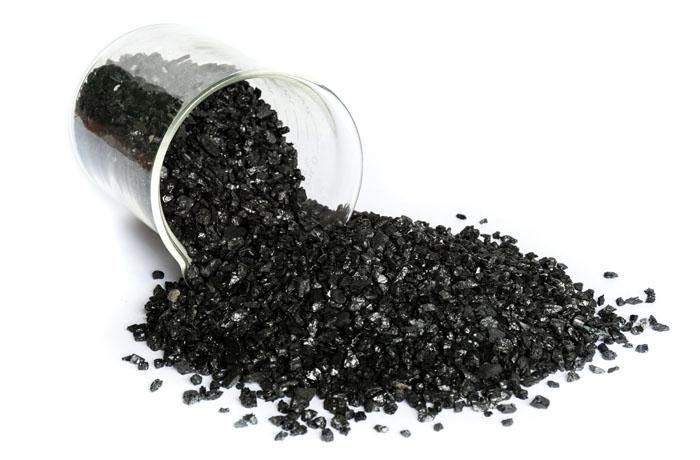
| Granular Activated Carbon (GAC) | Irregular granules | 0.2 – 5 mm | 0.4 – 0.6 g/cm³ | Fixed-bed adsorption, water treatment, gas purification |
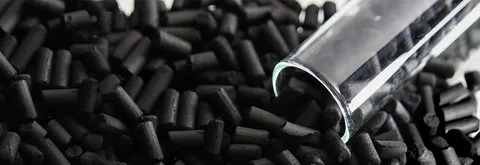
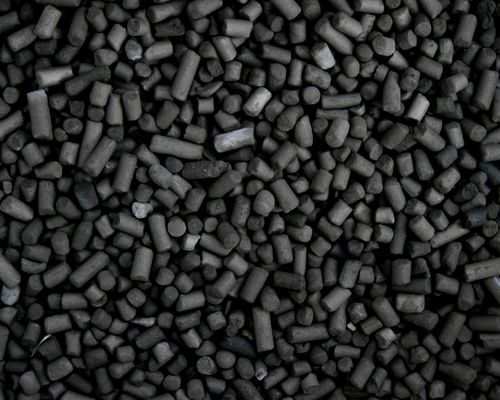
| Extruded (Pellet) Activated Carbon | Cylindrical pellets | 0.8 – 5 mm diameter | 0.5 – 0.7 g/cm³ | Gas phase adsorption, catalyst support, solvent recovery |
| Impregnated Activated Carbon | Various | Various | Various | Specialty adsorption (Hg, H₂S, VOCs, chemical warfare agents) |
| Washed (Acid-washed) Carbon | Various | Various | Various | High-purity applications (food, pharmaceutical, electronics) |
Common Mesh Sizes (GAC):
| Mesh Size | Opening (mm) | Application |
|---|---|---|
| 4×8 | 4.75 – 2.36 mm | Water treatment, large beds |
| 8×16 | 2.36 – 1.18 mm | Water treatment, standard |
| 12×20 | 1.70 – 0.85 mm | Vapor phase, fine adsorption |
| 12×30 | 1.70 – 0.60 mm | Vapor phase, high efficiency |
| 20×40 | 0.85 – 0.43 mm | Fine adsorption, specialty |
5. RAW MATERIAL COMPARISON
| Raw Material | Surface Area (m²/g) | Hardness | Ash Content | Pore Structure | Cost | Primary Applications |
|---|---|---|---|---|---|---|
| Coconut Shell | 1,000-1,500 | Very high | 2-5% | Microporous | High | Water treatment, gold recovery, premium |
| Wood | 800-1,500 | Low | 2-5% | Mesoporous (high) | Medium | Liquid decolorization, food, beverage |
| Coal (Bituminous) | 800-1,200 | Medium | 5-15% | Balanced | Low | General industrial, gas purification |
| Lignite (Brown Coal) | 500-800 | Low | 10-20% | Macroporous | Very Low | Flue gas treatment, low-cost |
| Olive Pits | 800-1,200 | Medium-High | 3-8% | Microporous | Medium | Water treatment, specialty |
6. APPLICATIONS
6.1. Water & Wastewater Treatment (Largest Use – ~40%)
| Application | Preferred Form | Function |
|---|---|---|
| Drinking Water Treatment | GAC (8×16, 12×20) | Removes organic contaminants, chlorine, taste, odor, THM precursors |
| Wastewater Treatment | PAC, GAC | Removes organic pollutants, dyes, pharmaceuticals |
| Industrial Process Water | GAC | Purification of process water |
| Aquarium / Fish Tank | GAC, PAC | Removes impurities, odors, discoloration |
| Pool & Spa | GAC | Chloramine removal, water clarity |
| Groundwater Remediation | GAC | Removes VOCs, pesticides, herbicides |
6.2. Air & Gas Purification (Second Largest – ~20%)
| Application | Preferred Form | Function |
|---|---|---|
| HVAC Systems | Pellet, GAC | Removes VOCs, odors, airborne contaminants |
| Respirator Masks | Impregnated PAC | Chemical warfare agents, industrial fumes |
| Gas Masks | Impregnated PAC | Toxic gas protection |
| Flue Gas Treatment | GAC, Pellet | Removes mercury, dioxins, SO₂, NOₓ |
| Solvent Recovery | GAC, Pellet | Recovers organic solvents from air streams |
| Cabin Air Filters | Impregnated GAC | Automotive and aircraft cabin air purification |
| Odor Control | GAC, Pellet | Wastewater treatment plants, composting facilities |
6.3. Food & Beverage Industry (~10%)
| Application | Preferred Form | Function |
|---|---|---|
| Decaffeination | PAC, GAC | Removes caffeine from coffee and tea |
| Sugar Refining | PAC | Decolorization of sugar solutions |
| Edible Oil Purification | PAC | Removes color, odors, peroxides |
| Beverage Processing | PAC, GAC | Removes impurities, improves clarity |
| Fruit Juice Purification | PAC | Removes color, bitter compounds |
| Alcohol Purification | GAC | Removes fusel oils, impurities |
| Water for Beverages | GAC | Removes chlorine, TOC |
6.4. Pharmaceutical & Medical (~8%)
| Application | Preferred Form | Function |
|---|---|---|
| Poisoning Treatment (Overdose) | PAC (oral suspension) | Adsorbs drugs and toxins in gastrointestinal tract |
| Drug Purification | PAC | Removes impurities in API manufacturing |
| Hemoperfusion | Coated GAC | Removes toxins from blood (extracorporeal) |
| Wound Dressing | Impregnated fabric | Absorbs exudate, reduces odor |
| Kidney Dialysis | GAC | Adsorbs uremic toxins |
| Oral Care (Toothpaste) | PAC | Teeth whitening, stain removal |
6.5. Cosmetics & Personal Care (~5%)
| Application | Preferred Form | Function |
|---|---|---|
| Face Masks / Cleansers | PAC (fine powder) | Absorbs impurities, unclogs pores |
| Toothpaste | PAC | Teeth whitening, stain removal |
| Deodorants | PAC | Absorbs odor-causing compounds |
| Soap | PAC | Deep cleansing, detoxifying |
| Shampoo | PAC | Removes product buildup, impurities |
6.6. Mining & Metallurgy (~5%)
| Application | Preferred Form | Function |
|---|---|---|
| Gold Recovery (CIP/CIL) | GAC (coconut shell) | Adsorbs gold cyanide complex from leach solutions |
| Precious Metal Recovery | GAC | Silver, platinum, palladium recovery |
| Base Metal Purification | GAC | Removes organics from electrolyte solutions |
Gold Recovery Process (CIP – Carbon in Pulp, CIL – Carbon in Leach):
-
Coconut shell GAC is preferred (highest hardness, resists attrition)
6.7. Chemical Industry (~7%)
| Application | Preferred Form | Function |
|---|---|---|
| Solvent Recovery | GAC, Pellet | Recovers solvents from process streams |
| Catalyst Support | Pellet, GAC | Supports for precious metal catalysts |
| Hydrogen Chloride Production | GAC | Catalyst for HCl synthesis from Cl₂ and H₂ |
| Chemical Purification | PAC, GAC | Removes impurities from chemical products |
6.8. Environmental & Soil Remediation (~5%)
| Application | Preferred Form | Function |
|---|---|---|
| Groundwater Remediation | GAC | Removes VOCs, pesticides, herbicides |
| Soil Remediation | PAC, GAC | Adsorbs contaminants from soil |
| Landfill Leachate Treatment | GAC | Removes organic contaminants |
| Spill Cleanup | PAC | Adsorbs spilled chemicals |
7. IMPREGNATED ACTIVATED CARBON
| Impregnant | Target Contaminants | Applications |
|---|---|---|
| Silver (Ag) | Bacteria, viruses | Water disinfection, medical applications |
| Potassium Iodide (KI) | Mercury (Hg), radioactive iodine | Flue gas treatment, nuclear applications |
| Sulfur (S) | Mercury (Hg) | Coal-fired power plants |
| Phosphoric Acid (H₃PO₄) | Ammonia (NH₃), amines | Odor control |
| Potassium Permanganate (KMnO₄) | H₂S, aldehydes, VOCs | Gas masks, air purification |
| Zinc Oxide (ZnO) | H₂S, mercaptans | Gas purification |
| Copper (Cu) | H₂S, phosphine (PH₃) | Gas purification |
| Sodium Hydroxide (NaOH) | Acid gases (HCl, SO₂, NOₓ) | Acid gas removal |
| Triethylenediamine (TEDA) | Chemical warfare agents | Military gas masks |
8. QUALITY SPECIFICATIONS (TYPICAL)
| Parameter | Coconut Shell GAC | Coal-based GAC | Wood-based PAC |
|---|---|---|---|
| Iodine Number (mg/g) | 900 – 1,200 | 800 – 1,100 | 600 – 1,000 |
| BET Surface Area (m²/g) | 1,000 – 1,500 | 800 – 1,200 | 800 – 1,500 |
| Hardness (%) | ≥ 95 | 70 – 90 | N/A (powder) |
| Ash Content (%) | 2 – 5 | 5 – 15 | 2 – 8 |
| Moisture (%) | ≤ 5 | ≤ 5 | ≤ 10 |
| pH | 8 – 10 | 8 – 10 | 5 – 8 (washed) |
| Bulk Density (g/cm³) | 0.45 – 0.55 | 0.40 – 0.50 | 0.20 – 0.50 |
9. REGENERATION & DISPOSAL
| Method | Description | Recovery Rate | Cost |
|---|---|---|---|
| Thermal Regeneration | Heating to 800-900°C in steam/CO₂ atmosphere | 90-95% | High |
| Chemical Regeneration | Acid or base washing | 50-80% | Medium |
| Steam Regeneration | Low-temperature steam stripping | 50-70% | Low |
| Biodegradation | Biological regeneration (for biologically active carbon) | Variable | Low |
| Disposal (non-regenerated) | Incineration (energy recovery) or landfill | 0% | Low |
Note: Regenerated carbon may have slightly lower performance than virgin carbon (10-20% capacity loss).
10. STORAGE & HANDLING
| Parameter | Information |
|---|---|
| Storage Conditions | Cool, dry, well-ventilated area; protect from moisture and contaminants |
| Container Requirements | Sealed bags, drums, or silos (prevent moisture adsorption) |
| Protect From | Moisture (reduces adsorption capacity), organic vapors, strong oxidizers |
| Shelf Life | 2-5 years (if stored properly in sealed, dry containers) |
| Reactivation | Can be regenerated thermally or chemically (see section 9) |
| Packaging Options | 25 kg bags (multi-layer paper/plastic), 500 kg/1000 kg FIBC (big bags), bulk silos |
Handling Notes:
-
Activated carbon adsorbs moisture from air; keep containers sealed until use
-
Fine dust (PAC) can be explosive; use dust collection and explosion protection
-
Avoid contact with strong oxidizers (ozone, chlorine, permanganate) – may react
11. SAFETY & HEALTH INFORMATION
GHS Classification (for dust)
| Hazard Class | Category |
|---|---|
| Combustible Dust | Category 1 (H252) |
| Specific Target Organ Toxicity (Inhalation) | Category 3 (H335) |
Hazard Statements (H-Codes)
| Code | Statement |
|---|---|
| H252 | Self-heating in large quantities; may catch fire |
| H335 | May cause respiratory irritation |
Precautionary Statements (P-Codes)
| Code | Statement |
|---|---|
| P261 | Avoid breathing dust |
| P271 | Use only outdoors or in a well-ventilated area |
| P280 | Wear protective gloves and eye protection |
| P302+P352 | IF ON SKIN: Wash with plenty of water |
| P305+P351+P338 | IF IN EYES: Rinse cautiously with water for several minutes |
Toxicological Information
| Parameter | Value |
|---|---|
| Oral LD50 (rat) | > 5,000 mg/kg (practically non-toxic) |
| Inhalation | May cause respiratory tract irritation (dust) |
| Skin Irritation | Not an irritant |
| Eye Irritation | Mechanical irritant (dust) |
First Aid Measures
| Exposure Route | Action |
|---|---|
| Inhalation | Remove to fresh air. Seek medical attention if respiratory irritation occurs. |
| Skin Contact | Wash with soap and water. |
| Eye Contact | Rinse with plenty of water for 15 minutes. |
| Ingestion | Unlikely to cause harm (used as medical adsorbent). Seek medical attention if large amount ingested. |
Personal Protective Equipment (PPE)
| Equipment | Recommendation |
|---|---|
| Respiratory Protection | Dust mask (N95) when handling powder (PAC) |
| Hand Protection | Gloves (minimal risk – mechanical protection) |
| Eye Protection | Safety glasses with side shields |
| Body Protection | Lab coat or protective clothing (dust control) |
12. ENVIRONMENTAL INFORMATION
| Parameter | Information |
|---|---|
| Biodegradability | Not applicable (inorganic carbon) – does not degrade |
| Aquatic Toxicity | Low (physical effects only) |
| Bioaccumulation | Not expected |
| Waste Disposal | Can be incinerated (energy recovery), landfilled, or regenerated |
13. TRANSPORT INFORMATION
| Parameter | Information |
|---|---|
| UN Number | 1362 (Activated carbon – self-heating) |
| Hazard Class | 4.2 (Substances liable to spontaneous combustion) |
| Packing Group | III |
| Proper Shipping Name | ACTIVATED CARBON |
| Marine Pollutant | No |
| ADR/RID Label | 4.2 |
Note: Activated carbon is classified as a self-heating substance (Class 4.2) for transport when shipped in large quantities. Small consumer packages may be exempt.
14. REGULATORY INFORMATION
| Region | Status |
|---|---|
| EU | REACH registered; approved for food contact (certain grades) |
| Turkey (KKDIK) | Mandatory compliance; requires registration |
| USA (FDA) | Approved as food additive (21 CFR 182.99) – for certain applications |
| USA (EPA) | Listed as inert ingredient for pesticides |
| WHO | Essential medicine (activated charcoal for poisoning treatment) |
15. SECTORAL COMPATIBILITY SUMMARY
| Sector | Preferred Form | Usage Share | Key Applications |
|---|---|---|---|
| Water & Wastewater | GAC, PAC | ~40% | Drinking water, industrial wastewater, groundwater remediation |
| Air & Gas Purification | Pellet, GAC | ~20% | HVAC, respirators, flue gas, solvent recovery |
| Food & Beverage | PAC, GAC | ~10% | Decaffeination, sugar refining, beverage processing |
| Pharmaceutical & Medical | PAC | ~8% | Poisoning treatment, drug purification, hemoperfusion |
| Cosmetics & Personal Care | PAC | ~5% | Face masks, toothpaste, deodorants |
| Chemical Industry | GAC, Pellet | ~7% | Solvent recovery, catalyst support |
| Mining (Gold Recovery) | GAC | ~5% | Gold cyanide adsorption (CIP/CIL) |
| Environmental | PAC, GAC | ~5% | Soil remediation, landfill leachate |
16. SYNONYMS & OTHER NAMES
| Turkish Name | English Name |
|---|---|
| Aktif Karbon | Activated Carbon |
| Aktif Kömür | Activated Charcoal |
| Aktif Karbon Tozu | Powdered Activated Carbon (PAC) |
| Granül Aktif Karbon | Granular Activated Carbon (GAC) |
| Ekstrüde Aktif Karbon | Extruded Activated Carbon (Pellet) |
| Emprenye Edilmiş Aktif Karbon | Impregnated Activated Carbon |
17. SUMMARY
Activated Carbon (Activated Charcoal, CAS 1333-86-4) is a highly porous carbonaceous material with an extremely large internal surface area (500-2,000 m²/g). It adsorbs organic compounds, chlorine, odors, colors, and certain inorganic contaminants from liquids and gases.
Key Features:
| Feature | Description |
|---|---|
| Surface Area | 500 – 2,000 m²/g (BET) |
| Forms | Powder (PAC), Granular (GAC), Pellet (Extruded) |
| Raw Materials | Coconut shell, wood, coal, peat, olive pits |
| Activation Methods | Physical (steam/CO₂) or Chemical (H₃PO₄, ZnCl₂, KOH) |
Main Application Areas:
| Sector | Applications |
|---|---|
| Water Treatment | Drinking water, wastewater, groundwater remediation |
| Air Purification | HVAC, gas masks, flue gas treatment, solvent recovery |
| Food & Beverage | Decaffeination, sugar refining, beverage processing |
| Pharmaceutical | Poisoning treatment (overdose), drug purification |
| Mining | Gold recovery (CIP/CIL process) |
| Cosmetics | Face masks, toothpaste, deodorants |
Key Safety Points:
-
DUST HAZARD – Avoid inhalation of fine powder
-
COMBUSTIBLE – Dust may form explosive mixtures with air
-
SELF-HEATING – Large quantities may self-heat (Class 4.2 for transport)
-
ADSORBS MOISTURE – Store in sealed, dry containers
-
LOW TOXICITY – Generally recognized as safe
18. IMPORTANT NOTES
-
Surface Area is Key: Adsorption capacity is directly related to surface area. Higher surface area (1,000-1,500 m²/g) provides more adsorption sites. Iodine number is a good indicator of microporosity and overall performance.
-
Coconut Shell vs Coal: Coconut shell activated carbon has higher hardness (95%+) and is preferred for applications requiring attrition resistance (gold recovery, fixed-bed water treatment). Coal-based carbon is lower cost and suitable for many industrial applications.
-
PAC vs GAC Selection:
-
PAC (Powder): Use for batch processes (rapid mixing, filtration) – decolorization, pharmaceutical, batch water treatment
-
GAC (Granular): Use for continuous fixed-bed processes – water treatment, gas purification, solvent recovery
-
-
Regeneration Economics: Regenerating spent carbon (thermal or chemical) is typically 30-50% of the cost of new carbon. Regeneration is recommended for large-volume applications (water treatment plants, gold recovery). Small-volume users may dispose of spent carbon.
-
Impregnated Carbon for Specialty Applications: Standard activated carbon does not adsorb certain gases (H₂S, NH₃, Hg, formaldehyde). Impregnated carbons (with KI, ZnO, KMnO₄, H₃PO₄) are required for these applications.
-
Gold Recovery Specifics: Coconut shell GAC is the standard for gold cyanide adsorption (CIP/CIL process) due to its high hardness (resists attrition in agitated tanks) and good adsorption kinetics.
-
Moisture Sensitivity: Activated carbon adsorbs moisture from air. Storing in open containers reduces adsorption capacity for target contaminants. Always keep containers sealed until use.
-
Safety for Medical Use: For poisoning treatment, use pharmaceutical-grade activated carbon (high purity, low heavy metals, appropriate particle size). Industrial grade should not be used for medical applications.
-
Dust Explosion Risk: Fine powdered activated carbon (PAC) can form explosive dust-air mixtures. Use dust collection systems, avoid open flames/sparks, and use explosion-proof electrical equipment in handling areas.
-
Spent Carbon Disposal: Spent activated carbon may be classified as hazardous waste depending on the contaminants adsorbed. Always test and dispose according to local regulations. Thermal regeneration or incineration with energy recovery is preferred.
Important Disclaimer: This Technical Data Sheet (TDS) is for informational purposes only. For complete safety, handling, storage, and regulatory compliance information, always refer to the official Safety Data Sheet (SDS) provided by the manufacturer/supplier.