Water Conditioning, Pool
Do you have questions?
We unleash your business potential by maximize the business innovation.
Send EmailToluene Diisocyanate, Tolylene Diisocyanate, Methylphenylene Diisocyanate, TDI Isocyanate, TDI 80/20, TDI 80, TDI, 26471-62-5
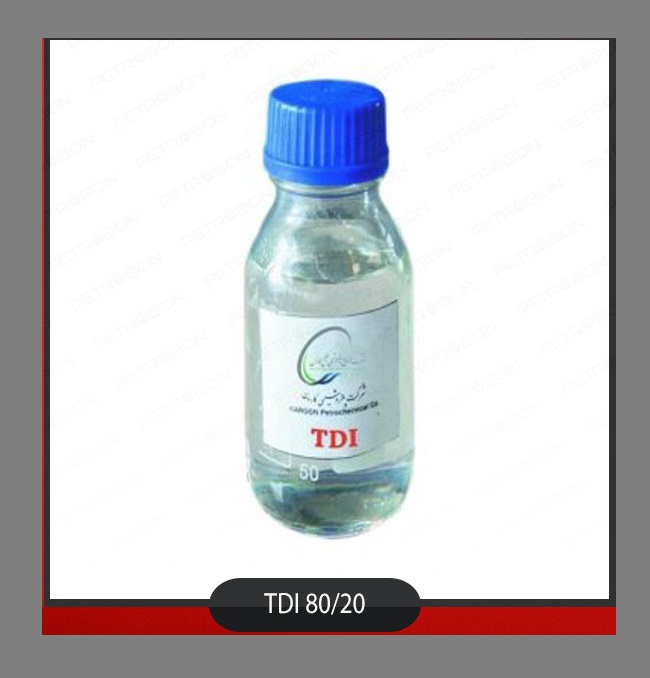
Product Name: Toluene Diisocyanate (TDI 80/20)
1. PRODUCT IDENTIFICATION AND BASIC INFORMATION
| Property | Value / Description |
|---|---|
| Chemical Name | Toluene Diisocyanate |
| Trade Name / Grade | TDI 80/20 |
| CAS Number | 26471-62-5 |
| Molecular Formula | C₉H₆N₂O₂ |
| Molecular Weight | 174.2 g/mol |
| Isomeric Composition | 2,4-TDI: 80% ± 2% (by weight) 2,6-TDI: 20% ± 2% (by weight) |
| Synonyms | Tolylene Diisocyanate, Methylphenylene Diisocyanate, TDI 80, 2,4-Diisocyanato-1-methylbenzene |
2. PHYSICAL AND CHEMICAL PROPERTIES (OVERVIEW)
| Parameter | Specification Value | Unit |
|---|---|---|
| Physical State | Liquid (at room temp; near freezing point) | - |
| Appearance | Colorless to Pale Yellow Clear Liquid | Visual |
| Odor | Sharp, Pungent, Irritating | - |
| Melting / Freezing Point | 19.5 – 20.5 | °C |
| Boiling Point | 247 | °C |
| Flash Point | 137 | °C (Closed Cup) |
| Density (at 25°C) | Approx. 1.22 | g/cm³ |
| Vapor Pressure (at 20°C) | Approx. 0.01 | mmHg |
| Vapor Density | Heavier than air (Air = 1) | - |
| Viscosity (at 25°C) | Approx. 3 | mPa·s |
| Solubility | Reacts with water. Soluble in acetone, benzene, ethyl acetate, chlorobenzene, and most organic solvents. |
3. REACTIVITY AND STABILITY
| Criteria | Description |
|---|---|
| Reactivity (Water) | Violent reaction. Contact with water generates CO₂ gas in an exothermic reaction. Risk of pressure build-up and explosion in closed containers. |
| Conditions to Avoid | Water, Moisture, Alkalies, Strong Bases, Alcohols, Amines. |
| Flammability | Combustible Liquid Class IIIB. When heated or exposed to flame, may form explosive vapor-air mixtures. |
4. STORAGE AND HANDLING REQUIREMENTS
| Criteria | Specification |
|---|---|
| Recommended Storage Temp. | Recommended: 20°C - 35°C (Do not allow to fall below 18°C to prevent crystallization). Frozen product must be thawed carefully and homogenized. |
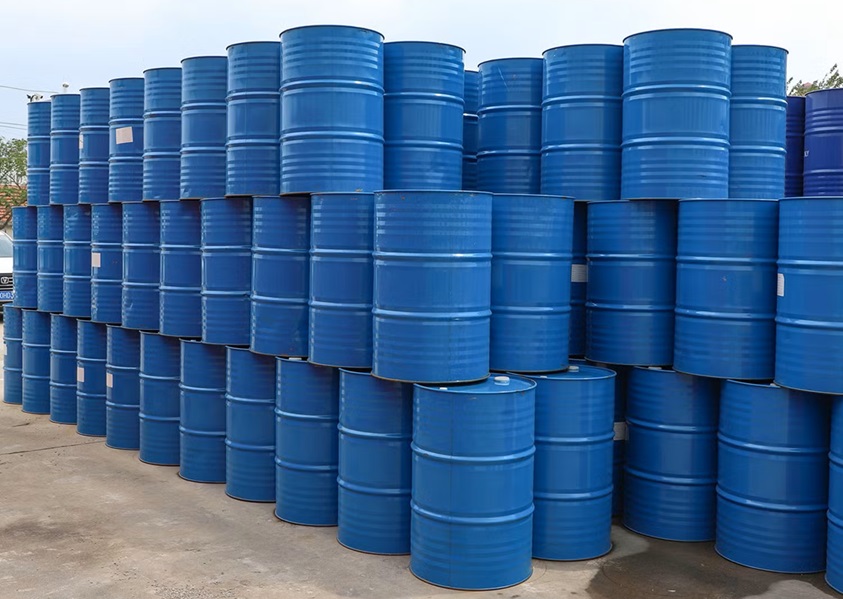
| Packaging Material | Suitable: Stainless Steel, Carbon Steel, under Dry Nitrogen (N₂) blanket. Strictly Avoid: Polyethylene (PE), Polypropylene (PP) drums (causes degradation and leakage). |
| Atmosphere | Dry Air or Nitrogen (N₂) Blanket (to prevent polymerization on the surface due to ambient moisture). |
5. APPLICATION AREAS AND INDUSTRY USAGE
| Industry Sector | Application Details |
|---|---|
| Furniture & Bedding | Flexible slabstock and molded polyurethane foams (Provides softness and high load-bearing capacity). |
| Automotive | Steering wheel coatings, seat cushioning, acoustic foams, bumper elastomers. |
| Construction & Insulation | Spray and pour-in-place rigid foams, structural adhesives, floor coatings. |
| Coatings & Adhesives | High-performance polyurethane varnishes, moisture-cure sealants, industrial adhesives. |
| Footwear | Durable and lightweight polyurethane sole systems. |
6. HEALTH AND SAFETY SUMMARY (Refer to SDS for full details)
| Hazard Category | Effect and Precautionary Summary |
|---|---|
| Inhalation | High Acute Toxicity. Severe irritation of respiratory tract, chest tightness. Repeated exposure may lead to sensitization and occupational asthma (RADS). |
| Skin Contact | Irritating, may cause redness and burns. Risk of sensitization (allergy). |
| Eye Contact | Risk of serious eye damage. |
| Personal Protective Equipment (PPE) | Full-face respirator (Organic vapor/P1 filter), Butyl or Viton gloves, Chemical protective suit, Safety shower and eyewash station must be available. |
| First Aid | Inhalation: Move to fresh air, seek medical attention. Skin: Remove contaminated clothing, wash thoroughly with soap and water. |
7. ALTERNATIVE MATERIALS AND COMPARISON
| Alternative | Performance Comparison (vs. TDI 80/20) |
|---|---|
| Polymeric MDI | Lower vapor pressure (lower inhalation risk), faster reactivity. Superior to TDI in rigid foams but typically lacks the resilience and soft feel provided by TDI in flexible foams. |
| Pure MDI | Preferred in elastomers and high-strength adhesives; less volatile than TDI. |
| HDI / IPDI (Aliphatic) | Non-yellowing (UV resistant). Used as replacement for TDI in exterior paints and varnishes but is significantly more expensive. |
| NIPU | Isocyanate-free systems. Eliminates toxicity concerns but currently does not match the cost-performance ratio of TDI-based systems (R&D stage). |
8. LEGAL NOTICE AND DISCLAIMER
This document is provided for informational purposes only and does not constitute a product sales specification or a replacement for the legally binding Safety Data Sheet (SDS). Users must read the Safety Data Sheet (SDS) prior to use and test the suitability of the product for their specific processes. Storage, transportation, and disposal are subject to applicable national and international regulations.