We unleash your business potential by maximize the business innovation.
Send EmailLithium Carbonate, Dilithium Carbonate, Lithium Carbonate Anhydrous, 554-13-2
LITHIUM CARBONATE (Li₂CO₃)
PRODUCT IDENTIFICATION INFORMATION
| Parameter | Information |
|---|---|
| Product Name | Lithium Carbonate |
| Chemical Name (IUPAC) | Lithium Carbonate |
| CAS Number | 554-13-2 |
| EC Number (EINECS) | 209-062-5 |
| Molecular Formula | Li₂CO₃ |
| Molecular Weight | 73.89 g/mol |
CHEMICAL STRUCTURE
        O
        ||
    Li⁺ — O—C—O⁻ — Li⁺
             |
             O⁻

    Lithium Carbonate (Li₂CO₃)
    Ionic Structure
Molecular Formula: Li₂CO₃
SMILES: [Li+].[Li+].C(=O)([O-])[O-]
InChI: InChI=1S/CH2O3.2Li/c2-1(3)4;;/h(H2,2,3,4);;/q;2*+1/p-2
Crystal System: Monoclinic
SECTION 1: CHEMICAL IDENTITY AND DEFINITION
| Parameter | Information |
|---|---|
| Product Name | Lithium Carbonate |
| Chemical Name (IUPAC) | Lithium Carbonate |
| Synonyms (English) | Lithium Carbonate, Dilithium Carbonate, Carbonic Acid Lithium Salt, Carbonic Acid Dilithium Salt, Lithium Carbonate Anhydrous, Lithobid, Lithane, Carbolithium |
| Synonyms (Turkish) | Lityum Karbonat, Dilityum Karbonat, Karbonik Asit Lityum Tuzu, Karbonik Asit Dilityum Tuzu, Lityum Tuzu |
| CAS Number | 554-13-2 |
| EC Number (EINECS) | 209-062-5 |
| Molecular Formula | Li₂CO₃ |
| Molecular Weight | 73.89 g/mol |
| Chemical Class | Inorganic compound; alkali metal carbonate |
| Physical State (20°C) | Solid powder |
| Odor | Odorless |
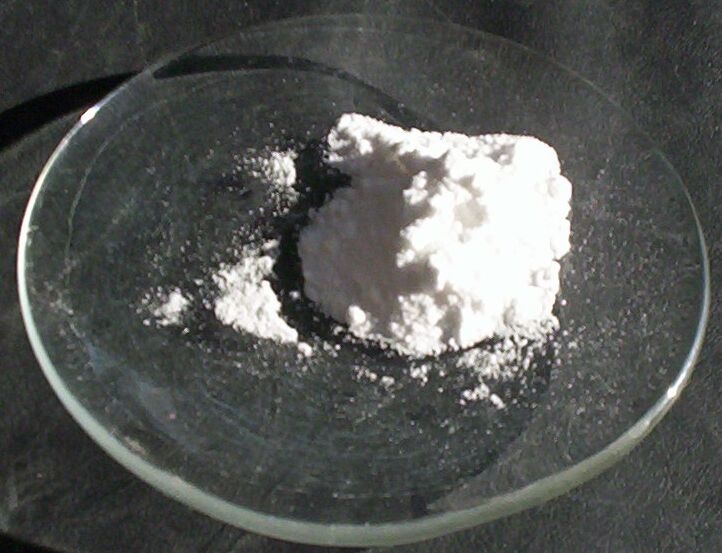
| Color | White crystalline powder |
| Taste | Alkaline taste |
SECTION 2: PHYSICAL AND CHEMICAL PROPERTIES
| Property | Value | Test Method / Note |
|---|---|---|
| Appearance | White crystalline powder | Visual |
| Odor | Odorless | Olfactometric |
| Molecular Weight | 73.89 g/mol | Calculated |
| Density (20°C) | 2.11 g/cm³ | ASTM D4052 |
| Melting Point | ~720°C | DSC |
| Decomposition Temperature | ~1300°C (decomposes to Li₂O + CO₂) | - |
| Solubility in Water (20°C) | ~13 g/L (1.3 mg/mL) | General Method |
| Solubility in Hot Water | Decreases with increasing temperature | General Method |
| Solubility in Ethanol | Insoluble | General Method |
| Solubility in Dilute Acids | Soluble | General Method |
| pH (5 g/L in Water) | 10 - 11 (alkaline) | pH Meter |
| Crystal System | Monoclinic | XRD |
| Hygroscopicity | Slightly hygroscopic | - |
| Thermal Stability | Stable; Decomposes above 1300°C | - |
| Specific Surface Area (BET) | 2-15 m²/g (varies by grade) | BET Analysis |
| Electrical Properties | Insulator | - |
| Toxicity | Moderately toxic; Pharmaceutical use | - |
SECTION 3: CHEMICAL PROPERTIES AND REACTIVITY
| Parameter | Information |
|---|---|
| Chemical Character | Inorganic alkali metal carbonate; basic properties; exhibits reverse solubility (more soluble in cold water) |
| Stability | Stable under normal conditions; Slightly hygroscopic; Decomposes at high temperatures |
| Reactivity | Reacts with acids to form lithium salts (chloride, sulfate) and carbon dioxide; Reacts with carbon dioxide to form lithium bicarbonate; Exothermic reaction with acids |
| Incompatible Materials | Strong acids, strong oxidizing agents, fluorine, reactive metals |
| Polymerization | Will not polymerize |
| Decomposition Products (Heating) | Lithium oxide (Li₂O), Carbon dioxide (CO₂) |
| Hazardous Reactions | Reacts vigorously with acids releasing CO₂ gas; May react with strong oxidizing agents |
| Acid Reaction | Li₂CO₃ + 2HCl → 2LiCl + CO₂ + H₂O |
| Thermal Decomposition | Li₂CO₃ → Li₂O + CO₂ (above 1300°C) |
| Carbonation | Li₂CO₃ + CO₂ + H₂O → 2LiHCO₃ |
| Complex Formation | Forms complexes with various ligands; Important in battery precursor chemistry |
| Hydrolysis | Alkaline in aqueous solution due to hydrolysis of carbonate ion |
SECTION 4: COMPARISON OF LITHIUM COMPOUNDS
| Property | Lithium Carbonate (Li₂CO₃) | Lithium Hydroxide (LiOH) | Lithium Chloride (LiCl) | Lithium Oxide (Li₂O) |
|---|---|---|---|---|
| CAS Number | 554-13-2 | 1310-65-2 | 7447-41-8 | 12057-24-8 |
| Formula | Li₂CO₃ | LiOH | LiCl | Li₂O |
| Molecular Weight | 73.89 | 23.95 | 42.39 | 29.88 |
| Appearance | White powder | White crystals | White crystals | White powder |
| Density (g/cm³) | 2.11 | 1.45 | 2.07 | 2.01 |
| Water Solubility | 13 g/L (limited) | 128 g/L (very soluble) | 832 g/L (highly soluble) | Reacts violently |
| Primary Use | Battery cathode, pharmaceuticals | Battery production, CO₂ absorption | Desiccant, flux | Ceramics, glass |
SECTION 5: PRODUCTION METHODS
Method 1: From Spodumene Ore (Most Common Industrial Method)
-
Step 1 - Ore Processing: Spodumene ore (LiAlSi₂O₆) is crushed and heated to 1050°C to convert from alpha to beta form
-
Step 2 - Acid Roasting: Beta-spodumene is roasted with sulfuric acid at 250°C
-
Step 3 - Leaching: Lithium sulfate (Li₂SO₄) is leached with water
-
Step 4 - Carbonation: Li₂SO₄ + Na₂CO₃ → Li₂CO₃ + Na₂SO₄
-
Step 5 - Purification: Filtration, washing, and drying to obtain lithium carbonate
-
Description: Lithium carbonate is produced from spodumene ore; Most common industrial production method; Production is concentrated among 3 major producers
Method 2: From Lithium Hydroxide (Carbonation)
-
Reaction: 2LiOH + CO₂ → Li₂CO₃ + H₂O
-
Description: Lithium hydroxide is reacted with carbon dioxide to form lithium carbonate; Used for high-purity grades; Produces battery-grade and electrolyte-grade materials
Method 3: From Brine Sources (Salt Lake Recovery)
-
Process: Salar brine → Solar evaporation → Lithium chloride concentration → Conversion to lithium carbonate
-
Description: Lithium-rich brines are evaporated in solar ponds to concentrate lithium chloride; Concentrated lithium chloride is converted to lithium carbonate; Sustainable recovery method; Primary source in South America (Chile, Argentina)
Method 4: From Mineral Clays (Emerging Technology)
-
Process: Clay minerals containing lithium → Acid leaching → Purification → Carbonation
-
Description: Lithium is extracted from clay minerals using acid leaching techniques; Emerging technology; Contains impurities (Na, K, Al, Ca, Mg) that are removed during processing
Method 5: From Waste Recovery (Boron Production Waste)
-
Process: Boron production wastewater → Lithium recovery → Purification → Carbonation
-
Description: Lithium compounds are recovered from boron production waste streams; Sustainable recovery method; Produces ~600 tons/year lithium carbonate in some facilities
SECTION 6: FUNCTIONAL PROPERTIES AND MECHANISM OF ACTION
| Property | Description |
|---|---|
| Battery Precursor | Critical raw material for lithium-ion battery cathode production; Used in NCM, LCO, LFP and other cathode materials; Essential for electric vehicle batteries and energy storage systems; Battery-grade purity (≥99.5% - 99.95%) required |
| Pharmaceutical Active Ingredient | Used as a mood stabilizer in the treatment of bipolar disorder (mania); Affects neurotransmitter signaling (dopamine, serotonin); Blocks inositol metabolism via phospholipase C inhibition; Interferes with transmembrane sodium exchange in nerve cells; Has been used in psychiatry for over 50 years |
| Ceramic and Glass Additive | Used in enamel and glaze formulations; Improves thermal resistance; Provides fluxing properties; Used in heat-resistant glass production; Used in glass fiber production |
| Aluminum Production | Used as an additive in electrolytic processes; Improves current efficiency; Reduces energy consumption; Used in primary aluminum production |
| Construction Chemicals | Used as a setting accelerator for calcium aluminate cement; Accelerates hardening and setting time; Increases early strength development; Applied in shotcrete and normal concrete applications; Can be used in liquid or solid form |
| Colorant / Pigment | Used in the production of pigments and dyes; Used in synthetic rubber manufacturing; Used in military defense materials as a strengthening agent |
| Precursor Material | Used to produce other lithium compounds (lithium oxide, lithium phosphate, lithium metal); Reacted with phosphoric acid to produce lithium phosphate; Sintered with cobalt oxide at 350°C to produce lithium metal oxide compounds |
| Oxidation/Reduction Agent | Used as oxidizing and reducing agent in industrial processes; Used as a process regulator in various industrial applications |
| Wind Turbine Application | Used as a soft metal additive in resins to prevent cracking and corrosion; Prevents turbine blade cracking in cold weather conditions; Lithium carbonate is suitable for this application |
| Impurity Removal | Used to remove impurities due to strong polarization properties of lithium ion; Increases peripheral leukocyte count |
SECTION 7: MAIN APPLICATION AREAS
| Industry / Application | Function | Typical Use |
|---|---|---|
| Battery Production | Precursor material (cathode) | Lithium-ion battery cathodes (NCM, LCO, LFP); Electric vehicle batteries; Energy storage systems; Battery-grade quality (99.5%-99.99%) |
| Pharmaceutical / Medical | Mood stabilizer | Bipolar disorder treatment; Mania treatment; Schizophrenia (emotional disorders); Mood regulation; Tablets 300-600 mg |
| Ceramics Industry | Pigment, flux, additive | Enamel and glaze formulations; Porcelain decoration; Heat-resistant ceramics; %2-5 in glaze formulations |
| Glass Industry | Additive, flux | Heat-resistant glass; Glass fiber production; Glass coloration; Improves thermal resistance |
| Aluminum Production | Electrolytic additive | Aluminum smelting processes; Improves current efficiency; Reduces energy consumption |
| Construction / Cement | Setting accelerator | Calcium aluminate cement; Accelerates setting and hardening; Shotcrete applications; Normal concrete applications |
| Pigments and Dyes | Colorant | Paint production; Dye manufacturing; Color formulations |
| Rubber Industry | Strengthening agent | Synthetic rubber production; Military defense materials; Strengthening additive |
| Chemical Industry | Precursor / intermediate | Production of other lithium compounds; Lithium oxide; Lithium phosphate; Lithium metal oxide |
| Wind Energy | Additive | Wind turbine blade resins; Prevents cracking and corrosion; Cold weather protection |
| Impurity Removal | Purification agent | Industrial purification processes; Strong polarization properties |
SECTION 8: QUALITY SPECIFICATIONS
Industrial Grade Lithium Carbonate
| Parameter | Specification | Test Method |
|---|---|---|
| Appearance | White crystalline powder | Visual |
| Assay (Li₂CO₃) | ≥ 98.5% | Acidimetric Titration |
| Lithium Content | ≥ 18.5% | AAS / ICP |
| Loss on Drying | ≤ 0.5% | Gravimetric |
| Water Insoluble Matter | ≤ 0.1% | Gravimetric |
| Chloride (Cl) | ≤ 0.05% | Titrimetric |
| Sulfate (SO₄) | ≤ 0.1% | Turbidimetric |
| Sodium (Na) | ≤ 0.5% | AAS / ICP |
| Potassium (K) | ≤ 0.1% | AAS / ICP |
| Calcium (Ca) | ≤ 0.05% | AAS / ICP |
| Magnesium (Mg) | ≤ 0.05% | AAS / ICP |
| Iron (Fe) | ≤ 0.01% | AAS / ICP |
| Particle Size | As per requirement (<40 µm available) | Laser Diffraction / Sieve |
Battery Grade Lithium Carbonate (99.5%)
| Parameter | Specification | Test Method |
|---|---|---|
| Appearance | Fine white powder | Visual |
| Assay (Li₂CO₃) | ≥ 99.5% | Acidimetric Titration / ICP |
| Lithium Content | ≥ 18.8% | AAS / ICP |
| Loss on Drying | ≤ 0.3% | Gravimetric |
| Water Insoluble Matter | ≤ 0.05% | Gravimetric |
| Chloride (Cl) | ≤ 0.005% | Titrimetric |
| Sulfate (SO₄) | ≤ 0.01% | Turbidimetric |
| Sodium (Na) | ≤ 0.05% | AAS / ICP |
| Potassium (K) | ≤ 0.01% | AAS / ICP |
| Calcium (Ca) | ≤ 0.01% | AAS / ICP |
| Magnesium (Mg) | ≤ 0.01% | AAS / ICP |
| Iron (Fe) | ≤ 0.001% | AAS / ICP |
| Copper (Cu) | ≤ 0.001% | AAS / ICP |
| Nickel (Ni) | ≤ 0.001% | AAS / ICP |
| Lead (Pb) | ≤ 0.001% | AAS / ICP |
| Particle Size (D50) | 5-20 µm | Laser Diffraction |
| Packing | 20 kg bags, big bags | - |
Battery Grade Lithium Carbonate (99.95%)
| Parameter | Specification | Test Method |
|---|---|---|
| Appearance | Fine white powder | Visual |
| Assay (Li₂CO₃) | ≥ 99.95% | Acidimetric Titration / ICP |
| Lithium Content | ≥ 18.9% | AAS / ICP |
| Impurities (Total) | ≤ 0.05% | AAS / ICP |
| Particle Size (D50) | 5-20 µm | Laser Diffraction |
| Packing | 20 kg bags, big bags | - |
Electrolyte Grade Lithium Carbonate (99.99%)
| Parameter | Specification | Test Method |
|---|---|---|
| Appearance | Fine white powder | Visual |
| Assay (Li₂CO₃) | ≥ 99.99% | Acidimetric Titration / ICP |
| Lithium Content | ≥ 18.9% | AAS / ICP |
| Impurities (Total) | ≤ 0.01% | AAS / ICP |
| Particle Size (D50) | 5-20 µm | Laser Diffraction |
| Packing | 20 kg bags, big bags | - |
Technical Grade (Milled <40 µm)
| Parameter | Specification | Test Method |
|---|---|---|
| Appearance | Fine white powder | Visual |
| Assay (Li₂CO₃) | ≥ 98.5% | Acidimetric Titration |
| Particle Size | <40 µm (milled) | Sieve / Laser Diffraction |
| Packing | 20 kg bags, big bags | - |
SECTION 9: TOXICOLOGICAL PROFILE
| Parameter | Value |
|---|---|
| Acute Oral Toxicity (LD50, Rat) | ~ 525 mg/kg (moderate toxicity) |
| Acute Dermal Toxicity | Slightly irritating; May cause sensitization |
| Acute Inhalation Toxicity | May cause respiratory irritation; Dust inhalation should be avoided |
| Skin Irritation | Slight irritant |
| Eye Irritation | May cause eye irritation |
| Chronic Toxicity | Chronic exposure may cause kidney damage, thyroid dysfunction; Therapeutic use requires careful monitoring (lithium blood levels) |
| Carcinogenicity | Not classified as carcinogenic; IARC Group 3 (Not classifiable) |
| Mutagenicity | Not classified as mutagenic |
| Reproductive Toxicity | May cause reproductive toxicity at high doses; Not classified as reproductive toxicant in normal use |
| Target Organs | Kidneys, thyroid, central nervous system (therapeutic effects) |
| Occupational Exposure Limit (8h TWA) | Not established; Recommended: 0.1 mg/m³ (as Li₂CO₃) |
| Therapeutic Range | 0.6 - 1.2 mmol/L (blood concentration for bipolar treatment) |
| Special Toxicity Note | Lithium carbonate is a pharmaceutical active ingredient used for mood stabilization; Therapeutic use requires regular blood level monitoring; Toxicity occurs at blood levels >1.5 mmol/L; Symptoms include tremor, confusion, nausea, vomiting |
SECTION 10: GHS CLASSIFICATION AND LABELING
GHS Classification (Compliant with CLP and UN GHS):
| Hazard Class | Category | H-Statement |
|---|---|---|
| Acute Toxicity (Oral) | Category 4 | H302 |
| Eye Irritation | Category 2 | H319 |
| Skin Irritation | Category 3 | H316 |
| STOT - SE (Single Exposure) | Category 3 | H335 |
| Chronic Aquatic Toxicity | Category 3 | H412 |
Note: Lithium carbonate is generally not classified as a hazardous substance under most GHS systems, but the following hazard statements apply based on toxicity and irritation potential:
Signal Word: WARNING
Hazard Pictograms: GHS07 (Exclamation Mark)
Hazard Statements (H-Codes):
| Code | Statement |
|---|---|
| H302 | Harmful if swallowed |
| H316 | Causes mild skin irritation |
| H319 | Causes serious eye irritation |
| H335 | May cause respiratory irritation |
| H412 | Harmful to aquatic life with long lasting effects |
NFPA 704 Hazard Classification:
| Health | Flammability | Reactivity | Special |
|---|---|---|---|
| 2 | 0 | 0 | - |
| (Moderate health hazard) | (Will not burn) | (Stable) | (None) |
SECTION 11: PRECAUTIONARY STATEMENTS (P-CODES)
| Code | Statement |
|---|---|
| P261 | Avoid breathing dust/fume/gas/mist/vapors/spray |
| P264 | Wash hands thoroughly after handling |
| P270 | Do not eat, drink or smoke when using this product |
| P271 | Use only outdoors or in a well-ventilated area |
| P280 | Wear protective gloves/protective clothing/eye protection/face protection |
| P301+P312 | IF SWALLOWED: Call a POISON CENTER/doctor if you feel unwell |
| P302+P352 | IF ON SKIN: Wash with plenty of soap and water |
| P304+P340 | IF INHALED: Remove person to fresh air and keep comfortable for breathing |
| P305+P351+P338 | IF IN EYES: Rinse cautiously with water for several minutes. Remove contact lenses if present and continue rinsing |
| P312 | Call a POISON CENTER/doctor if you feel unwell |
| P330 | Rinse mouth |
| P337+P313 | If eye irritation persists: Get medical advice/attention |
| P403+P233 | Store in a well-ventilated place. Keep container tightly closed |
| P405 | Store locked up |
| P501 | Dispose of contents/container in accordance with local/regional/national/international regulations |
SECTION 12: FIRST AID MEASURES
| Exposure Route | Action to Take |
|---|---|
| Inhalation | Move to fresh air immediately. Rest in a position comfortable for breathing. If symptoms persist, get medical attention. |
| Skin Contact | Wash with plenty of soap and water. Remove contaminated clothing. If skin irritation occurs, get medical advice/attention. |
| Eye Contact | Rinse immediately with plenty of water for at least 15 minutes. Keep eyelids open. Remove contact lenses if present. Continue rinsing. If eye irritation persists, get medical advice/attention. |
| Ingestion | Rinse mouth with water. Do NOT induce vomiting. Drink plenty of water. Call a POISON CENTER/doctor if you feel unwell. Never give anything by mouth to an unconscious person. |
SECTION 13: FIREFIGHTING MEASURES
| Parameter | Information |
|---|---|
| Fire Hazard | Not combustible. May decompose at high temperatures releasing toxic fumes. |
| Hazards During Fire | Thermal decomposition produces lithium oxide and carbon dioxide; May produce toxic fumes |
| Suitable Extinguishers | Use appropriate extinguishing media for surrounding fire. Water fog, CO₂, dry chemical powder, foam. |
| Unsuitable Extinguishers | None. |
| Special Protective Equipment | Self-contained breathing apparatus (SCBA), full protective clothing (for surrounding fire). |
| Special Precautions | Avoid dust generation. Prevent dust from entering sewers and waterways. |
SECTION 14: STORAGE AND SHELF LIFE
| Parameter | Information |
|---|---|
| Storage Conditions | Store in a cool, dry, well-ventilated area; Keep away from moisture and incompatible substances |
| Container Requirements | Tightly closed, properly labeled containers; Use moisture-proof containers; Protect from physical damage |
| Materials to Protect From | Strong acids, strong oxidizing agents, fluorine, reactive metals, moisture |
| Shelf Life | 36 months (in unopened original packaging, under proper storage conditions) |
| Stability Note | Stable under normal conditions; Slightly hygroscopic; Protect from moisture |
| Special Storage Requirements | Store separately from acids and oxidizing agents; Keep containers closed to prevent contamination |
SECTION 15: PACKAGING OPTIONS
| Packaging Type | Quantity | Material |
|---|---|---|
| Plastic Bag | 5 kg, 10 kg, 20 kg | PE bag with inner liner |
| Plastic Drum | 20 kg, 25 kg, 50 kg | HDPE / Polypropylene |
| Fiber Drum | 25 kg, 50 kg | PE-lined fiberboard |
| IBC Container | 500 kg, 1000 kg | HDPE with corrosion-resistant coating |
| Big Bag (FIBC) | 500 kg, 1000 kg | PE-lined woven polypropylene |
SECTION 16: TRANSPORT INFORMATION
| Parameter | Information |
|---|---|
| UN Number | Not regulated (non-hazardous) |
| Hazard Class | Not applicable |
| Packing Group | Not applicable |
| ADR/RID | Not regulated |
| IMDG Code | Not regulated (not a dangerous good) |
| IATA (Air) | Not regulated |
| Marine Pollutant | No |
| Transport Temperature | Ambient temperature; Protect from moisture |
SECTION 17: REGULATORY STATUS
| Region / Authority | Status |
|---|---|
| European Union | REACH registered; Not classified as hazardous under CLP (EU regulations) |
| USA (TSCA) | Listed |
| USA (EPA) | Not regulated as hazardous substance |
| Turkey | Industrial chemical; Subject to KKDIK regulation; Low hazard classification |
| IARC | Group 3 (Not classifiable as to carcinogenicity to humans) |
| NTP | Not listed |
| OSHA | Not regulated as toxic or carcinogenic substance |
| California (Prop 65) | Not listed |
| EU Restrictions | Not restricted under REACH Annex XVII |
| FDA | Approved as pharmaceutical ingredient (Lithobid, Lithane, etc.) |
| EPA | Not listed as hazardous air pollutant |
SECTION 18: OTHER NAMES AND SYNONYMS
| Type | Name |
|---|---|
| Turkish Names | Lityum Karbonat, Dilityum Karbonat, Karbonik Asit Lityum Tuzu, Karbonik Asit Dilityum Tuzu, Lityum Tuzu |
| English Names | Lithium Carbonate, Dilithium Carbonate, Carbonic Acid Lithium Salt, Carbonic Acid Dilithium Salt, Lithium Carbonate Anhydrous, Lithobid, Lithane, Carbolithium |
| Trade Names | Lithobid, Lithane, Carbolithium, Eskalith, Lithotabs |
| Chemical Names | Lithium Carbonate; Dilithium Carbonate; Carbonic Acid Lithium Salt |
| CAS Number | 554-13-2 |
| EC Number | 209-062-5 |
| Molecular Formula | Li₂CO₃ |
SECTION 19: SUMMARY TABLE
| Parameter | Value |
|---|---|
| Product | Lithium Carbonate (Li₂CO₃) |
| CAS Number | 554-13-2 |
| Molecular Formula | Li₂CO₃ |
| Molecular Weight | 73.89 g/mol |
| Appearance | White crystalline powder |
| Density | 2.11 g/cm³ |
| Melting Point | ~720°C |
| Water Solubility (20°C) | ~13 g/L (limited) |
| pH (5 g/L in Water) | 10 - 11 |
| Primary Function | Battery precursor, pharmaceutical, flux, accelerator |
| Main Applications | Battery production (cathode), pharmaceuticals (bipolar disorder), ceramics, glass, aluminum production, construction chemicals |
| Shelf Life | 36 months |
| GHS Signal Word | WARNING |
| UN Number | Not regulated |
| Carcinogenicity | IARC Group 3 - Not classifiable |
| Special Feature | Reverse solubility (more soluble in cold water); Pharmaceutical mood stabilizer |
SECTION 20: CRITICAL WARNINGS AND BEST PRACTICES
CRITICAL WARNINGS:
-
Harmful if swallowed (H302). Avoid ingestion. Pharmaceutical use requires strict dosage control.
-
Causes serious eye irritation (H319). Use eye protection.
-
May cause respiratory irritation (H335). Avoid inhalation of dust.
-
Harmful to aquatic life with long lasting effects (H412). Prevent environmental release.
-
Not combustible. Stable at high temperatures.
-
Reacts vigorously with acids releasing CO₂ gas. Exercise caution when using with acids.
-
Slightly hygroscopic. Protect from moisture.
-
Therapeutic Use Warning: Lithium carbonate is a pharmaceutical active ingredient with a narrow therapeutic index. Blood levels must be monitored (0.6-1.2 mmol/L). Toxicity occurs at blood levels >1.5 mmol/L. Symptoms include tremor, confusion, nausea, vomiting, and ataxia.
-
Pregnancy Warning: Lithium carbonate may cause fetal harm. Use during pregnancy only if clearly needed (FDA Category D).
-
Contraindications: Severe cardiovascular disease, severe renal impairment, dehydration, sodium depletion.
BEST PRACTICE RECOMMENDATIONS:
-
Battery Production: Use battery-grade lithium carbonate (≥99.5% - 99.95%) for cathode material production; Control impurity levels (Fe, Cu, Ni, Na, Ca, Mg) carefully as they affect battery performance; Use fine particle size (5-20 µm) for optimal reactivity; Maintain strict quality control and traceability.
-
Pharmaceutical Production: Use USP/Ph.Eur. grade lithium carbonate; Ensure strict compliance with GMP requirements; Regular quality testing for impurities and assay; Use appropriate packaging to maintain stability; Store under controlled conditions.
-
Ceramics and Glass Industry: Use as flux and pigment in ceramic glazes; Heat-resistant glass production; Used in enamel formulations; Control particle size for consistent performance.
-
Construction Chemicals: Use as setting accelerator for calcium aluminate cement; Effective at low dosages; Shortens setting time significantly; Improves early strength development; Can be used in liquid or solid form.
-
Handling: Use in well-ventilated areas; Avoid creating dust; Wear protective gloves, safety goggles, and respiratory protection when handling powder; Use dust extraction systems where possible.
-
Personal Protective Equipment: Safety goggles, protective clothing (dust-resistant), NIOSH-approved dust mask/respirator, protective gloves (nitrile, neoprene).
-
Hygiene: Wash hands thoroughly after handling; Do not eat, drink, or smoke when using; Remove contaminated clothing and wash before reuse.
-
Storage: Store in tightly closed, properly labeled containers in dry conditions; Keep away from acids and oxidizing agents; Moisture-proof containers recommended; Store locked up.
-
Spill Response: Avoid dust generation; Use dust extraction systems; Vacuum or wet-sweep; Place in closed containers for disposal; Do not use dry sweeping methods that generate dust.
-
Disposal: Dispose of in accordance with local, regional, and national regulations; Avoid discharge into sewers or water sources; Recycle where possible.
SPECIAL NOTES:
Reverse Solubility Property:
Lithium carbonate has a unique reverse solubility property:
-
Cold Water: Higher solubility (~13 g/L at 20°C)
-
Hot Water: Lower solubility (decreases with increasing temperature)
-
Application: This property is used in purification and crystallization processes
Pharmaceutical Mechanism:
-
Mood stabilizer used in bipolar disorder treatment for over 50 years
-
Affects neurotransmitter signaling (dopamine, serotonin)
-
Blocks inositol metabolism via phospholipase C inhibition
-
Interferes with transmembrane sodium exchange in nerve cells
-
Therapeutic blood level: 0.6 - 1.2 mmol/L
Industry-Grade Classifications:
-
Industrial Grade: ≥98.5% - general industrial applications
-
Technical Grade: ≥98.5% (milled <40 µm) - ceramics, glass, construction
-
Battery Grade: ≥99.5% - lithium-ion battery cathode production
-
High-Purity Battery Grade: ≥99.95% - high-performance battery applications
-
Electrolyte Grade: ≥99.99% - battery electrolyte and specialized applications
LEGAL DISCLAIMER:
The information provided in this document is based on our current knowledge and experience and is presented in good faith. However, as all conditions of use are beyond our control, this document does not constitute a binding specification or warranty. This Technical Data Sheet is for informational purposes only. Users are responsible for testing suitability for their own applications. For complete safety, storage, handling, transportation, waste, and regulatory compliance information, please refer to the official Safety Data Sheet (SDS/MSDS) provided by the manufacturer/supplier.