We unleash your business potential by maximize the business innovation.
Send EmailCobalt Oxide, Cobalt Monoxide, Cobaltous Oxide, 1307-96-6
COBALT OXIDE (COBALT(II) OXIDE)
PRODUCT IDENTIFICATION INFORMATION
| Parameter | Information |
|---|---|
| Product Name | Cobalt Oxide |
| Chemical Name (IUPAC) | Cobalt(II) Oxide |
| CAS Number | 1307-96-6 |
| EC Number (EINECS) | 215-154-6 |
| Molecular Formula | CoO |
| Molecular Weight | 74.933 g/mol |
CHEMICAL STRUCTURE
        O²⁻
         |
    Co²⁺ — O²⁻ — Co²⁺
         |
        O²⁻

    Cobalt(II) Oxide (CoO)
    Ionic Structure
    (Rock Salt Crystal Structure)
Molecular Formula: CoO
SMILES: O=[Co]
InChI: InChI=1S/Co.O
Crystal System: Cubic (Rock salt / NaCl structure)
SECTION 1: CHEMICAL IDENTITY AND DEFINITION
| Parameter | Information |
|---|---|
| Product Name | Cobalt Oxide |
| Chemical Name (IUPAC) | Cobalt(II) Oxide |
| Synonyms (English) | Cobalt Oxide, Cobalt Monoxide, Cobaltous Oxide, Cobalt(II) Oxide, Cobalt Black, Black Pigment, Blue Pigment, Cobaltox Oxide, Cobalt Oxide Black |
| CAS Number | 1307-96-6 |
| EC Number (EINECS) | 215-154-6 |
| Molecular Formula | CoO |
| Molecular Weight | 74.933 g/mol |
| Chemical Class | Inorganic compound; transition metal oxide |
| Physical State (20°C) | Solid powder |
| Odor | Odorless |
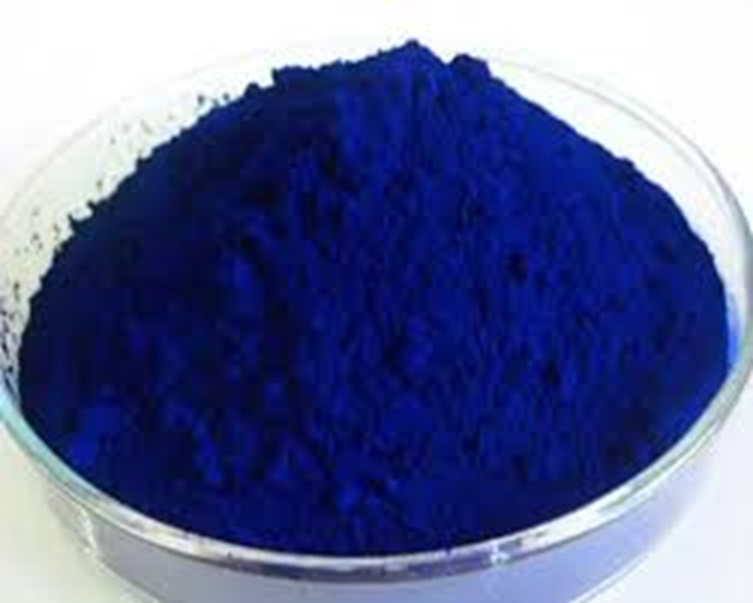
| Color | Greenish-brown powder; Commercial form is dark gray to black |
| Taste | Tasteless |
SECTION 2: PHYSICAL AND CHEMICAL PROPERTIES
| Property | Value | Test Method / Note |
|---|---|---|
| Appearance | Greenish-brown to dark gray to black powder | Visual |
| Odor | Odorless | Olfactometric |
| Molecular Weight | 74.933 g/mol | Calculated |
| Density (20°C) | 6.45 g/cm³ | ASTM D4052 |
| Melting Point | ~1785°C | DSC |
| Boiling Point | ~2500°C (decomposes) | - |
| Solubility in Water | Insoluble | General Method |
| Solubility in Acids | Soluble (dissolves in mineral acids) | General Method |
| Solubility in Ceramic Glazes | High solubility | General Method |
| Crystal System | Cubic (Rock salt / NaCl structure) | XRD |
| Hygroscopicity | Slightly hygroscopic | - |
| Color Change | Color varies from green to black depending on particle size | - |
| Magnetic Properties | Antiferromagnetic (below Neel temperature ~290 K / 17°C) | - |
| Electrical Properties | P-type semiconductor | - |
| Thermal Stability | Stable up to high temperatures | - |
| Specific Surface Area (BET) | 2-10 m²/g (typical industrial grade) | BET Analysis |
| Toxicity | Toxic and hazardous | - |
SECTION 3: CHEMICAL PROPERTIES AND REACTIVITY
| Parameter | Information |
|---|---|
| Chemical Character | Inorganic transition metal oxide; P-type semiconductor; Antiferromagnetic properties |
| Stability | Stable under normal conditions; Slightly hygroscopic; Thermally stable up to ~1785°C |
| Reactivity | Reacts with strong acids to form cobalt salts (CoCl₂, CoSO₄, Co(NO₃)₂); Reduces to metallic cobalt with reducing agents; Oxidizes to Co₃O₄ at high temperatures in air |
| Incompatible Materials | Strong oxidizing agents, strong acids, reducing agents (aluminum, magnesium, zinc), hydrazine |
| Polymerization | Will not polymerize |
| Decomposition Products (Heating) | Co₃O₄ (at temperatures above 900°C in air); Metallic cobalt in reducing atmospheres |
| Hazardous Reactions | Reacts vigorously with strong acids; May react with reducing agents releasing heat |
| Reduction | Can be reduced to metallic cobalt with carbon monoxide, hydrogen, or other reducing agents |
| Oxidation | Oxidizes to cobalt(II,III) oxide (Co₃O₄) at elevated temperatures in air |
| Complex Formation | Forms complexes with ammonia and other ligands in solution |
| Catalytic Activity | Acts as a catalyst in oxidation reactions; VOC removal; Important in various catalytic processes |
SECTION 4: COMPARISON OF COMMON COBALT COMPOUNDS
| Property | Cobalt Oxide (CoO) | Cobalt Chloride (CoCl₂) | Cobalt Sulfate (CoSO₄) | Cobalt Carbonate (CoCO₃) |
|---|---|---|---|---|
| CAS Number | 1307-96-6 | 7646-79-9 | 10124-43-3 | 513-79-1 |
| Formula | CoO | CoCl₂ | CoSO₄ | CoCO₃ |
| Molecular Weight | 74.933 | 129.84 | 154.996 | 118.94 |
| Appearance | Greenish-black powder | Blue/pink crystals | Rose-pink crystals | Red powder |
| Density (g/cm³) | 6.45 | 3.35 | 3.71 | 4.2 |
| Water Solubility | Insoluble | Very soluble | Soluble | Insoluble |
| Primary Use | Pigment, catalyst, battery | Catalyst, humidity indicator | Battery cathode, catalyst | Catalyst, ceramics |
SECTION 5: PRODUCTION METHODS
Method 1: Calcination of Cobalt Carbonate (Most Common Industrial Method)
-
Reaction: CoCO₃ → CoO + CO₂
-
Description: Cobalt carbonate is calcined at elevated temperatures (400-600°C) in an inert or controlled atmosphere; Produces cobalt(II) oxide with carbon dioxide as a by-product; Most common industrial production method; Particle size and color controlled by calcination conditions
Method 2: Calcination of Cobalt Hydroxide
-
Reaction: Co(OH)₂ → CoO + H₂O
-
Description: Cobalt hydroxide is calcined at elevated temperatures; Produces cobalt(II) oxide with water as a by-product; Used for high-purity applications
Method 3: Calcination of Cobalt Nitrate
-
Reaction: 2Co(NO₃)₂ → 2CoO + 4NO₂ + O₂
-
Description: Cobalt nitrate is calcined at high temperatures; Produces cobalt(II) oxide with nitrogen dioxide and oxygen as by-products; Used for specialized applications
Method 4: Thermal Decomposition of Cobalt Oxalate
-
Reaction: CoC₂O₄ → CoO + CO + CO₂
-
Description: Cobalt oxalate is thermally decomposed at high temperatures; Produces cobalt(II) oxide with carbon monoxide and carbon dioxide as by-products; Produces fine powder with controlled particle size
Method 5: Oxidation of Cobalt Metal
-
Reaction: 2Co + O₂ → 2CoO
-
Description: Cobalt metal is heated in a controlled oxygen atmosphere; Produces cobalt(II) oxide; Used for high-purity applications
SECTION 6: FUNCTIONAL PROPERTIES AND MECHANISM OF ACTION
| Property | Description |
|---|---|
| Pigment / Colorant | Strong pigment properties; Provides blue and black colors in ceramics, glass, and paints; Color stability at high temperatures; Widely used in ceramic glazes and porcelain decoration |
| Catalytic Activity | Acts as a catalyst in oxidation reactions; VOC (Volatile Organic Compounds) removal; Used in the production of other cobalt compounds; Important in automotive catalytic converters |
| Battery Precursor | Critical component in lithium-ion battery cathodes; Used in NCM (Nickel-Cobalt-Manganese) battery materials; Provides structural stability to cathode materials; Prevents lithium accumulation on substrates |
| Ceramic Additive | Used as pigment and flux in ceramic glazes; Modified with ZnO, SiO₂, and Al₂O₃ for specific colors; High-temperature stability; Provides color stability at high firing temperatures |
| Glass Colorant | Used in glass manufacturing for blue and black colors; Dissolves easily in glass melts; Used in fiberglass production |
| Sensor Applications | Used in gas sensors and temperature sensors; Dielectric materials; Combined with Zn, Mn, Ni oxides in multi-oxide gas analytical chips; Nano-sized structures for enhanced sensitivity |
| Advanced Materials | Used in high-strength magnetic superalloys; Multi-oxide gas analytical chips; Advanced ceramic composites; High-performance materials production |
| Drying Agent | Used as a drying additive in varnishes and oils; Accelerates oxidation and polymerization; Limited use compared to other cobalt compounds |
| Precursor Material | Starting material for other cobalt compounds; Used in the production of cobalt salts and catalysts; Important intermediate in cobalt refining |
SECTION 7: MAIN APPLICATION AREAS
| Industry / Application | Function | Typical Use | Preference Reason |
|---|---|---|---|
| Ceramics | Pigment, flux, colorant | Ceramic glazes; Porcelain decoration; Tiles and sanitaryware; Modified with ZnO, SiO₂, Al₂O₃; High-temperature stability; Color stability in firing | Strong pigment properties; High thermal stability |
| Paints and Coatings | Pigment (black/blue) | Industrial coatings; Automotive paints; Protective coatings; Architectural paints | Strong color strength; Excellent weather resistance |
| Glass Manufacturing | Colorant / flux | Glass fiber production; Glass coloration (blue/black); Decorative glass; Container glass | Dissolves in glass melts; High-temperature stability |
| Varnishes & Oils | Drying additive | Varnish production; Oil drying agents; Limited use in specialized applications | Accelerates drying; Limited use |
| Catalyst Production | Catalyst / catalyst precursor | Oxidation reactions; VOC removal; Automotive catalytic converters; Chemical synthesis; Production of other cobalt compounds | High catalytic activity; Thermal stability |
| Battery Production | Precursor material | Lithium-ion battery cathodes (NCM, LCO); Secondary batteries; Substrate stabilization; Prevents lithium accumulation | Critical for battery performance; Structural stability |
| Sensors | Sensor material | Gas sensors; Temperature sensors; Multi-oxide gas analytical chips; Dielectric materials; Combined with Zn, Mn, Ni oxides | High sensitivity; Nano-sized structures |
| Advanced Materials | Additive / component | High-strength magnetic superalloys; Multi-oxide composites; Advanced ceramics; High-performance alloys | Magnetic properties; High strength |
| Chemical Industry | Intermediate | Production of other cobalt salts; Chemical intermediates; Catalyst production | Essential intermediate |
| Nanotechnology | Nanomaterial | Nanoparticle production; Nanocomposites; Advanced material synthesis | Nano-sized structures for enhanced properties |
SECTION 8: QUALITY SPECIFICATIONS (TECHNICAL GRADE)
| Parameter | Specification | Test Method |
|---|---|---|
| Appearance | Greenish-brown to dark gray to black powder | Visual |
| Assay (CoO) | ≥ 98.0% - 99.5% | Titrimetric / ICP |
| Cobalt Content | ≥ 78.0% - 79.0% | Gravimetric / AAS |
| Loss on Ignition | ≤ 0.5% - 1.0% | Gravimetric (1000°C) |
| Water Insoluble Matter | ≤ 0.5% | Gravimetric |
| Iron (Fe) | ≤ 0.01% - 0.05% | AAS / ICP |
| Nickel (Ni) | ≤ 0.01% - 0.05% | AAS / ICP |
| Copper (Cu) | ≤ 0.001% - 0.005% | AAS / ICP |
| Lead (Pb) | ≤ 0.001% - 0.002% | AAS / ICP |
| Zinc (Zn) | ≤ 0.001% - 0.005% | AAS / ICP |
| Calcium (Ca) | ≤ 0.005% - 0.01% | AAS / ICP |
| Magnesium (Mg) | ≤ 0.005% - 0.01% | AAS / ICP |
| Manganese (Mn) | ≤ 0.001% - 0.005% | AAS / ICP |
| Moisture Content | ≤ 0.5% | Karl Fischer / Gravimetric |
| Particle Size (D50) | 1-20 µm (as per requirement) | Laser Diffraction / Sieve |
| Specific Surface Area (BET) | 2-10 m²/g | BET Analysis |
| Color Strength | As per customer requirement | Colorimetry |
| Sulfur (S) | ≤ 0.005% - 0.01% | Combustion / ICP |
SECTION 9: TOXICOLOGICAL PROFILE
| Parameter | Value |
|---|---|
| Acute Oral Toxicity (LD50, Rat) | ~ 1500 mg/kg (moderate toxicity) |
| Acute Dermal Toxicity | Irritant; May cause sensitization |
| Acute Inhalation Toxicity | Toxic; May cause respiratory irritation; May cause allergy or asthma symptoms |
| Skin Irritation | Irritant; May cause allergic skin reactions (H317) |
| Eye Irritation | Causes serious eye irritation (H319) |
| Respiratory Irritation | Dust and fumes cause respiratory irritation; May cause occupational asthma; Cough, sore throat, shortness of breath |
| Chronic Toxicity | May cause damage to heart, bone marrow, and thyroid through prolonged/repeated exposure |
| Carcinogenicity | IARC Group 2B (Possibly carcinogenic to humans - soluble cobalt salts); NTP: R (Reasonably anticipated to be a human carcinogen) |
| Mutagenicity | Suspected of causing genetic defects (H341); Category 2 mutagen |
| Reproductive Toxicity | May damage fertility or the unborn child (H360F/H361) |
| Sensitization | Respiratory sensitizer (H334); Skin sensitizer (H317); May cause allergic reactions |
| Target Organs | Respiratory system, skin, heart, bone marrow, thyroid, immune system |
| Occupational Exposure Limit (8h TWA) | 0.02 mg/m³ (as Co, inhalable fraction, ACGIH TLV) |
| Short-Term Exposure Limit (STEL) | Not specified for cobalt oxide; refer to cobalt standards |
| Special Toxicity Note | Cobalt compounds are known respiratory and skin sensitizers; Once sensitized, re-exposure can trigger severe allergic reactions; Symptoms may be delayed by several hours |
SECTION 10: GHS CLASSIFICATION AND LABELING
GHS Classification (Compliant with CLP and UN GHS):
| Hazard Class | Category | H-Statement |
|---|---|---|
| Carcinogenicity | Category 1B | H350i |
| Germ Cell Mutagenicity | Category 2 | H341 |
| Reproductive Toxicity | Category 1B | H360F |
| Respiratory Sensitization | Category 1 | H334 |
| Skin Sensitization | Category 1 | H317 |
| Acute Toxicity (Oral) | Category 4 | H302 |
| Acute Toxicity (Inhalation) | Category 4 | H332 |
| Eye Irritation | Category 2 | H319 |
| STOT - SE (Single Exposure) | Category 3 | H335 |
| Acute Aquatic Toxicity | Category 1 | H400 |
| Chronic Aquatic Toxicity | Category 3 | H412 |
Signal Word: DANGER
Hazard Pictograms: GHS08 (Health Hazard), GHS07 (Exclamation Mark), GHS09 (Environment)
Hazard Statements (H-Codes):
| Code | Statement |
|---|---|
| H302 | Harmful if swallowed |
| H317 | May cause an allergic skin reaction |
| H319 | Causes serious eye irritation |
| H332 | Harmful if inhaled |
| H334 | May cause allergy or asthma symptoms or breathing difficulties if inhaled |
| H335 | May cause respiratory irritation |
| H341 | Suspected of causing genetic defects |
| H350i | May cause cancer by inhalation |
| H360F | May damage fertility |
| H400 | Very toxic to aquatic life |
| H412 | Harmful to aquatic life with long lasting effects |
NFPA 704 Hazard Classification:
| Health | Flammability | Reactivity | Special |
|---|---|---|---|
| 3 | 0 | 1 | - |
| (Severe health hazard) | (Will not burn) | (Mildly reactive) | (None) |
SECTION 11: PRECAUTIONARY STATEMENTS (P-CODES)
| Code | Statement |
|---|---|
| P201 | Obtain special instructions before use |
| P202 | Do not handle until all safety precautions have been read and understood |
| P260 | Do not breathe dust/fume/gas/mist/vapors/spray |
| P261 | Avoid breathing dust/fume/gas/mist/vapors/spray |
| P264 | Wash hands thoroughly after handling |
| P270 | Do not eat, drink or smoke when using this product |
| P272 | Contaminated clothing should not be allowed out of the workplace |
| P273 | Avoid release to the environment |
| P280 | Wear protective gloves/protective clothing/eye protection/face protection/respiratory protection |
| P301+P312 | IF SWALLOWED: Call a POISON CENTER/doctor if you feel unwell |
| P302+P352 | IF ON SKIN: Wash with plenty of soap and water |
| P304+P340 | IF INHALED: Remove person to fresh air and keep comfortable for breathing |
| P305+P351+P338 | IF IN EYES: Rinse cautiously with water for several minutes. Remove contact lenses if present and continue rinsing |
| P308+P313 | IF exposed or concerned: Get medical advice/attention |
| P333+P313 | If skin irritation or rash occurs: Get medical advice/attention |
| P342+P311 | IF experiencing respiratory symptoms: Call a POISON CENTER/doctor |
| P362+P364 | Take off contaminated clothing and wash it before reuse |
| P403+P233 | Store in a well-ventilated place. Keep container tightly closed |
| P405 | Store locked up |
| P501 | Dispose of contents/container in accordance with local/regional/national/international regulations |
SECTION 12: FIRST AID MEASURES
| Exposure Route | Action to Take |
|---|---|
| Inhalation | Move to fresh air immediately. Rest in a position comfortable for breathing. If breathing is difficult, give oxygen. If experiencing respiratory symptoms, call a POISON CENTER or doctor. Symptoms may be delayed; medical observation is essential. |
| Skin Contact | Remove contaminated clothing immediately. Rinse skin with plenty of water for at least 15-20 minutes. Wash with soap and water. If skin irritation or rash occurs, get medical advice/attention. Wash contaminated clothing before reuse. |
| Eye Contact | Rinse immediately with plenty of water for at least 15 minutes. Keep eyelids open. Remove contact lenses if present. Continue rinsing. Get immediate medical attention. |
| Ingestion | Rinse mouth with water. Do NOT induce vomiting. Give one or two glasses of water to drink. Call a POISON CENTER/doctor if you feel unwell. Never give anything by mouth to an unconscious person. |
SECTION 13: FIREFIGHTING MEASURES
| Parameter | Information |
|---|---|
| Fire Hazard | Not combustible. May decompose at high temperatures releasing toxic cobalt oxide fumes. |
| Hazards During Fire | Thermal decomposition produces toxic cobalt oxide fumes; May produce toxic fumes |
| Suitable Extinguishers | Use appropriate extinguishing media for surrounding fire; Dry chemical powder, CO₂, water fog |
| Unsuitable Extinguishers | Water jet (may spread hazardous material) |
| Special Protective Equipment | Self-contained breathing apparatus (SCBA), full protective clothing |
| Special Precautions | Prevent dust from entering sewers and waterways; Provide containment for firefighting effluent; Cool exposed containers from a safe distance |
SECTION 14: STORAGE AND SHELF LIFE
| Parameter | Information |
|---|---|
| Storage Conditions | Store in a cool, dry, well-ventilated area; Keep away from heat and direct sunlight; Protect from moisture; Store in an area without drain or sewer access |
| Container Requirements | Tightly closed, properly labeled containers; Use moisture-proof containers; Protect from physical damage |
| Materials to Protect From | Strong oxidizing agents, strong acids, reducing agents, moisture |
| Shelf Life | 36 months (in unopened original packaging, under proper storage conditions) |
| Stability Note | Stable under normal conditions; Slightly hygroscopic; Protect from moisture |
| Special Storage Requirements | Store separately from acids and oxidizing agents; Provision to contain effluent from fire extinguishing |
SECTION 15: PACKAGING OPTIONS
| Packaging Type | Quantity | Material |
|---|---|---|
| Plastic Bag | 5 kg, 10 kg, 25 kg | PE bag with inner liner |
| Plastic Drum | 25 kg, 50 kg, 100 kg | HDPE / Polypropylene |
| Fiber Drum | 25 kg, 50 kg | PE-lined fiberboard |
| Steel Drum | 100 kg, 200 kg | Corrosion-resistant lined carbon steel |
| IBC Container | 500 kg, 1000 kg | HDPE with corrosion-resistant coating |
SECTION 16: TRANSPORT INFORMATION
| Parameter | Information |
|---|---|
| UN Number | UN 3077 (Environmentally hazardous substance, solid, n.o.s.) |
| Hazard Class | 9 (Miscellaneous Dangerous Goods) |
| Packing Group | III |
| ADR/RID | UN 3077, Environmentally hazardous substance, solid, n.o.s., 9, PG III |
| IMDG Code | UN 3077, Environmentally hazardous substance, solid, n.o.s., 9, PG III, Marine Pollutant: Yes |
| IATA (Air) | UN 3077, Environmentally hazardous substance, solid, n.o.s., 9, PG III |
| Marine Pollutant | Yes |
| Transport Temperature | Ambient temperature; Protect from moisture |
SECTION 17: REGULATORY STATUS
| Region / Authority | Status |
|---|---|
| European Union | REACH registered; Classified as Carcinogen Category 1B; Restricted under various regulations |
| USA (TSCA) | Listed |
| USA (EPA) | Regulated under various environmental laws |
| Turkey | Industrial chemical; Subject to KKDIK regulation; Classified as carcinogen and reproductive toxicant |
| IARC | Group 2B (Possibly carcinogenic to humans - soluble cobalt salts) |
| NTP | R - Reasonably anticipated to be a human carcinogen |
| OSHA | Regulated (toxic and carcinogenic substance) |
| California (Prop 65) | Listed as carcinogen and reproductive toxicant |
| EU Restrictions | Restricted under REACH Annex XVII (cobalt salts) |
| EU Classification | Xn - Harmful; N - Dangerous for the environment |
| R-Phrases | R22, R42/43, R50/53, R68 |
| S-Phrases | S22, S24/25, S37, S45, S60, S61 |
SECTION 18: OTHER NAMES AND SYNONYMS
| Type | Name |
|---|---|
| Turkish Names | Kobalt Oksit, Kobalt(II) Oksit, Kobalt Monooksit, Kobaltöz Oksit, Kobalt Siyahı, Siyah Pigment, Mavi Pigment, Kobaltoks Oksit |
| English Names | Cobalt Oxide, Cobalt(II) Oxide, Cobalt Monoxide, Cobaltous Oxide, Cobalt Black, Black Pigment, Blue Pigment, Cobaltox Oxide |
| Chemical Names | Cobalt Oxide; Cobalt(II) Oxide; Cobalt Monoxide; Cobaltous Oxide |
| CAS Number | 1307-96-6 |
| EC Number | 215-154-6 |
| Molecular Formula | CoO |
| Mineral Name | Not applicable |
SECTION 19: SUMMARY TABLE
| Parameter | Value |
|---|---|
| Product | Cobalt Oxide (Cobalt(II) Oxide) |
| CAS Number | 1307-96-6 |
| Molecular Formula | CoO |
| Molecular Weight | 74.933 g/mol |
| Appearance | Greenish-brown to dark gray to black powder |
| Density | 6.45 g/cm³ |
| Melting Point | ~1785°C |
| Water Solubility | Insoluble |
| Primary Function | Pigment, catalyst, battery precursor, sensor material |
| Main Applications | Ceramics, paints & coatings, glass, battery production, catalysis, sensors, advanced materials, chemicals |
| Shelf Life | 36 months |
| GHS Signal Word | DANGER |
| UN Number | UN 3077 |
| Carcinogenicity | IARC Group 2B - Possibly carcinogenic; NTP - Reasonably anticipated |
| Special Feature | Strong pigment properties; High melting point; P-type semiconductor; Antiferromagnetic properties |
SECTION 20: CRITICAL WARNINGS AND BEST PRACTICES
CRITICAL WARNINGS:
-
Harmful if swallowed (H302). Harmful if inhaled (H332). Avoid ingestion and inhalation.
-
Suspected carcinogen (H350i). Cobalt salts are possibly carcinogenic to humans. Avoid inhalation exposure.
-
May cause allergy or asthma symptoms or breathing difficulties if inhaled (H334). Respiratory sensitizer. Use appropriate respiratory protection.
-
May cause allergic skin reaction (H317). Skin sensitizer. Avoid skin contact.
-
May damage fertility or the unborn child (H360F/H361). Handle with extreme caution.
-
Suspected of causing genetic defects (H341). Avoid exposure.
-
Causes serious eye irritation (H319). Use eye protection.
-
Very toxic to aquatic life (H400). Prevent environmental release. Do not discharge into water sources.
-
Not combustible but decomposes at high temperatures releasing toxic cobalt oxide fumes.
-
Incompatibilities: Keep away from strong oxidizing agents, strong acids, and reducing agents.
-
Slightly hygroscopic. Protect from moisture.
-
Sensitization Risk: Once sensitized to cobalt, even very low level exposure can trigger severe allergic reactions (asthma, dermatitis). Symptoms may be delayed for several hours.
-
Hygiene Requirement: Contaminated clothing should not be allowed out of the workplace.
BEST PRACTICE RECOMMENDATIONS:
-
Ceramics Industry: Use as pigment and flux in ceramic glazes; Modify with ZnO, SiO₂, and Al₂O₃ for specific colors; Control particle size for consistent color development; High-temperature stability makes it ideal for high-fire ceramics.
-
Paints and Coatings: Use as strong black/blue pigment; Provides excellent color strength; Weather-resistant and thermally stable; Suitable for industrial and automotive coatings.
-
Glass Manufacturing: Use as colorant and flux; Dissolves readily in glass melts; Used in fiberglass production and glass coloration; Provides blue and black colors.
-
Battery Production: Use as precursor for lithium-ion battery cathode materials (NCM, LCO); Essential for structural stability; Prevents lithium accumulation; Maintain strict purity specifications for battery grade.
-
Catalyst Production: Use as catalyst and catalyst precursor; VOC removal; Oxidation reactions; High catalytic activity and thermal stability.
-
Sensor Applications: Use in gas sensors and temperature sensors; Combine with Zn, Mn, Ni oxides; Nano-sized structures for enhanced sensitivity.
-
Advanced Materials: Use in high-strength magnetic superalloys; Multi-oxide composites; Advanced ceramic production.
-
Handling: Use in well-ventilated areas or under fume hoods; Avoid creating dust; Use enclosed, controlled processes where possible; Wear chemical-resistant gloves, protective goggles, face shield, and appropriate respiratory protection.
-
Personal Protective Equipment: Wear impermeable gloves (butyl rubber, neoprene, nitrile), chemical safety goggles, full-face shield, protective clothing, and NIOSH-approved particulate filter respirator.
-
Hygiene: Do not eat, drink, or smoke when using; Wash hands thoroughly after handling; Do not take contaminated working clothes home; Shower at the end of the work shift.
-
Storage: Store in tightly closed, properly labeled containers in dry conditions; Keep away from heat, direct sunlight, and incompatible substances; Store in area without drain or sewer access.
-
Spill Response: Avoid raising dust; Wear full PPE; Moisten first to prevent dusting; Sweep spilled substance into covered containers; Carefully collect remainder; Do not allow to enter drains or waterways; Place in properly labeled closed containers; Use vacuum system with HEPA filter if possible.
-
Disposal: Dispose of in accordance with local, regional, and national regulations; Do not discharge into sewers or water sources; Cobalt compounds are regulated as hazardous waste; Ensure waste container disposal complies with environmental regulations.
SPECIAL NOTE ON COLOR PROPERTIES:
Cobalt(II) oxide is highly valued for its strong pigment properties:
-
Color Range: Varies from greenish-brown to dark gray to black depending on particle size
-
Application Colors: Provides blue and black colors in ceramics, glass, and paints
-
Color Stability: Excellent thermal stability; Colors are stable at high firing temperatures
-
Modification: Can be modified with ZnO, SiO₂, and Al₂O₃ for specific color variations
MAGNETIC AND ELECTRICAL PROPERTIES:
-
Magnetic: Antiferromagnetic below Neel temperature (~17°C)
-
Electrical: P-type semiconductor
-
Sensors: Used in gas sensors, temperature sensors, and dielectric materials
-
Nano Applications: Nano-sized structures show enhanced properties
LEGAL DISCLAIMER:
The information provided in this document is based on our current knowledge and experience and is presented in good faith. However, as all conditions of use are beyond our control, this document does not constitute a binding specification or warranty. This Technical Data Sheet is for informational purposes only. Users are responsible for testing suitability for their own applications. For complete safety, storage, handling, transportation, waste, and regulatory compliance information, please refer to the official Safety Data Sheet (SDS/MSDS) provided by the manufacturer/supplier.
 Oksit, Co (VI) Oksit, Kobalt Monooksit, Kobalt Siyahı.jpg)
