We unleash your business potential by maximize the business innovation.
Send EmailZinc Nitrate, Zinc Dinitrate, 7779-88-6
ZINC NITRATE
PRODUCT IDENTIFICATION INFORMATION
| Parameter | Information |
|---|---|
| Product Name | Zinc Nitrate |
| Chemical Name | Zinc Nitrate |
| Synonyms (Turkish) | Çinko Nitrat, Çinko Dinitrat, Nitrik Asit Çinko Tuzu |
| Synonyms (English) | Zinc Nitrate, Zinc Dinitrate, Nitric Acid Zinc Salt |
| CAS Number | 7779-88-6 |
| Molecular Formula | Zn(NO₃)₂ |
| Molecular Weight | 189.4 g/mol (Anhydrous) / 297.49 g/mol (Hexahydrate) |
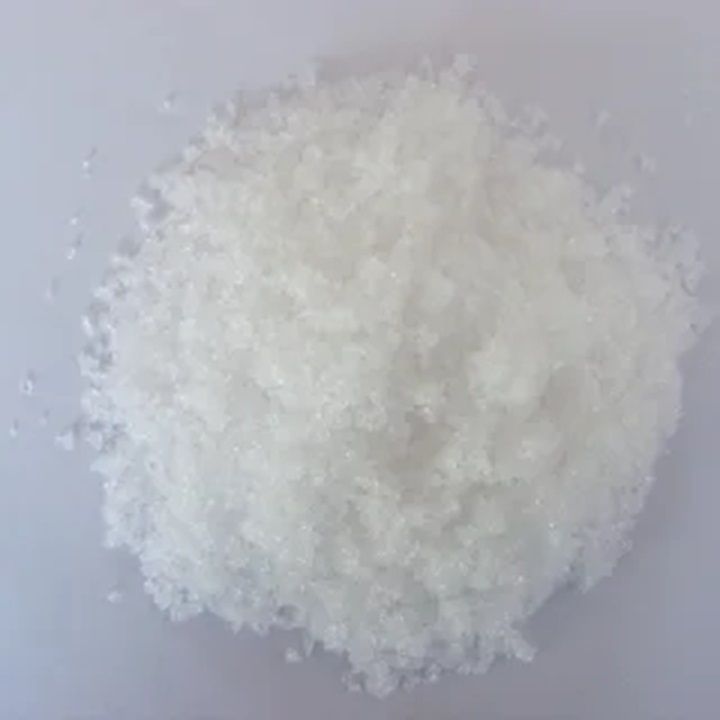
| Appearance | Colorless, odorless crystalline solid |
| Odor | Odorless |
CHEMICAL STRUCTURE
Zinc Nitrate Structure:
        O
        ||
Zn²⁺  [O—N—O⁻]  (x2)
        ||
        O
Structure Description:
-
Inorganic salt formed by zinc metal (or zinc compounds) and nitric acid.
-
Contains zinc in the +2 oxidation state (Zn²⁺).
-
Contains two nitrate anions (NO₃⁻).
-
Commonly found as the hexahydrate form (Zn(NO₃)₂·6H₂O).
-
Colorless, odorless crystalline solid.
-
Strong oxidizing agent (when heated).
-
Hygroscopic (absorbs moisture from air).
SECTION 1: CHEMICAL IDENTITY AND DESCRIPTION
| Parameter | Information |
|---|---|
| Product Name | Zinc Nitrate |
| Chemical Name | Zinc Nitrate |
| Synonyms (Turkish) | Çinko Nitrat, Çinko Dinitrat, Nitrik Asit Çinko Tuzu |
| Synonyms (English) | Zinc Nitrate, Zinc Dinitrate, Nitric Acid Zinc Salt |
| CAS Number | 7779-88-6 |
| EC Number | 231-943-8 |
| Molecular Formula | Zn(NO₃)₂ |
| Molecular Weight | 189.4 g/mol (Anhydrous) / 297.49 g/mol (Hexahydrate) |
| Chemical Class | Inorganic salt; Nitrate; Zinc compound; Oxidizer |
| Source | Synthetic (reaction of zinc or zinc compounds with nitric acid) |
| Physical State (20°C) | Solid (crystalline) |
| Odor | Odorless |
| Color | Colorless |
SECTION 2: PHYSICAL AND CHEMICAL PROPERTIES
| Property | Value | Test Method / Note |
|---|---|---|
| Appearance | Colorless, odorless crystalline solid | Visual |
| Odor | Odorless | Olfactometric |
| Molecular Weight | 189.4 g/mol (Anhydrous) / 297.49 g/mol (Hexahydrate) | Calculated |
| Density (20°C) | ~2.065 g/cm³ (Hexahydrate) | ASTM D4052 |
| Melting Point | 36°C (Hexahydrate, in its own water of crystallization) | DSC |
| Boiling Point | Decomposes (at ~105-131°C for hexahydrate) | – |
| Decomposition Temperature | ~105-131°C (releases NOx, ZnO) | – |
| Solubility in Water (20°C) | ~93 g/100 mL (Hexahydrate) | General Method |
| Solubility in Ethanol | Soluble | General Method |
| pH (5% Solution) | ~4.0 – 6.0 (acidic) | pH Meter |
| Stability | Stable under normal conditions; Hygroscopic | – |
| Oxidizing Properties | Strong oxidizer (when heated/decomposed) | – |
| Hygroscopicity | High | – |
| Zinc (Zn) Content | ~34.5% (Anhydrous); ~22.0% (Hexahydrate) | AAS / ICP |
| Heavy Metals (as Pb) | ≤ 10 ppm | AAS / ICP |
| Arsenic (As) | ≤ 2 ppm | AAS / ICP |
| Lead (Pb) | ≤ 2 ppm | AAS / ICP |
| Chloride (Cl) | ≤ 0.01% | Titrimetric |
| Sulfate (SO₄) | ≤ 0.01% | Gravimetric |
| Loss on Drying | ≤ 1.0% | Gravimetric |
| Assay (Zn(NO₃)₂) | ≥ 98.0% (various grades) | Titrimetric / ICP |
SECTION 3: ZINC NITRATE vs OTHER ZINC COMPOUNDS
| Property | Zinc Nitrate Zn(NO₃)₂ | Zinc Sulfate ZnSO₄ | Zinc Chloride ZnCl₂ | Zinc Oxide ZnO |
|---|---|---|---|---|
| CAS Number | 7779-88-6 | 7733-02-0 | 7646-85-7 | 1314-13-2 |
| Molecular Weight | 189.4 g/mol | 161.47 g/mol | 136.3 g/mol | 81.38 g/mol |
| Zinc Content | ~34.5% | ~40.5% | ~48.0% | ~80.3% |
| Solubility in Water | Very high | High | Very high | Insoluble |
| pH (Solution) | ~4.0-6.0 | ~5.0-6.5 | ~4.0-5.0 | ~7.0-8.0 |
| Oxidizing Properties | Yes (nitrate) | No | No | No |
| Hygroscopicity | High | Low | High | Low |
| Nitrate Nitrogen | Yes (~14.8%) | No | No | No |
| Primary Use | Fertilizer, catalyst, coating | Fertilizer, medicine | Flux, disinfectant | Rubber, ceramics, sunscreen |
SECTION 4: MECHANISM OF ACTION
| Property | Description |
|---|---|
| Fertilizer (Zinc Source) | Provides plant-available zinc (Zn²⁺); Zinc is an essential micronutrient for plants; Involved in enzyme activation and protein synthesis; Corrects zinc deficiencies in crops. |
| Fertilizer (Nitrogen Source) | Provides plant-available nitrate nitrogen (NO₃⁻); Immediate nitrogen uptake; Promotes vegetative growth; Nitrate form is readily absorbed by roots. |
| Oxidizer | Nitrate ion (NO₃⁻) acts as oxygen donor; Supports combustion at elevated temperatures; Decomposes to release nitrogen oxides and oxygen; Used in pyrotechnic compositions. |
| Mordant (Textile) | Binds with dyes to form insoluble complexes; Fixes dyes to textile fibers; Provides color fastness; Used in textile dyeing and printing. |
| Cross-linking Agent | Improves acid resistance of fibers; Used in fiber production (similar to magnesium chloride); Swelling effect on acetate fibers. |
| Catalyst | Acts as a catalyst in organic reactions; Used in paint, resin, and polymer synthesis; Catalyzes esterification and other reactions. |
| Electrolyte (Electroplating) | Provides zinc ions (Zn²⁺) for electrodeposition; Used in zinc plating baths; Surface treatment and coating applications. |
SECTION 5: PRODUCTION PROCESS
Industrial Production Methods:
Method 1: Dissolution of Zinc Metal in Nitric Acid
Reaction: Zn + 2HNO₃ → Zn(NO₃)₂ + H₂↑
Description: Pure zinc metal is reacted with nitric acid. The reaction produces zinc nitrate, water, and hydrogen gas. The resulting solution is evaporated and crystallized to obtain the desired hydrate form.
Method 2: Dissolution of Zinc Oxide in Nitric Acid
Reaction: ZnO + 2HNO₃ → Zn(NO₃)₂ + H₂O
Description: Zinc oxide is dissolved in nitric acid. This method is more controlled and produces less gas. The solution is then evaporated and crystallized.
Method 3: Dissolution of Zinc Hydroxide in Nitric Acid
Reaction: Zn(OH)₂ + 2HNO₃ → Zn(NO₃)₂ + 2H₂O
Description: Zinc hydroxide is dissolved in nitric acid. The solution is evaporated and crystallized to obtain the final product.
SECTION 6: FUNCTIONAL PROPERTIES
| Property | Description |
|---|---|
| Fertilizer (Micronutrient) | Water-soluble zinc and nitrogen source; Provides ~22% zinc (hexahydrate) and ~11% nitrate nitrogen; Corrects zinc deficiencies in crops; Used in liquid fertilizer formulations. |
| Oxidizer | Supports combustion at elevated temperatures; Decomposes to release nitrogen oxides and oxygen; Used in pyrotechnic compositions. |
| Mordant (Textile) | Color-fixing agent in textile dyeing; Forms insoluble complexes with dyes; Improves color fastness; Used in textile printing. |
| Catalyst | Catalyst for organic reactions; Paint, resin, and polymer synthesis; Catalyzes esterification and other reactions. |
| Cross-linking Agent | Improves acid resistance of fibers; Used in fiber production; Swelling effect on acetate fibers; Improves dye penetration. |
| Electrolyte (Electroplating) | Provides zinc ions for electroplating; Used in zinc plating baths; Surface finishing. |
| Analytical Reagent | Used as analytical reagent in laboratories; Zinc plasma solution; Standard calibration solutions; Starting material for synthesis. |
SECTION 7: MAIN APPLICATION AREAS
| Industry / Application | Function | Typical Use |
|---|---|---|
| Agriculture | Fertilizer (zinc and nitrogen source) | Liquid fertilizer formulations; Foliar sprays; Fertigation; Corrects zinc deficiency in crops; Provides essential micronutrient. |
| Textile Industry | Mordant, cross-linking agent | Textile dyeing and printing (color fixing); Fiber production (improves acid resistance); Acetate fiber swelling agent; Improves dye penetration. |
| Chemical Industry | Catalyst, intermediate | Paint, resin, and polymer synthesis; Catalyst for esterification reactions; Production of zinc acetate (with acetic anhydride); Latex coagulation. |
| Metal Coating (Electroplating) | Electrolyte, surface treatment | Zinc electroplating baths; Surface finishing; Corrosion protection coatings. |
| Analytical Chemistry | Analytical reagent, standard solution | Zinc plasma solution; Calibration standards; Atomic absorption spectroscopy (AAS); Starting material for synthesis. |
| Pyrotechnics | Oxidizer | Pyrotechnic compositions; Fireworks and signal flares; Color stabilization. |
| Corrosion Inhibitors | Preservative | Anti-corrosion product formulations; Corrosion inhibitor protection; Stabilizer for inhibitor formulations. |
SECTION 8: SAMPLE FORMULATIONS
Liquid Fertilizer (Zinc Solution):
| Component | Amount |
|---|---|
| Zinc Nitrate Hexahydrate | 10 – 20% |
| Water | To 100% |
| Surfactants (optional) | As required |
Instructions: Dissolve zinc nitrate hexahydrate in water with stirring; Adjust pH as required; Use as foliar spray or fertigation; Apply according to crop needs.
Electroplating Bath Solution:
| Component | Amount |
|---|---|
| Zinc Nitrate (source of Zn²⁺) | 10 – 20% |
| Electrolyte (KCl, NH₄Cl, etc.) | As required |
| Water | To 100% |
| Brighteners, Additives | As required |
Instructions: Dissolve zinc nitrate and other components in water; Adjust pH and temperature; Use in electroplating bath with appropriate current density.
SECTION 9: QUALITY SPECIFICATIONS
| Parameter | Fertilizer Grade | Technical Grade | Reagent/Analytical Grade | Test Method |
|---|---|---|---|---|
| Appearance | Colorless to white crystals | Colorless to white crystals | Colorless to white crystals | Visual |
| Assay (Zn(NO₃)₂·6H₂O) | ≥ 98.0% | ≥ 99.0% | ≥ 99.5% | Titrimetric / ICP |
| Zinc Content (Zn) | ≥ 21.5% | ≥ 22.0% | ≥ 22.0% | AAS / ICP |
| pH (5% Solution) | 4.0 – 6.0 | 4.0 – 6.0 | 4.0 – 6.0 | pH Meter |
| Loss on Drying | ≤ 1.0% | ≤ 0.5% | ≤ 0.3% | Gravimetric |
| Water Insoluble | ≤ 0.05% | ≤ 0.02% | ≤ 0.01% | Gravimetric |
| Chloride (Cl) | ≤ 0.02% | ≤ 0.01% | ≤ 0.005% | Titrimetric |
| Sulfate (SO₄) | ≤ 0.02% | ≤ 0.01% | ≤ 0.005% | Gravimetric |
| Heavy Metals (as Pb) | ≤ 10 ppm | ≤ 5 ppm | ≤ 5 ppm | AAS / ICP |
| Iron (Fe) | ≤ 0.01% | ≤ 0.005% | ≤ 0.002% | AAS / ICP |
| Lead (Pb) | ≤ 2 ppm | ≤ 1 ppm | ≤ 1 ppm | AAS / ICP |
SECTION 10: TOXICOLOGICAL PROFILE
| Parameter | Value |
|---|---|
| Acute Oral Toxicity (LD50, Rat) | ~ 1,000 – 2,000 mg/kg (moderate toxicity) |
| Acute Dermal Toxicity | Low toxicity; May cause irritation |
| Skin Irritation | May cause irritation |
| Eye Irritation | May cause severe irritation |
| Inhalation Toxicity | May cause respiratory irritation; Inhalation of dust may be harmful |
| Chronic Toxicity | Zinc compounds may cause gastrointestinal irritation upon chronic exposure |
| Carcinogenicity | Not classified as carcinogenic |
| Mutagenicity | Not mutagenic |
| Reproductive Toxicity | No specific reproductive toxicity at normal levels |
| Environmental Toxicity | Toxic to aquatic organisms; May cause long-term adverse effects in the aquatic environment. |
| Special Toxicity Note | Zinc nitrate is an oxidizer and irritant; Causes skin, eye, and respiratory tract irritation; Harmful if swallowed; Use appropriate personal protective equipment; Avoid environmental release; Zinc compounds require careful handling. |
SECTION 11: GHS CLASSIFICATION AND LABELING
GHS Classification (in accordance with CLP and UN GHS):
| Hazard Class | Category | H-Statement |
|---|---|---|
| Oxidizing Solids | Category 2 | H272 |
| Acute Toxicity (Oral) | Category 4 | H302 |
| Skin Irritation | Category 2 | H315 |
| Eye Irritation | Category 2 | H319 |
| Acute Aquatic Toxicity | Category 1 | H400 |
| Chronic Aquatic Toxicity | Category 1 | H410 |
Signal Word: WARNING
Hazard Pictograms: GHS03 (Flame Over Circle), GHS07 (Exclamation Mark), GHS09 (Environment)
Hazard Statements (H-Codes):
| Code | Statement |
|---|---|
| H272 | May intensify fire; oxidizer |
| H302 | Harmful if swallowed |
| H315 | Causes skin irritation |
| H319 | Causes serious eye irritation |
| H400 | Very toxic to aquatic life |
| H410 | Very toxic to aquatic life with long lasting effects |
NFPA 704 Hazard Classification:
| Health | Flammability | Reactivity | Special |
|---|---|---|---|
| 2 | 0 | 1 | OX |
| (Moderate health hazard) | (Non-flammable) | (Mild reactivity) | (Oxidizer) |
SECTION 12: PRECAUTIONARY STATEMENTS (P-CODES)
| Code | Statement |
|---|---|
| P220 | Keep away from clothing and other combustible materials |
| P221 | Take any precaution to avoid mixing with combustibles |
| P264 | Wash hands thoroughly after handling |
| P270 | Do not eat, drink, or smoke when using this product |
| P273 | Avoid release to the environment |
| P280 | Wear protective gloves/protective clothing/eye protection/face protection |
| P301+P312 | IF SWALLOWED: Call a POISON CENTER/doctor if you feel unwell |
| P302+P352 | IF ON SKIN: Wash with plenty of soap and water |
| P304+P340 | IF INHALED: Remove person to fresh air and keep comfortable for breathing |
| P305+P351+P338 | IF IN EYES: Rinse cautiously with water for several minutes. Remove contact lenses if present and continue rinsing |
| P312 | Call a POISON CENTER/doctor if you feel unwell |
| P332+P313 | If skin irritation occurs: Get medical advice/attention |
| P337+P313 | If eye irritation persists: Get medical advice/attention |
| P362+P364 | Take off contaminated clothing and wash it before reuse |
| P370+P378 | In case of fire: Use water spray, foam, or dry chemical powder |
| P391 | Collect spillage |
| P403+P233 | Store in a well-ventilated place. Keep container tightly closed |
| P501 | Dispose of contents/container in accordance with local/regional/national/international regulations |
SECTION 13: FIRST AID MEASURES
| Exposure Route | Action to Take |
|---|---|
| Inhalation | Remove to fresh air immediately. If respiratory irritation develops, seek medical attention. |
| Skin Contact | Wash with plenty of soap and water. Remove contaminated clothing. If irritation persists, get medical attention. |
| Eye Contact | Rinse immediately with plenty of water for at least 15 minutes. Keep eyelids open. Remove contact lenses if present. If irritation persists, seek medical attention. |
| Ingestion | Rinse mouth. Drink plenty of water. Do not induce vomiting. Seek medical attention if large quantities are ingested or if feeling unwell. |
SECTION 14: FIREFIGHTING MEASURES
| Parameter | Information |
|---|---|
| Fire Hazard | Not flammable but is a strong oxidizer. Will support and accelerate combustion of other materials. |
| Hazards Arising from Fire | Thermal decomposition produces nitrogen oxides (NOx), nitrogen dioxide (NO₂), and zinc oxide (ZnO) fumes; May release toxic fumes. |
| Suitable Extinguishing Media | Water spray (large quantities), water fog, foam, dry chemical powder. |
| Unsuitable Extinguishing Media | CO₂ (may be ineffective), water jet (may spread burning material) |
| Special Protective Equipment | Self-contained breathing apparatus (SCBA), full protective clothing, firefighting goggles. |
| Special Precautions | Evacuate area; Prevent fire-fighting water from entering waterways; Cool fire-exposed containers with water spray; Avoid mixing with combustible materials during fire fighting. |
SECTION 15: STORAGE AND SHELF LIFE
| Parameter | Information |
|---|---|
| Storage Conditions | Store in a cool, dry, well-ventilated area; PROTECT FROM MOISTURE and CONTAMINATION; Separate from combustible materials and reducing agents. |
| Container Requirements | Tightly closed, moisture-proof containers (PE-lined bags, HDPE drums). |
| Materials to Protect From | Moisture, heat, combustible materials, organic substances, reducing agents |
| Shelf Life | 24 – 36 months (in unopened original packaging, under proper storage conditions). |
| Stability Note | Stable under recommended storage conditions; Hygroscopic; Absorbs moisture from air; May deliquesce if exposed to high humidity; Protect from light and heat. |
| Special Storage Requirements | Store in a dry, cool place; Avoid exposure to air and moisture; Opened containers must be resealed immediately; Keep away from combustible materials. |
SECTION 16: PACKAGING OPTIONS
| Packaging Type | Quantity | Material |
|---|---|---|
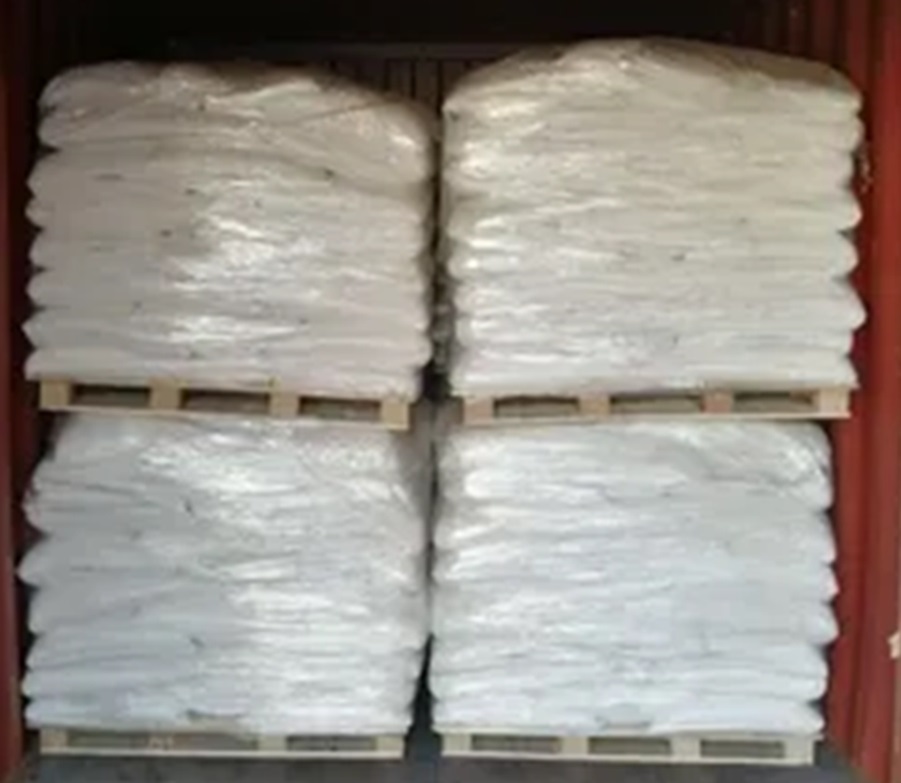
| PE-Lined Paper Bag | 25 kg, 50 kg | PE-lined kraft paper bag (moisture-proof) |
| Plastic Bag | 10 kg, 25 kg, 50 kg | PE bag (inner-lined, sealed, moisture-proof) |
| Plastic Drum | 25 kg, 50 kg | HDPE / Polypropylene (moisture-proof, chemical-resistant) |
| Fiber Drum | 25 kg, 50 kg | PE-lined fiberboard drum |
| FIBC / Big Bag | 500 kg, 1000 kg | PE-lined, moisture-resistant PP woven bag |
SECTION 17: TRANSPORT INFORMATION
| Parameter | Information |
|---|---|
| UN Number | UN 1514 (Zinc Nitrate) |
| Hazard Class | Class 5.1 - Oxidizing Substances |
| Packing Group | II |
| ADR/RID | Class 5.1; UN 1514; Packing Group II |
| IMDG Code | Class 5.1; UN 1514; Marine pollutant: Yes |
| IATA (Air) | Class 5.1; UN 1514; Packing Group II |
| Transport Label | Oxidizer (Class 5.1) |
| Marine Pollutant | Yes |
| Special Transport Requirements | Segregation from combustibles and reducing agents; Secure from unauthorized access; Protect from moisture. |
SECTION 18: REGULATORY STATUS
| Region / Authority | Status |
|---|---|
| European Union | REACH registered; Regulated as oxidizing substance; Environmental hazard classification. |
| USA (TSCA) | Listed (TSCA Inventory) |
| USA (EPA) | Regulated under toxic substances and environmental programs. |
| Turkey | Regulated as hazardous chemical; Subject to KKDIK regulation; Environmental Ministry controls; Storage and transportation permits required. |
| IARC | Not classified (non-carcinogenic) |
| NTP | Not listed |
| OSHA | Regulated as oxidizer and irritant; Hazard Communication Standard. |
| California (Prop 65) | Not listed |
| Fertilizer Regulations | Subject to national fertilizer standards; Heavy metal limits apply. |
SECTION 19: OTHER NAMES AND SYNONYMS
| Type | Name |
|---|---|
| Turkish Names | Çinko Nitrat, Çinko Dinitrat, Nitrik Asit Çinko Tuzu |
| English Names | Zinc Nitrate, Zinc Dinitrate, Nitric Acid Zinc Salt |
| CAS Number | 7779-88-6 |
| EC Number | 231-943-8 |
| HS Code | 2834.29 |
SECTION 20: SUMMARY TABLE
| Parameter | Value |
|---|---|
| Product | Zinc Nitrate |
| CAS Number | 7779-88-6 |
| Molecular Formula | Zn(NO₃)₂ |
| Molecular Weight | 189.4 g/mol (Anhydrous) / 297.49 g/mol (Hexahydrate) |
| Appearance | Colorless, odorless crystalline solid |
| Melting Point | 36°C (Hexahydrate) |
| Solubility in Water | Very high (~93 g/100 mL at 20°C) |
| Primary Functions | Fertilizer, oxidizer, mordant, catalyst, electrolyte |
| Main Application Areas | Agriculture (fertilizer), textile, chemical, metal coating, analytical chemistry, pyrotechnics |
| Shelf Life | 24 – 36 months |
| GHS Signal Word | WARNING |
| UN Number | 1514 |
| Hazard Class | Class 5.1 (Oxidizer) |
| Packing Group | II |
| Special Properties | Strong oxidizer; Hygroscopic; Water-soluble zinc and nitrogen source; ~22% Zn + ~11% nitrate nitrogen; Marine pollutant; Environmental hazard. |
SECTION 21: CRITICAL WARNINGS AND BEST PRACTICES
CRITICAL WARNINGS:
-
STRONG OXIDIZER (H272): Will intensify fire and support combustion. KEEP AWAY FROM COMBUSTIBLE MATERIALS.
-
HARMFUL IF SWALLOWED (H302): Avoid ingestion; Use appropriate safety measures.
-
CAUSES SKIN AND EYE IRRITATION (H315, H319): Personal protective equipment is mandatory.
-
VERY TOXIC TO AQUATIC LIFE (H400, H410): AVOID RELEASE TO THE ENVIRONMENT.
-
HYGROSCOPIC: Absorbs moisture from air; Store in tightly closed containers.
-
DECOMPOSITION: Decomposes upon heating, releasing toxic nitrogen oxides (NOx), nitrogen dioxide (NO₂), and zinc oxide (ZnO) fumes.
-
HEAT SENSITIVE: May decompose above 105-131°C.
-
ZINC COMPOUND: Zinc is a heavy metal; handle with care; dispose of properly.
-
ENVIRONMENTAL HAZARD: Marine pollutant (UN 1514).
BEST PRACTICE RECOMMENDATIONS:
-
Agriculture (Fertilizer): Use as liquid fertilizer and zinc source; Dosage: 10-20% in liquid formulations; Apply as foliar spray or fertigation; Follow agricultural guidelines; Corrects zinc deficiencies.
-
Textile Industry: Use as mordant and cross-linking agent; Dyeing and printing applications; Fiber production; Improves acid resistance and dye penetration; Dosage: 1-5% (depending on application).
-
Chemical Industry: Use as catalyst and intermediate; Paint, resin, and polymer synthesis; Latex coagulation; Production of zinc acetate (with acetic anhydride).
-
Metal Coating: Use as electrolyte in zinc plating baths; Surface finishing; Corrosion protection; Dosage: 10-20% in electroplating baths.
-
Handling: Use in well-ventilated areas; Avoid dust formation; Use dust masks (N95/FFP2) when handling powder; Use gloves and safety goggles; Avoid contact with eyes and skin.
-
Personal Protective Equipment: MANDATORY: Chemical-resistant gloves, safety goggles or face shield, protective clothing, dust mask (N95/FFP2 or higher), fire-retardant clothing.
-
Hygiene: Wash hands thoroughly after handling; Do not eat, drink, or smoke while using; Remove contaminated clothing and wash before reuse.
-
Storage: Store in tightly closed, moisture-proof containers; Store in cool, dry, well-ventilated area; Protect from moisture and heat; Keep away from combustible materials; Opened containers must be resealed immediately; Shelf life: 24-36 months under proper conditions.
-
Spill Management: Sweep or vacuum (HEPA) and place in suitable sealed container; Avoid dust formation; Do not allow entry into drains or waterways; Dispose as hazardous waste.
-
Disposal: Dispose of in accordance with local, regional, and national regulations; Hazardous waste (oxidizer, environmental hazard); Use authorized disposal facilities.
DETECTION METHODS:
| Method | Description | Advantages | Disadvantages |
|---|---|---|---|
| AAS / ICP | Zinc and trace element analysis | High sensitivity, accurate, specific | High cost, requires expertise |
| Titrimetric | Zinc determination by complexometric titration | Simple, standard method | Requires careful technique |
| UV-Vis Spectrophotometry | Colorimetric determination | Rapid, moderate cost | Requires calibration |
| Ion Chromatography | Nitrate ion determination | Specific nitrate analysis | High cost, requires expertise |
| Gravimetric Analysis | Zinc determination by precipitation | Standard method | Time-consuming |
| pH Meter | pH of solution | Simple, rapid | Indicative only |
ZINC NITRATE vs ALTERNATIVES COMPARISON:
| Product | Chemical Name / E Code | Application | Strength | Weakness | Status |
|---|---|---|---|---|---|
| Zinc Nitrate | Zn(NO₃)₂ | Agriculture, textile, catalyst | Soluble, oxidizer, N + Zn source | Environmental toxicity, hygroscopic | Regulated |
| Zinc Sulfate | ZnSO₄ | Agriculture, medicine | Cheap, stable, soluble | No nitrogen, acidic | Widely used |
| Zinc Chloride | ZnCl₂ | Flux, disinfectant | Soluble, zinc source | Corrosive, hygroscopic | Widely used |
| Zinc Oxide | ZnO | Rubber, ceramics, sunscreen | High zinc content, stable | Insoluble, no nitrogen | Widely used |
| Zinc Acetate | Zn(CH₃COO)₂ | Catalyst, dietary supplement | Organic soluble | Lower zinc content | Limited |
LEGAL DISCLAIMER:
The information provided in this document is based on our current knowledge and experience and is presented in good faith. However, as all conditions of use are beyond our control, it does not constitute a binding specification or warranty. This Technical Data Sheet is for informational purposes only. Users are responsible for testing the suitability for their own applications and for complying with all local, regional, and national regulations. For complete safety, storage, use, handling, waste, and regulatory compliance information, please refer to the official Safety Data Sheet (SDS/MSDS) provided by the manufacturer/supplier. Zinc nitrate is a strong oxidizer and environmental hazard; handle with appropriate precautions and avoid environmental release.